AI-Driven Commercial & Category Planning Software for Enterprises


UNLOCKING BILLIONS IN VALUE FOR CLIENTS IN 30+ INDUSTRIES
Optimize category performance through customer-centric decisions
Category Management is responsible for translating consumer needs into profitable, scalable category strategies. Yet in many retail organizations, category decisions are still driven by static product hierarchies, isolated item metrics, and intuition-led judgments. This makes it difficult to understand how customers actually shop categories, how products interact with one another, and how pricing or promotions affect total category performance.
o9 Category Management enables retailers to move from item-level optimization to category-level value creation. By integrating customer behavior, financial targets, assortment strategy, and promotional planning into a single decision framework, Category Managers gain a holistic view of how their decisions drive sales, margin, and inventory productivity.
This shift allows category teams to make decisions that maximize incremental category value, not just individual item performance. Pricing, promotions, and assortment changes are evaluated in terms of cannibalization, halo effects, and demand transfer—ensuring category growth is both customer-centric and financially sound.
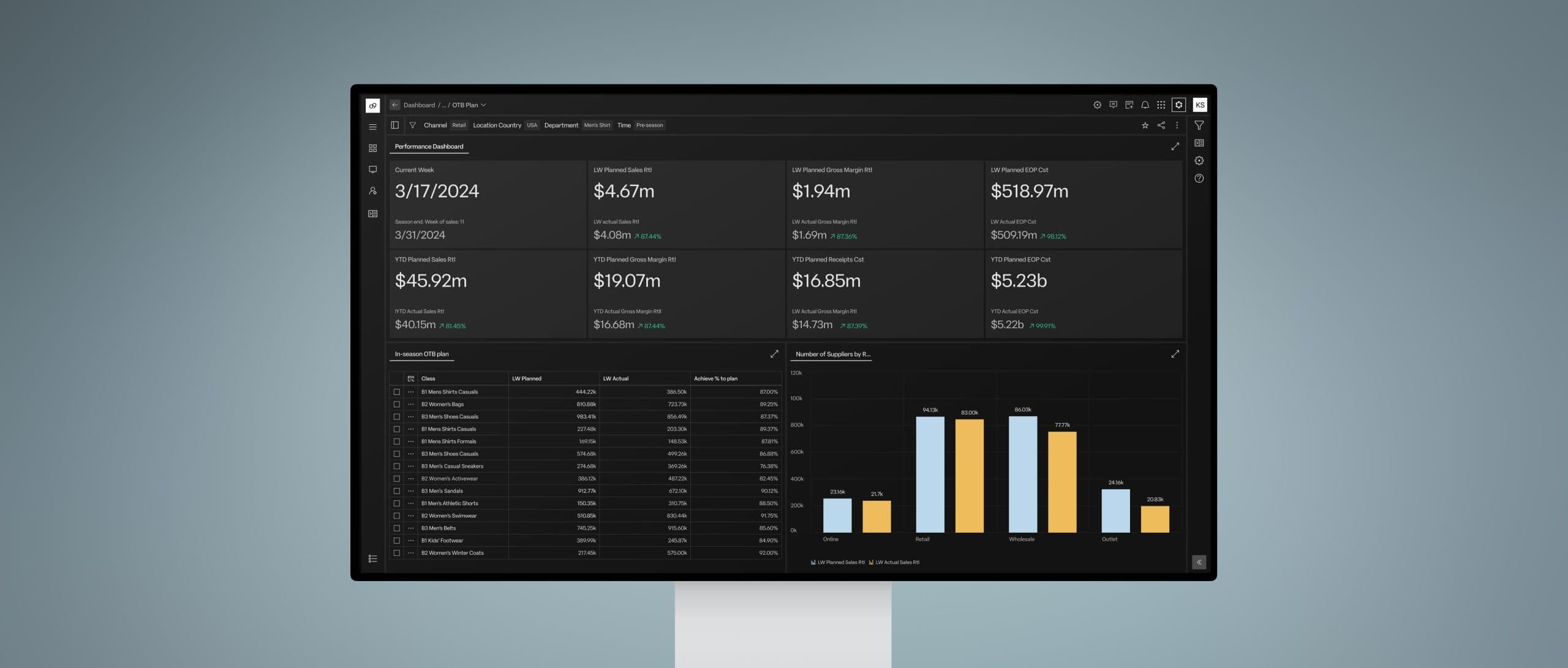
When item optimization undermines category performance
Traditional category management approaches often focus on individual item KPIs such as sales or margin contribution. While useful, these metrics fail to capture how products interact within a category. New product introductions may cannibalize existing items. Promotions may drive volume without increasing net category sales. Assortments may appear broad but still fail to meet customer decision needs.
The challenge is compounded by siloed decision-making. Pricing, promotions, assortment, and supply constraints are often evaluated separately, leading to decisions that look good in isolation but perform poorly at the category level. Without a unified view, Category Managers struggle to balance growth, profitability, and inventory risk.
From intuition-led decisions to category intelligence
Leading retailers are adopting flow-based planning approaches that align inventory movement with capacity and cost. Instead of asking “what should be replenished,” they ask “what can be fulfilled, when, and at what cost.”
o9 enables this shift by integrating demand sensing, inventory optimization, and constrained flow planning within a single execution framework.
What Makes o9 Different
Industries Supported
































Powered by the o9 Digital Brain
Category Management runs on the o9 Digital Brain, leveraging the Enterprise Knowledge Graph to connect customer behavior, product attributes, financial targets, and execution constraints. This unified model enables consistent decision-making across merchandising, finance, and supply chain teams.
The cloud-native platform supports rapid analysis at category and subcategory levels, allowing teams to iterate quickly without sacrificing transparency or control.
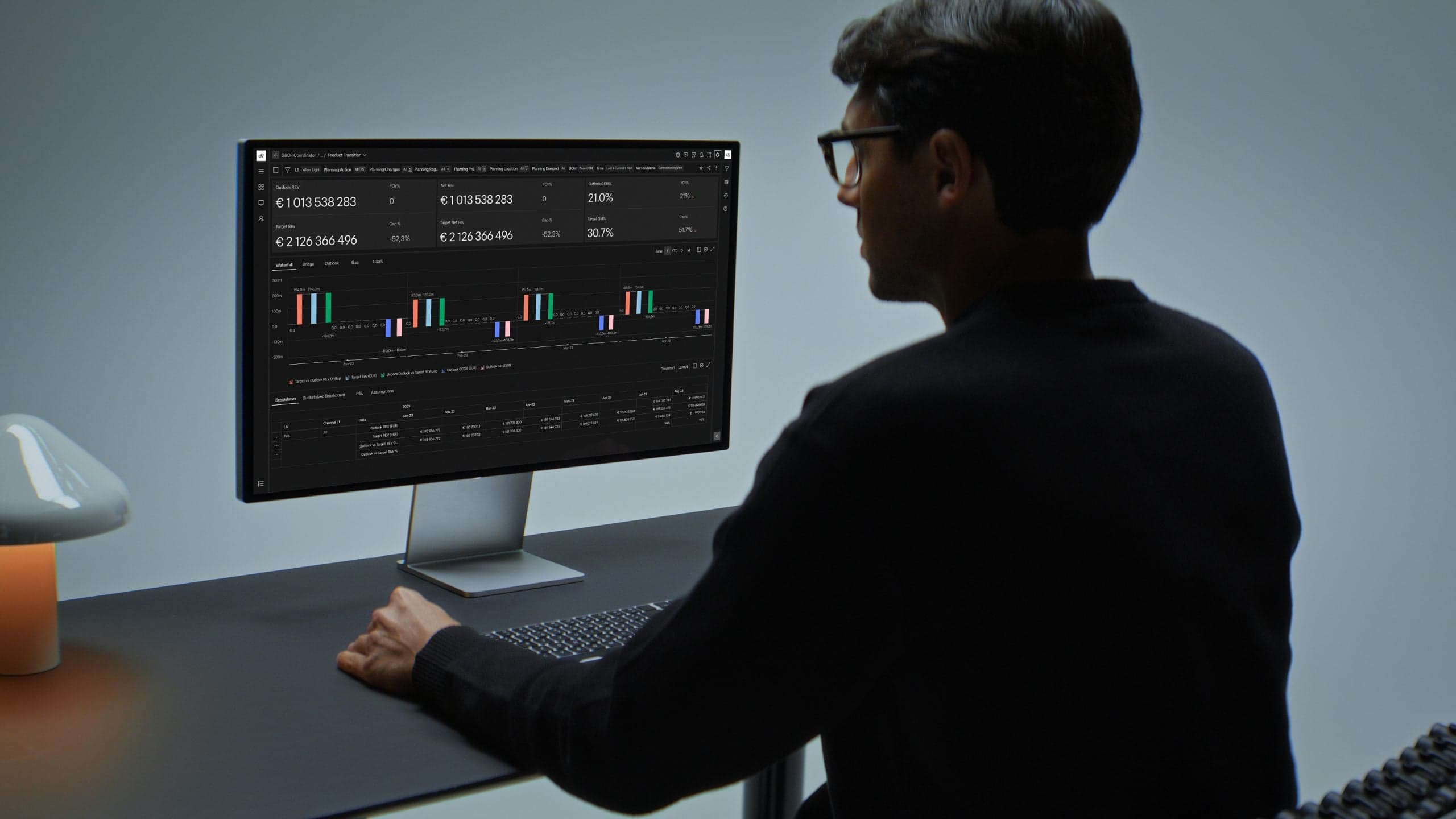
Modular by design, enterprise by default
The o9 Category Management solution integrates customer insights, financial planning, and execution levers into a single decision architecture. Rather than treating assortment, pricing, and promotions as separate processes, the architecture evaluates all category decisions through a shared model that reflects both customer behavior and financial outcomes.
Core Building Blocks
Advanced Building Blocks

A digital operating model for VUCA conditions
APEX is o9’s AI-powered operating model for enterprises navigating volatility, uncertainty, complexity, and ambiguity (VUCA). It enables organizations to plan, execute, and learn as one connected system.

The o9 Digital Brain powers APEX by connecting enterprise data, knowledge, and decisions through a single intelligent model.
Collaborative Demand Planning is one of the building blocks of the Digital Brain. It contributes domain-specific capabilities into the enterprise-wide model that enables APEX from the ground up—linking this solution to decisions across the entire value chain.
→ Learn how the APEX Operating Model works
Where AI drives real decisions
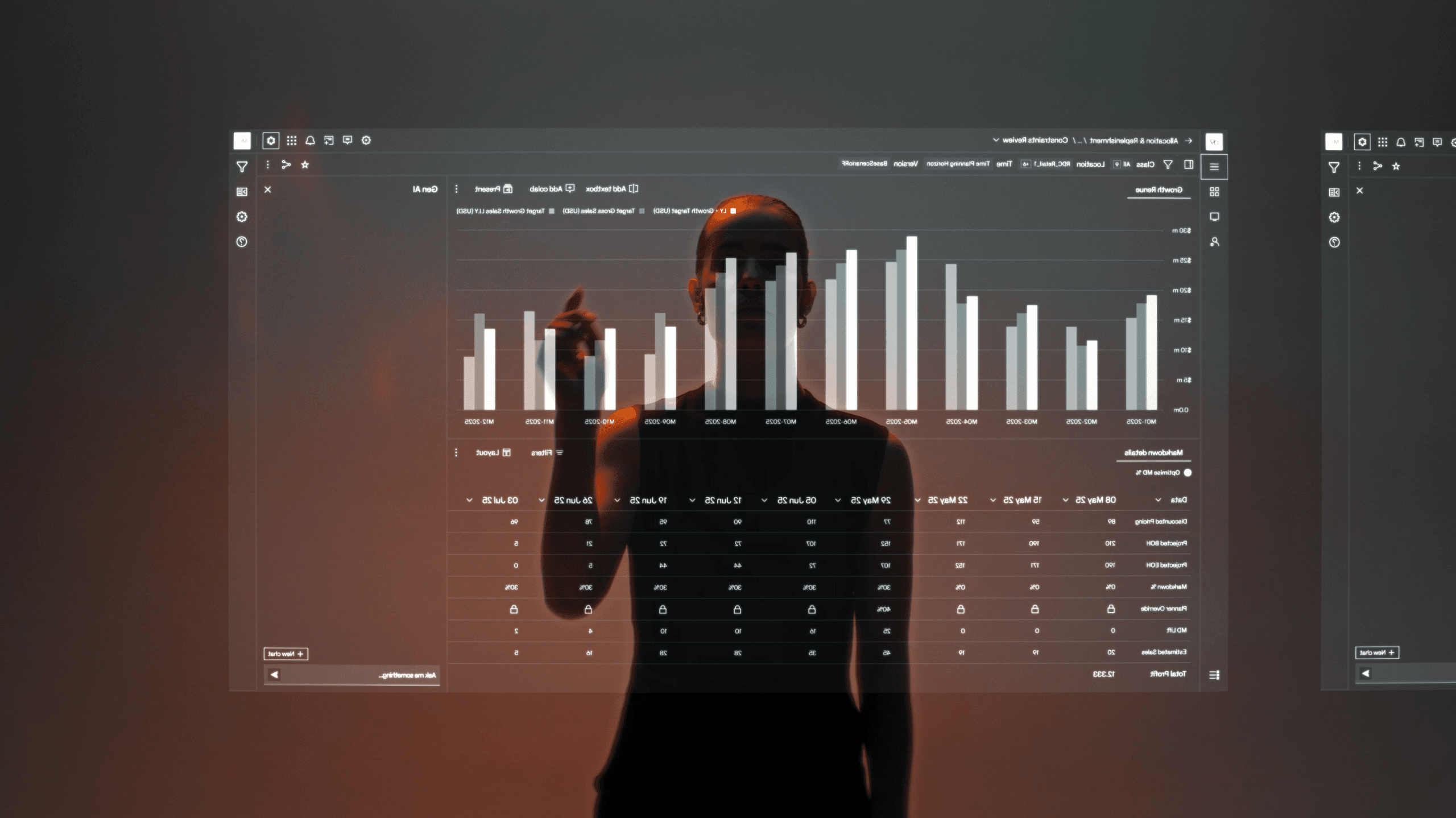
AI enhances Category Management by enabling customer-centric decisions grounded in incremental category value.
Machine learning models analyze elasticity, substitution patterns, and customer decision trees to predict how pricing, promotions, and assortment changes affect total category performance.
Prescriptive analytics quantify cannibalization and halo effects, recommending actions that maximize net category sales and margin rather than isolated item performance.
Generative AI enables natural-language exploration of category drivers, while agentic AI automates promotion evaluation, performance monitoring, and ongoing category health assessment.
→ Learn more about o9 AI innovations

What our customers say


Related solutions

Digital IBP
At its core, IBP is designed to translate strategic intent into coordinated, financially sound actions across the enterprise. Yet in many organizations, IBP has devolved into a monthly cadence of spreadsheet reconciliation, slide preparation, and functional compromise—producing alignment in theory, but limited impact in practice.
Sales & Operations Planning (S&OP)
Connect strategic planning with day-to-day execution — without breaking alignment or financial control.

Supplier Collaboration
Move from transactional sourcing to continuous, multi-tier orchestration across your supplier network.



Frequently Asked Questions (FAQ)
It is the process of managing product categories as strategic business units to maximize customer value and profitability.