AI-Driven Size & Pack Optimization Software for Enterprises


UNLOCKING BILLIONS IN VALUE FOR CLIENTS IN 30+ INDUSTRIES
Eliminate broken sizes and reduce handling costs with demand-true size intelligence
Size and pack decisions have an outsized impact on retail performance, yet they are often driven by incomplete data and static rules. When popular sizes sell out early while fringe sizes accumulate, retailers lose sales, increase markdown exposure, and frustrate customers. At the same time, inefficient pack configurations create unnecessary handling costs across distribution centers and stores, slowing inventory flow and increasing labor requirements.
o9 Size & Pack Optimization addresses these challenges by transforming size planning from a static, rule-based exercise into a demand-driven, data-science-backed capability. By analyzing granular sales patterns and correcting for stock-outs, the solution generates size curves that reflect true customer demand rather than constrained sales history. These insights are then translated into optimized pack configurations that balance store needs, visual requirements, and supply chain efficiency.
This approach allows retailers to simultaneously improve sell-through and reduce operational friction. Stores receive the right size mix for their local customer base, while distribution and store operations benefit from fewer manual adjustments and more efficient handling.
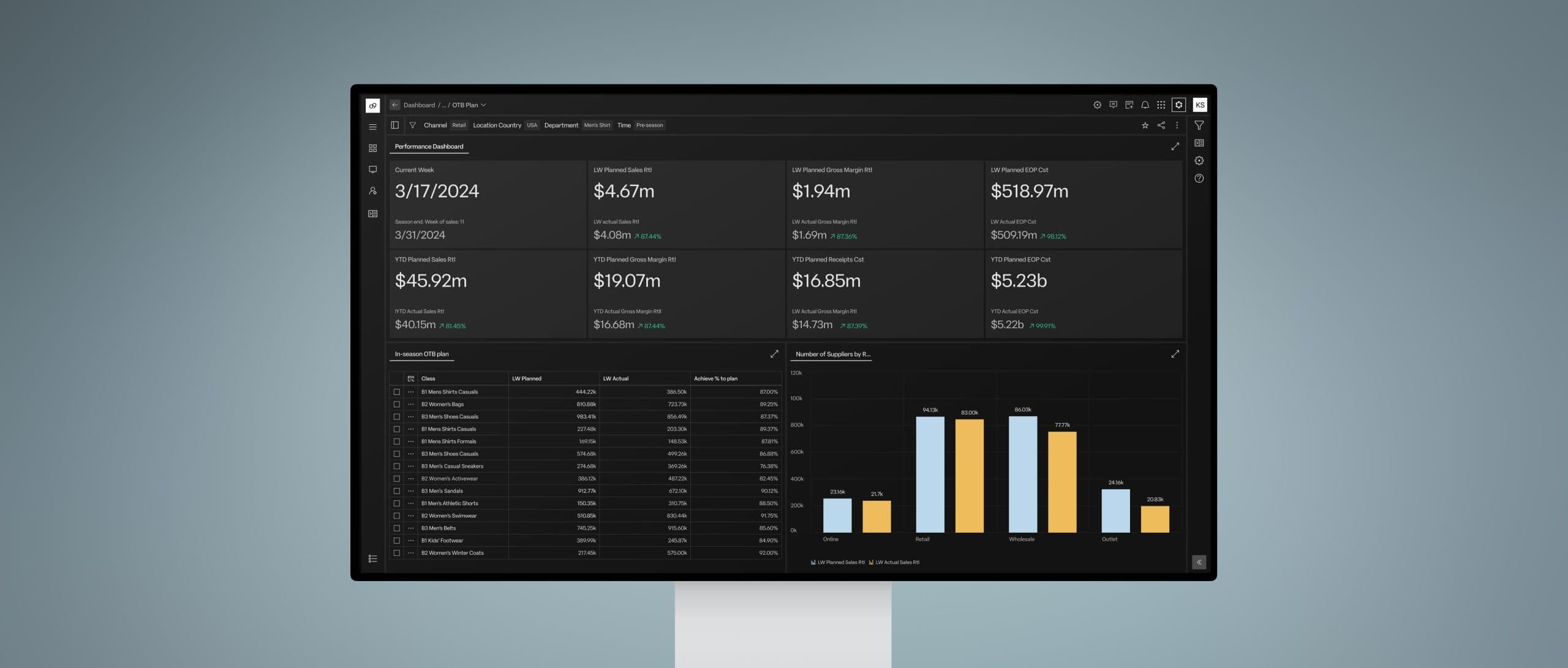
The cost of broken sizes and inefficient packs
Broken size runs are one of the most persistent sources of lost revenue in apparel, footwear, and sporting goods retail. When core sizes sell out prematurely, customers leave without purchasing—even if inventory technically exists. Meanwhile, excess fringe sizes accumulate, tying up working capital and driving markdowns.
The challenge is compounded by regional variation. Size demand differs significantly by geography, store format, and customer demographics. A size curve that works well in one market may be completely wrong in another. Yet many retailers continue to apply uniform size profiles across large store groups, masking true demand patterns.
Pack inefficiency further amplifies the problem. Pre-packs that do not align with store-level demand require additional handling at DCs and stores, increasing labor costs and delaying floor availability. Without a system that connects size demand to pack logic, these inefficiencies persist season after season.
From static size rules to demand-driven optimization
Leading retailers are moving away from static size curves and fixed pack rules toward demand-driven size intelligence. Instead of relying solely on historical sales, they correct for stock-outs, identify localized demand patterns, and continuously update size profiles as customer behavior evolves.
o9 enables this shift by linking size demand modeling directly to assortment, buying, and allocation decisions. Size and pack optimization becomes a living capability—continuously refined, operationally feasible, and financially grounded.
What Makes o9 Different
Industries Supported
































Powered by the o9 Digital Brain
Size & Pack Optimization runs on the o9 Digital Brain, leveraging the Enterprise Knowledge Graph to connect product attributes, size demand, store characteristics, and operational constraints. This enables size intelligence to scale across millions of SKU-location combinations without performance degradation.
The cloud-native platform supports rapid recalculation of size curves and pack logic as demand patterns change, ensuring recommendations remain current throughout the planning cycle.

Modular by design, enterprise by default
The o9 Size & Pack Optimization solution is built on a high-performance, attribute-driven data model that translates localized demand into executable size and pack directives. Rather than treating sizing as a static input, the architecture continuously refines size intelligence based on real sales behavior and execution outcomes.
Core Building Block
Advanced Building Blocks

A digital operating model for VUCA conditions
APEX is o9’s AI-powered operating model for enterprises navigating volatility, uncertainty, complexity, and ambiguity (VUCA). It enables organizations to plan, execute, and learn as one connected system.

The o9 Digital Brain powers APEX by connecting enterprise data, knowledge, and decisions through a single intelligent model.
Collaborative Demand Planning is one of the building blocks of the Digital Brain. It contributes domain-specific capabilities into the enterprise-wide model that enables APEX from the ground up—linking this solution to decisions across the entire value chain.
→ Learn how the APEX Operating Model works
Where AI drives real decisions
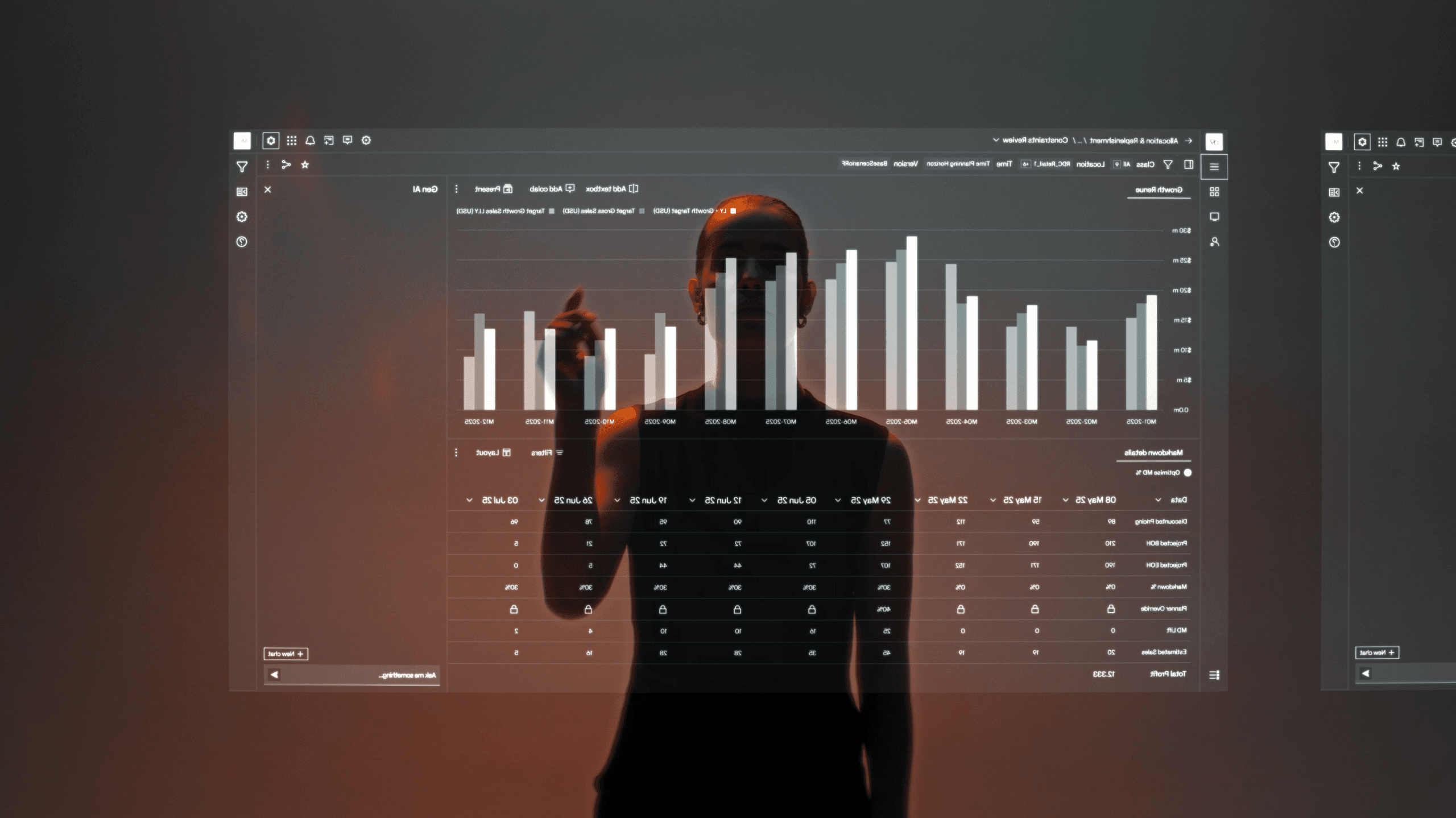
AI enhances Size & Pack Optimization by converting fragmented sales history into demand-true size intelligence.
Machine learning models correct historical sales for stock-outs and identify localized size demand patterns across stores and clusters.
Prescriptive optimization algorithms determine optimal pack configurations by balancing demand fulfillment, handling costs, and operational constraints.
Generative AI enables planners to query size and pack logic using natural language, while agentic AI automates curve refreshes, pack recalculation, and exception monitoring.
→ Learn more about o9 AI innovations

What our customers say


Related solutions

Digital IBP
At its core, IBP is designed to translate strategic intent into coordinated, financially sound actions across the enterprise. Yet in many organizations, IBP has devolved into a monthly cadence of spreadsheet reconciliation, slide preparation, and functional compromise—producing alignment in theory, but limited impact in practice.
Sales & Operations Planning (S&OP)
Connect strategic planning with day-to-day execution — without breaking alignment or financial control.

Supplier Collaboration
Move from transactional sourcing to continuous, multi-tier orchestration across your supplier network.



Frequently Asked Questions (FAQ)
It is the process of aligning size demand and pack configurations with localized customer behavior and operational constraints.