Overview
Supplier Collaboration
Move from transactional sourcing to continuous, multi-tier orchestration across your supplier network.
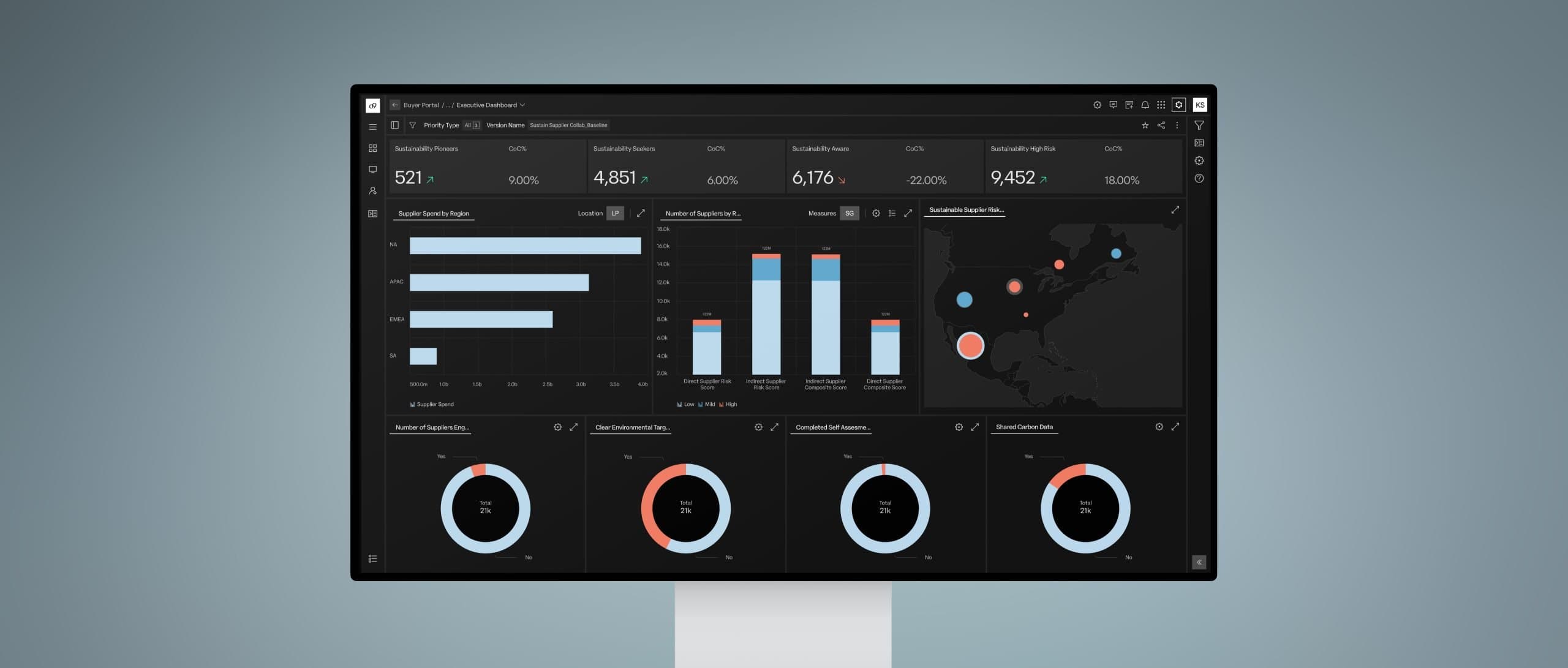
Supplier Collaboration on the o9 Digital Brain enables organizations to replace fragmented, trust-based interactions with structured, data-driven collaboration across procurement, planning, and suppliers. By bringing suppliers directly into the planning process, companies can align cost, capacity, and service decisions in real time — even amid tariff volatility, supply shocks, and regulatory change.
The problem traditional planning can’t solve anymore
In today’s volatile environment, the traditional separation between procurement and supply chain planning has created a costly trust deficit. Procurement teams often optimize for cost, while planners optimize for service and inventory — sending conflicting signals to suppliers and creating what many organizations experience as the “two-headed customer” problem.
This disconnect is compounded by data homogeneity challenges. Suppliers and buyers frequently operate on different data sets, timelines, and assumptions. Forecasts, commitments, and cost updates arrive late or out of sync, leading to shortages, excess inventory, or unplanned cost exposure.
From Transactional Relationships to Network Orchestration
Rapid tariff changes and shifting trade policies have further exposed the limitations of transactional supplier relationships. Tariff hikes can instantly alter cost structures, yet most organizations lack visibility beyond Tier 1 suppliers. By the time sub-tier exposure is identified, it is often too late to avoid margin erosion or production disruption.
Leading companies are responding by shifting from reactive, transaction-based interactions to continuous, multi-tier supplier orchestration. This approach enables real-time collaboration not only on logistics and capacity, but also on sourcing decisions, cost-sharing, and risk mitigation — turning suppliers into active participants rather than passive recipients of orders.

From Tension to Trust: Unlocking Supplier Network Value with AI in 2026
A supply chain is only as strong as its weakest link, and in many instances, that link is hidden upstream. Supplier collaboration, once considered a side activity, is now the difference between stability and chaos.
It’s one thing to find the weak link. It’s another to fix it fast. Learn how AI turns supply tension into trust at scale.
Transform supplier collaboration with real-time risk insights, unified planning, and AI-powered action.
What this solution enables
Forecast and Capacity Collaboration
Supplier Collaboration brings demand forecasts and supply commitments into a shared, real-time workspace.
Planners can share forward-looking demand signals while suppliers respond with capacity commitments, constraints, and proposed adjustments. Forecasts can be automatically converted into suggested purchase orders, enabling faster alignment across production plans, Bills of Material, and supplier capacity.Order and Inventory Collaboration
The solution supports full lifecycle collaboration on purchase orders, including acknowledgment, changes, shipment updates, and exceptions.
Buyers gain visibility into supplier inventory positions, safety stock, and weeks of cover — enabling proactive decisions before shortages or excesses materialize. This transparency reduces surprise and improves execution reliability.Tariff and Cost Collaboration
Tariffs and trade shifts require rapid, coordinated response.
o9 enables collaborative workflows where suppliers can provide updated quotations, propose alternative sourcing options, and negotiate pricing directly within the platform when volume, origin, or routing changes impact cost.
This transforms tariff response from a reactive scramble into a structured, auditable decision process.Collaborative Triage and War Rooms
When mismatches occur — such as demand exceeding capacity or sudden tariff-driven cost spikes — o9 automatically creates dedicated triage rooms.
These virtual war rooms bundle all relevant data, assumptions, and decisions in one place, allowing buyers, planners, and suppliers to resolve issues quickly without fragmented emails or offline spreadsheets.Workflow Automation and Management by Exception
o9 supports configurable automation rules that allow requests within predefined thresholds to be automatically committed. Human attention is reserved for true exceptions, dramatically reducing cycle time and administrative burden.
What Makes o9 Different
Unified Procurement and Planning
Unlike siloed point solutions, o9 integrates procurement and supply chain planning on a single platform. Sourcing strategies, capacity constraints, and operational plans are always aligned, eliminating the conflicting signals that arise when buyers and planners operate independently.
Multi-Tier Network Visibility
Supplier Collaboration on o9 extends visibility beyond Tier 1 suppliers. By mapping Tier 2 and Tier 3 relationships, organizations can identify upstream constraints — such as tariff exposure on sub-components or raw material shortages — and act before they impact production or service.
True Two-Way, Real-Time Collaboration
Collaboration is not one-directional. Suppliers actively participate by updating capacities, confirming orders, flagging risks, and proposing alternatives in real time. This goes far beyond static EDI messages, enabling shared ownership of outcomes.
High Degree of Automation
By automating routine data exchange and low-risk decisions, o9 frees teams to focus on strategic supplier relationships and value creation rather than manual coordination.
Industries Supported


Powered by the o9 Digital Brain
Supplier Collaboration is powered by the o9 Digital Brain and its Enterprise Knowledge Graph (EKG).
The platform creates a digital twin of the end-to-end supply network, connecting demand, supply, procurement, finance, tax data, and multi-tier Bills of Material. This single source of truth enables accurate impact analysis — such as identifying which sub-components are affected by tariffs based on origin and processing location.

Rapid scenario planning allows teams to simulate tariff changes, supplier de-commitments, or sourcing shifts and compare financial and operational outcomes side by side.
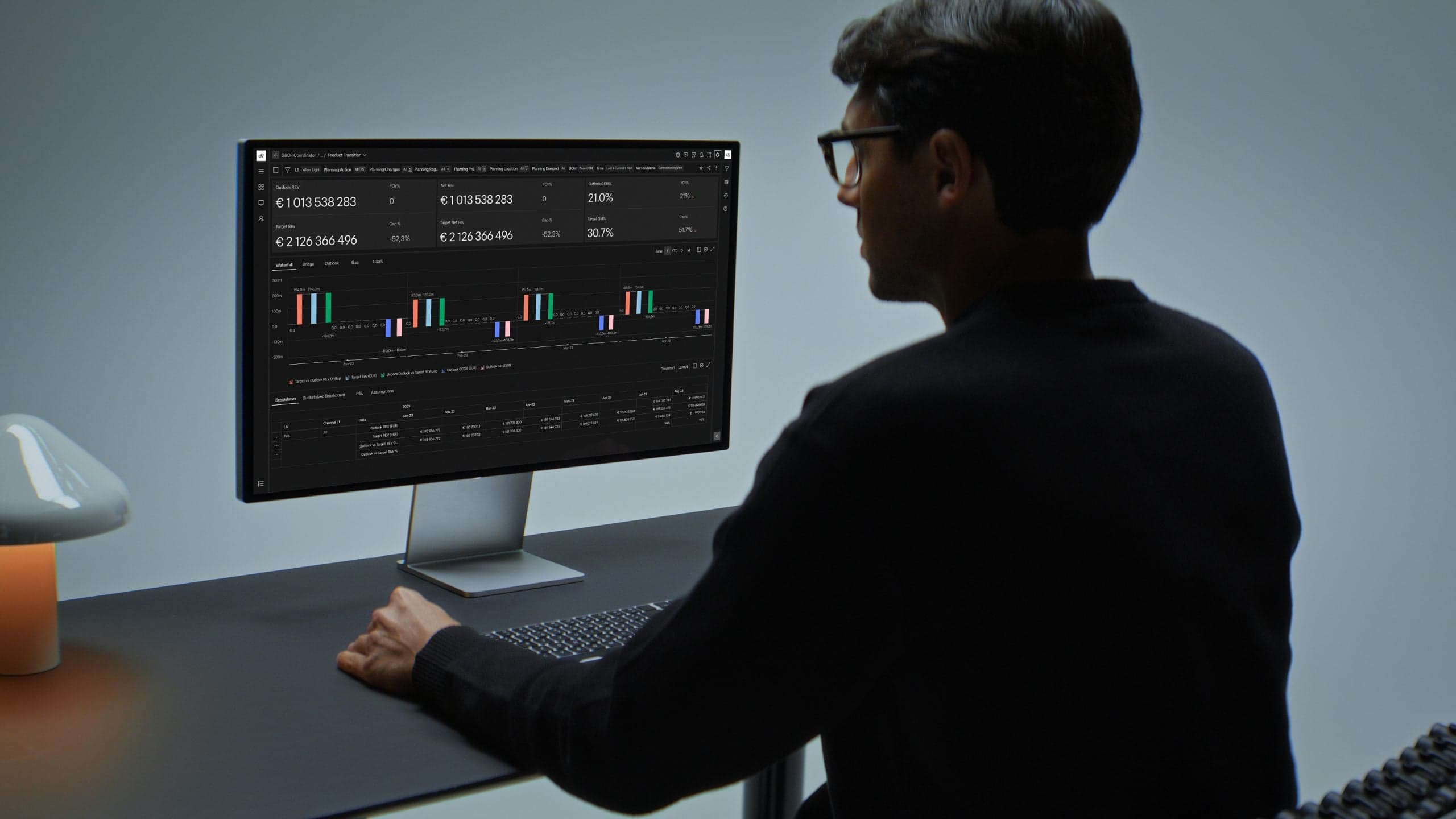
The o9 Digital Brain
The digital brain is powered by our patented Enterprise Knowledge Graph (EKG)
Modular by design, enterprise by default
Supplier Relationship Management is built on a modular architecture that connects suppliers, data, and decisions across a multi-tier network — enabling collaboration, automation, and resilience at scale.
Core Building Blocks
These foundational components establish shared data, network visibility, and collaborative workflows across the supplier ecosystem.
Enterprise Knowledge Graph (EKG) & Supply Chain Digital Twin
The EKG acts as a single source of truth, modeling demand, supply, finance, and the multi-tier supplier network in real time. It creates a live digital twin that connects strategic planning decisions with operational execution.
Unified Risk Data Ingestion Layer
Ingests and harmonizes data from ERP systems, supplier portals, EDI/API feeds, and third-party risk sources. Built-in validation ensures buyers and suppliers operate on consistent, trusted data.
Multi-Tier Network Mapper
Maps dependencies beyond Tier 1 suppliers, visualizing material flows across Tier 2 and Tier 3, logistics routes, and geographies. This exposes hidden bottlenecks and structural vulnerabilities early.
Secure Supplier Collaboration Portal
A role-based portal where suppliers view forecasts, confirm POs, update capacity, and share inventory in real time. It replaces email and spreadsheets while preserving data security and sovereignty.
Collaborative Triage Rooms (Workflow Engine)
Automatically detects mismatches such as demand–capacity gaps and creates shared digital workspaces. All context, data, and communication are centralized to resolve exceptions quickly.
Advanced Building Blocks
These components apply AI and automation to turn collaboration into proactive orchestration and resilience.

AI Agentic Layer
Autonomous agents handle repetitive, high-volume coordination tasks such as following up on supplier commits, assessing risk signals, and prioritizing deviations for human attention.
Risk Signal Translation Engine
Converts external events (tariffs, port disruptions, geopolitical risk) into concrete supply chain impacts such as lead-time changes or capacity loss, and propagates effects to cost, service, and margin.
Scenario Planning & Simulation Engine
Enables rapid what-if analysis across sourcing, tariffs, and supplier failure scenarios. Financial and operational outcomes are evaluated side by side to support trade-off decisions.
Sustainability & Double Materiality Integration
Embeds ESG metrics directly into the planning model, tracking carbon and compliance alongside cost and service. Sustainability trade-offs are evaluated as part of everyday decisions.
Generative AI Interaction Layer
Enables natural-language interaction with the platform, simplifying supplier onboarding and collaboration. Suppliers can share unstructured inputs that AI converts into usable planning data.

Take a tour
See how the o9 Digital Brain unifies planning, forecasting, and execution through AI-driven intelligence.
A digital operating model for VUCA conditions
APEX is o9’s AI-powered operating model for enterprises navigating volatility, uncertainty, complexity, and ambiguity (VUCA). It enables organizations to plan, execute, and learn as one connected system.

The o9 Digital Brain powers APEX by connecting enterprise data, knowledge, and decisions through a single intelligent model.
Collaborative Demand Planning is one of the building blocks of the Digital Brain. It contributes domain-specific capabilities into the enterprise-wide model that enables APEX from the ground up—linking this solution to decisions across the entire value chain.
→ Learn how the APEX Operating Model works
Where AI drives real decisions
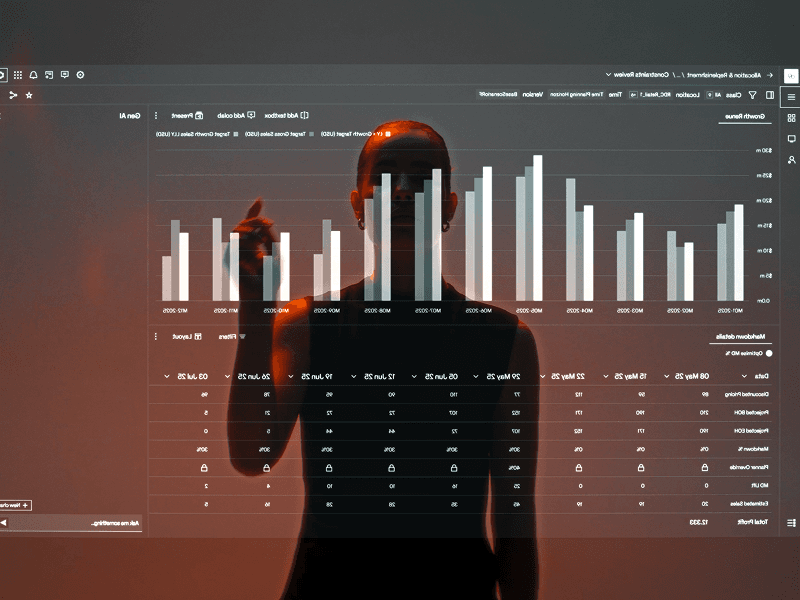
Artificial intelligence enables Supplier Collaboration to scale across thousands of suppliers and decisions.
Supplier orchestration autopilot agents evaluate supplier responses, follow up on missing commitments, and prioritize critical deviations for human attention.
Knowledge and onboarding agents assist new suppliers by automating document verification, training, and query resolution through conversational interfaces.
Delivery prediction models analyze historical supplier behavior to forecast reliability and flag potential delays before they occur.
→ Learn more about o9 AI innovations
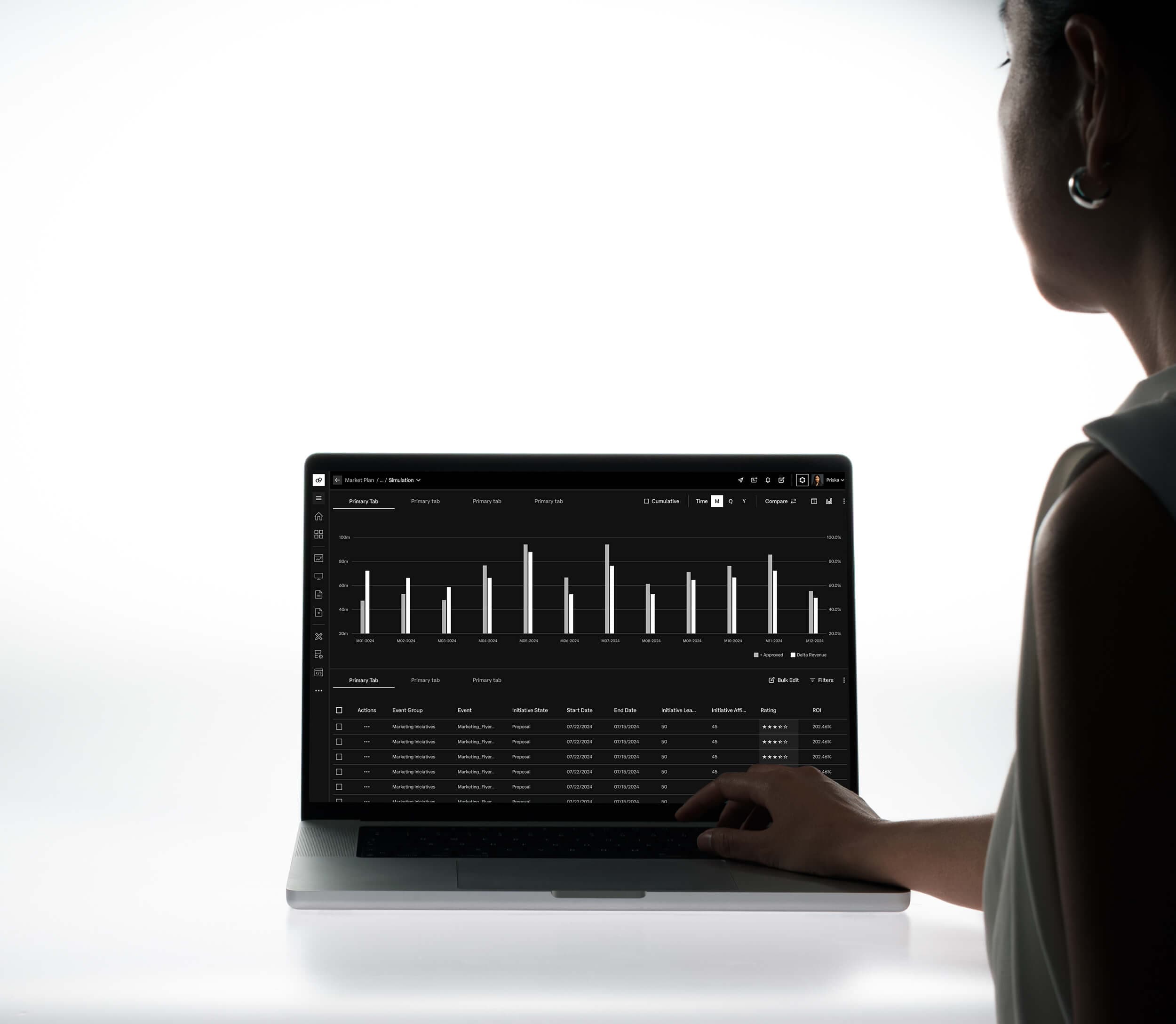
Procurement and Supply Chain Planning: Two Functions, One Problem
Ask a procurement leader and a supply chain planner about their biggest priorities, and you’ll likely hear two very different answers. Procurement teams are focused on securing supplier agreements, managing costs, and mitigating risks. Planners, meanwhile, are looking ahead—adjusting to demand shifts, balancing inventories, and keeping production on track.
Results in real-world complexity

Global Automotive OEM
This OEM faced frequent production disruptions and revenue losses due to limited multi-tier visibility and manual coordination via EDI.
By implementing o9 Supplier Collaboration across 250 core suppliers, the company standardized forecast and capacity alignment, automated commit rules, and introduced structured triage rooms for deviations.
The solution went live in under six months and delivered multi-tier transparency at scale. Production line stops caused by misaligned planning became a thing of the past.
What our customers say
"We made the conscious decision with o9 to bring a quicker ROI by integrating with our legacy SAP. [...] When the full ERP transformation happens, we’re ahead of the game."
Paul Tips
Product Owner at Canyon Bicycles
"What's really succeeding with us is the idea of the connection to the data and a best-in-class UX/UI, so the people that use the business can really make an impact."
David Almeida
Chief Strategy & Technology Officer at Anheuser-Busch InBev
"With o9 AI/ML-based forecasting in place, we’re already seeing improved forecast accuracy, stronger cross-functional collaboration, and faster, more informed decision-making—all within a centralized platform."
Gaby Gutierrez
VP of Global Supply Chain Planning at Amway

Take a tour
See how the o9 Digital Brain unifies planning, forecasting, and execution through AI-driven intelligence.
Related solutions
Frequently Asked Questions (FAQ)
Supplier collaboration enables buyers, planners, and suppliers to jointly align demand, capacity, cost, and risk decisions in real time using shared data and workflows.