3 read min
Bursting Bitcoin bubbles, gold growth, and oscillating oil prices have all contributed to a certain consumer expectation of extreme market swings. But, one cost increase the majority didn’t see coming was a kitchen cupboard centerpiece: olive oil. In January 2024, this new strain of liquid gold’s price point rose 50% within the EU from the previous year; a head-scratching high that offers a view into the relationship between supply and demand. It also introduces the broader narrative of scarcity and economic pressures faced by producers and consumers alike.
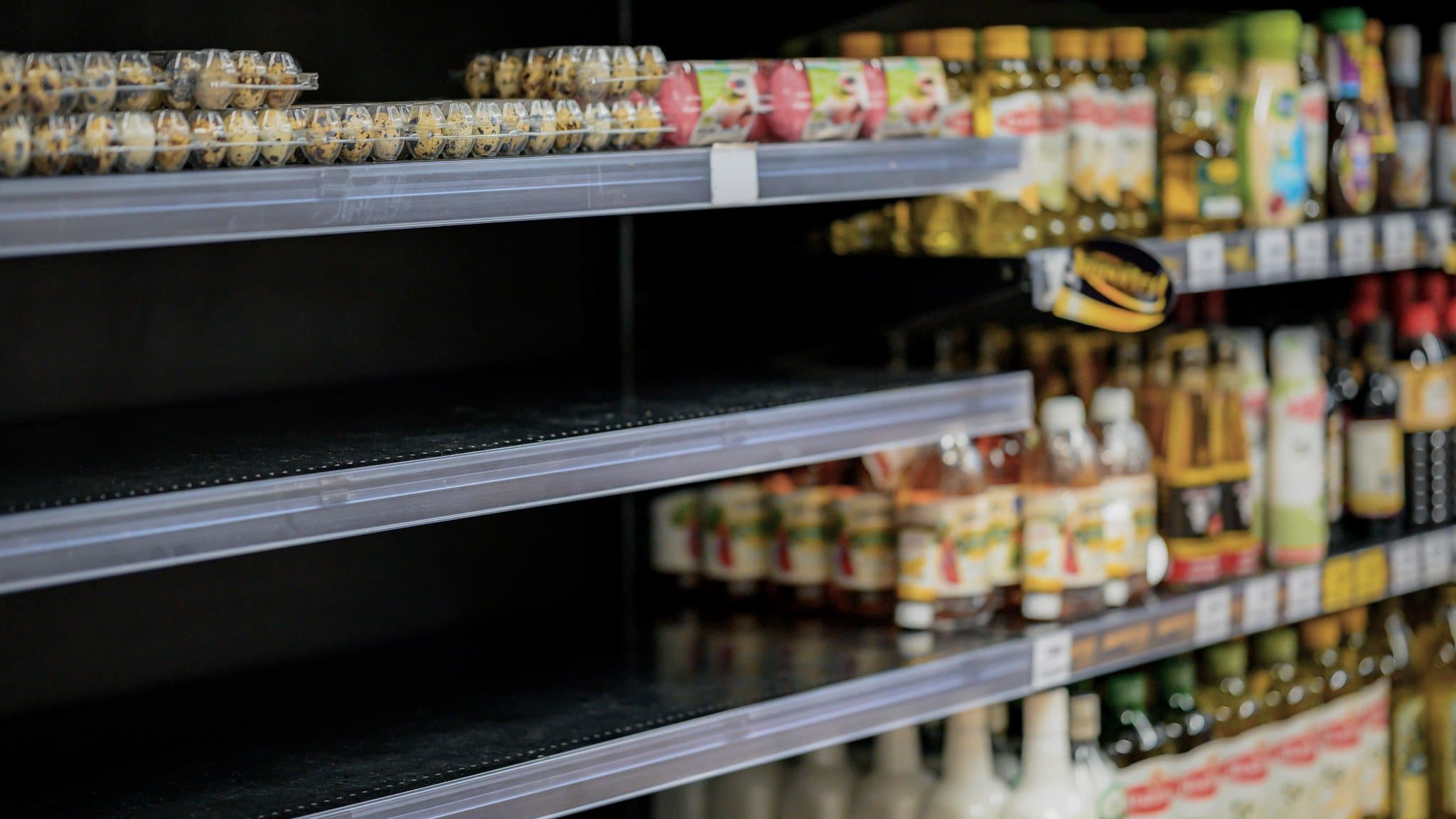
Countries at the core of olive oil culture (Portugal, Greece, and Spain) recorded the highest annual inflation rates for olive oil in January 2024, at 69%, 67%, and 63% respectively. The question, then, becomes how can companies, countries, and continents maintain the staple ingredient’s availability while preserving the financial viability of its production? Droughts and adverse weather conditions, primarily in the olive oil-rich regions of Southern Europe, have led to decreased production while global demand remains high. This scarcity has naturally translated into higher prices, affecting both the kitchen tables of everyday consumers and the food industry as a whole.
What are the broader implications for global commodity markets?
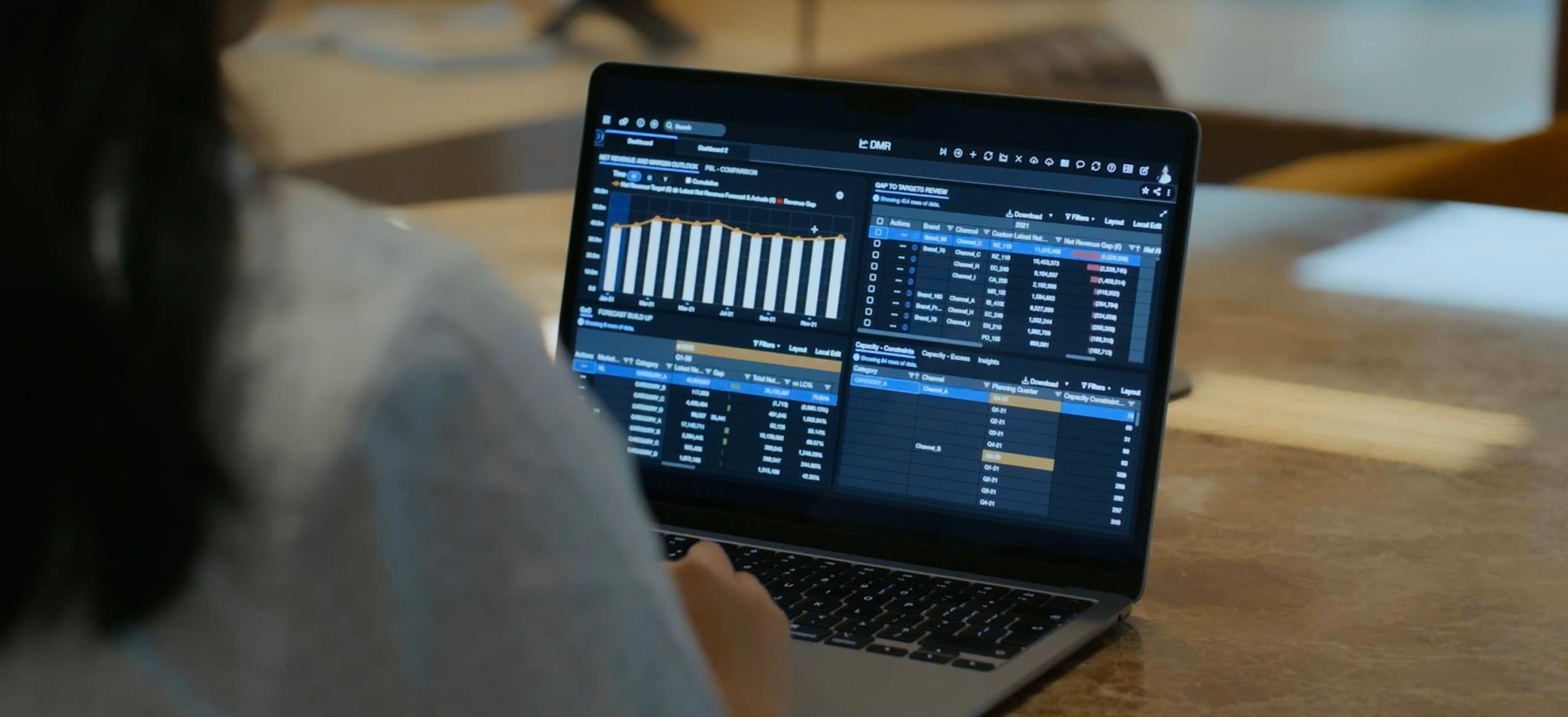
The EU's experience with olive oil inflation represents a microcosm of the global commodity market's vulnerabilities, emphasizing the need for strategic foresight in both agricultural practices and market strategies. For businesses centered on olive oil supply chains, this means investing in sustainable farming techniques that can mitigate the impacts of climate change, diversifying sourcing strategies to reduce dependency on a single region, and employing dynamic pricing models through effective revenue growth management that can respond to market fluctuations - all while ensuring accessibility for consumers.
This narrative isn’t peculiar to Europe, though. In West Africa, cocoa prices have hit unprecedented highs, with futures rising above $10,000 a ton due to poor crop yields and increased market demand. Driven by a blend of speculative trading and genuine supply concerns, this price surge demonstrates the fragile balance between the supply of essential commodities and their global demand. With the world on course for a third straight annual supply deficit, the ripple effects on chocolate production and pricing are felt across the globe.
Meanwhile, in Canada, where 75% of the world’s maple syrup production occurs, the reserves that normally offer a unique strategic buffer against production volatility have dwindled to a 16-year low. The Quebec reserve typically accommodates around 133 million pounds of maple syrup each year, but in 2023, it held only 6.9 million pounds (3.1 million kg). This reduction, set against a backdrop of rising global demand and climate-induced production challenges, highlights the complexities of managing natural resources in an unpredictable world. Despite these challenges, producers remain optimistic about future harvests based on innovative agricultural practices designed to help stabilize the market.
These examples illustrate the interconnectedness and vulnerability of our global food systems to environmental, economic, and geopolitical forces. They show us a world in which adopting next-gen demand forecasting and sensing technologies, strategic pricing, market adaptability, and sustainable practices are not just business strategies but essential components of global food security and economic stability.
Essentially, olive oil's price surge is a call to action. It should invite a collective response, all the way from the olive groves of Southern Europe to the global marketplace, to bring about a more sustainable, equitable, and resilient food system. Looking forward, the lessons learned should inform broader strategies to navigate the complexities of global commodity markets, ensuring that essential goods remain accessible and sustainable for generations to come.

About the authors

o9
The Digital Brain Platform
o9 Solutions is a leading Enterprise Knowledge and AI-powered platform helping companies build Agile, Adaptive & Autonomous Planning & Execution Models for transforming enterprise decision-making in environments of rising volatility and uncertainty. Whether it is improving forecast accuracy, matching demand and supply and driving collaboration across the multi-tier supply chain to improve resilience at optimal costs and inventory, or optimizing new product and commercial initiatives to drive revenue growth and margins, decision-making processes from long-range to tactical to execution horizon can be made faster and smarter and connected on o9’s Digital Brain Platform.
o9 brings together game-changing technology innovations — such as innovative enterprise knowledge graph modeling, big data analytics, advanced algorithms for forecasting, demand/supply balancing, scenario planning, real time learning, collaboration, generative and agentic AI, easy-to-use interfaces and cloud-based delivery, and innovative management methods — as well as organization, process and change management best practices to transform decision-making speed and intelligence.