6 read min
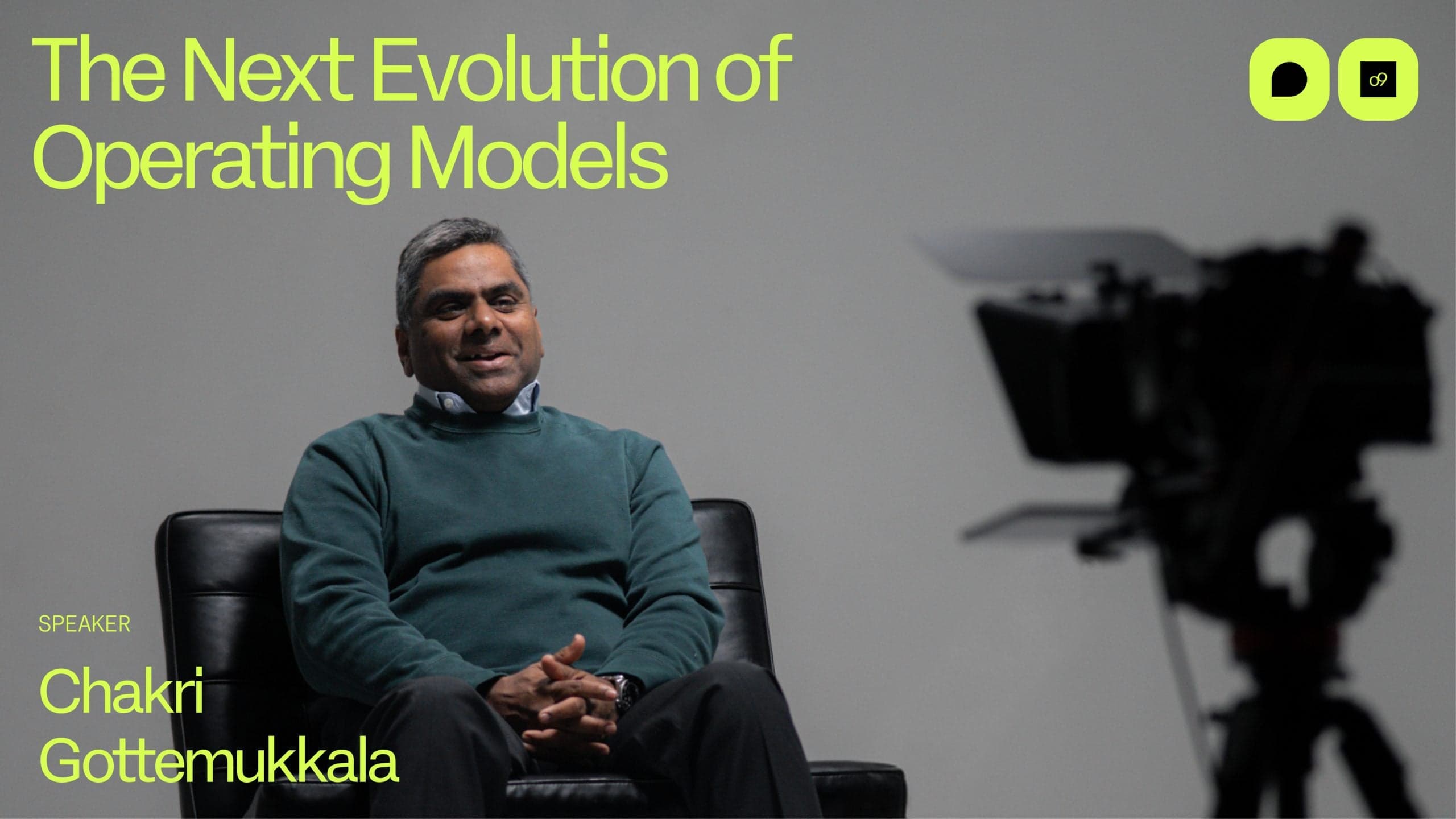
Today’s business environment, according to o9 CEO & Co-Founder, Chakri Gottemukkala, has changed faster than the way companies operate.
“Harvard Business Publishing recently described 2025 as the most VUCA of VUCA environments,” he said. “2026 is clearly off to a similar start.”
That shift is exposing a deeper complication. Value is leaking every day across large enterprises, through excess inventory, missed forecasts, service gaps, and lost opportunities. These are not isolated issues. They are happening constantly across products, markets, and functions.
The root cause is how decisions are made.
A large enterprise handles millions of decisions every day. Those decisions span supply chain, commercial, finance, product, and operations, and they sit across different planning cycles. Over time, each function has built its own systems and ways of working. Data is fragmented. Spreadsheets fill the gaps. People carry context in their heads.
Chakri described this as a structural limitation: “as business models scaled and grew in complexity over the years, the size of the organizations grew as well, and decision-making became fragmented across many functions.”
The scale of this challenge is difficult to grasp. Even a single business can be planning across millions of interconnected nodes across products, customers, suppliers, and markets. At that level, manual coordination simply does not hold.
That setup worked when conditions were stable, but it suffers under volatility.
“Talented people are getting overwhelmed. VUCA is winning.”
The hidden dependency on tribal knowledge
A large part of enterprise decision-making still depends on experience. Planners and managers know how to interpret signals and connect dots across the business. That knowledge is valuable, but it is also difficult to scale.
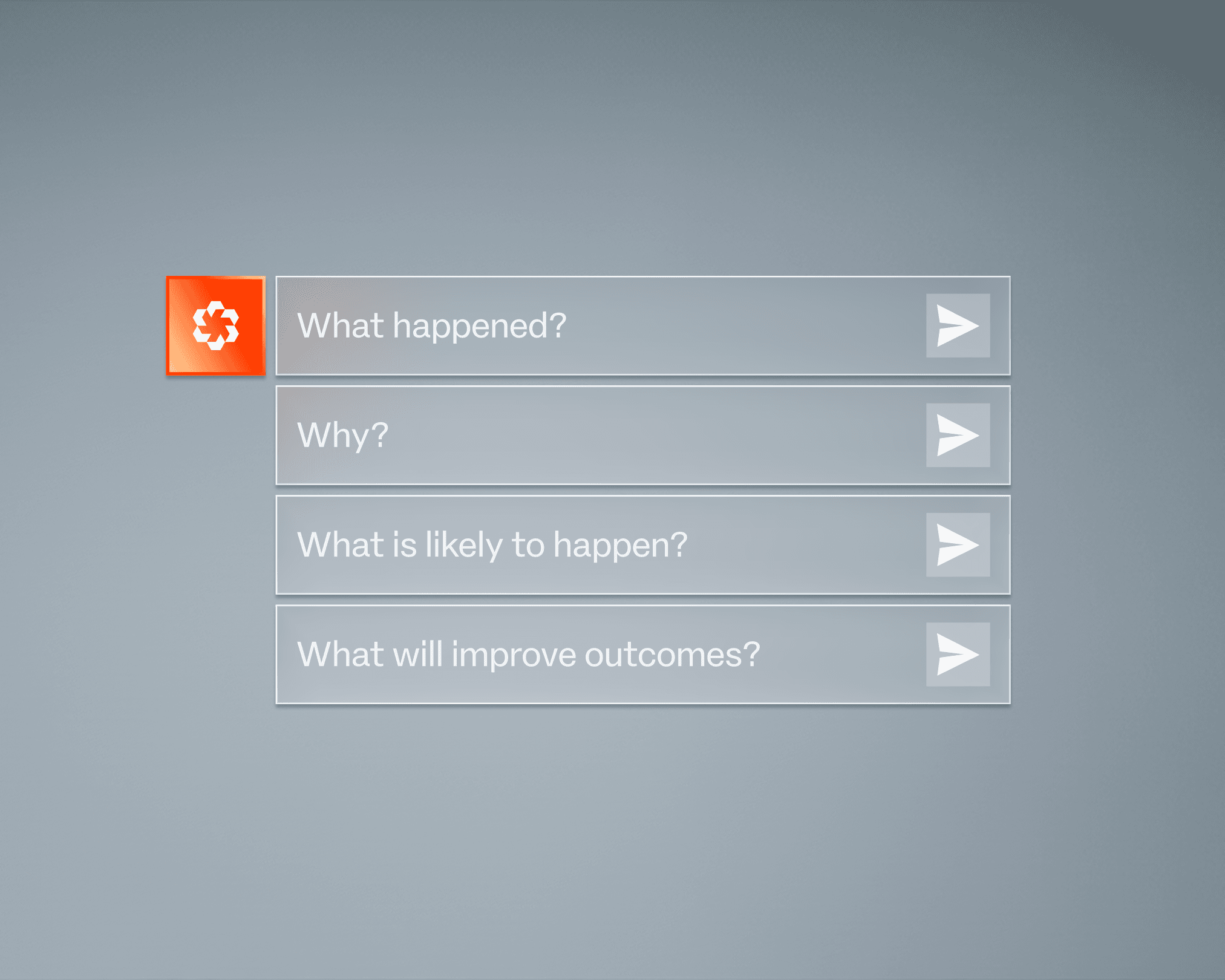
“If you ask questions like, why did we miss the forecast for product x in market y last month?” Chakri said, “What commercial actions can help increase demand for product x… it takes many people with their tribal knowledge… to come together to answer these questions.”
The outcome depends on who is involved, how quickly they respond, and whether the right context is available. Often, the answers arrive late or lack depth. In many cases, the underlying situations are not detected early enough to act on.
Chakri’s view is that this is where AI can make a meaningful difference. The opportunity is to capture that knowledge, structure it, and make it accessible across the organization.
“Challenge your organizations to accelerate digitization of expertise and tribal knowledge,” he said. “Set goals of moving from eighty percent tribal to eighty percent digitized knowledge.”
That shift changes how decisions are made and how quickly they can be made.
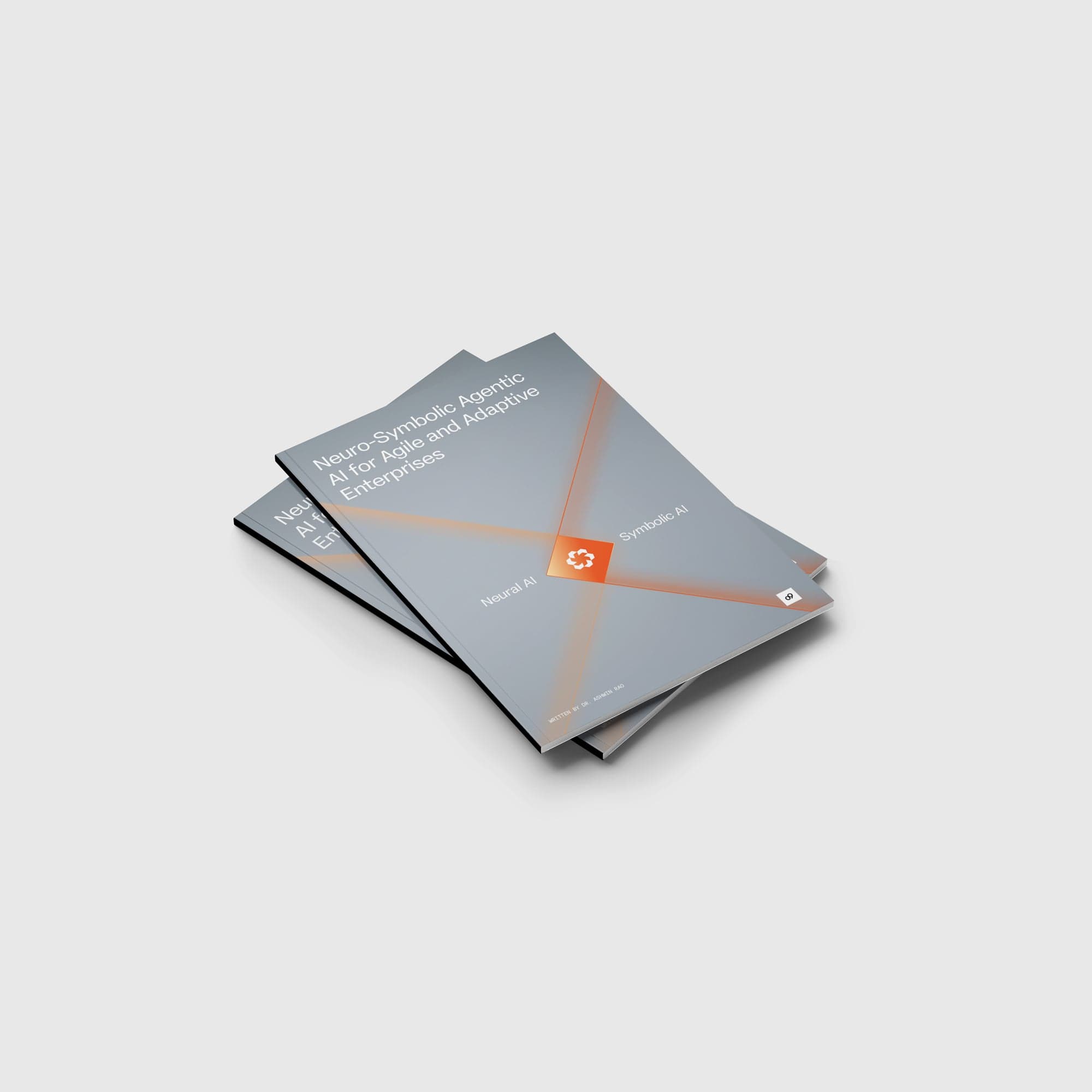
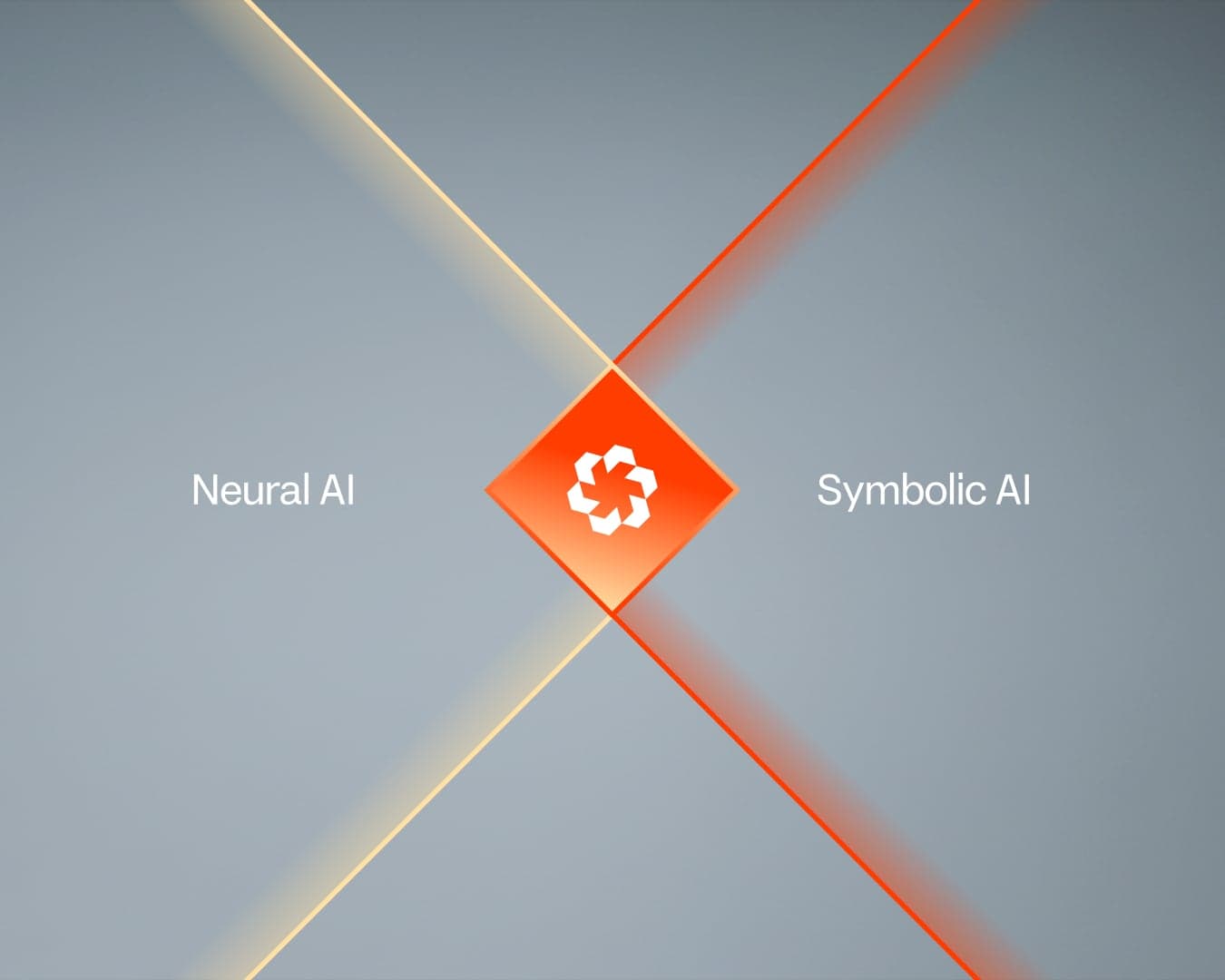
- Neural AI (LLMs): fast, intuitive pattern learning over unstructured information. Powerful, but susceptible to hallucinations when pushed beyond grounded context.
- Symbolic AI: explicit structure, domain semantics, and rigorous reasoning. Precise, explainable, and safe, but limited without adaptive perception and language understanding.
Doing so reduces the time it takes to move from insight to action, while also creating a shared understanding across functions.
“With neuro-symbolic AI agents, we see organizational opportunities for 30-70% improvements in latency reduction and potential productivity improvements across management, planning, analysis, and frontline functions involved in the planning and execution processes.”
Introducing APEX: the operating model built for VUCA
This is where Chakri introduced APEX, the model he sees as the next evolution of enterprise operating models.
Standing for Agile, Adaptive, Autonomous Planning & Execution, APEX is designed to help companies operate in environments where volatility is constant. The goal is to manage disruption and turn it into a source of advantage and sustained performance.
- Agile in this context means the ability to detect and respond to situations as they emerge across the value chain, not weeks later but in near real time. Decisions are made with far less latency, supported by connected data and faster analysis.
- Adaptive refers to the system’s ability to learn continuously. Every gap between plan and execution feeds back into the model, improving forecasts, decisions, and policies over time, without waiting for large transformation cycles.
- Autonomous describes the shift where routine, high-frequency decisions are executed automatically by the system, while people focus on strategy, trade-offs, and direction.
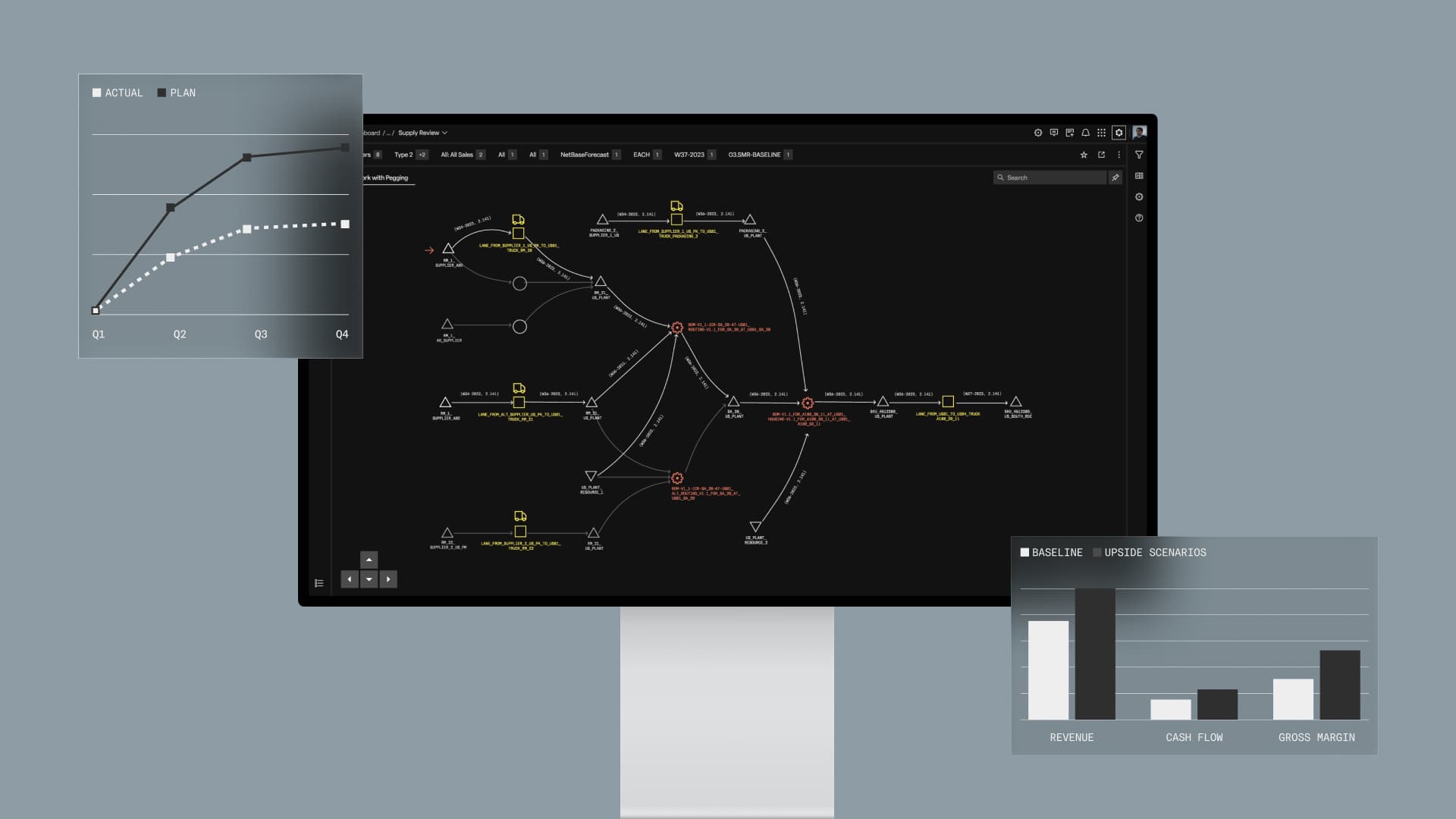
“The purpose of APEX… is to help convert your business strategy into higher growth, higher margins, and improved cash flow… and deliver that predictably quarter after quarter,” he said.
APEX replaces fragmented, tribal operating models with a connected system that links planning and execution across the enterprise. It detects situations earlier, answers questions faster, and enables decisions to be executed with less delay. Instead of VUCA driving value leakage, it becomes a lever for improving enterprise value.
Learning faster through continuous feedback
Speed alone does not cut it in the VUCA age. The ability to learn from what has already happened is just as important.
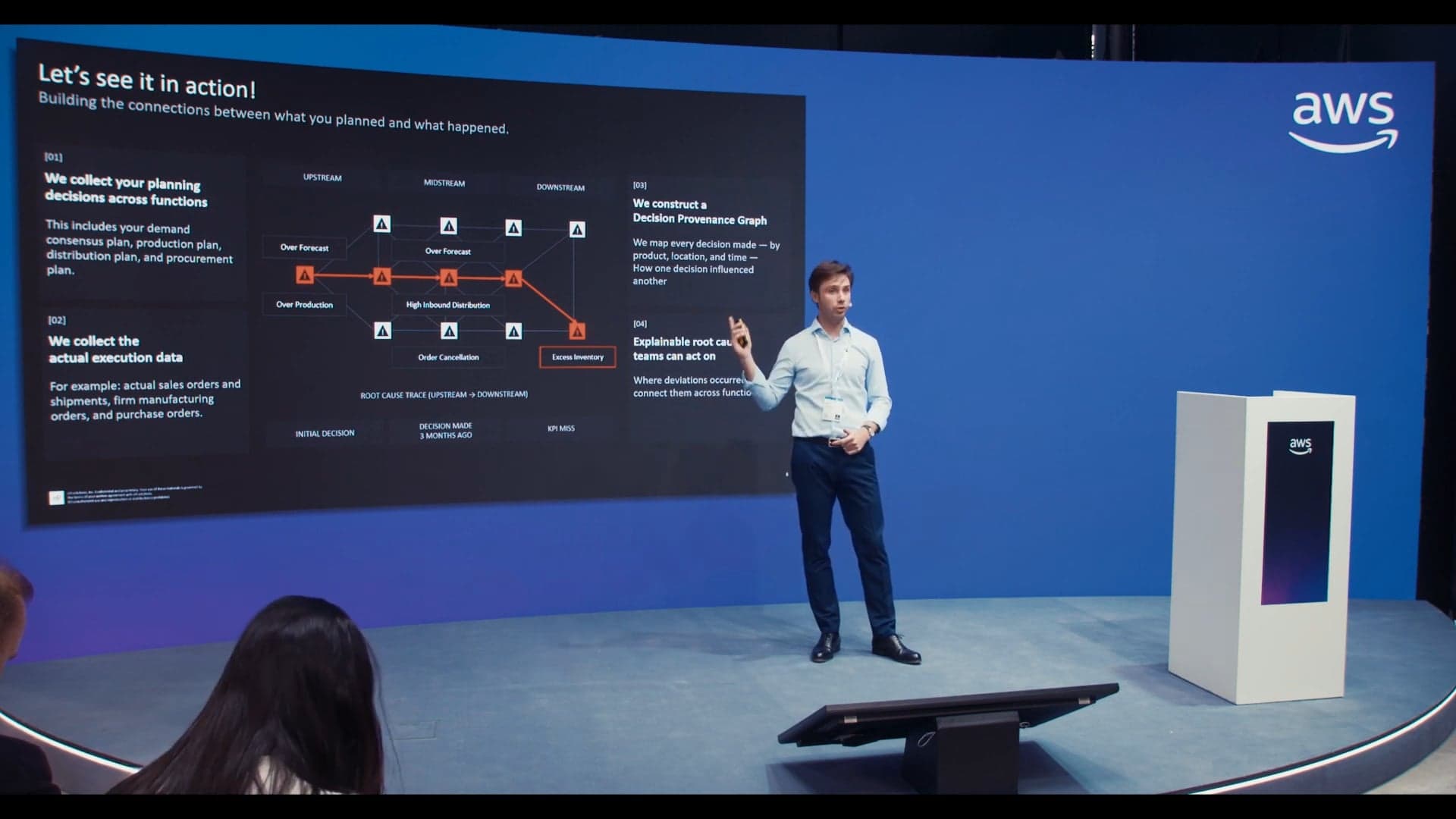
Chakri pointed out that most organizations struggle to understand why performance deviates from plan. Decisions are spread across systems, notes, and conversations. That makes it hard to connect outcomes back to their causes.
His answer is to build continuous feedback into the operating model itself.
“With neuro-symbolic agentic AI innovations, it’s now possible to create game video style performance post-game analysis solutions,” he said.
Every gap between plan and execution is captured. The system identifies where value is leaking and why. That learning is then fed back into future decisions.
Over time, this creates a system that improves itself, rather than relying on periodic reviews or reactive fixes.
From transformation to continuous innovation
This approach changes how companies think about change.
“In the past, companies have filled the gap by throwing more and more people and spreadsheets and manual processes at the problem,” Chakri said.
That approach increases complexity without improving responsiveness.
Instead, APEX supports continuous improvement. Capabilities evolve in smaller, faster cycles, aligned with changing business needs.
“And imagine it can enable rapid development of new capabilities… in weeks or months rather than years,” he said.
Chakri described three core enablers that make this model work in practice. The first is performance post-game analyzers, which help organizations understand what happened and why, turning every gap between plan and execution into a learning opportunity.
The second is fast innovation centers of excellence, where teams take ownership of evolving processes and systems using AI and flexible platforms, reducing reliance on long transformation programs.
The third is business simulators, which help organizations build alignment and capability faster by allowing teams to experience how decisions play out before committing to them.
Altogether, these create the foundation for continuous learning, faster capability development, and better decision-making at scale.
The direction ahead
Chakri described the long-term direction as autonomous planning and execution.
“Autonomy does not imply a hands-off organization or the removal of human judgment,” he said.
Routine decisions, such as replenishment, allocation, and scheduling, can be handled automatically. People remain focused on strategy, policy, and judgment.
Each cycle of planning and execution feeds back into the system, improving the next set of decisions. The operating model becomes faster, more consistent, and more aligned over time.
Chakri closed with a direct message to leaders: “Prioritize AI-powered transformation of your management systems,” he said. “It is likely to be the number one driver of competitiveness and value creation for enterprises in the coming future.”
The environment will continue to change, and so companies that can detect issues earlier, learn faster, and act with less friction will have an advantage. The move to models like APEX is centered on building operating systems that can keep improving as the business evolves.
About the authors

The Editorial Team, o9
A multidisciplinary collective of editors, strategists, technologists, and former executives with experience across Fortune 500 companies and top consulting firms. Grounded in o9’s mission to help enterprises make faster, better decisions through the power of AI-driven planning and execution software, the team shares clear, practical insights on digital transformation, supply chain, and enterprise planning to support business leaders in navigating complexity and driving change.