5 read min
You can also read the industry-vertical takeaways from aim10x Digital here:
The APEX Model: A Preview from o9’s Executive Chairman, Co-Founder, and CEO
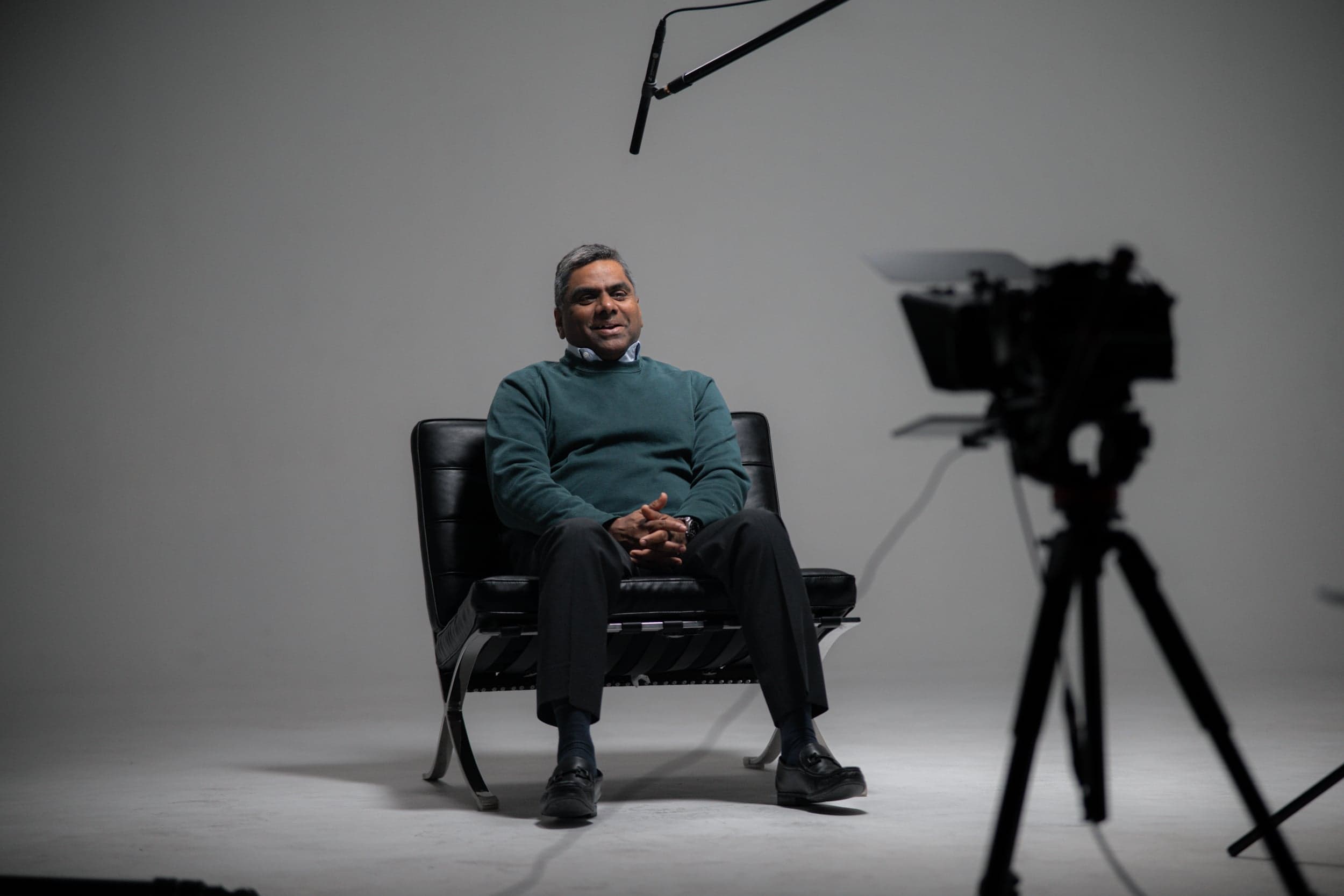
Most enterprises are navigating unprecedented complexity and volatility with operating models built for a different era.
The way information moves through the organization and the way decisions are made were designed for a more stable and predictable world. In today’s environment, those models are too slow and too fragmented to keep pace with constant disruption.
At aim10x Digital, o9’s largest annual online event, Executive Chairman, Co-Founder, and CEO Chakri Gottemukkala described this as operating in “the most VUCA environment.” In these conditions, incremental process improvements are not enough. Companies need a fundamentally different operating model that can turn “volatility into a differentiator and even a valuation driver.”
To address this need, Chakri introduced the APEX Model, Agile, Adaptive, and Autonomous Planning and Execution. APEX is not a refinement of existing processes. It is a new way of operating that enables organizations to sense change earlier, align decisions across functions, and execute with greater speed and precision.
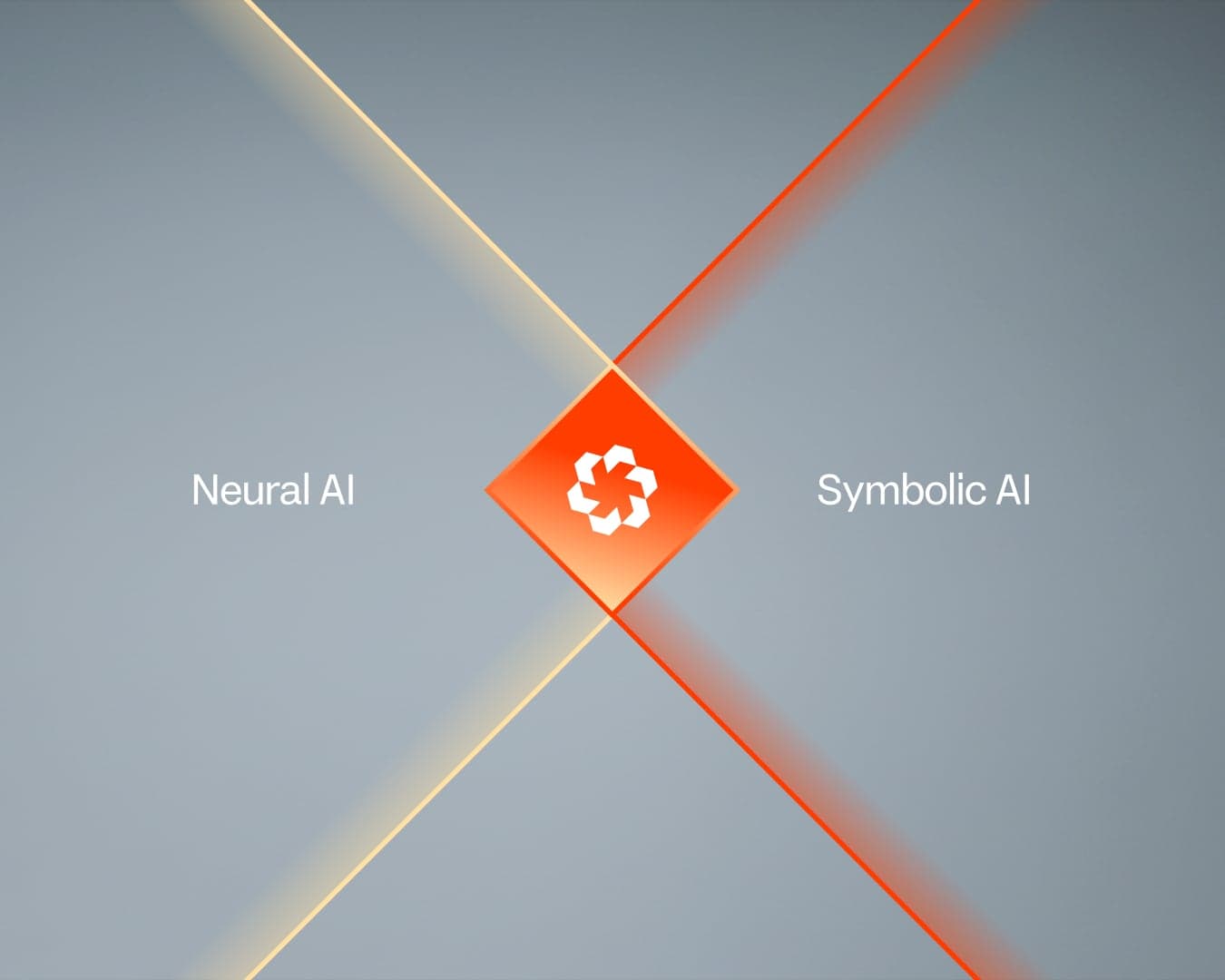
APEX is powered by neuro-symbolic AI. It combines the accessibility of large language models with the structured reasoning of o9’s Enterprise Knowledge Graph. Together, these capabilities enable scalable, context-aware, and explainable decision-making across the enterprise.
APEX's three defining attributes
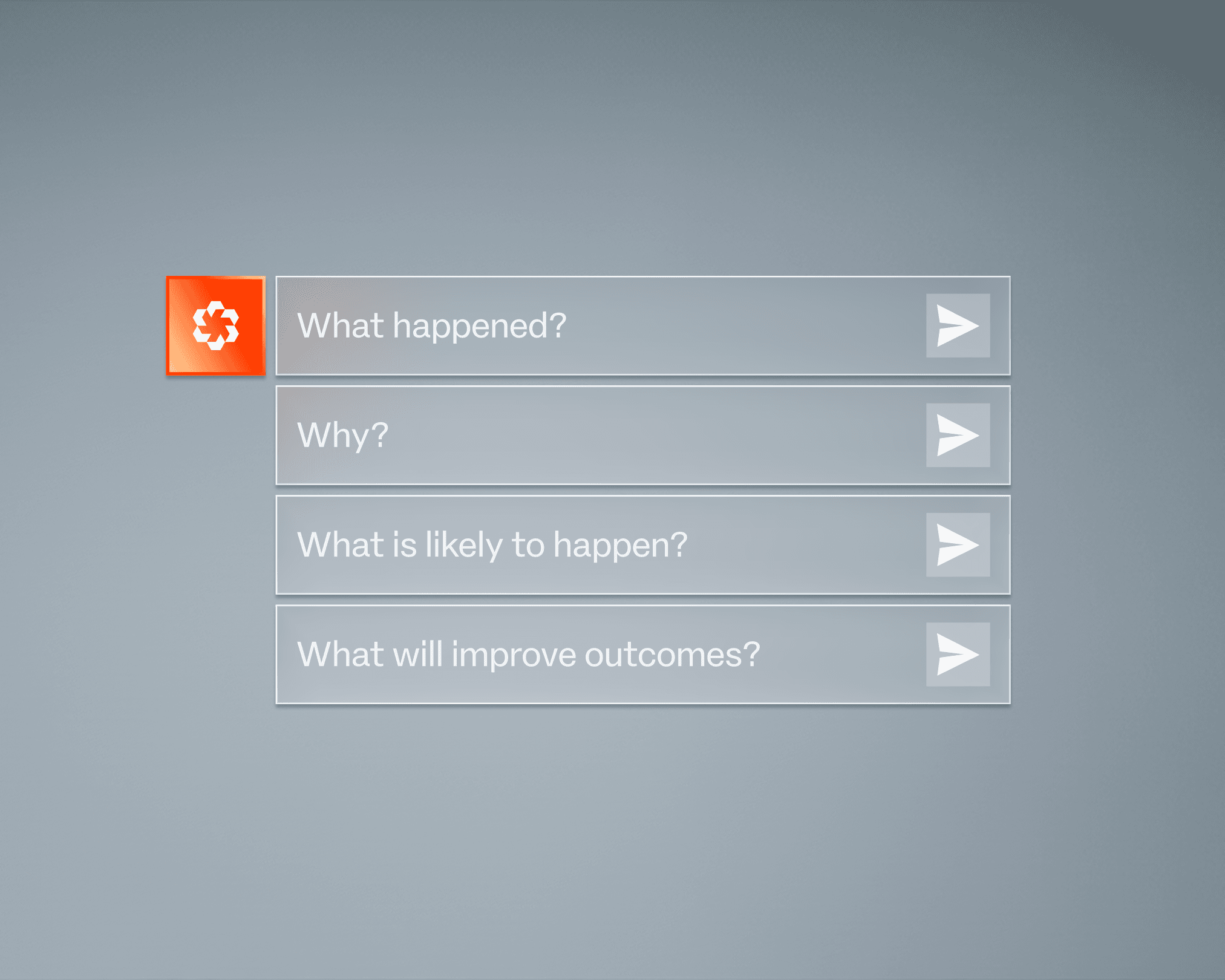
- Agile means answering the “four W’s” in real time, “What happened and why? What’s likely to happen? What action should be taken?” and synchronizing decisions across functions with minimal latency.
- Adaptive means continuously learning from plan-versus-actual gaps to eliminate value leakage across data, processes, and skills.
- Autonomous is the North Star, where routine execution decisions are increasingly touchless while humans focus on strategy and judgment.
o9 CEO's three practical actions for leadership teams to enable APEX
- Deploy Post Game Analyzer solutions. PGA institutionalizes the “why” behind performance gaps, using neuro-symbolic AI to analyze plan-versus-actual deviations and drive continuous improvement across functions.
- Establish Fast Innovation Centers of Excellence. Build in-house, digital-first capability powered by domain knowledge AI to accelerate configuration, reduce reliance on consultants, and shift innovation cycles from years to weeks.
- Leverage Industry Business Simulators. Modeled after flight simulators, these tools let teams experience APEX in action under real volatility. As Chakri said, “seeing and experience is believing,” accelerating alignment and readiness for change.
Zero100 on the human-machine supply chain

Caroline Chumakov, Principal Researcher at Zero100, spoke next, describing this moment as “a once-in-a-generation shift,” not simply because AI is advancing, but because “the nature of work itself is changing.” AI is no longer just accelerating tasks; it is “reshaping how work gets done, who does it, and how humans and machines collaborate to create value.”
The shift is already visible. Some Fortune 500 companies report deploying “15 AI agents in supply chain alone,” and hiring references to agentic AI have jumped from “1 in 600 to roughly 1 in 60” roles in just two years. As she noted, “Hiring is a leading indicator.”
From Heineken to Walmart, companies are using AI agents to “compress the distance between signal and response.” The emerging model is one of “human–machine teams” powered by coordinated “multi-agent systems.”
The implications for planners and leaders:
- For planners, as AI agents increasingly “reason, decide, and act,” routine reporting, data gathering, and basic variance analysis will fade. The role shifts toward higher-order work such as interpreting signals, stress-testing scenarios, making trade-offs, and strengthening “human–machine collaboration.” The planner becomes less a producer of plans and more a decision orchestrator within a ‘fusion team’ where domain experts and AI systems operate together.
- For leaders, this is not a layer of automation. It is a redesign of the operating model. If AI is changing “who does the work,” then decision rights, accountability, skills, and governance must evolve as well.
Leaders must intentionally design fusion teams that integrate business expertise, technology, and AI capabilities, and clarify where autonomy is appropriate and how performance is measured when machines are embedded in the workflow.
Continue the conversation at the aim10x Summits
A fundamental evolution of the operating model is underway. The presentations at aim10x Digital made clear that agility, intelligence, and autonomy are fast becoming enterprise imperatives. The next step is understanding what that shift means for your organization, and how to lead it with confidence.
To experience the APEX operating model in action, join us at:
- aim10x Europe, June 4th in Amsterdam
- aim10x Americas, September 23rd in Chicago
Across both events, you will see how leading organizations are redesigning their operating models for a volatile and complex world and what it takes to move from connected and analytical to truly agile, adaptive, and autonomous.
Value for leaders and practitioners
As a leader, you will gain practical insight into modernizing legacy models, aligning teams around faster end-to-end decision-making, and scaling AI across the enterprise. As a practitioner, you will see how AI-powered tools, real-time insights, and agentic planning can elevate your impact and shift focus from manual work to strategic value creation.
Through visionary keynotes, live agentic demonstrations, curated 1:1 networking, and focused tracks for executives and planners alike, you will leave with clear direction, meaningful connections, and actionable next steps.
Register early. Bring your team.
Attendance is free and capacity is limited. Register early, bring your team, and position your organization to lead the next evolution of the operating model.
About the authors
Brad Palm
Senior Vice President, EMEA
Brad Palm is Senior Vice President, EMEA at o9 Solutions, where he leads all sales and go-to-market strategy across the region. Previously, as Country Manager and Representative Director in Japan, he oversaw all functions—including sales, business development, presales, and marketing—driving expansion in one of o9’s most strategic growth markets. With leadership experience across the U.S., Japan, and now EMEA, Brad is known for scaling high-performing teams and delivering sustained commercial growth in complex enterprise environments.