/

/

White Paper

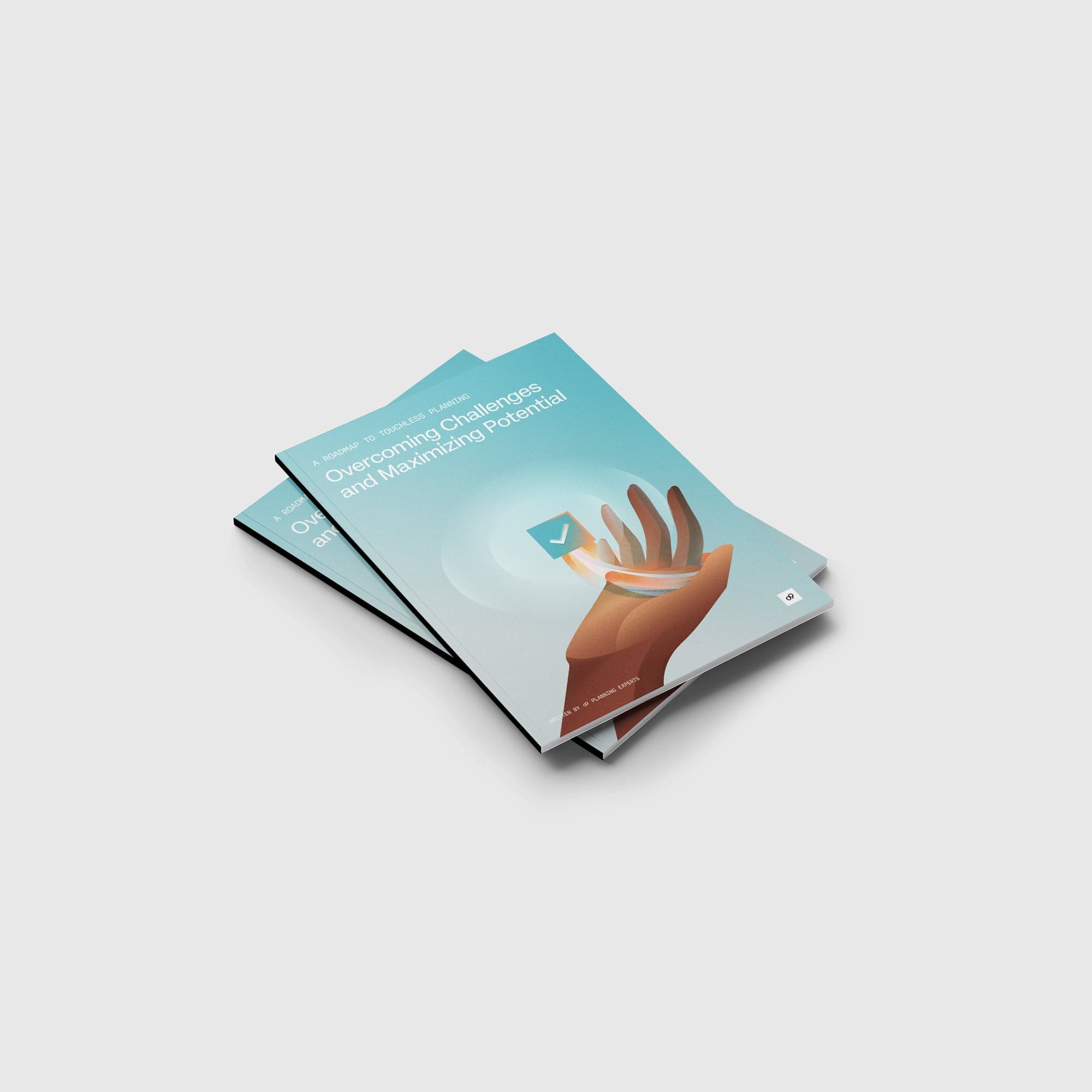
A Roadmap to Touchless Planning: Overcoming Challenges and Maximizing Potential

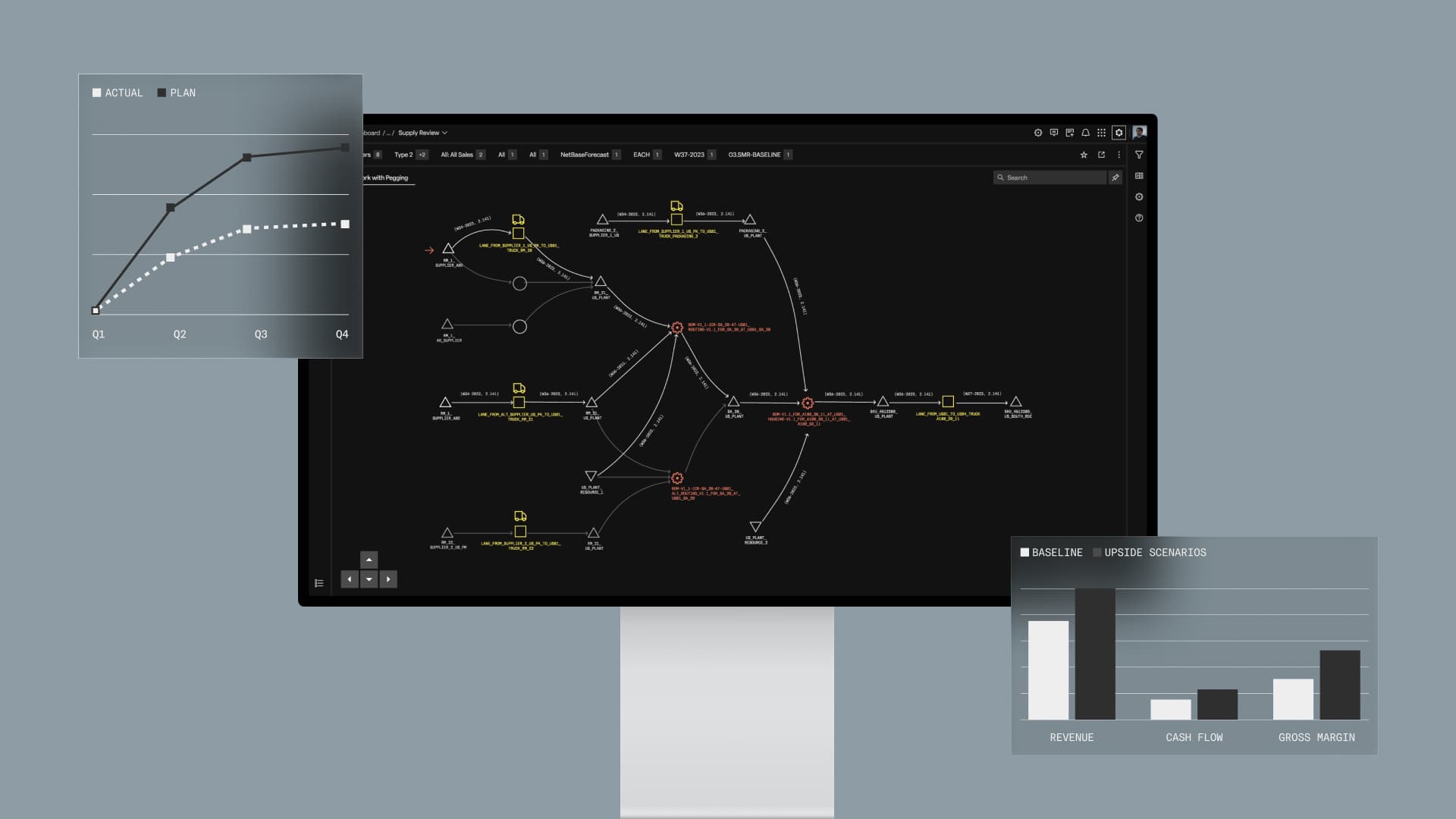
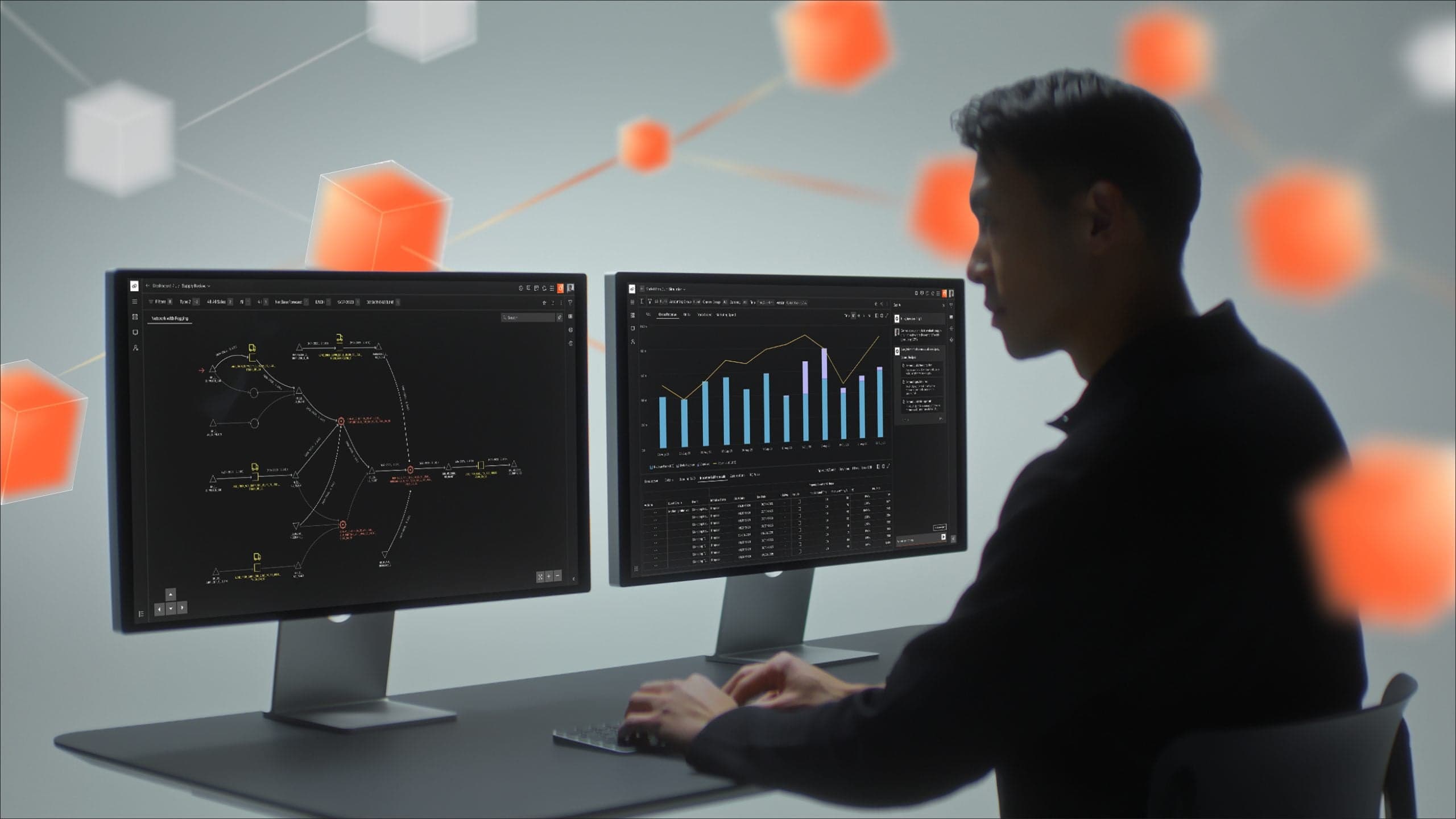
Touchless planning depends on a tightly connected system of capabilities: high-quality input data, the right level of granularity, advanced AI and optimization engines, and continuous feedback mechanisms.

These elements work together to generate accurate, explainable, and execution-ready plans, while continuously learning and improving over time.

Magneti Marelli
Nexperia
Blue Buffalo
Natura
Keurig Dr Pepper
Bass Pro Shops
Deckers Brands
Paulig
Scandinavian Tobacco Group
W.L. Gore & Associates
Tapestry
PepsiCo
Magneti Marelli
Nexperia
Blue Buffalo
Natura
Keurig Dr Pepper
Bass Pro Shops
Deckers Brands
Paulig
Scandinavian Tobacco Group
W.L. Gore & Associates
Tapestry
PepsiCo
Magneti Marelli
Nexperia
Blue Buffalo
Natura
Keurig Dr Pepper
Bass Pro Shops
Deckers Brands
Paulig
Scandinavian Tobacco Group
W.L. Gore & Associates
Tapestry
PepsiCo

UNLOCKING BILLIONS IN VALUE FOR CLIENTS IN 30+ INDUSTRIES

In this white paper, you’ll learn:

  • Traditional human-led planning vs. touchless planning

    Touchless planning is an innovative approach characterized by a high degree of automation in the planning process that reduces the need for human intervention - planners now guide the system to make the best decision on their behalf.

  • Elements of Touchless Planning in Demand Planning & Supply Planning

    Understand the six Demand Planning and six Supply Planning elements that are central to any touchless planning process, how they interact and reinforce each other within the touchless planning ecosystem.

  • Business challenges associated with transitioning to Touchless Planning

    Knowledge gaps, sifts in control, lack of regular feedback - business challenges of transitioning and adopting Touchless Planning can be a hurdle for companies, until they're identified and understood.

More companies are looking to automate their end-to-end planning processes, but for this shift to be successful, planners have to understand and accept that their workflows and involvement in decisions will change dramatically.

Simon Joiner

Director of Product Management, Demand Planning

From manual planning to autonomous execution

Shift from manual adjustments to an AI-driven system that continuously learns, improves, and executes: so planners focus only on where they add the most value.

Explore these key questions

Touchless planning fundamentally shifts the role of planners: from making decisions at the moment of truth to guiding systems that make decisions on their behalf. Instead of manually reviewing data and adjusting forecasts, planners focus on improving inputs, defining scenarios, and intervening only where they add value.

This reduces the volume of decisions planners actively manage while increasing overall efficiency, accuracy, and responsiveness across the planning process.

A Roadmap to Touchless Planning: Overcoming Challenges and Maximizing Potential


Touchless planning depends on a tightly connected system of capabilities: high-quality input data, the right level of granularity, advanced AI and optimization engines, and continuous feedback mechanisms.

These elements work together to generate accurate, explainable, and execution-ready plans, while continuously learning and improving over time.

Ultimately, various demand and supply planning elements work in concert to improve the efficiency of the planning process and the planners themselves and foster trust, ensuring the successful adoption of touchless planning systems.

Kristin Tracy

Director, Product Management Supply Planning

Discover our platform

Live Demo with an o9 Expert

Get a personalized walkthrough with an o9 solution specialist and see how to drive faster, smarter planning decisions across your enterprise.