7 read min
A commercial opportunity appears on Monday; by Tuesday, demand has shifted; and by Wednesday, a supplier risk has surfaced elsewhere in the network.
And still, in many companies, the formal S&OP process is still moving through a five-week cycle.
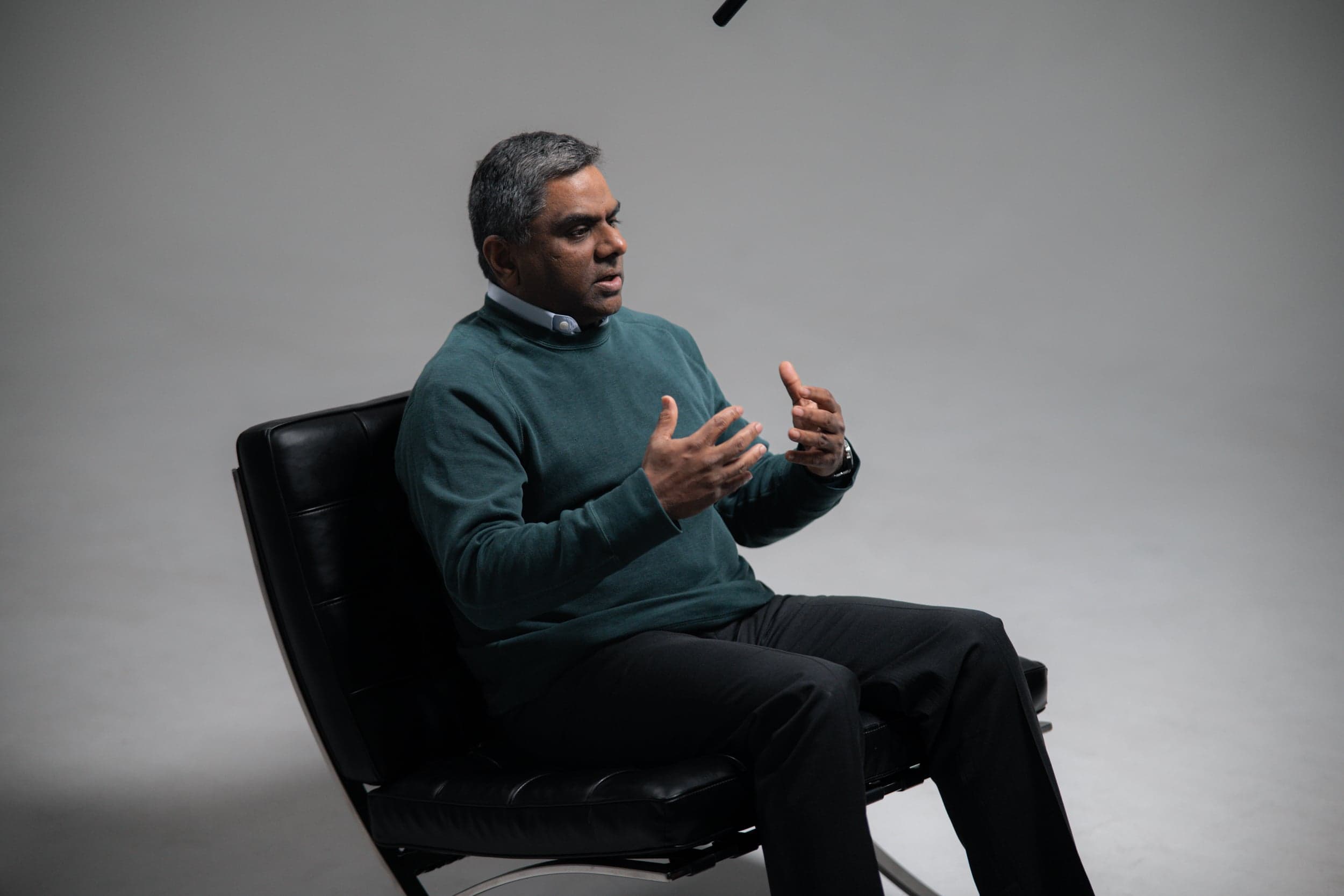
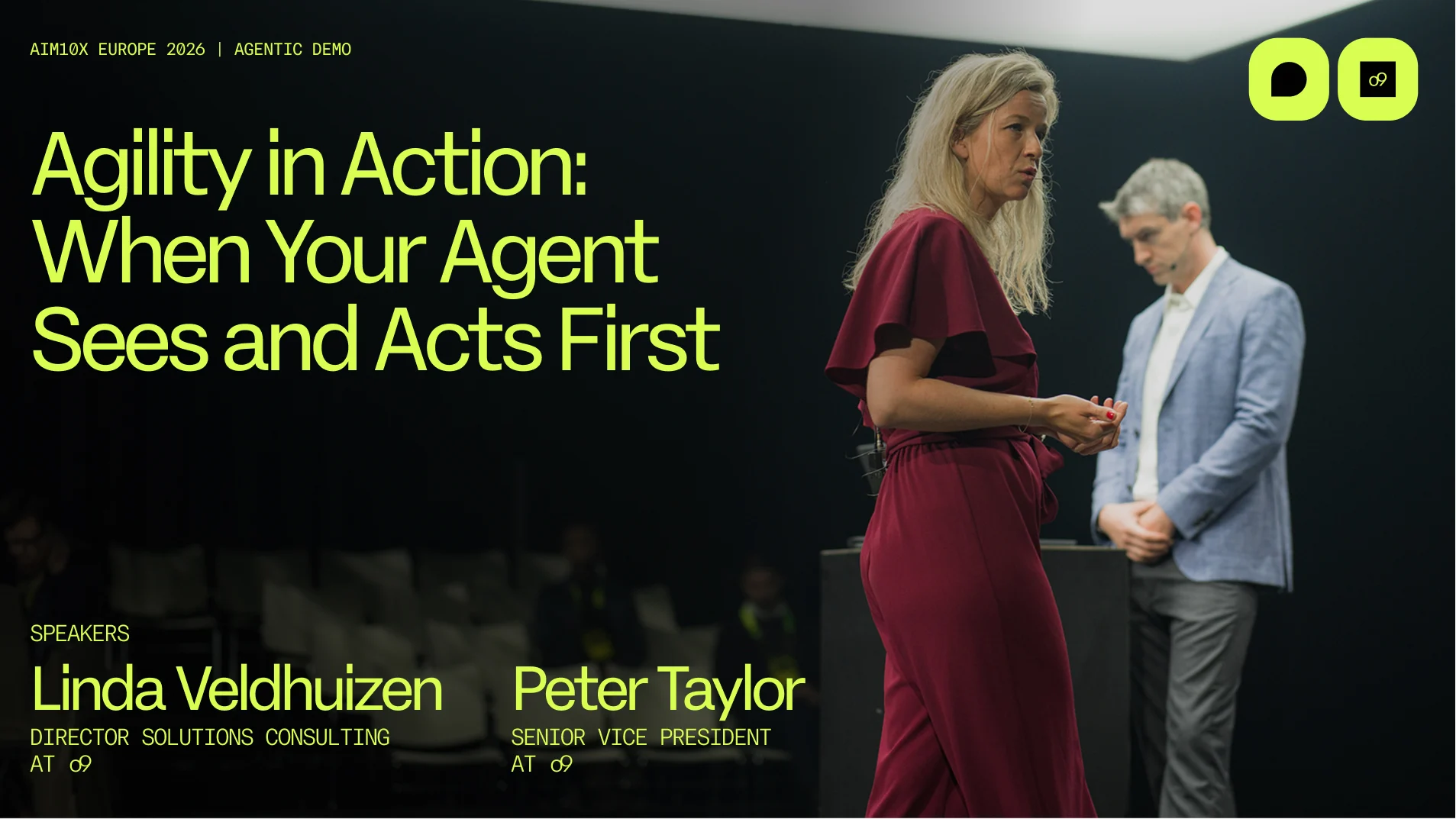
That gap between the speed of the business and the speed of the planning process is where Linda Veldhuizen, Director Solutions Consulting at o9, and Peter Taylor, Senior Vice President at o9, see one of the biggest opportunities for agentic AI.
“You are bombarded by fragmented signals which are scattered all around in a very unstructured manner,” Veldhuizen said at aim10x Europe. “And it's disconnected from your transactional systems right now. So it's very difficult to make decisions based on that.”
Together, Veldhuizen and Taylor demonstrated how o9’s agentic approach could shorten that distance between seeing a signal and deciding what to do about it.
Why reactive planning creates decision paralysis
The problem starts with fragmentation.
Important signals can sit in meeting transcripts, emails, external systems, and transactional data. Teams may know there are risks and opportunities emerging, but lack a structured way to bring them together.
Taylor describes the result as “decision paralysis.”
“You don't have all the facts, you don't have all the structure around those risks and opportunities,” he said. “So what's the result? You don't do anything with those risks and opportunities.”
Then comes manual reconciliation.
Teams spend time assembling information, performing analysis, and handing the plan between functions.
Each handoff adds latency.
The pressure to move faster can even reinforce the problem, because individual functions optimize their part of the process without necessarily understanding the wider trade-offs.
“In order to go fast, we are optimizing the silos,” Taylor said.
One connected plan, but still a sequential process
The o9 platform already connects demand, supply, and finance within one planning environment.
Veldhuizen described integrated business planning in o9 as “one single connected plan,” with demand, supply, and financial plans unified through a common data model and grounded in the Enterprise Knowledge Graph.
That connection allows planners to move from a financial outlook into demand, supply, capacity, and material constraints without rebuilding the plan in separate systems.
But Taylor identified another opportunity.
Even when the data and plans are connected, the planning process itself can remain sequential.
A demand expert may work in one part of the system. A supply expert works in another. Different specialists analyze different elements of the plan, then pass their conclusions along through a traditional S&OP calendar.
“The problem there is also we fall into very sequential type of planning as we hand off between those experts and following the kind of the classic S&OP calendar that takes a five-week cycle,” Taylor said.
Agentic AI offers a way to reduce that dependency on sequential analysis.
Asking for the current plan instead of waiting for it
Taylor and Veldhuizen demonstrated an S&OP coordination agent designed to let users engage with the plan directly.
An executive, for example, no longer has to wait until the final stage of the monthly cycle to understand the current business outlook.
They can ask the agent to generate the current S&OP run.
The agent uses natural business language as the interface, then draws on the symbolic layer underneath it: the enterprise data, plans, rules, and processes already represented in o9.
“If you think about today, you're waiting multiple weeks for your teams to put together that analysis and plans to come back to the executive and tell them what the current plan looks like,” Taylor said.
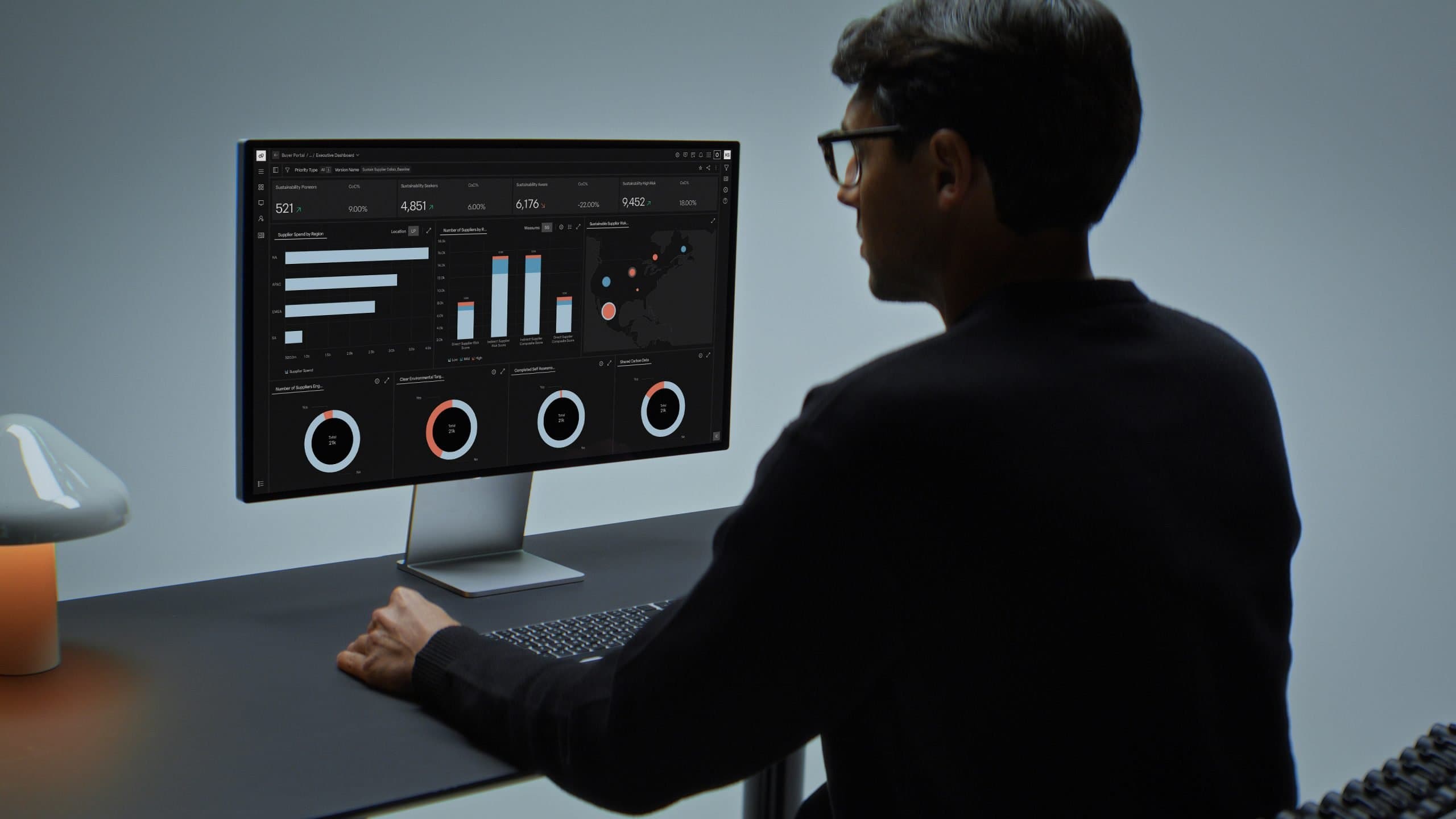
The agent can instead return a digest of the current situation, including revenue performance, gaps to plan, margin, time periods, regions, and product categories.
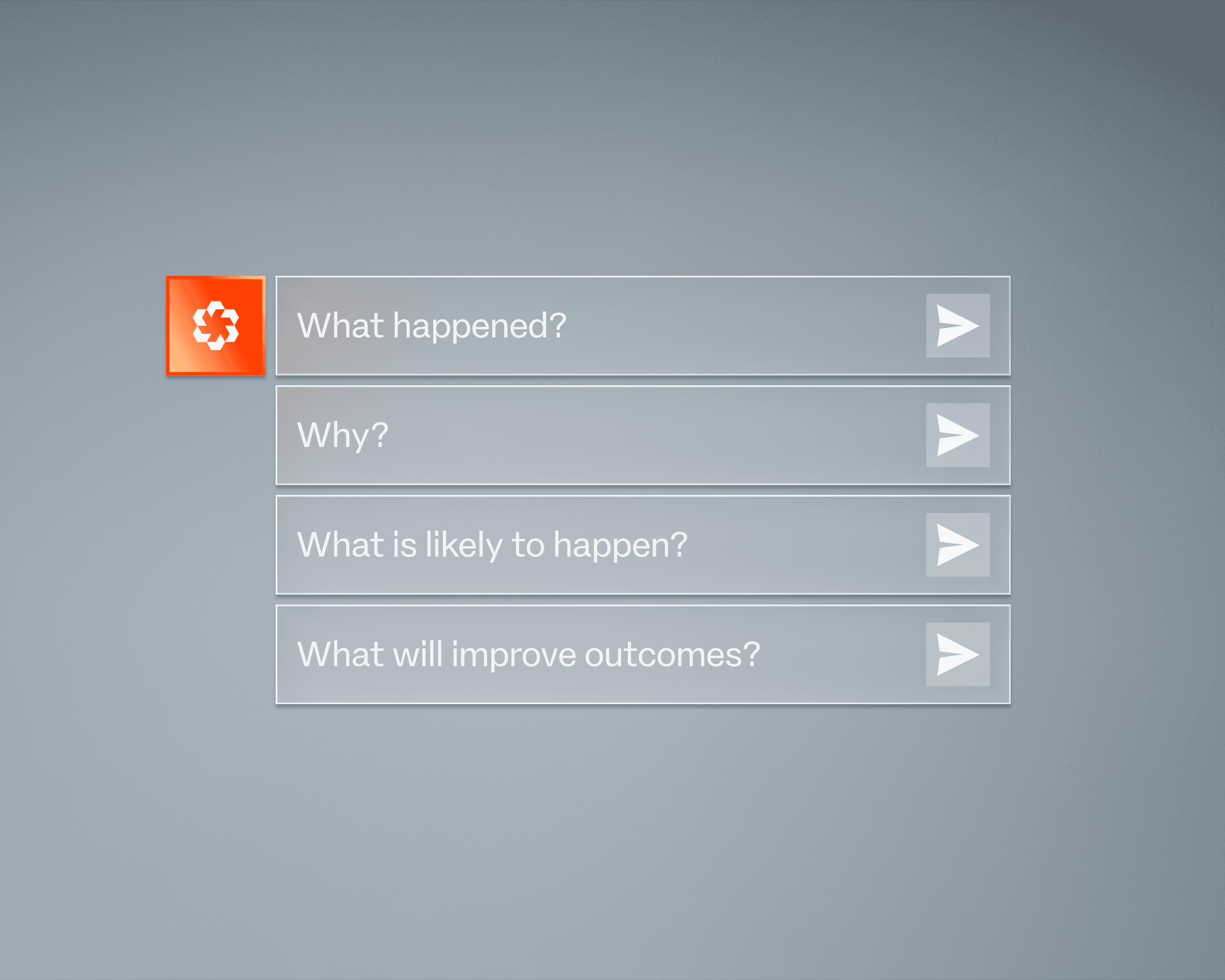
That allows the user to start with a simple question: where is the problem?
Understanding whether the plan can be trusted
Seeing a gap is only part of the task.
The next question is how much confidence the business should place in the plan itself.
Veldhuizen demonstrated how the agent can move from financial outcomes into operational KPIs.
Forecast accuracy can be assessed alongside forecast value add, showing whether human adjustments improved the system-generated forecast or made it worse.
In the example shown, some human interventions had actually reduced forecast accuracy.
“There were manual management adjustments, which degraded the forecast accuracy,” Veldhuizen said. “So this is also the agent telling me how to fix them.”
That creates a different role for AI in planning.
The agent is not simply summarizing the plan. It can also analyze the health of the process that produced it.
That matters as organizations move toward more touchless planning, where routine interventions are increasingly automated, and planners focus on exceptions.
Connecting financial gaps to operational reality
A plan may look healthy at an aggregate level while hiding risks underneath.
In the demonstration, supply supportability appeared to be at 100%.
But deeper analysis showed inventory accumulating in one location while another had dangerously low stock. Some production lines were also operating at maximum capacity.
The agent connected those operational signals back to the financial risk.
“So we saw from the beginning, there are financial risks out there, but we're also having some operational bottlenecks,” Veldhuizen said.
This is where Veldhuizen sees agility becoming more important.
“True agility is actually having understanding about how I can potentially act on this without 100% of the details currently clear,” she said.
The signal may appear before every fact is available.
The challenge is to structure enough of that information to begin evaluating the response.
Turning unstructured signals into corporate memory
Many of those signals never begin in a planning system.
They appear in meetings, emails, conversations, or external sources.
Veldhuizen showed how o9 can take that unstructured information and link it to business entities in the Enterprise Knowledge Graph.
“What o9 is doing is actually it's creating a corporate structured memory out of that, by taking that unstructured data and linking it to the business entities in the EKG,” she said.
A discussion about a possible market expansion or new customer tender can therefore become part of the planning context.
The agent can identify the opportunity, connect it with the current business plan, and assess whether pursuing it could help close a financial gap.
Testing the opportunity before committing to it
The commercial opportunity is only one side of the decision.
Before spending time pursuing a new customer or market, the business also needs to know whether the supply chain can support it.
Taylor demonstrated how the agent can add a potential opportunity into the plan, create a new upside scenario, identify capacity constraints, and evaluate different mitigation options.
The agent then scores those scenarios and provides recommended actions.
“It’s identified a constraint, but it's also worked through then different mitigation scenarios and resolutions and then come back and score those different scenarios,” Taylor said.
That gives the commercial team visibility into supply feasibility before committing significant effort to the opportunity.
It also connects a commercial decision directly with capacity, cost, profitability, and operational consequences.
Keeping the human in the decision
The demonstration also drew a clear line around what the agent should not decide.
One scenario may maximize revenue. Another may protect margin. A third may perform better against sustainability priorities.
The right answer depends on the company’s strategy.
“This is where the agent stops between making those decisions for you,” Taylor said. “Because in the end of the day, which scenario you follow through is a business decision.”
The agent can calculate trade-offs, recommend options, and score scenarios against an agreed framework.
The final decision remains with the business.
That human-in-the-loop model allows AI to accelerate analysis without assuming that every strategic trade-off can be automated.
From reporters of the past to decision-makers in real time
At the end of the demonstration, the agent turned the analysis into a digest and presentation that could be shared with the wider commercial organization.
The entire chain of work, from identifying the gap to evaluating an opportunity, testing supply feasibility, comparing scenarios, and preparing the narrative, had happened within the same interaction.
Veldhuizen described the shift as moving “from fragmentation to agentic orchestration.”
“What you have seen today is completely eliminating that planning lag,” she said. “o9 is breaking the traditional silos from the commercial team to manufacturing, to logistics, by connecting them all together.”
The aim is ultimately to change where planners and business teams spend their time.
“Ultimately, this is shifting your teams away from being the reporters of the past news into high agency decision makers who can drive proactive decisions in real time.”
About the authors

The Editorial Team, o9
A multidisciplinary collective of editors, strategists, technologists, and former executives with experience across Fortune 500 companies and top consulting firms. Grounded in o9’s mission to help enterprises make faster, better decisions through the power of AI-driven planning and execution software, the team shares clear, practical insights on digital transformation, supply chain, and enterprise planning to support business leaders in navigating complexity and driving change.