6 read min
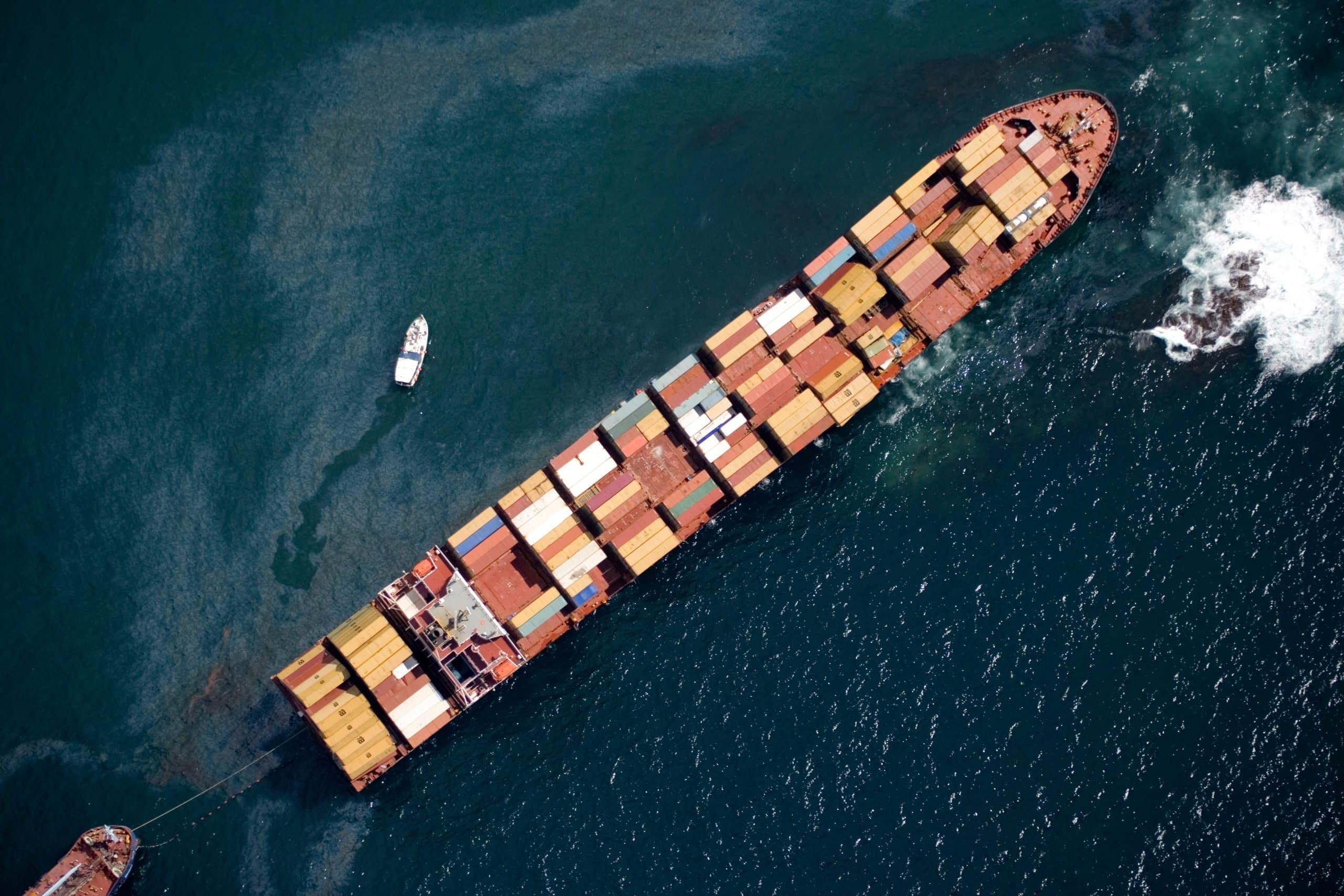
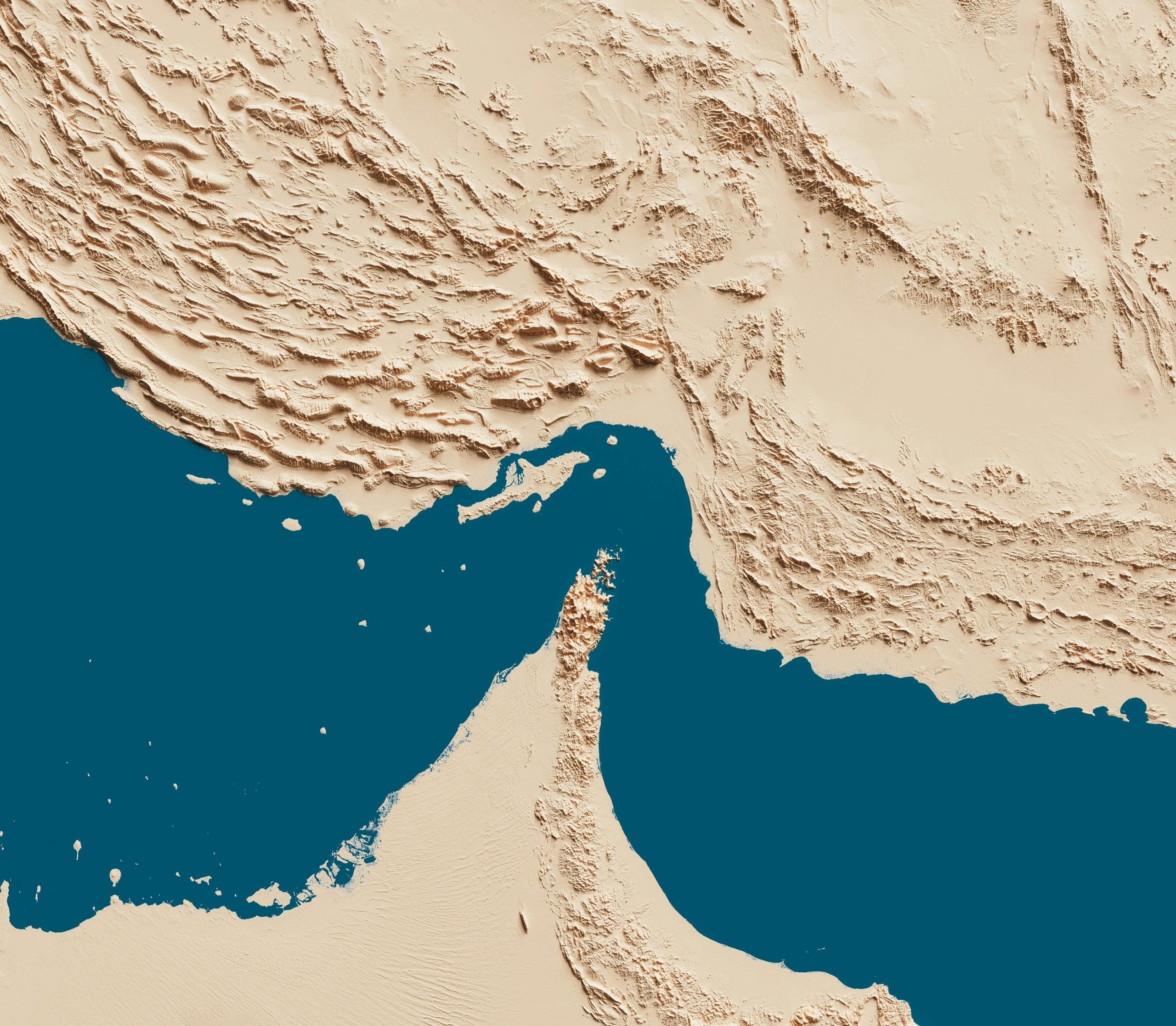
Every time tensions rise around the Strait of Hormuz, the same headlines appear: oil spikes, tankers reroute, markets get nervous. For a CSCO, the useful exercise isn't debating whether it matters; roughly a fifth of global petroleum liquids and a large share of LNG (Liquid Natural Gas) move through that strait, so it matters by definition. The useful exercise is walking through exactly what happens to your P&L on a timeline, what similar shocks over the last six years already taught the profession, and what to do this quarter if you haven't already.
What Actually Happens: On a Timeline, With Numbers
- Day 0–2: Cost, not supply, moves first.Before a single shipment is delayed, fuel surcharges and freight rates move. In past Gulf tension spikes, spot freight rates on affected lanes have jumped 10–20% within days, and Brent has moved 5–10% in a single trading session. For a company spending €200 million a year on logistics, a 15% rate increase is €30 million of added annualized cost before a single supplier has reported a problem.
- Day 3–30: The cost shock becomes a supply shock, starting with the cheapest parts.Petrochemical feedstock prices move first, and resin, packaging film, lubricants, and specialty chemicals follow within weeks. This is where the semiconductor crisis lesson applies directly: it is never the expensive part that stops the line. A €2 gasket or a €5 kg of resin, sourced from a supplier who is now rationing output or repricing on short notice, can halt a production line making a €100,000 unit. Procurement teams typically see the first cost-increase requests from Tier-2 and Tier-3 suppliers in this window, not from Tier-1.
- Day 30–90: The exposure becomes visible at the P&L line, and it's usually bigger than the initial estimate.By this point, the conversation moves from "which supplier is short" to "which revenue is at risk." In the Red Sea rerouting of 2024, container lines diverting around the Cape of Good Hope added roughly 10–14 days of transit time and meaningfully more fuel burn per voyage. These are costs that showed up in quarterly freight lines, not in a single dramatic event. A Hormuz closure would compress a similar magnitude of cost and delay into a shorter window, hitting energy-intensive inputs specifically.
What We Already Learned, and Where It Applies Here
- COVID (2020–21): Visibility without response speed is a wasted investment.Companies that had mapped their Tier-2/3 suppliers before COVID weren't meaningfully faster to react than companies that hadn't, unless they had also pre-agreed decision rights, i.e., who can approve an emergency buy, re-route production, or accept a substitute spec without a two-week sign-off chain. The lesson for Hormuz: mapping your Gulf-region exposure now is necessary but not sufficient. Decide today who is authorized to act on day one of a closure, for what dollar threshold, without further approval.
- The 2021 semiconductor shortage: small, cheap components create the largest production risk.The shortage wasn't in expensive parts; it was in low-value components that nobody had bothered to dual-source because they were cheap and "never a problem." Apply this directly: pull the list of materials with Gulf-region or Gulf-adjacent energy-intensive production (petrochemicals, certain resins, fertilizers, and some metals processing) and check which ones are single-sourced, regardless of their unit price. Unit cost is a bad proxy for criticality.
- Suez Canal blockage (2021, six days): short chokepoint closures are absorbable if inventory covers the gap.Companies with 30+ days of coverage on affected SKUs barely noticed the six-day blockage. Companies running lean, high-velocity inventory on the same routes took markdowns and expedited-freight costs that erased months of savings from the lean strategy. The lesson here is to know your inventory coverage in days of production, by factory and product line, not in euros of inventory value, which tells you nothing about how long you can run.
- Red Sea disruptions (2023–ongoing): rerouting costs compound quietly over months; they don't spike once.Unlike a single-day price shock, a sustained chokepoint disruption shows up as a steady drag on margin (added transit days, higher fuel burn, and capacity tightness) that pushes up spot rates for everyone, not only the shippers directly affected. A Hormuz closure lasting weeks rather than days would likely follow this pattern on the energy side: a persistent cost increase across the whole cost base, not a one-time hit you can absorb and move past.
What Can Be Applied Now
Three types of action, matched to what actually happens at each stage above.
For the Day 0–2 cost shock (financial/contractual tools, deployable immediately):
- Fuel and freight hedges, or at a minimum, a documented view of what percentage of freight spend is hedged versus floating
- Cost pass-through or price-adjustment clauses in customer contracts for energy-linked inputs
- War-risk insurance coverage review for any ocean freight touching the Gulf
For the Day 3–30 supply shock (sourcing and inventory, needs to exist before the event):
- A list of the ten materials, by production-stopping potential, not spend, that would halt your most critical lines, cross-referenced against Gulf-region or energy-intensive production
- Inventory coverage in days, by factory and product family, for that same list
- A second qualified source for the ones on that list, where a second source is physically possible (not all of them will be; some petrochemical derivatives genuinely have few producers)
For the Day 30–90 P&L exposure (governance, needs pre-agreed authority):
- A pre-agreed revenue-at-risk calculation method (which customers, which contracts, which margin) that doesn't need to be built from scratch during the crisis
- Named decision-makers with pre-approved authority to execute substitution, reallocation, or emergency sourcing above a set dollar threshold without new sign-off
Similar Risks Are Already on the Horizon
Hormuz is not an isolated scenario, and it will not be the last one shaped like this. Taiwan Strait tensions carry the same "everything, everywhere, at once" character for advanced semiconductors that Hormuz carries for energy; a closure or blockade would compress years of chip supply planning into weeks.
Chinese export controls on rare-earth elements and processing, tightened repeatedly over the past two years, sit on the same single-region dependency as Gulf oil, just for magnets, motors, and electronics instead of fuel.
Panama Canal drought-driven restrictions have already shown that a chokepoint doesn't need a geopolitical trigger to bite - reduced transit slots in 2023–24 pushed freight onto longer, costlier routes for months.
European gas dependency on a small number of pipeline and LNG sources, exposed sharply in 2022, is the same structural pattern again: high efficiency, low redundancy, one disruption away from a cost shock that spreads across the entire industrial base.
The news on the Strait changes every week. The good news is: none of the above requires waiting for the strait to actually close. Every one of these five items is answerable today, using data most CSCOs already have sitting in procurement, logistics, and finance systems that often simply haven't been asked these specific questions yet.

About the authors

Falko Feldchen
VP, Procurement Solutions
Falko Feldchen brings over 25 years of expertise to the field of supply chain planning and supplier collaboration. His experience spans diverse industries, including Industrial Manufacturing (IM), Fashion and Consumer Packaged Goods (CPG). Falko has held various roles, from product management to delivery and sales, while closely engaging with global customers. Especially his contribution in regards of effective supplier onboarding enabled companies to succesfully transform the way they collaborate with their multi tier trading partners.