10 read min
TL;DR: Supplier risk management is how companies identify and respond to threats from the suppliers they depend on, before those threats disrupt production or erode profit. Most companies monitor their direct suppliers reasonably well but have almost no visibility into the suppliers behind them, which is where most serious disruptions begin. Real-time monitoring, multi-tier mapping, and AI-powered alerts are the tools that close that gap. This guide explains how.
In 2024, nearly 80% of organizations experienced at least one supply chain disruption, with third-party supplier failures as the leading cause. For many companies, it wasn't a single incident. McKinsey's research on global value chains found that supply chain disruptions cost the average company 42% of one year's profit over a decade. The losses don't arrive in one dramatic hit. They build through delayed deliveries, emergency air freight, overbuilt inventory, and missed sales.
What makes this difficult to accept is that many of those losses were foreseeable. The warning signals were there in supplier financial reports, in geopolitical news, in weather data, and in regulatory filings. The problem was that no one was connecting those signals to specific suppliers in the network quickly enough to act on them.
That's the gap supplier risk management is designed to close.
What Is Supplier Risk Management?
Supplier risk management is the process of tracking threats that could stop your suppliers from delivering what you need, when you need it, and taking action before those threats reach your business.
Those threats take many forms: a key supplier running into financial difficulty, a factory in a politically unstable region being forced to close, a component that fails a safety inspection, or a regulatory change that makes a supplier non-compliant overnight. Supplier risk management means having visibility into all of those possibilities across your supplier network, and having a plan to respond quickly when something changes.
McKinsey's 2025 supply chain risk survey found that 62% of companies currently rate global supply chain risk as "high" or "very high," with 68% expecting conditions to worsen over the coming year. Tariffs alone now affect 82% of supply chains worldwide, a figure that would have seemed remarkable five years ago.
Why Most Companies Are Still Exposed
Most companies believe their supplier risk management is solid because they monitor their direct, or Tier 1, suppliers closely. The real exposure lies further back in the chain, with the suppliers their suppliers depend on, and very few companies can see that far.
McKinsey's 2025 supply chain risk survey found that while 95% of companies have reasonable visibility into Tier 1 supplier risks, that number falls to just 42% for Tier 2 and beyond. McKinsey's 2024 survey puts the picture even more starkly: only 30% of senior supply chain executives said they have genuinely good visibility past their first tier of suppliers. Given that a component shortage, a factory fire, or a financial collapse at a Tier 2 or Tier 3 supplier can halt production just as effectively as a problem with a direct supplier, that's a substantial blind spot.
DnB's analysis of the multi-tier visibility gap found that while 58% of companies have mapped their Tier 2 suppliers, fewer than half of those maintain any regular direct contact with them. Mapping a supplier on a spreadsheet and actively monitoring them are two very different things. BCI's Supply Chain Resilience Report 2024 illustrates the cost of that exposure: 30% of supplier disruptions cost companies more than $5 million each, and 16% cost more than $10 million per event. Most of those disruptions didn't start at Tier 1.
The 5 Types of Supplier Risk You Need to Monitor
Supplier risk doesn't arrive in a single form. A monitoring programme that only watches one category will miss most of the problems that matter. There are five areas that any serious approach needs to cover.
Financial risk is what happens when a supplier runs into money problems. A manufacturer that can't pay its own raw material suppliers will stop receiving deliveries. A distributor carrying too much debt may cut corners on quality or reduce headcount to manage costs. Monitoring a supplier's financial health, including cash flow, debt levels, and credit ratings, gives early warning of problems that might still be months away from reaching your production line.
Operational risk covers anything that physically prevents a supplier from producing or delivering. Factory fires, floods, equipment failures, and labour strikes all fall here. These events can appear without warning and are often unrelated to a supplier's financial health, which is why operational monitoring needs to run alongside financial monitoring rather than replacing it.
Geopolitical risk has grown sharply since 2020. Trade restrictions, tariffs, sanctions, and political instability can cut off a supply source with very little notice. McKinsey's research on the new tariff landscape found that 29% of production costs are now affected by tariffs introduced since 2025 for some companies, making this one of the fastest-growing categories of exposure.
ESG and compliance risk covers situations where a supplier is found to be in breach of environmental, social, or governance standards. This includes regulatory failures, forced labour in the supply chain, carbon reporting obligations, and product safety requirements. With regulations like the EU's Corporate Sustainability Reporting Directive (CSRD) and the US Uyghur Forced Labor Prevention Act now in force, non-compliance at a supplier can create direct legal liability for the buyer. Understanding how supplier risk management and collaboration connect is increasingly important in managing this category.
Cyber risk is the newest category to enter mainstream supply chain thinking. A cyberattack on a supplier can disrupt their operations directly, but it can also expose your company's data if that supplier has access to your systems. Moody's analysis of 2025 supply chain risk trends identifies third-party cyber exposure as one of the fastest-growing threats companies currently face.
Why Tier 1 Visibility Is No Longer Enough
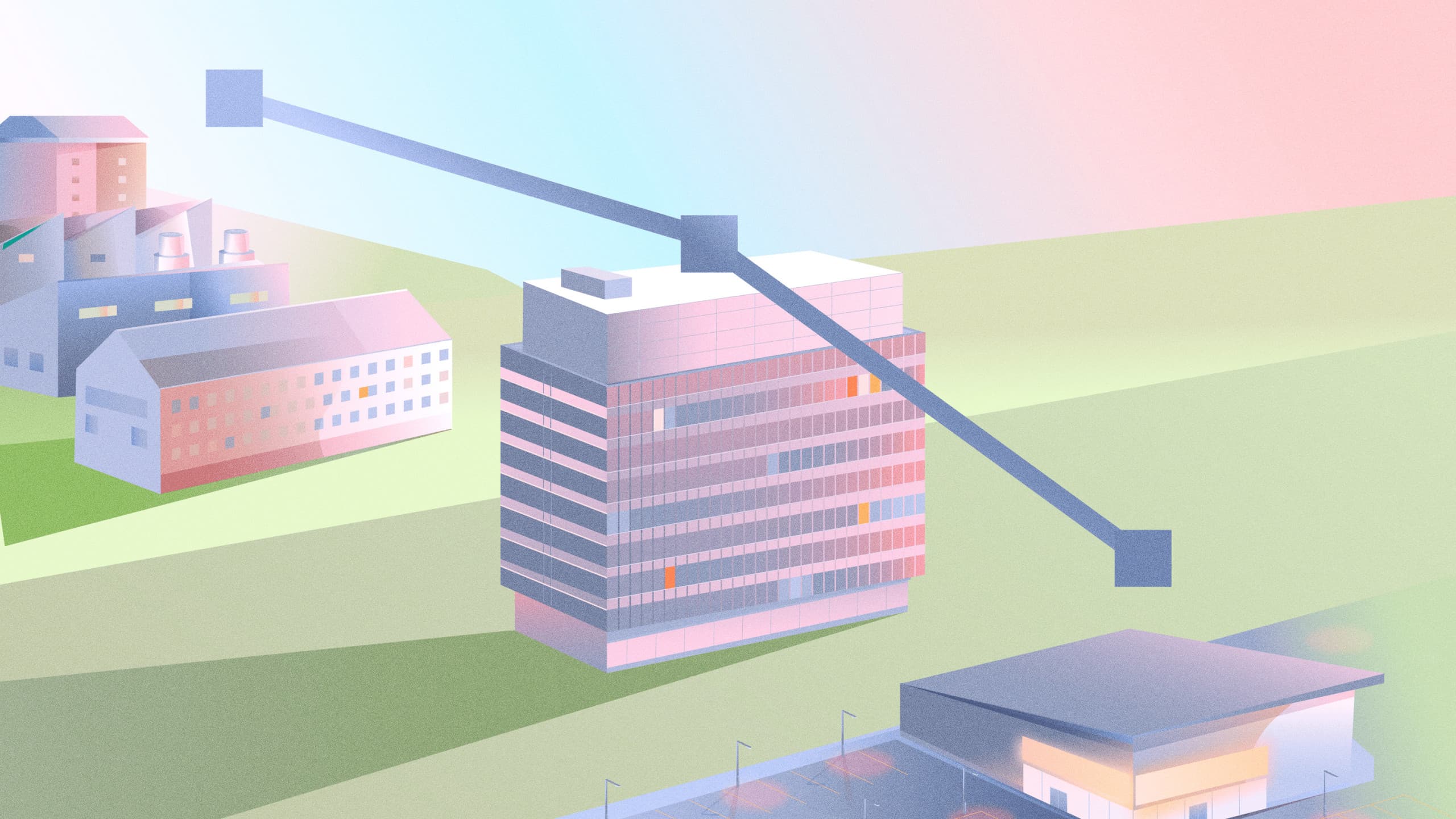
Tier 1 suppliers are the companies you buy from directly. Tier 2 suppliers are who your Tier 1 suppliers buy from. Tier 3 suppliers are who those companies buy from. Most organisations have contracts with and real visibility into their Tier 1 base. Beyond that, the picture gets murky fast, and that's where many of the most damaging disruptions begin.
When a Tier 2 or Tier 3 supplier fails, the ripple usually reaches the buyer far too late to act on it. A Tier 1 supplier notifies the buyer that they can't deliver. The buyer then discovers the problem started several tiers back, weeks or months earlier, at a point when finding an alternative source or building strategic stock was still possible.
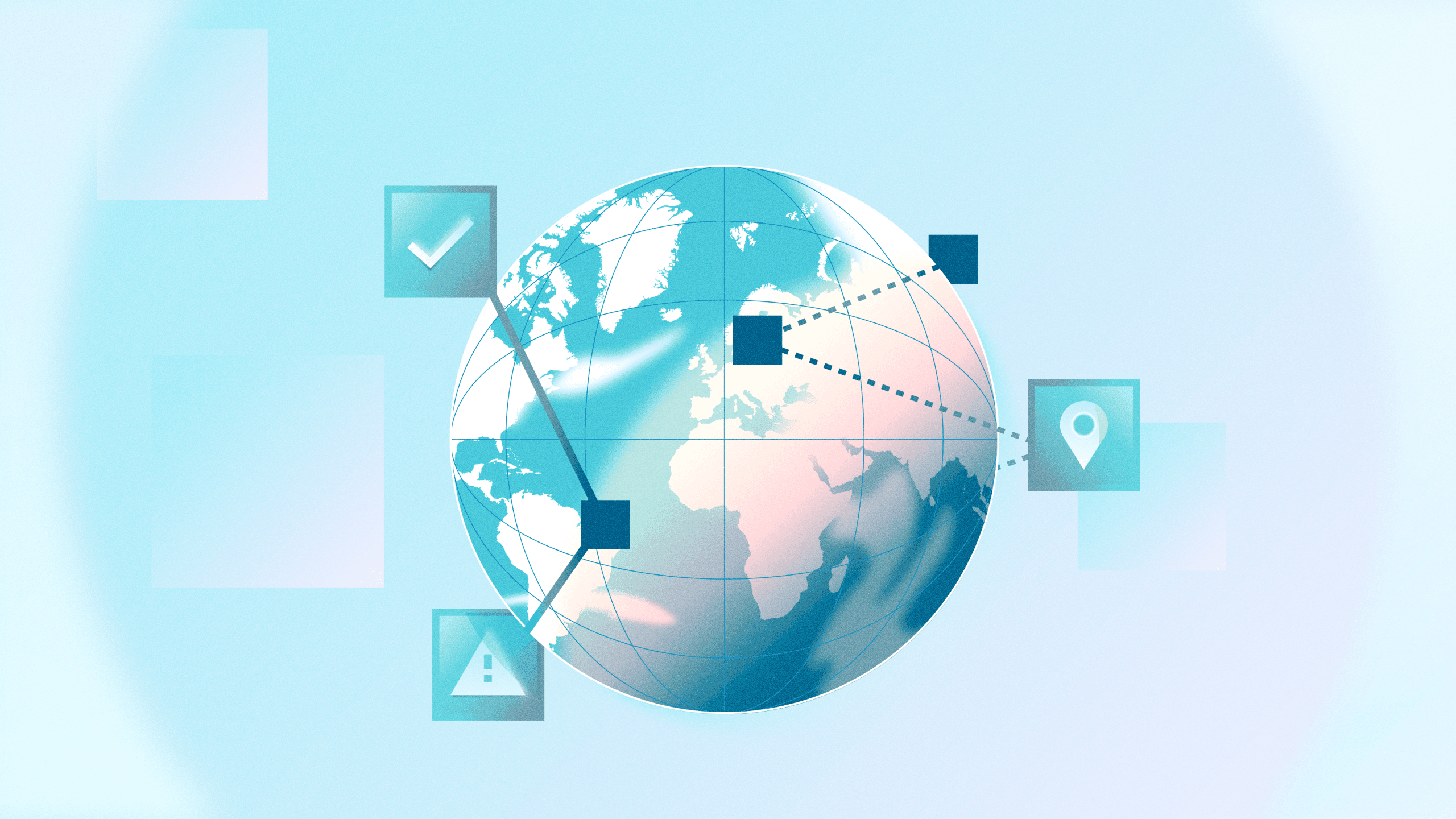
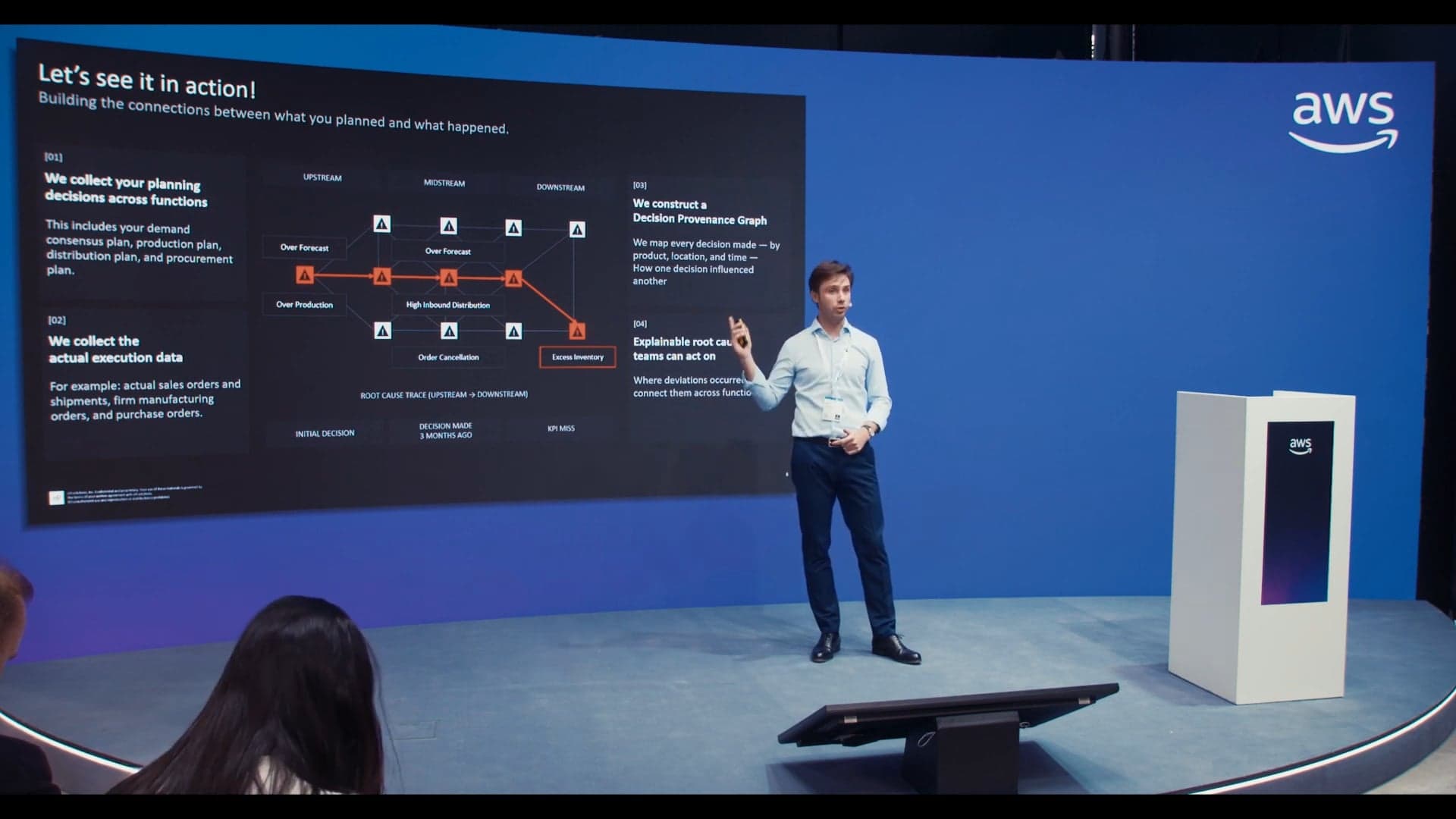
The o9 multi-tier risk management approach addresses this by modeling the full supplier network using graph technology. Graph technology works by mapping every relationship between every entity in the chain rather than simply listing suppliers level by level. When a risk signal appears anywhere in that network, the platform shows immediately which finished products are affected, which customers those products serve, and what the financial exposure looks like in terms of revenue and profit at risk.
That depth of visibility changes supplier risk management from a reactive exercise, responding after the damage is done, into a proactive one, acting on a warning before it reaches the factory floor.
How AI and Real-Time Monitoring Change the Picture
Traditional supplier risk management relied on periodic audits: a structured review of a supplier's performance and financial health every six or twelve months. The problem is that most risks don't wait for audit schedules. A factory can flood in January. A government can impose new trade restrictions in March. A supplier can file for insolvency protection in June. By the time the next scheduled review arrives, the damage may already be done.
Real-time monitoring changes this by watching for risk signals continuously, across hundreds of data sources simultaneously, and alerting teams the moment something relevant shifts. AI improves on that further by doing two things that are beyond the scale of human teams: automatically connecting risk signals to specific suppliers in the network, and translating those signals into financial impact.
The o9 supplier risk management solution monitors over 200 risk categories in real time, covering geopolitical events, financial indicators, weather disruptions, labour disputes, regulatory changes, and ESG compliance signals. When a risk appears, the platform maps it to the affected suppliers and calculates the potential impact on production, revenue, and margin. Teams can then run scenario planning, modelling different possible responses and their likely outcomes, before committing to a course of action.
For situations requiring a coordinated response across multiple teams and suppliers, collaborative war rooms bring internal stakeholders and affected suppliers into a shared workspace to resolve the issue together.
What Good Supplier Risk Management Delivers
Companies that build a systematic approach to supplier risk management see the benefits in several places.
The most immediate is on disruption costs. Fewer emergencies mean less air freight, fewer last-minute spot purchases at premium prices, and less unplanned production downtime. Given that 30% of supplier disruptions cost more than $5 million each, earlier warning translates directly into financial protection.
The second is on sourcing decisions. When a supplier's financial health, compliance record, and operational stability are visible in real time, procurement teams can make better calls about where to concentrate spend, where to diversify, and where to develop backup sources. Risk data becomes part of every sourcing conversation rather than something reviewed separately once a year.
The third is on regulatory readiness. ESG reporting requirements are tightening across most major markets. Companies with live supplier risk and sustainability data already flowing through their systems will meet those requirements far more easily than those who need to collect it manually when deadlines arrive.
Where supplier risk management integrates directly into broader supply chain planning also matters. Risk data that sits in a separate compliance system never reaches the planners who could act on it. When it feeds into capacity, inventory, and sourcing workflows, risk becomes a factor in daily decisions rather than an annual review.
Conclusion
Supply chains have always carried risk. What's changed is the speed at which risks materialise and the number of tiers from which they can originate. A company with clear Tier 1 visibility but little beyond that is monitoring perhaps a third of where its real exposure sits.
The shift from periodic audits to continuous, AI-powered monitoring across the full supplier network is where the biggest improvement comes. Catching a problem at a Tier 2 supplier six weeks before it becomes a production stoppage is worth far more than managing the crisis after it arrives.
Frequently Asked Questions
What is the difference between supplier risk management and supply chain risk management?
Supply chain risk management covers the full range of risks across an entire supply chain: demand volatility, logistics disruptions, natural disasters, and much more. Supplier risk management is a specific part of that, focused on risks that originate with individual suppliers: their financial stability, operational reliability, compliance record, and ability to deliver on time. Supplier risk management feeds into the broader supply chain risk picture but starts with the companies you depend on directly.
What are the most common types of supplier risk?
The five main categories are financial risk (a supplier running into cash flow or solvency problems), operational risk (factory disruptions, equipment failures, labour disputes), geopolitical risk (tariffs, sanctions, trade restrictions), ESG and compliance risk (regulatory breaches, environmental violations, forced labour), and cyber risk (attacks that disrupt supplier operations or expose shared data). Most serious disruptions involve more than one of these at the same time.
What does multi-tier supplier visibility actually mean?
Most companies buy from Tier 1 suppliers directly. Those Tier 1 suppliers buy from Tier 2 suppliers, who buy from Tier 3, and so on. Multi-tier visibility means monitoring risks at all of those levels, not just the first. A problem at a Tier 3 raw material supplier can halt production just as effectively as a direct supplier failure, but typically arrives with far less warning unless you're tracking that far into the chain.
How does AI improve supplier risk management?
AI allows risk monitoring to happen continuously rather than periodically. It watches hundreds of data sources simultaneously and automatically connects relevant signals to specific suppliers in your network. It can also translate those signals into financial impact estimates, showing what a given risk would mean for revenue and margin if left unaddressed. That combination of scale and speed goes well beyond what human teams can do manually.
What does good supplier risk management cost, and what does it save?
Costs vary by platform, company size, and the depth of monitoring required. On the savings side, given that 30% of supplier disruptions cost more than $5 million each and the average company loses the equivalent of 42% of one year's profit to supply chain disruptions over a decade, even preventing a handful of serious incidents per year produces a clear return. The less visible savings, from better sourcing decisions, lower compliance costs, and reduced emergency procurement spend, often exceed the direct disruption savings over time.
About the authors

The Editorial Team, o9
A multidisciplinary collective of editors, strategists, technologists, and former executives with experience across Fortune 500 companies and top consulting firms. Grounded in o9’s mission to help enterprises make faster, better decisions through the power of AI-driven planning and execution software, the team shares clear, practical insights on digital transformation, supply chain, and enterprise planning to support business leaders in navigating complexity and driving change.