/

/

White Paper

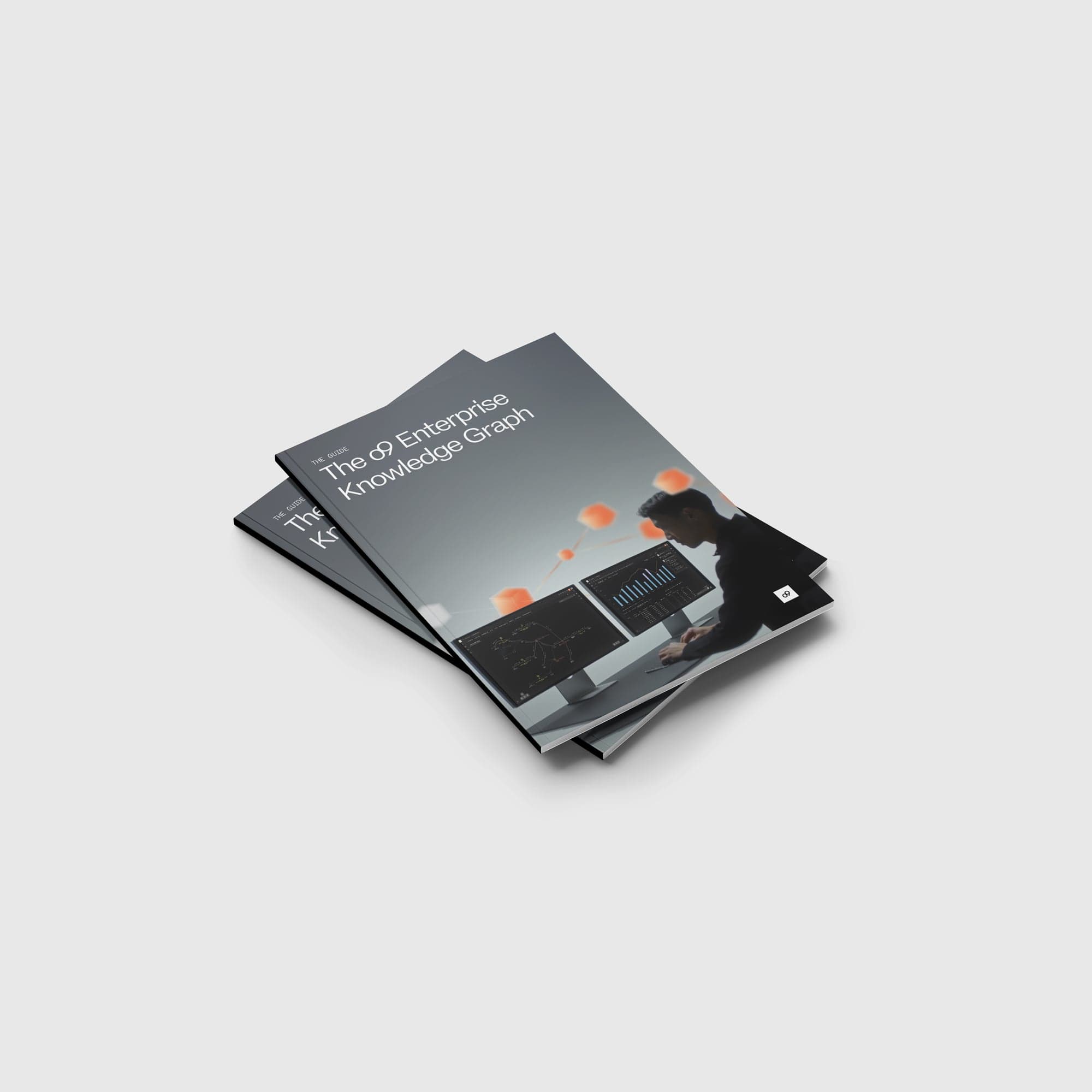
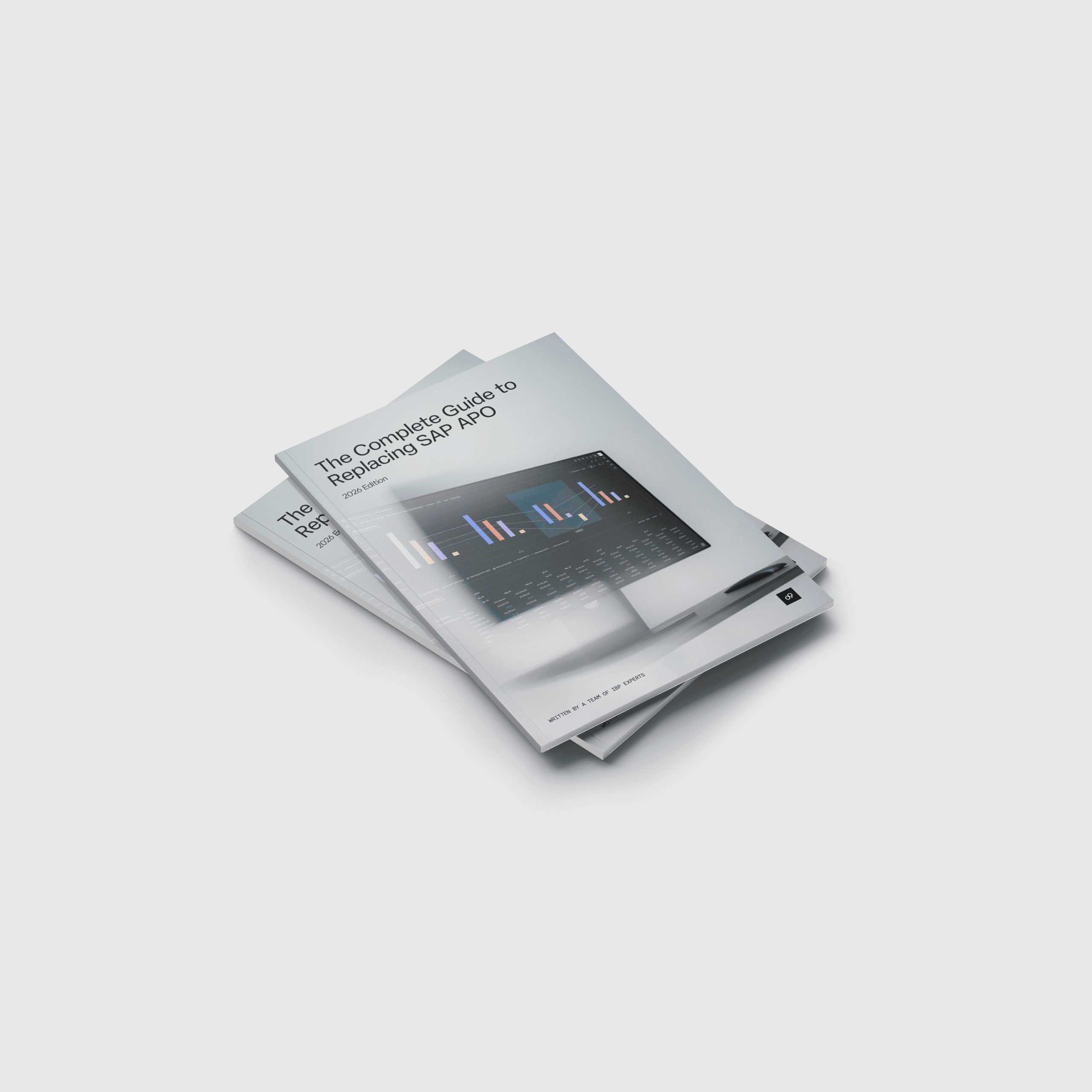
The Complete Guide to Replacing SAP APO in 2026

For more than a decade, SAP APO has served as the core demand and supply planning system for the world's largest manufacturers.

While a 2027 cut-off might seem manageable on paper, the transition timeline leaves zero margin for error.

Download this guide to learn everything you need to know about replacing SAP APO.

DS Group
M. Dias Branco
Coca-Cola Bottlers Japan
Amorepacific Corporation
The Estee Lauder Companies Inc.
Teleflex
Gildan
Perfetti Van Melle
Valeo
Enza Zaden
Asahi Kasei Microdevices Corporation
Koki Holdings
DS Group
M. Dias Branco
Coca-Cola Bottlers Japan
Amorepacific Corporation
The Estee Lauder Companies Inc.
Teleflex
Gildan
Perfetti Van Melle
Valeo
Enza Zaden
Asahi Kasei Microdevices Corporation
Koki Holdings
DS Group
M. Dias Branco
Coca-Cola Bottlers Japan
Amorepacific Corporation
The Estee Lauder Companies Inc.
Teleflex
Gildan
Perfetti Van Melle
Valeo
Enza Zaden
Asahi Kasei Microdevices Corporation
Koki Holdings

UNLOCKING BILLIONS IN VALUE FOR CLIENTS IN 30+ INDUSTRIES

In this White Paper, you’ll learn:

  • The 2027 Support Cliff is Closer Than It Looks

    SAP's December 31, 2027 hard stop for APO mainstream support is locked in, and automated migration isn't possible. Since typical enterprise planning migrations take 12 to 24 months, waiting past 2026 guarantees a period of risky, unsupported operations. Download the white paper to map out a secure transition timeline today.

  • Why Legacy Forecast Models Fail in Permanent Volatility

    APO's statistical models, like Holt-Winters and Croston, were built for a stable world that no longer exists. Today's reality of trade actions, geopolitical chokepoints, and rate spikes means there is no "stable mean" to return to. Download the guide to see how driver-based machine learning reads external market signals to eliminate blind spots.

  • Ditching the 24-Hour Batch Cycles and Excel Fixes

    While 95% of organizations need to react quickly to market shifts, only 7% can execute decisions in real time. APO's overnight batch processing introduces a 24-hour latency that forces planners back into manual Excel fixes. Read the report to see how a live digital twin lets you run complex what-if simulations in minutes, not days.

  • SAP IBP is a Total Architecture Rebuild, Not an Upgrade

    Moving to SAP IBP isn't a simple upgrade; it splits core APO planning capabilities across up to four separate products. Vital features like factory scheduling and order promising are pushed entirely into the core ERP, creating a massive, multi-year construction project. Download the white paper to evaluate the hidden integration layers and dimensional bottlenecks.

  • Cutting Through the Hype of Supply Chain AI

    Spending on supply chain software with agentic AI is projected to hit $53 billion by 2030, but cutting through the marketing hype of superficial chat boxes is tough. Get the guide to access our practical 5-point vendor checklist and deploy autonomous agents that safely execute work within strict corporate guardrails.

  • Connecting Macro Strategy to SKU-Level Execution

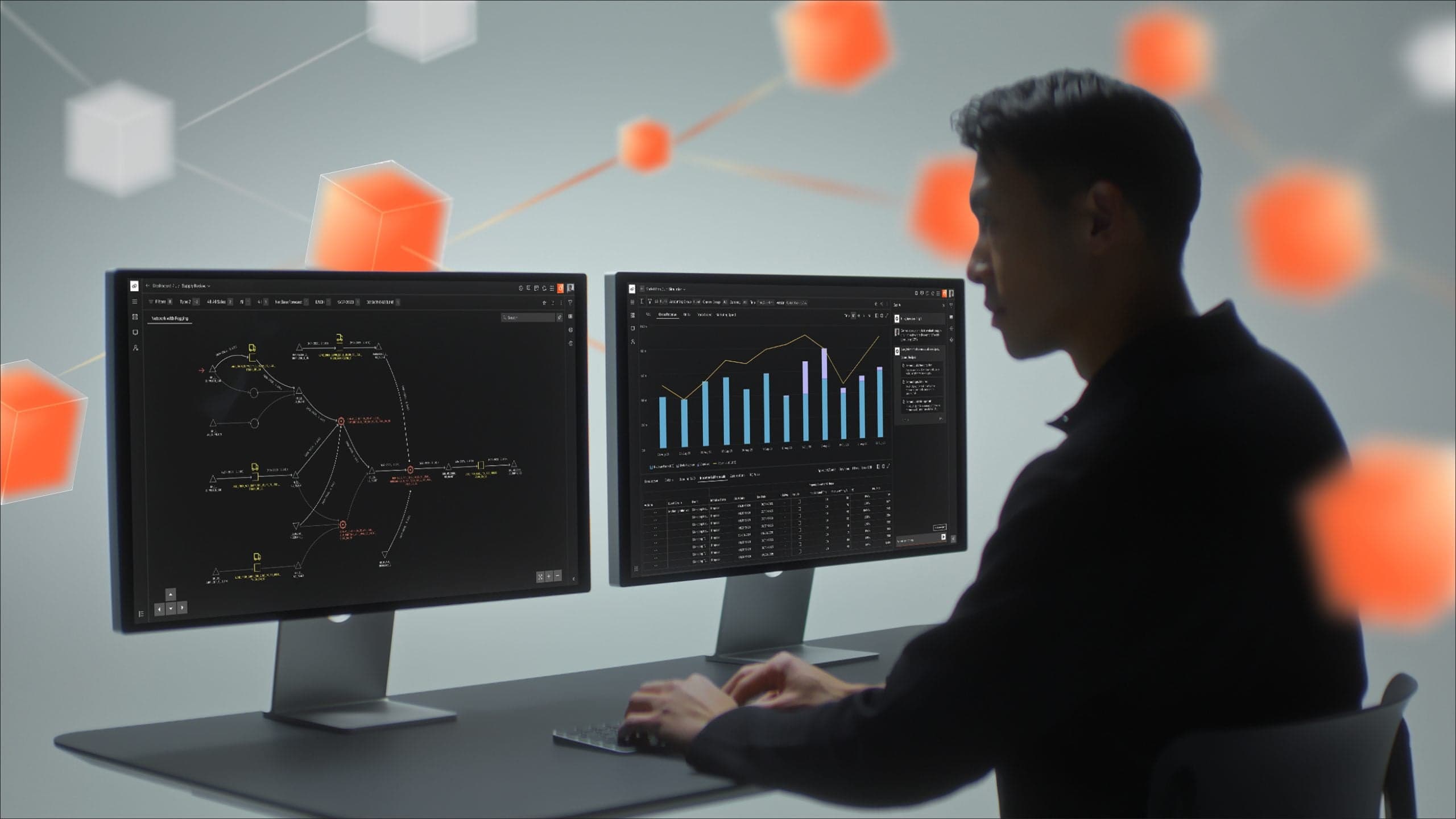
    Legacy relational databases trap enterprise teams in flat rows and functional silos. The o9 Digital Brain™ uses a patented Enterprise Knowledge Graph to map the live, delicate relationships between supplier capacity, factory constraints, and financial targets. Download the guide to see how "telescopic planning" lets you shift from macro forecasting to execution data on a single screen.

With SAP APO facing a hard sunset, enterprise buyers are staring down a definitive, binary choice: either double down on the SAP ecosystem by migrating to SAP IBP, or pivot to a next-generation alternative. The latter is the better decision.

Margaret Sun

Senior Product Manager, IBP
Escaping the Latency Trap of Legacy Planning Stacks

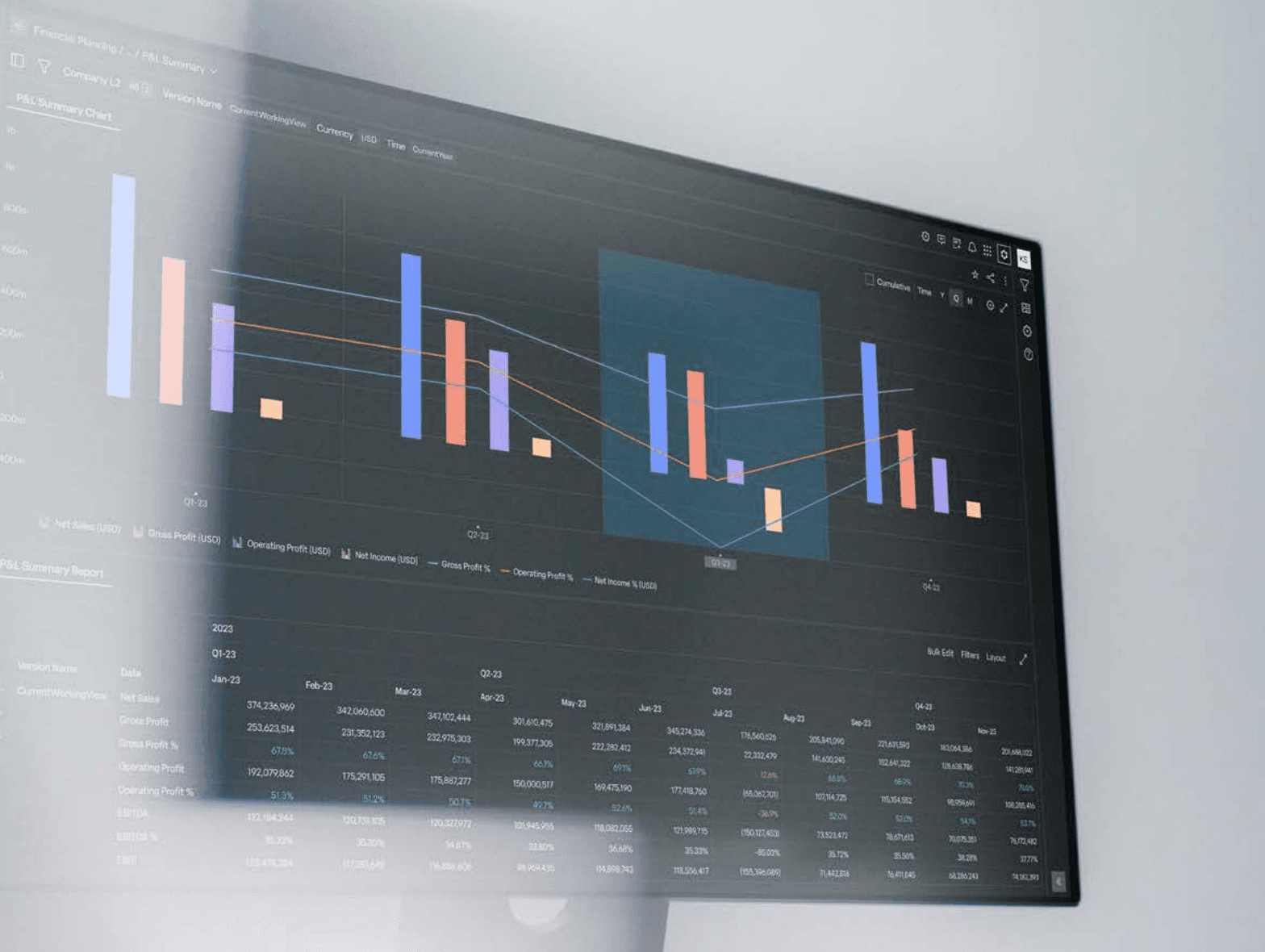
Relying on rigid, batch-processed architecture introduces an inherent 24-hour latency into your core operational data cycles. When volatile trade actions or shipping disruptions strike your network, this structural lag leaves planning teams operating completely blind—forcing them to manually salvage operations using fragmented, reactive Excel spreadsheets.

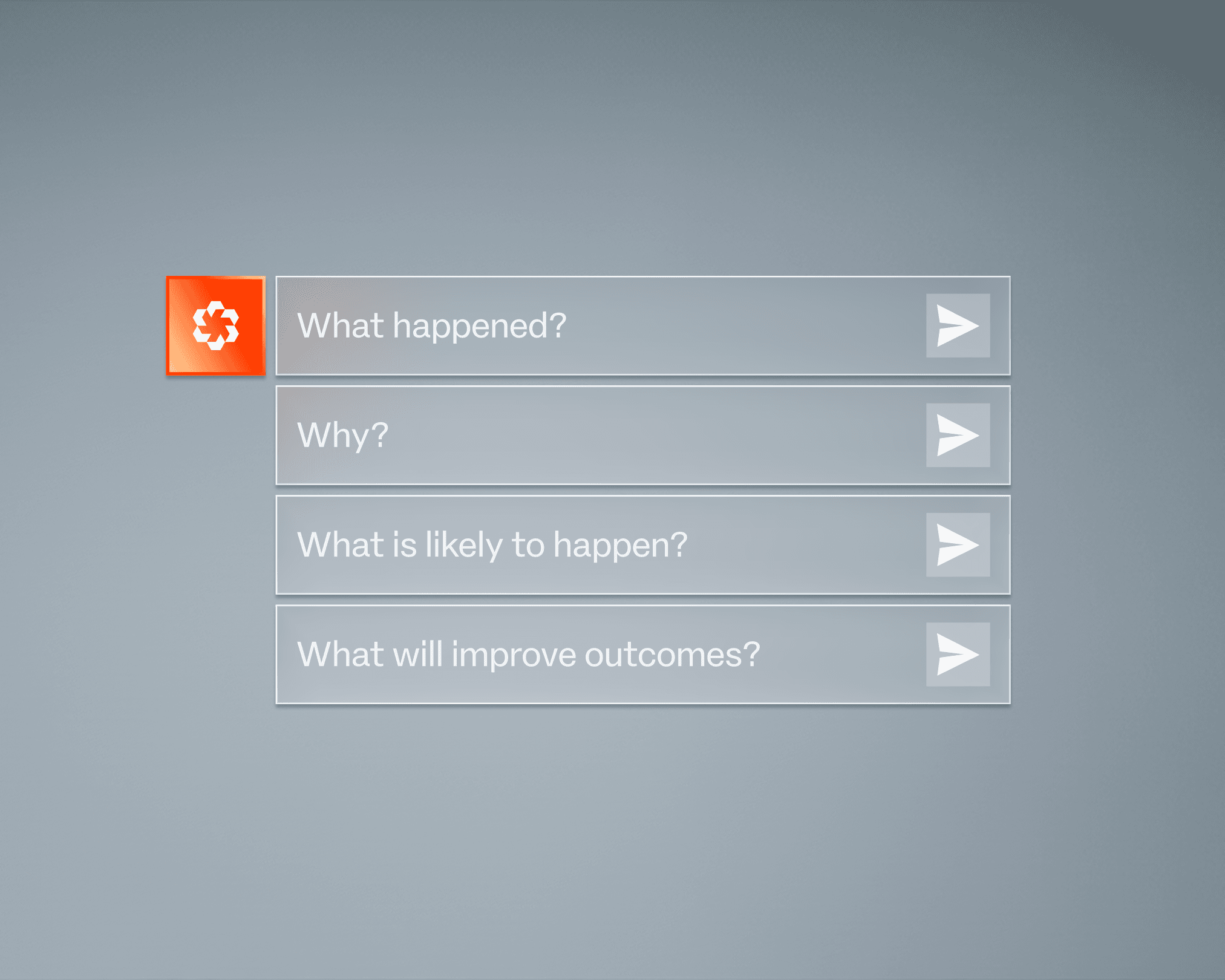
Transitioning to a next-generation planning platform replaces these static modules with a live enterprise digital twin. By natively anchoring your demand, supply, and financial variables onto a single unified data model, you entirely eliminate overnight processing and empower your team to run complex, network-wide replanning simulations in minutes.

The Complete Guide to Replacing SAP APO in 2026

For more than a decade, SAP APO has served as the core demand and supply planning system for the world's largest manufacturers.

While a 2027 cut-off might seem manageable on paper, the transition timeline leaves zero margin for error.

Download this guide to learn everything you need to know about replacing SAP APO.

Explore these key questions

SAP’s mainstream maintenance concludes firmly on December 31, 2027, and the vendor has formally stated that automated migration is impossible. Because a typical enterprise planning migration requires 12 to 24 months from selection to global rollout, delaying a decision past this year leaves zero margin for error and guarantees a period of unsupported operations.

Discover our platform

Live Demo with an o9 Expert

Get a personalized walkthrough with an o9 solution specialist and see how to drive faster, smarter planning decisions across your enterprise.