13 read min
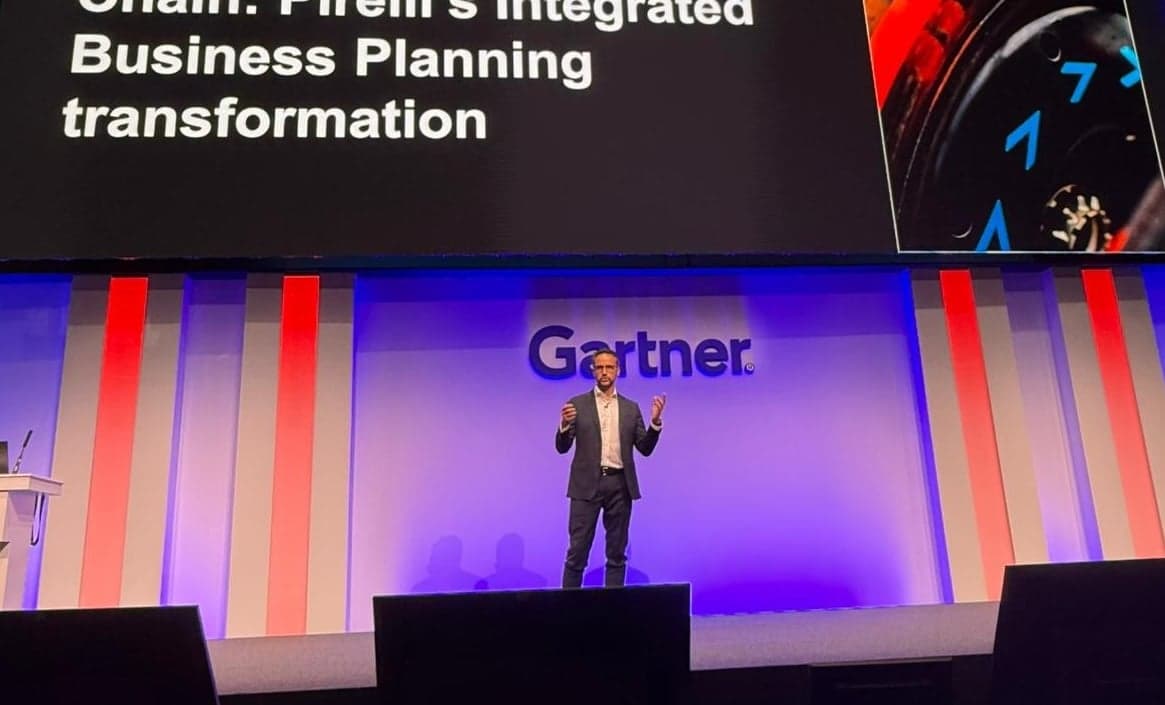
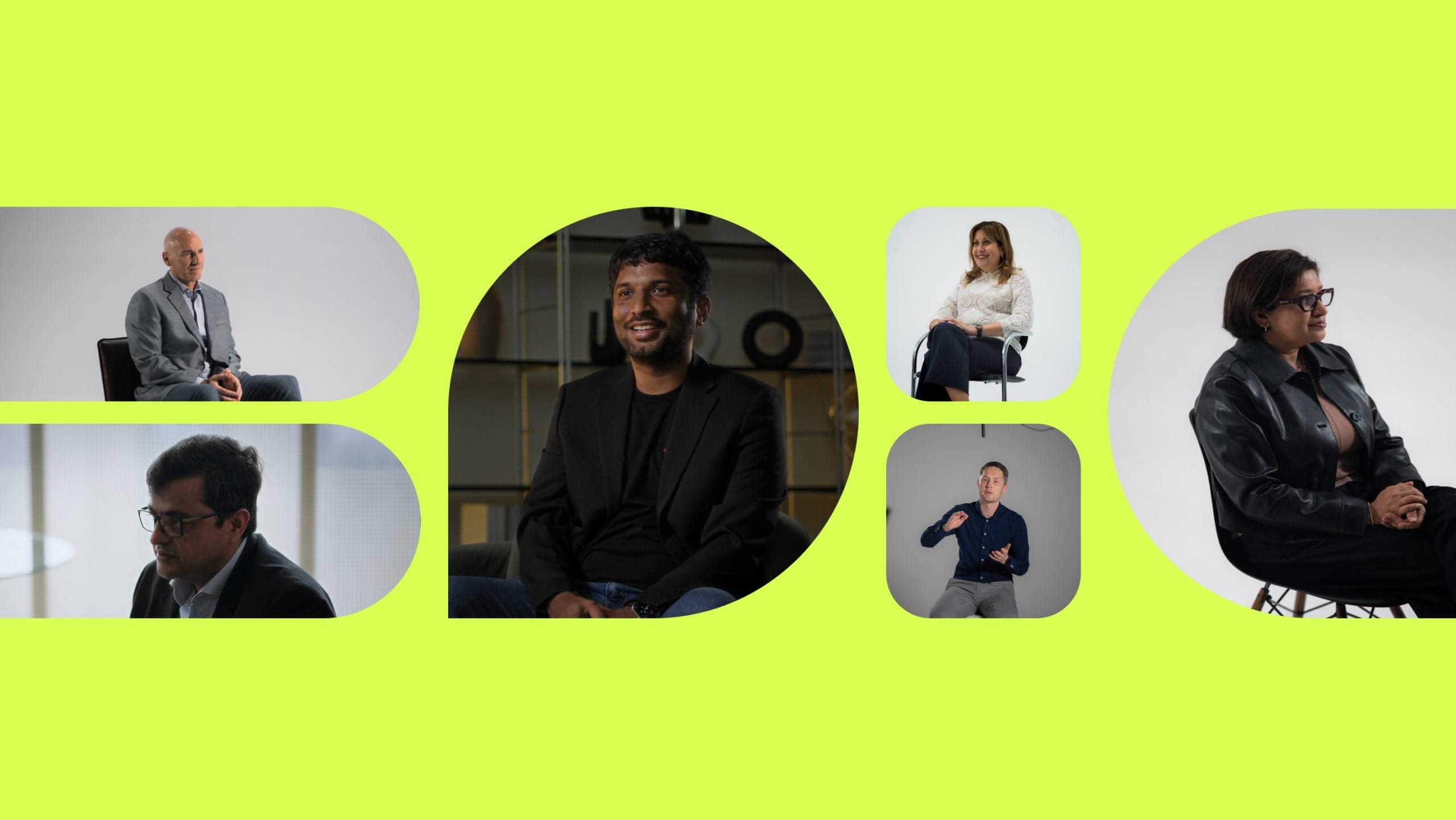
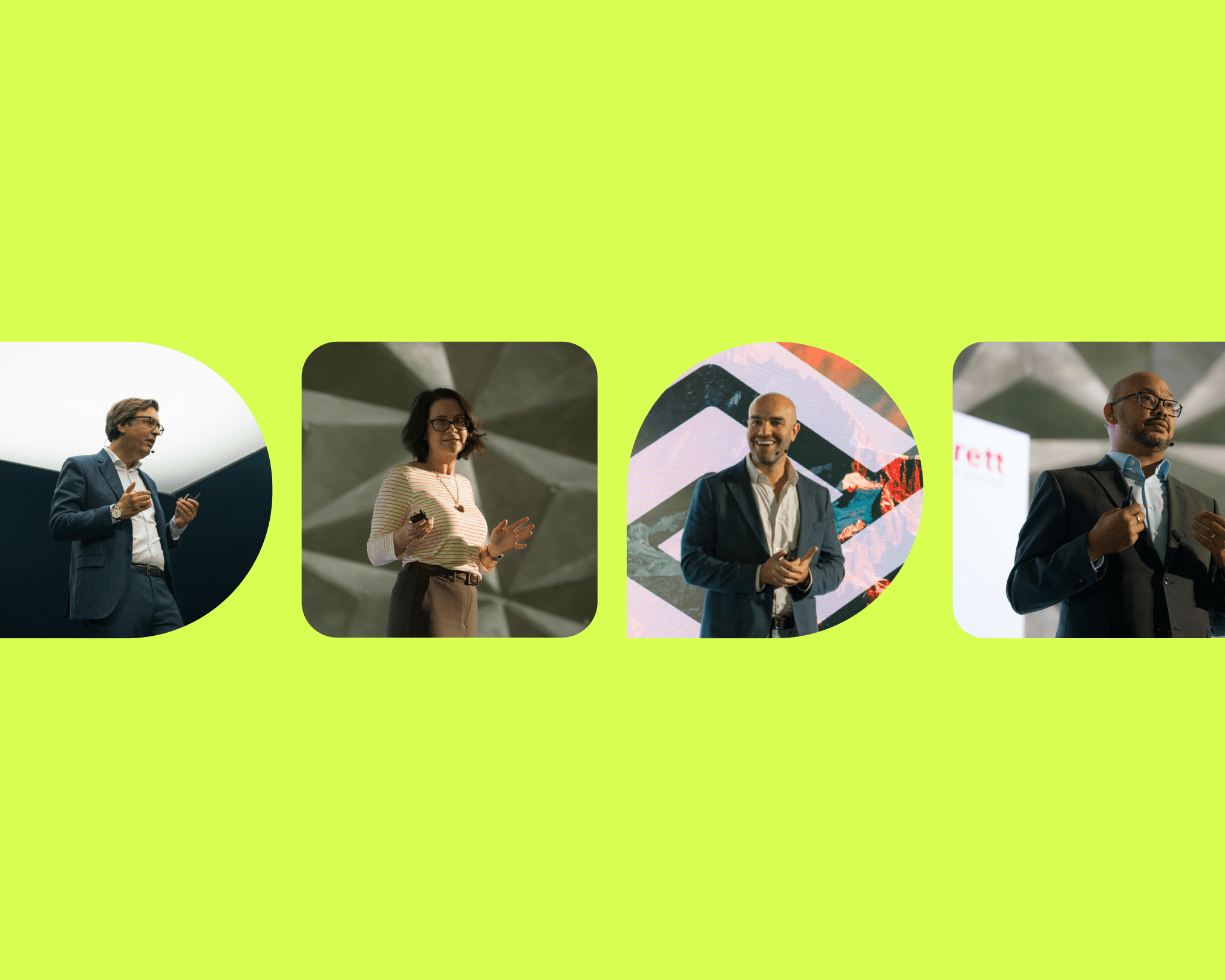
At o9's flagship EMEA event in Amsterdam on June 4th, four leading manufacturers took the stage to share where they are in their transformation journeys. Marelli, RHI Magnesita, Garrett Motion, and Teleflex each presented from different points on the transformation curve, but arrived at strikingly similar conclusions: that integrated planning is a cultural change before it is a technical one, that the work never really ends, and that the organizations that thrive are those that build the internal capability to keep improving long after the implementation team has left.
Marelli: Beyond a Supply Chain Transformation
The Cost of Complexity Without Visibility
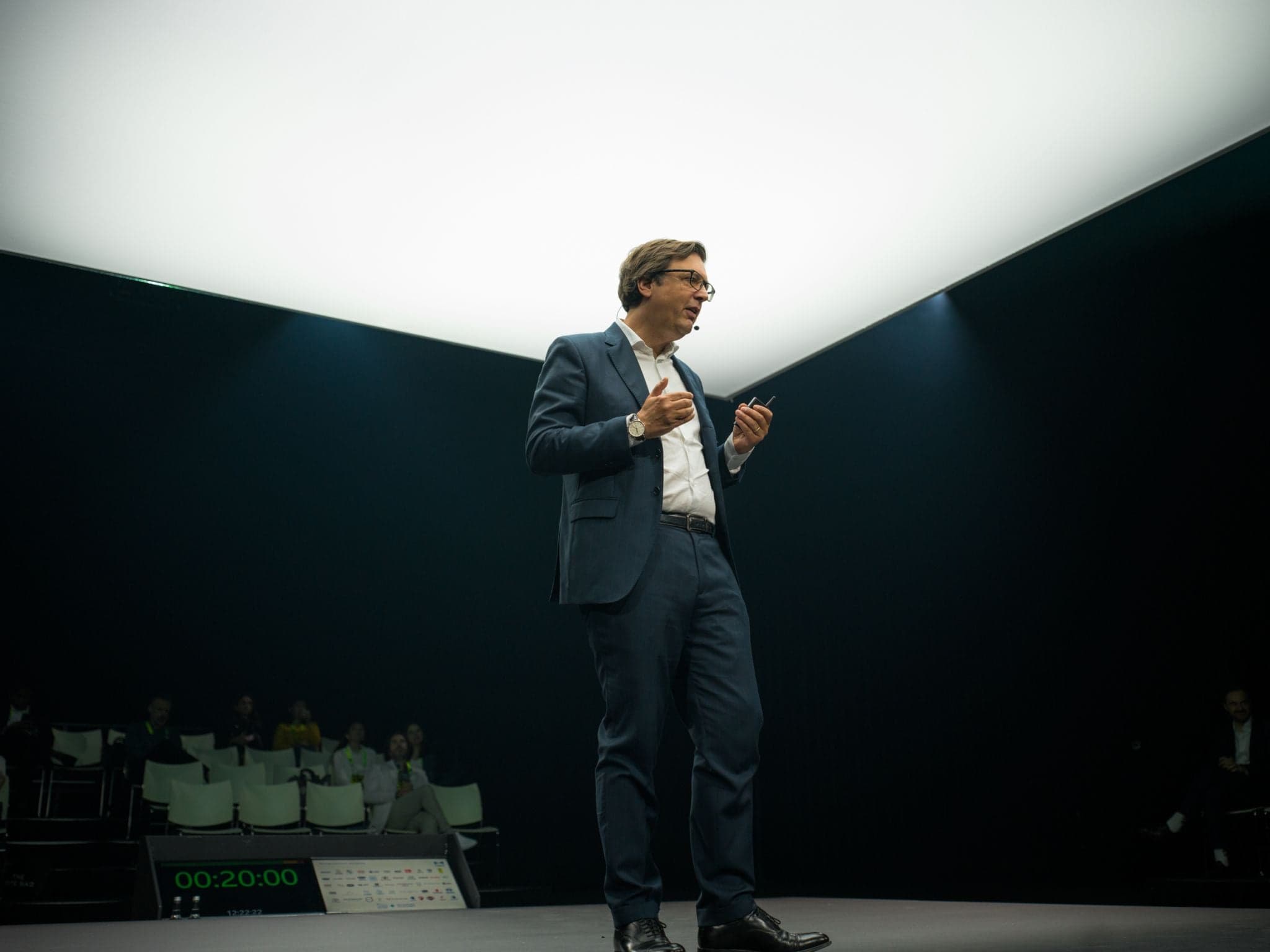
Carlo Chiarle, VP and Global Head of Manufacturing Operations and SIOP at Marelli, opened with a picture of complexity that set the tone for the entire track.
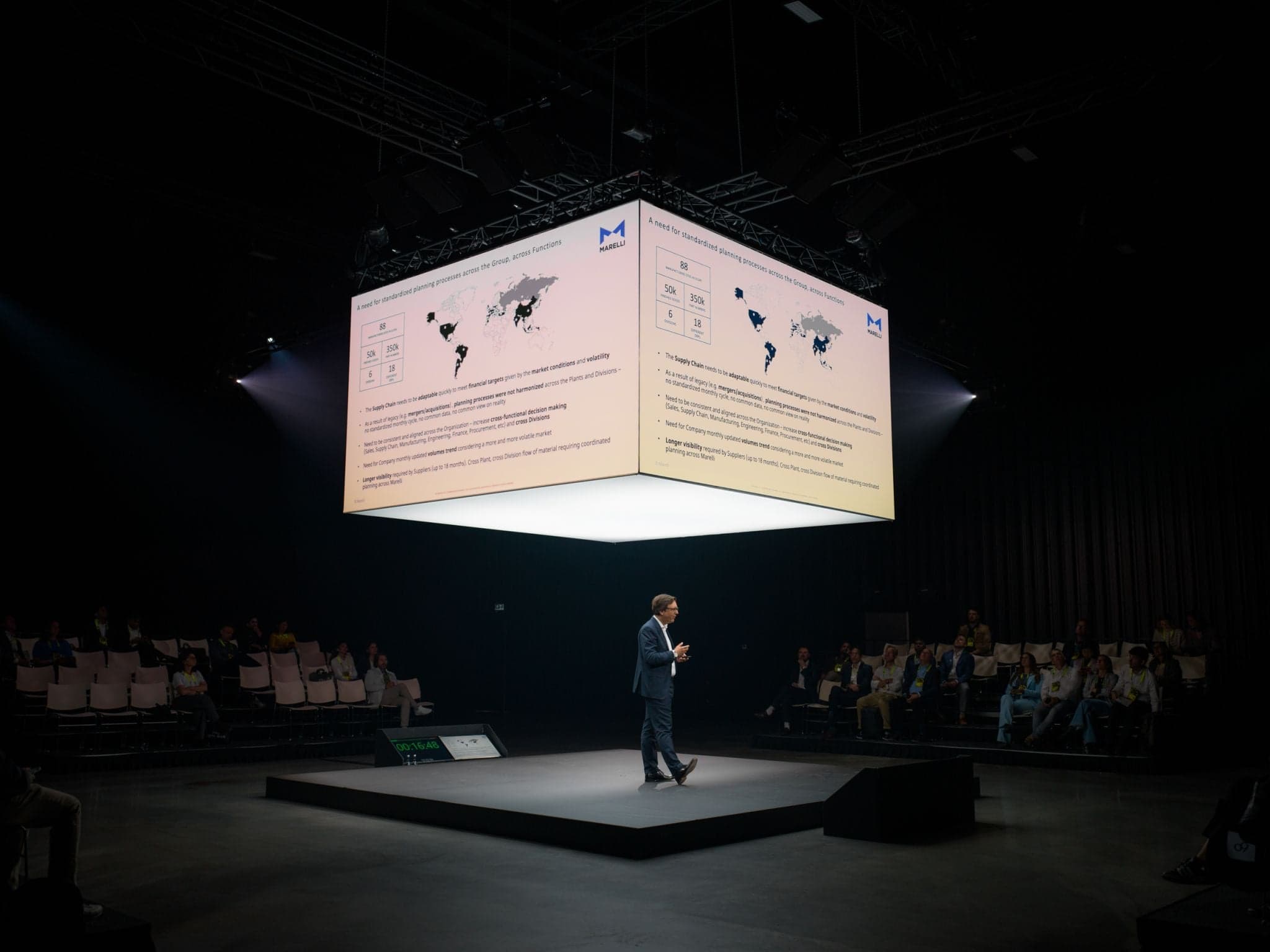
Marelli produces components spanning automotive lighting, electronics, interiors, propulsion systems, green technology, and ride dynamics, delivered from almost 90 plants across 21 countries, through six business units, managing 150,000 components and 50,000 finished goods. The business was formed through a merger of Calsonic Kansei and Magneti Marelli — two organizations with strong, distinct manufacturing identities — and was running, at the outset, across 18 different ERP systems with no integrated planning view.
The operational consequences were severe. A single wafer fab, processed through three Marelli plants and delivered to seven more across five countries, meant a disruption at source could cascade into 13 customer plants and affect more than 13 finished vehicle lines. A single customer demand change could ripple through six Marelli plants and touch more than 500 suppliers. "Impossible to manage, unacceptable from the customer's point of view."
Compounding the visibility problem was a behavioral one. Without a shared view of supply, business units had begun over-ordering components to protect their own production lines, cannibalizing supply from others and collectively undermining Marelli's ability to deliver for any customer. "We saw business units competing for the same limited supply. To protect their own production lines, some teams over-ordered components, unintentionally depriving others of the materials they needed. The result was supply cannibalization that ultimately hurt Marelli's ability to deliver across the organization."
Why SIOP: From Local Optimization to Shared Accountability
The core insight driving the transformation was that the problem was never a technology problem. It was a coordination problem. Each function — manufacturing, supply chain, finance, purchasing — had its own metrics and its own version of the truth. Each was doing its job, but none had visibility into how its decisions were affecting the others. The business was locally optimized and globally inefficient.
The case for Sales, Inventory and Operations Planning (SIOP) was therefore about giving every function a single shared view of demand, supply, and operational capacity, so that decisions made in one area could be understood and responded to across all others. "SIOP is not just a supply chain or manufacturing tool — it is an enterprise-wide platform. Everyone across the organization operates from the same source of truth, powered by data drawn from a single data lake."
That shift in framing changed what implementation required. Getting functions that had operated independently for years to accept shared accountability was as demanding as anything technical. Stakeholders from every part of the business had to be brought in from the beginning — not as recipients of a finished system, but as participants in defining how SIOP should work for them.
The Value: Coordinated Response Under Pressure
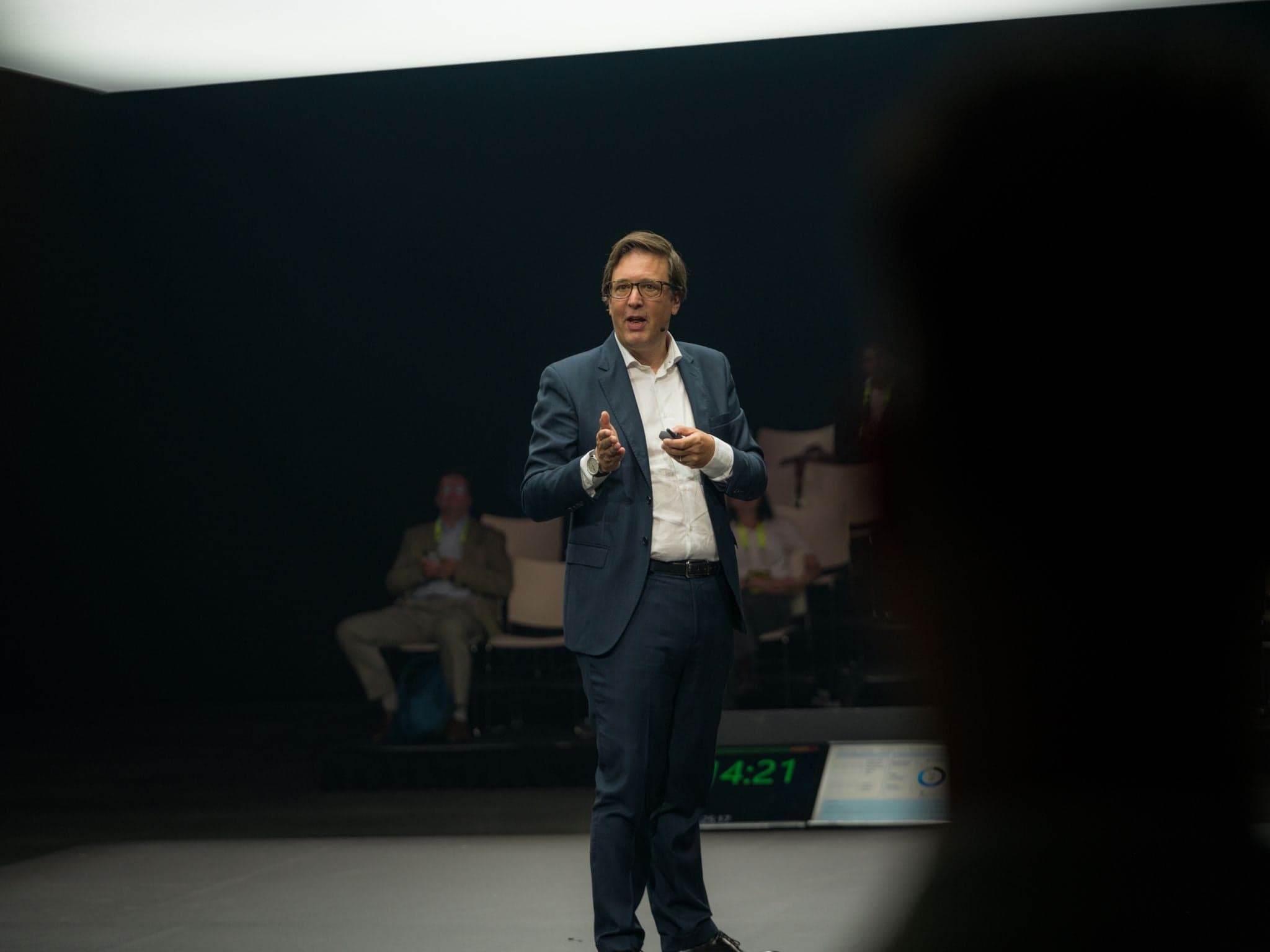
The value of that foundation becomes clearest under pressure. During the semiconductor shortage, a unified SIOP platform meant Marelli could trace a constraint from its origin all the way to its customer impact, and make coordinated decisions rather than leaving each function to react in isolation. The behavioral shift was equally significant: when every function works from the same numbers, the incentive to hoard supply disappears, and planning meetings shift from competing versions of reality to shared problem-solving.
SIOP+: Extending Visibility Upstream
With the internal foundation established, Marelli is now pursuing SIOP+, extending visibility to suppliers through EDI integration and collaborative planning on forecasts, capacities, inventory, and orders — moving from reacting to disruptions to anticipating them.
RHI Magnesita: Building a Connected Global Supply Chain
A Network That Needed More Than Strong Processes
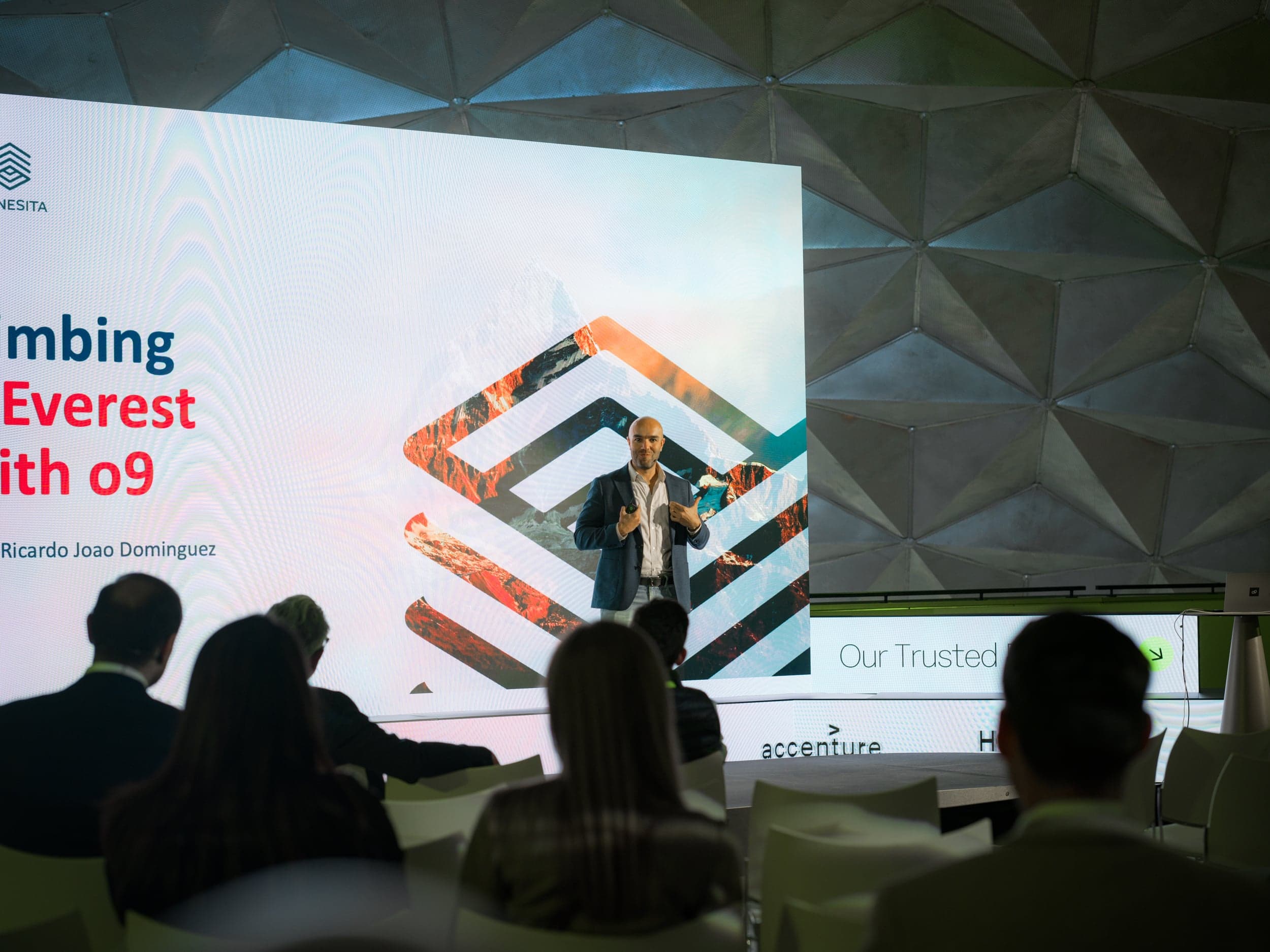
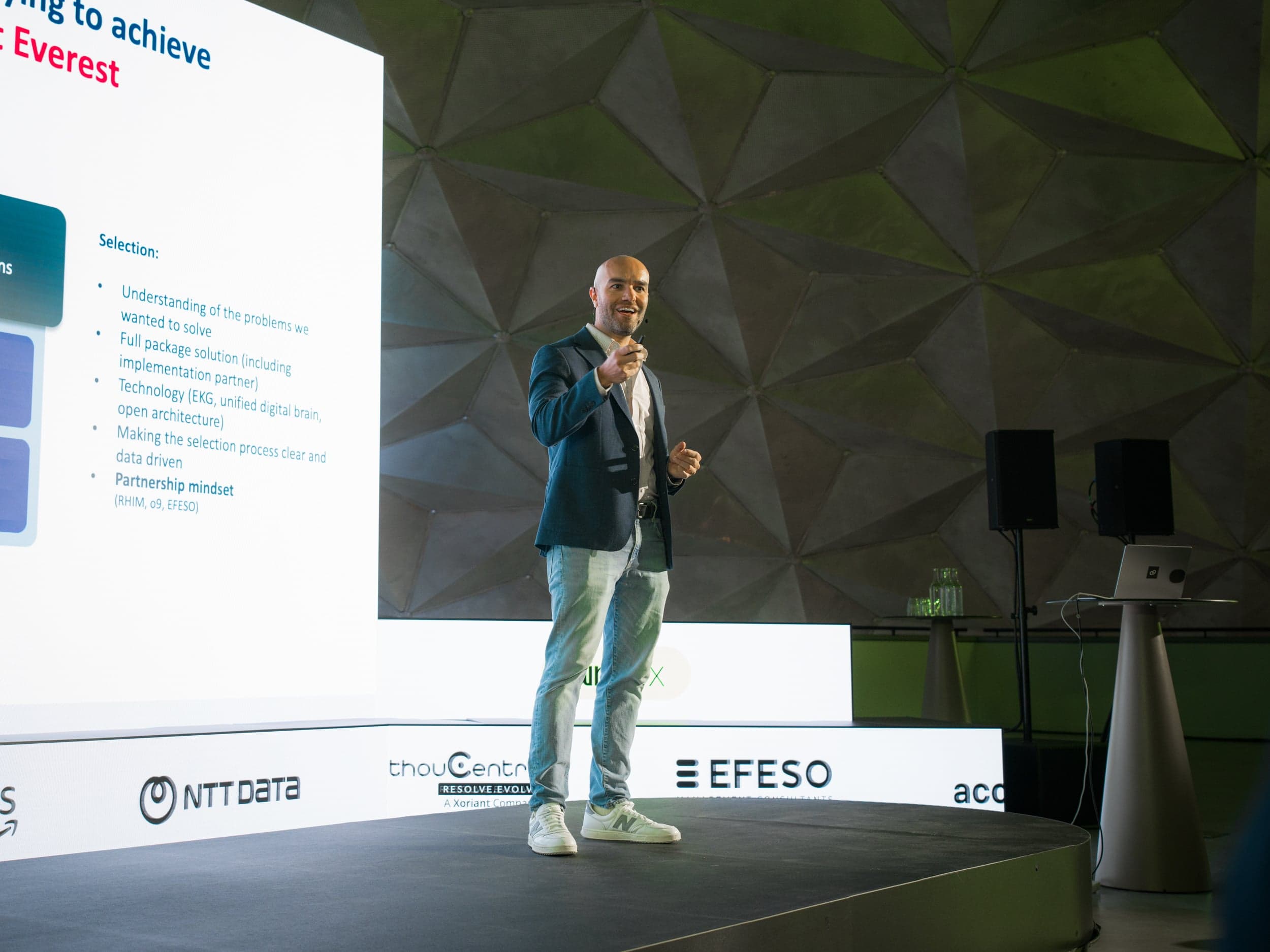
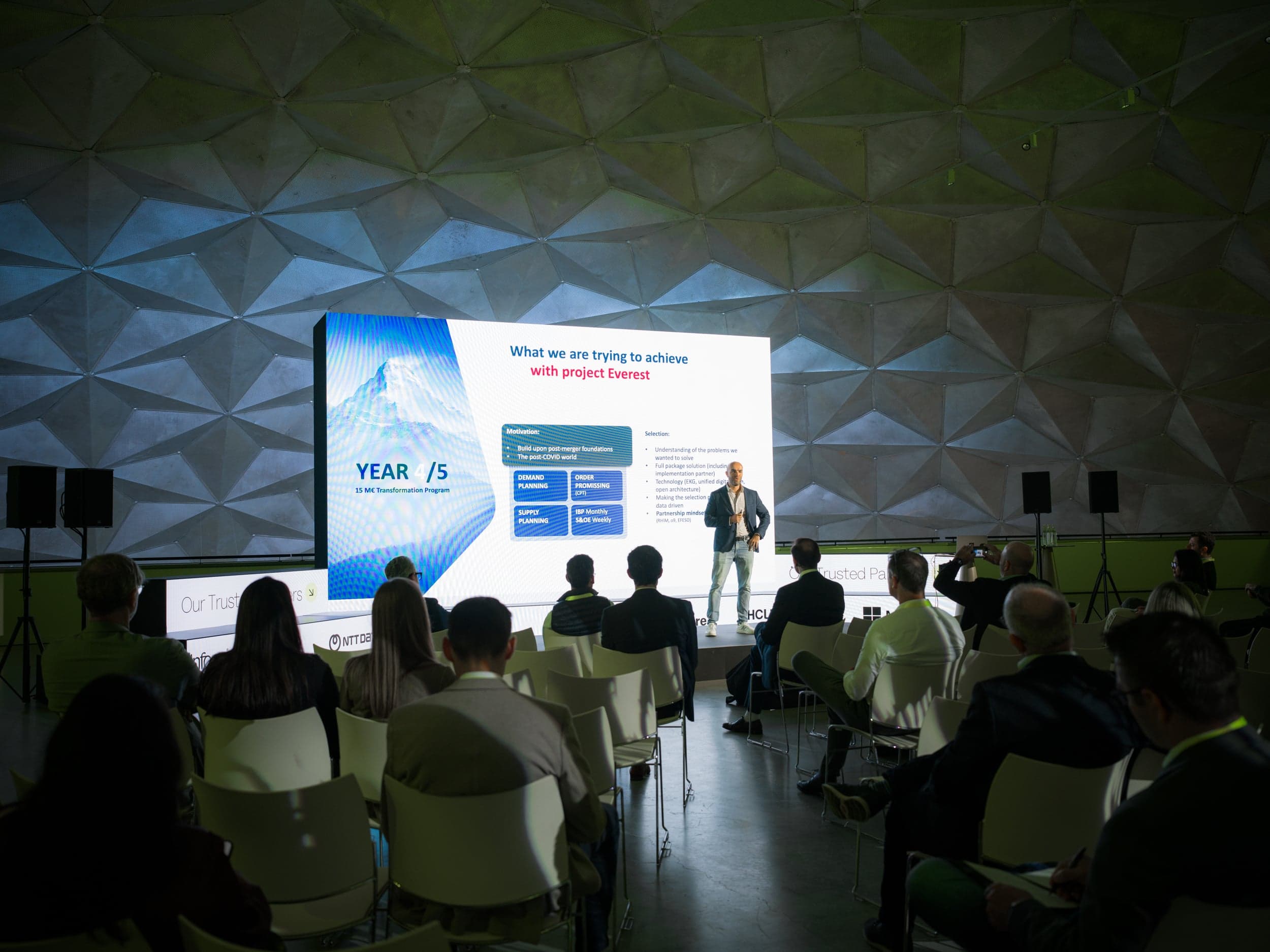
Ricardo Dominguez, Head of Innovation and Product Governance for Supply Chain and Procurement at RHI Magnesita, brought the perspective of someone deep into a major planning transformation, with clear sight of where the journey leads and honest lessons about what the path requires.
Formed through a merger of RHI and Magnesita in 2017, the company had built strong global processes — but they were Excel-based and not designed for the speed and volatility of the post-COVID world. The challenge was to connect demand planning, supply planning, and order promising across 130,000 SKUs in a highly vertically integrated network spanning mines, production sites, and customer-managed consignment inventory across global markets. The complexity of that network, Ricardo noted, is not just scale — it is inventory. Managing replenishment across consignment locations, aligning supply across long-lead-time raw materials, and responding to demand shifts without building excess stock requires a level of network synchronization that spreadsheets simply cannot support.
A Partnership Built on Shared Problem-Solving
Rather than going to market with a requirements list, the team specified what they did not have. "We specified the problems we had, and how the vendor would solve those issues. That prompted the vendors to really become interested in us and ask questions." o9, partnered with implementation firm EFESO, won on the strength of both its technology and its understanding of the problem. The three-way structure was designed to reduce ambiguity and preserve clear ownership — and it worked. "We had an executive member committed to meetings, and you couldn't see who was working for each company."
Statistical Forecasting, Human Judgment, and What Comes Next
Demand planning, supply planning, and order promising are now live across North America and Europe, with full global network coverage targeted by the end of 2027. Demand planning used to be done at aggregated levels and now operates at SKU level with statistical and machine learning-based forecasting, outperforming human planners in high-volume, predictable segments, freeing planners to focus where their judgment genuinely moves the needle. The ambition extends to giving salespeople a clearer view of where their input has the most commercial impact. "Of these 100 products, this is what the needle is going to move."
Ricardo's advice to organizations earlier in the journey was direct: treat master data as a first-order priority, build internal capability from day one, sequence demand planning before supply planning because "the supply plan needs good input in the planning," and challenge scope creep relentlessly.
Garrett Motion: From Fragmented Systems and Processes to a Unified, End-to-End Planning Platform
A Portfolio in Transition, a Supply Chain That Had to Keep Up
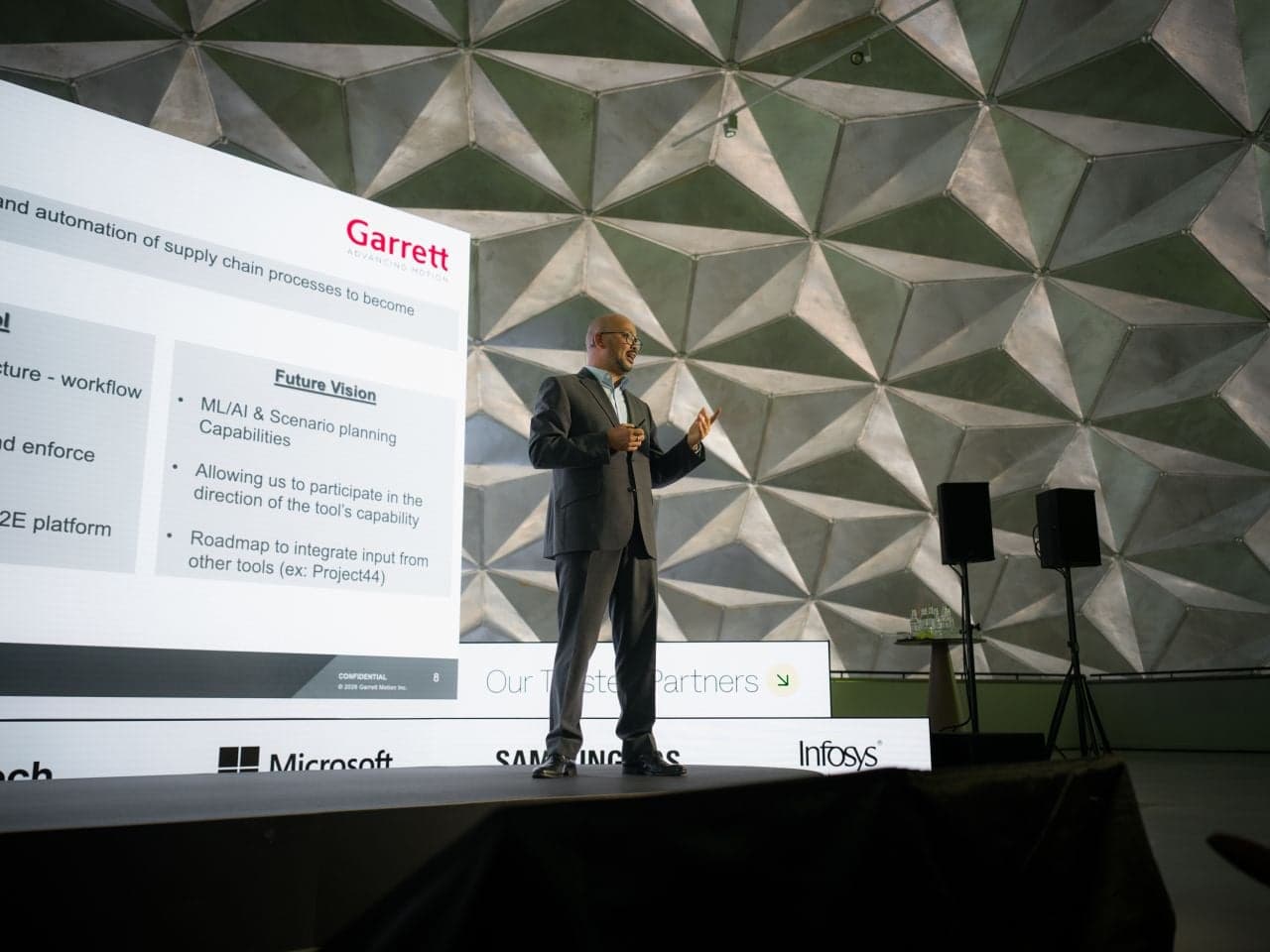
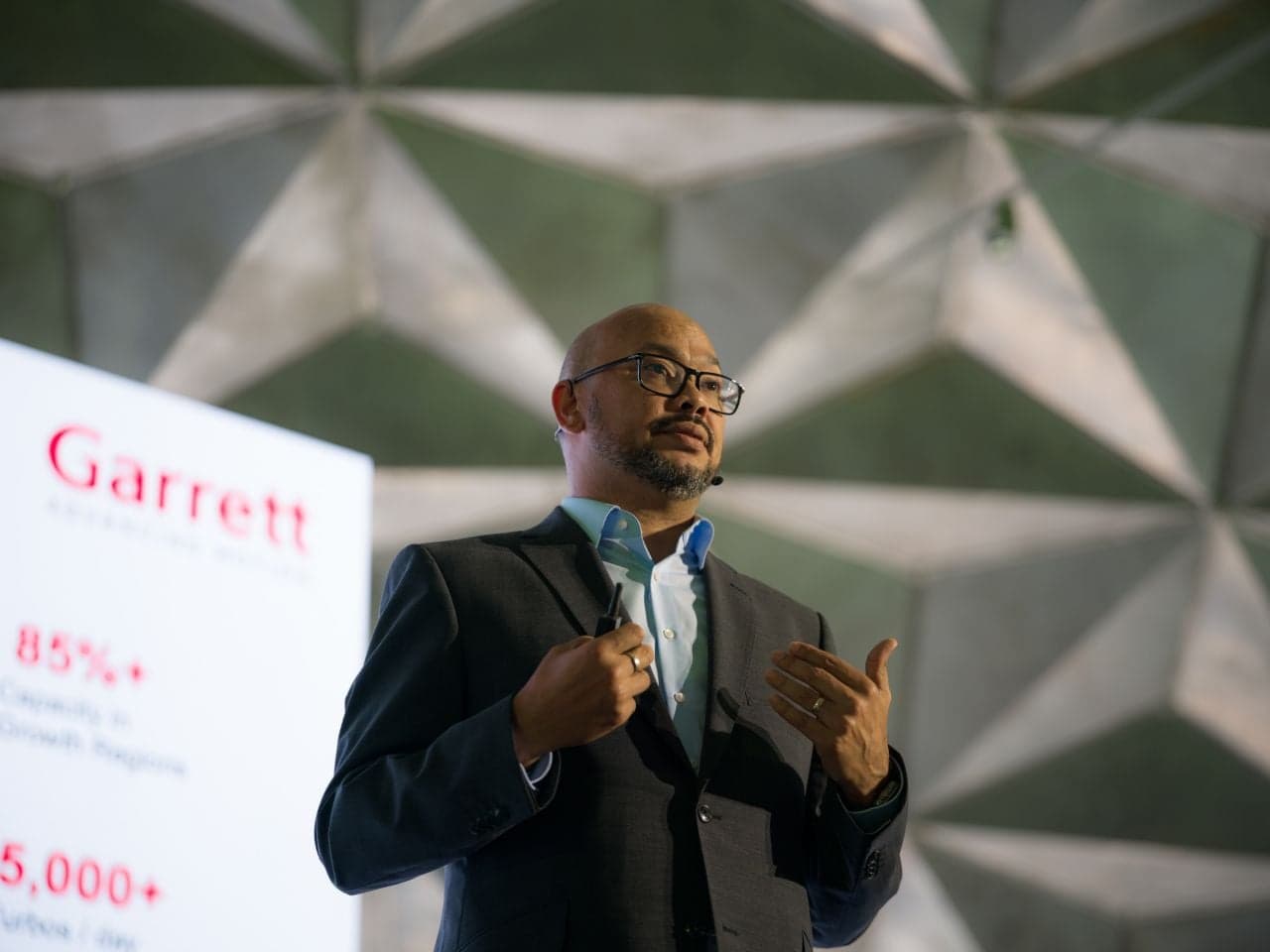
Ettiene Devries, Senior Director of Global Supply Chain Excellence, Strategy and IBP at Garrett Motion, presented from the position of a company that had built its planning foundation and was focused on extracting the next layer of value from it.
Garrett Motion is a $3.6 billion engineering business with 30 manufacturing facilities and 1,350 patents pending. Built on turbocharging technology for internal combustion engines, the business is now actively diversifying into electrification and zero-emission technologies — a strategic shift that demanded a supply chain architecture capable of scaling with it. Before the transformation, the picture was familiar: fragmented planning systems layered on top of spreadsheets, no holistic approach to supply chain, and a growing portfolio that 13 plants needed to serve without the tools to coordinate effectively.
Choosing a Partner for the Long Term
Vendor selection went well beyond feature comparison. Garrett gave every prospective vendor its own data, ran scenario discussions, and tested how each would respond to design ambiguity. The decision to go with o9 came down to cultural fit, flexibility, and the ability to co-shape the tool's roadmap. "We were also allowed to help o9 participate in the direction of how the tool's capability would evolve." For a business with highly specific requirements — automotive detailed scheduling operates differently from standard scheduling — that collaborative dynamic was a prerequisite, not a differentiator.
A Bold Vision, A Strong Foundation, More to Come
In demand planning, Garrett went from passively following OEM schedules to actively shaping demand by combining statistical forecasting with collaborative demand planning and the objective arbitration of OEM EDI signals.
In supply master planning and S&OP, they now have end-to-end visibility into supplier and production line capacity constraints months in advance. The system automatically generates distribution, production, and material plans, enabling proactive decisions such as pre-buying inventory or scheduling overtime to avoid disruptions. New product introductions, phase-outs, and prototype production trials can also be simulated.
Their control tower integrates short-term shipment alerts into the Clear-to-Build (CTB) process, and they are leveraging multi-echelon inventory optimization to simulate inventory reductions before executing them.
"Because of the visibility we created with our tools, we were able to respond much more quickly and give leadership direction on that."
The next frontier includes Tier 2 supplier visibility, generative AI for decision support, and expanded coverage of zero-emission technologies, including power generation for data centers.
Etienne's advice for organizations getting started is to do the foundational process work before touching the technology, treat the blueprint as a living document because "you only know what you don't know," and measure success against business outcomes rather than implementation milestones.
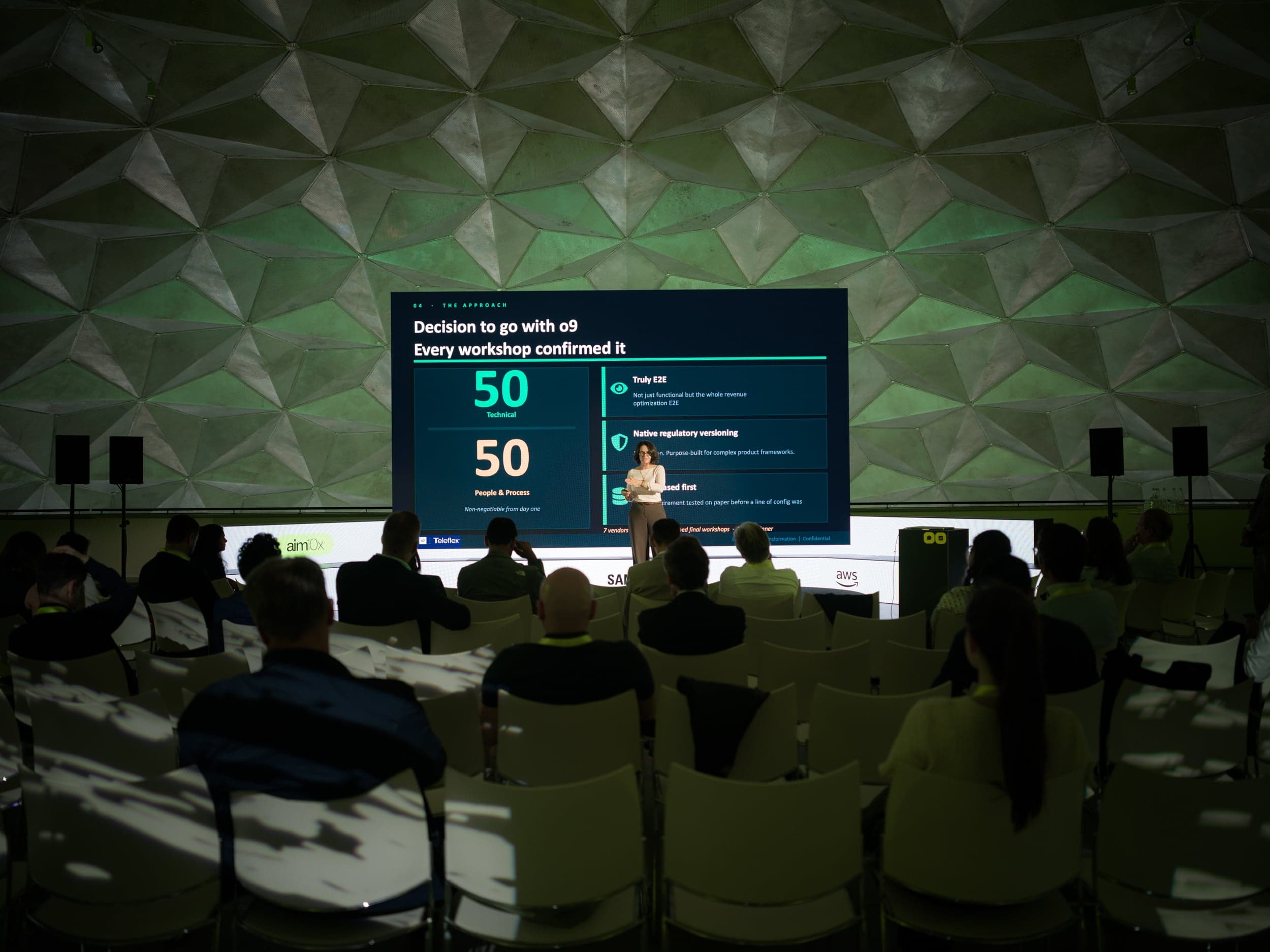
Teleflex: From Manual Planning and High Inventory to a 25% Improvement in Forecast Accuracy
The Complexity of Planning in a Regulated Industry
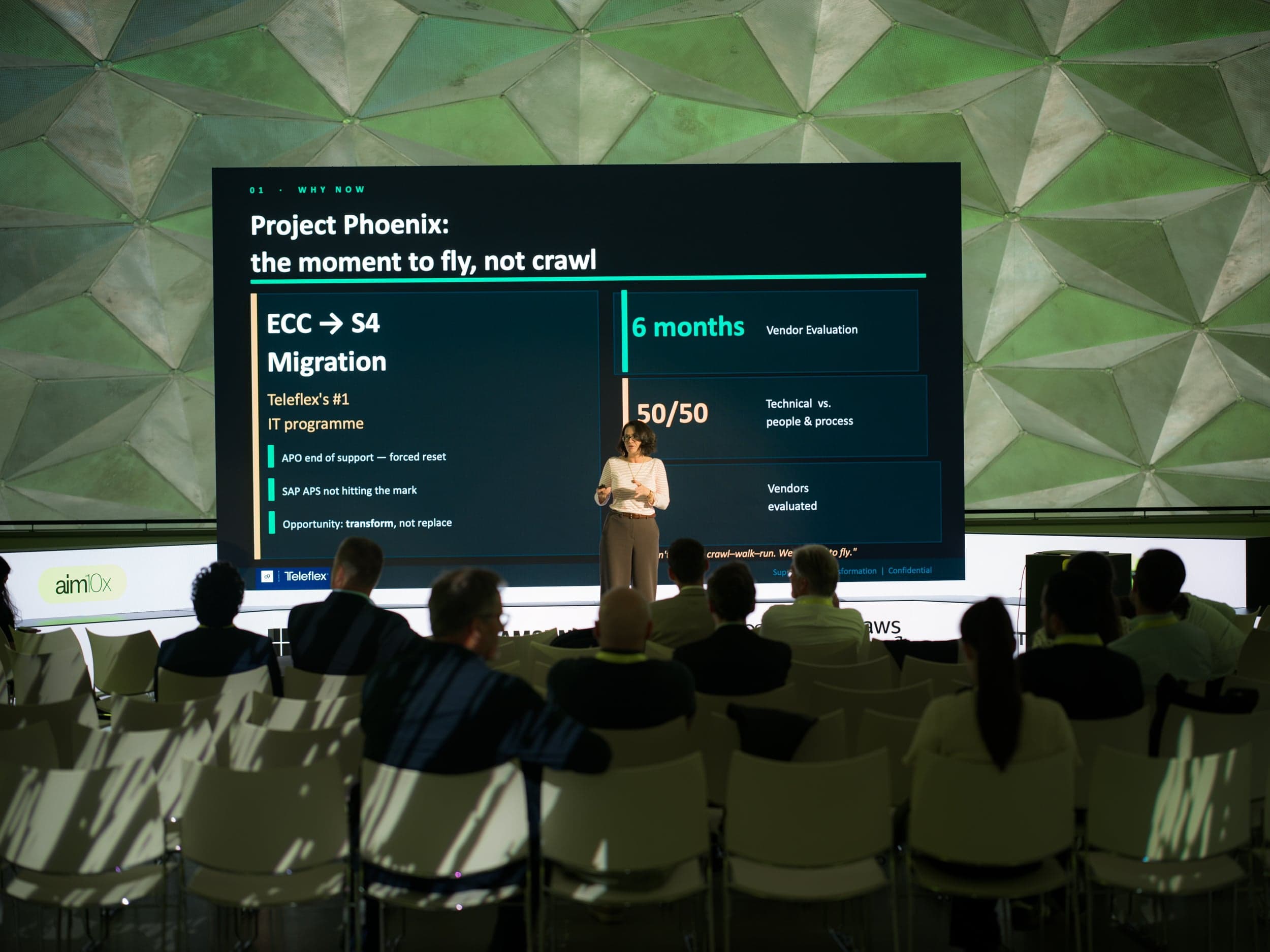
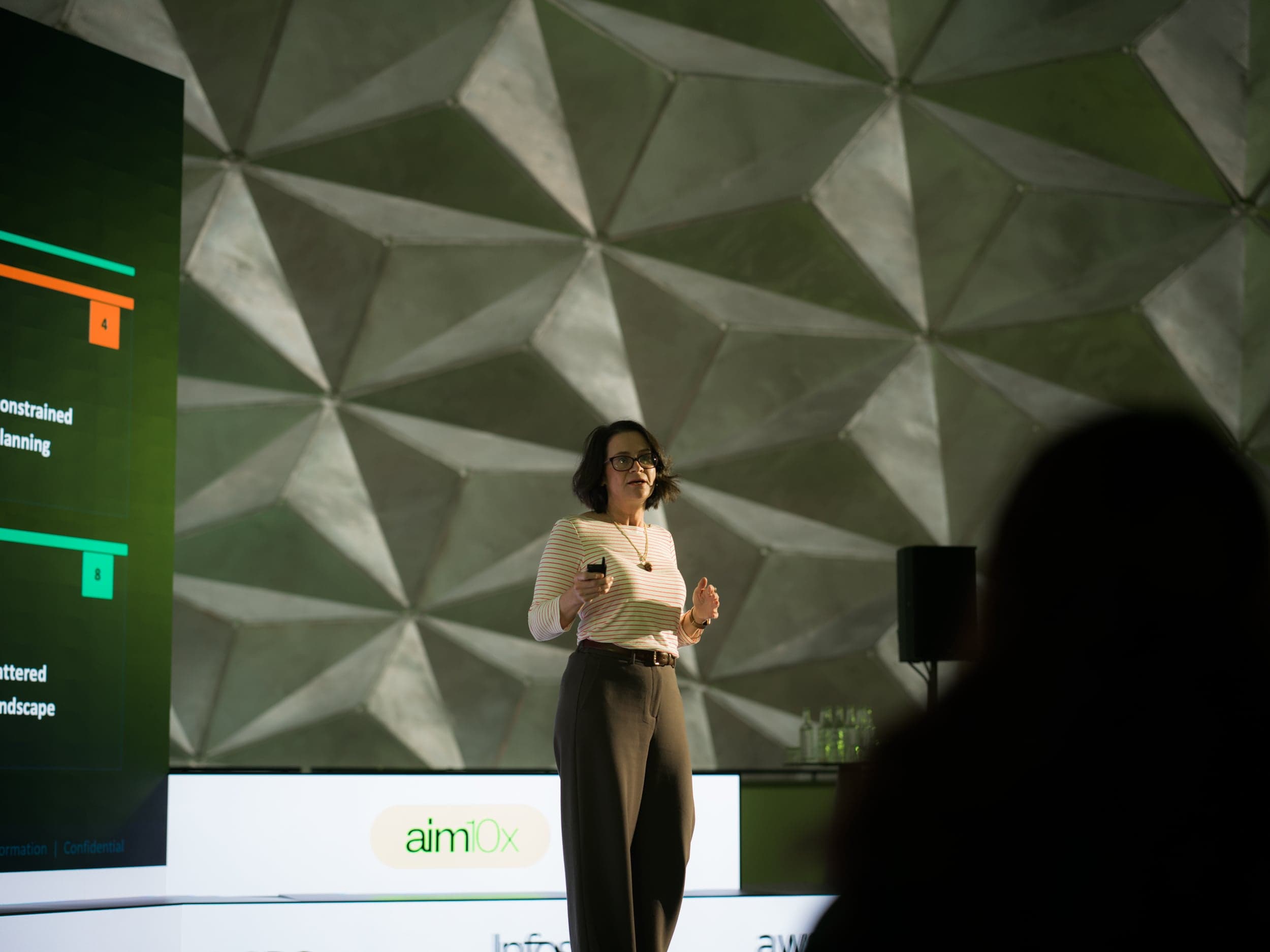
Rose Prendergast, Senior Director of Supply Chain Command Centre and Analytics at Teleflex, brought one of the most operationally distinctive perspectives of the day. As a medical device company, Teleflex operates a supply chain where regulatory versioning shapes every planning decision. A single product change — a label update, a component modification — phases in across different countries on timelines ranging from two weeks to two years. Managing those transitions manually, while simultaneously running disconnected demand and supply planning systems with no integrated S&OP process, had created high inventory, persistent back orders, and limited ability to see why.
The approaching end-of-life of SAP APO provided the catalyst for change. Teleflex chose to treat it as a full transformation rather than a system replacement — evaluating seven vendors not against a fixed requirements list, but against their ability to understand the problem and propose how to solve it.
Why End-to-End Visibility Was the Deciding Factor
o9 won because it was the only vendor that could demonstrate true end-to-end visibility: not just forecast-to-revenue impact, but full order pegging, so that a raw material constraint or regulatory change could be traced instantly to its downstream customer consequences. "They were the only ones that were able to give that to us, so that we can always see at any time, if we're constrained, which individual customer, which order, do we have an issue with — so that we're already communicating with the customer before it gets too late."
o9's prior experience in the medical device industry also meant it arrived with multiple options for handling regulatory phase-in and phase-out scenarios, rather than a rigid preconfigured approach — essential for a business managing version transitions across dozens of markets simultaneously.
A Clean Go-Live, and the Culture Change That Follows
The implementation, Project Phoenix, ran alongside simultaneous go-lives. To manage that complexity, Teleflex placed a small core team at the center of the program, anchored by an internal o9 architect that Rose described as "the best thing that we did within our whole project." Volume data was loaded before each sprint, design decisions were locked before build began, and end users were trained well ahead of go-live. Four weeks of mock cutovers preceded the real thing. The result was a go-live weekend with nothing to fix. "We were playing cards the whole weekend, waiting for somebody to come in, waiting to fix something that happened."
The outcomes were tangible: a 25% improvement in forecast accuracy, reduced back orders, and lower inventory. But the more significant shift was the move from reactive firefighting to forward-looking planning — and Rose was clear that this is still in progress. Where planners had previously been valued for their ability to respond and fix, the platform now asks them to look a year ahead and act on what they see.
"Planners have always been firefighters. Now they don't need to be heroes anymore. We focus on being forward-looking partners."
The Through Line: What These Organizations Have in Common
Three themes ran through every session across the day.
1. Integrated visibility is a company initiative, not a function. Marelli learned through hard experience that siloed organizations will undermine even the best planning tools. RHI Magnesita, Garrett, and Teleflex all designed for cross-functional ownership from the start, and all cited executive commitment as a prerequisite for making it work.
2. Data quality is an ongoing discipline. Every speaker addressed it, and none treated it as something resolved before the transformation begins. The organizations that moved fastest were those that invested in data readiness as a sustained workstream, not a pre-project checkbox.
3. The implementation is not the transformation. Go-live is a milestone, not an endpoint. As Carlo put it: "This is a never-ending story. The integration will never be completed. We will always find the next step ahead that is meaningful to be done." The organizations that get lasting value are those that treat planning capability as something to be continuously built and evolved, not delivered and closed.
About the authors

Alberto Fabregat
SVP, Strategy & Sales
Alberto is a fervent advocate for the power of planning and decision-making technology to create ripples of positive impact on both society and our planet. Currently Senior Vice President of Strategy & Sales, he brings over a decade of experience in Digital Strategy and Integrated Business Planning, helping companies optimize their supply chains and embrace innovative technologies.