12 read min
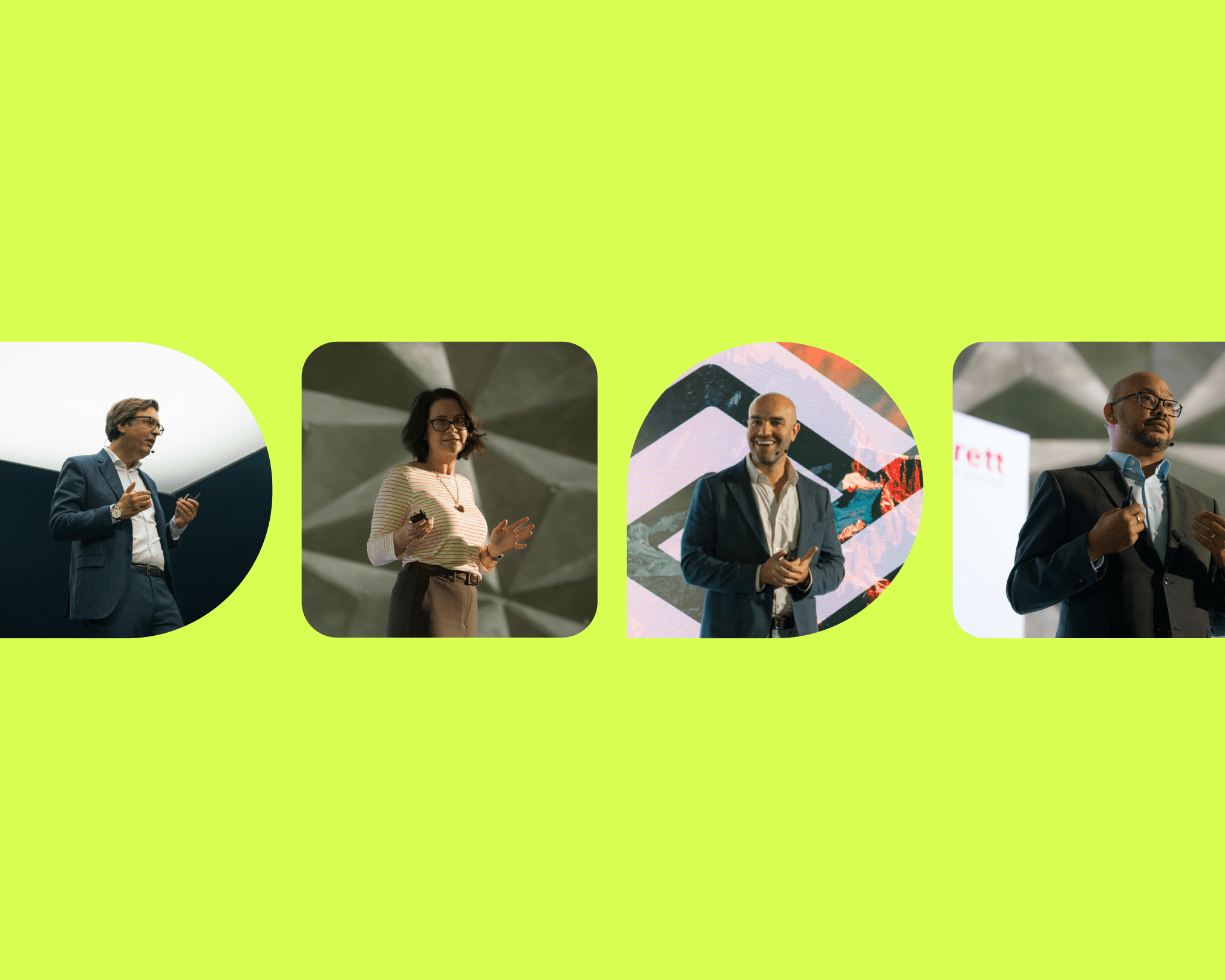
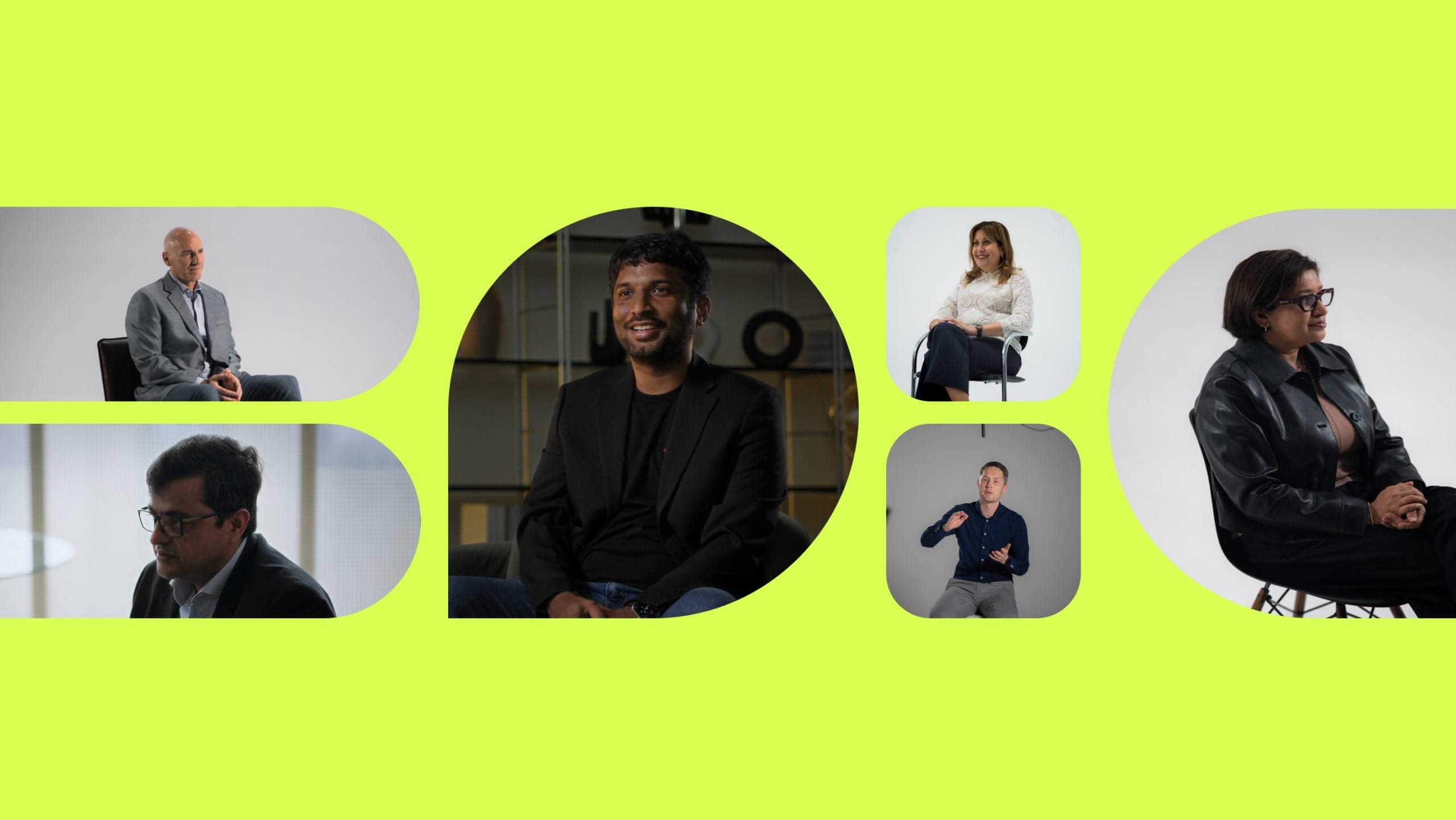
After o9’s Executive Chairman, Co-Founder, and CEO Chakri Gottemukkala introduced the new APEX operating model for a VUCA world at aim10x Digital, manufacturing supply chain leaders from Google, RHI Magnesita, Apollo Tyres, FINSA, HPE, and Silicon Labs shared how they are addressing critical challenges such as enabling supply chain agility, designing scalable resilience, institutionalizing post-game analysis, and driving continuous improvement of the o9 platform beyond go-live.
From high-tech and semiconductors to specialty materials, building products, and automotive, these companies manage distinct supply chain structures, product lifecycles, capital intensity profiles, and demand patterns.
Yet despite these differences, the takeaway was remarkably consistent. Competitive advantage in modern manufacturing does not come from optimizing one function at a time. It comes from an end-to-end approach to integrated planning and the ability to continuously sense, learn, and adapt.
Here are the most important lessons that emerged from those conversations. You can also read the other industry-vertical takeaways from aim10x Digital here:
How Google Turned Agility Into Measurable Supply Chain Value
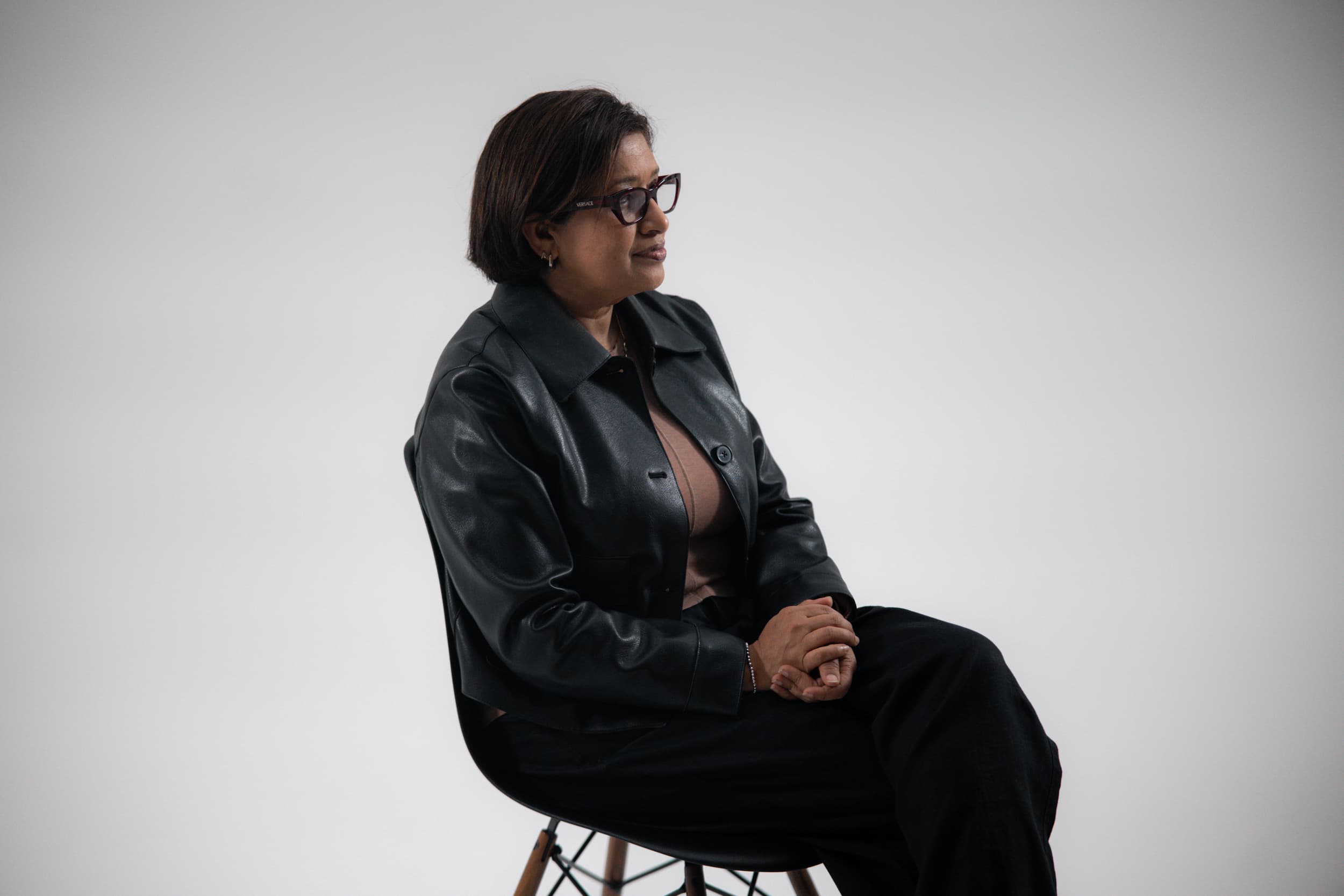
“We achieved double-digit improvements in order-to-delivery performance. Delivery in full, on time improved by double digits in the first year. It then improved by another 10 percent the following year. Our inventory turns improved significantly. Our excess and obsolete inventory dropped by double digits.”
These were the results Google Networking Operations achieved by embedding agility across the supply chain that underpins its critical global data center infrastructure.
Google’s Global Networking team plans, builds, and deploys the servers, racks, switches, and critical networking components that keep services like Gemini, Search, YouTube, and Gmail running. In that environment, as Supriya Iyer, Director of Networking Supply Chain and Operations, noted, “one missing part can cascade fast.”
For her, agility was never about speed at any cost. “Fast but wrong is not acceptable,” she said. It was about enabling faster signal-to-action in a complex, constrained environment, with reliability as the non-negotiable outcome. Moving quickly means nothing if the wrong component is shipped to the wrong data center, delaying deployment and creating downstream rework.
A step-change in Google's operating model
A few years ago, that responsiveness relied on what she described as ‘heroics.’ “It wasn’t repeatable. It wasn’t scalable,” she explained. The inflection point came when the team decided to “engineer agility into the operating model” by leveraging the o9 platform. Decision logic was codified. Planning frequency increased. Cross-functional collaboration improved. Scenario analysis became routine. Inventory shifted from passive buffer to active lever.
“Inventory became more right sized at a country, regional and global level, " she explained. “That freed up cash. It freed up space, and it allowed us to buy what we actually needed and when we needed it.”
As the operating model matured, materials availability “simply stopped being a top-five issue.” One senior leader summed it up by saying, “Supply chain has become boring. We don’t even need to talk about it.”
For Supriya, that was the real signal. “When agility is working, it doesn’t feel like chaos,” she said. “It feels calm.”
That calm has had a measurable human impact.
“The team is healthier mentally, emotionally, physically,” Supriya emphasized. “They’re working on higher-order challenges now,” she said. “They’re managing exceptions, not doing manual reconciliations. Decision cycles are faster. Outcomes are more consistent across regions.”
The shift has also changed how the team sees its own contribution. “My team takes pride in their work,” Supriya added.
“They’re more engaged. They feel good about what they do. They can see the impact.”
RHI Magnesita: Making Every Planning Cycle Count
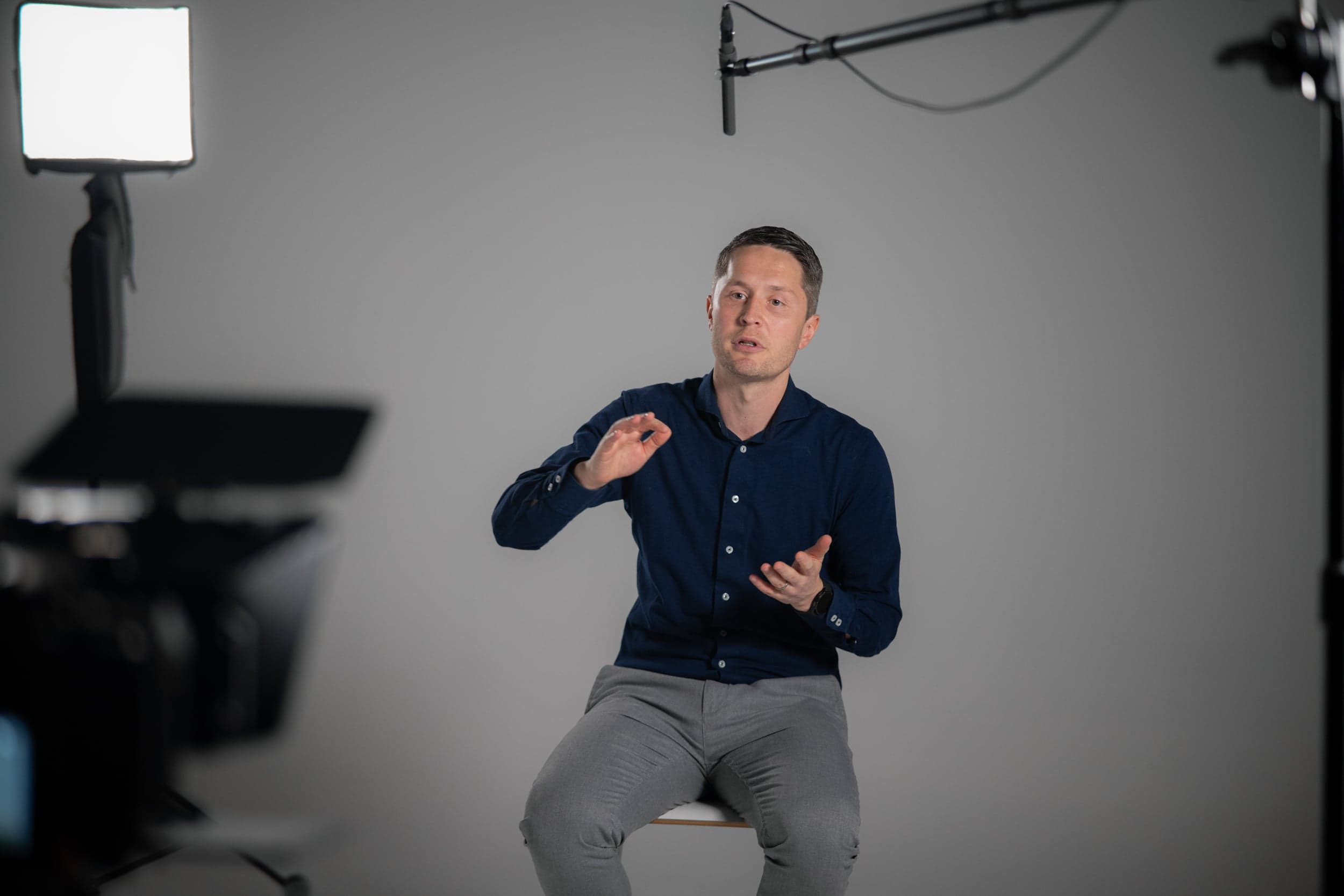
In his masterclass, Rob Steijger, End-to-End Supply Chain Architect at RHI Magnesita, a global leader in refractories, focused on a discipline he believes separates average planning organizations from top performers: rigorous post-game analysis.
“At RHI Magnesita, we like to say that we only have 12 opportunities to improve each year, one for each planning cycle,” Rob explained. The difficulty is that supply chain problems rarely begin where they are felt. “By the time you really feel the pain in a supply chain, you can almost guarantee the issue started somewhere else, and usually much earlier.”
Rob explained how o9 enables the discipline of post-game analysis. The platform “helps us see our business end to end,” plan “at the level of granularity where reality actually lives,” and maintain “one version of the truth” across demand, supply, and finance.
By keeping demand unconstrained and linking operational decisions to financial impact, he said, o9 ensures the team is “improving the business, not just the metrics” with every cycle.
Rob's principles for effective post-game analysis:
- See the system end to end. “Understand the cause-and-effect relationships of your unique system, not just your own function.”
- Start with metrics. “We start from a metric, not from a feeling.” Then slice by product, region, customer, and time horizon, because “averages hide concentration.”
- Protect psychological safety. “The moment people feel that post-game analysis is about finding out who made the mistake, you’ve already lost.”
HPE: Building a World-Class CoE for Continuous Improvement

When organizations commit to continuous improvement and stand up a Center of Excellence behind a planning transformation, as Hewlett Packard Enterprise did, the impact can be significant
In HPE’s case, it meant saving millions of dollars in avoided external development costs while building a capability that continues to deliver measurable ROI.
During his masterclass on how to build a Center of Excellence, Brian Louis, Senior Director of Digital Transformation and Analytics at HPE, explained that the CoE was never intended to be a support desk. It was designed as a business-owned capability responsible for governance, prioritization, configuration, onboarding, and continuous enhancement of the o9 platform. The goal was to create “an engine that could continuously improve the system, grow adoption, and keep proving value.”
Today, the CoE operates as a disciplined, benefits-driven model. Every request must clearly define the business problem and expected outcome before work begins. The organization shifted from “expected value to realized value,” introducing monthly tracking of KPIs and verified benefits to ensure impact is measurable and sustained.
Brian's lessons for building a Center of Excellence:
- Make it business-owned. Positioning the CoE inside the business changed accountability and alignment.
- Blend technical depth with business context. “Business context is teachable, but deep technical capability is scarce.”
- Train while building. The team developed capability during implementation, embedding long-term ownership.
- Prioritize by value. Early on, they “tried to solve too many corner cases.” The shift was to require a clear business case for every enhancement.
- Measure realized impact. The organization moved from estimating benefits to verifying them monthly, shifting “from expected value to realized value.”
Silicon Labs: Driving Continuous Value Through a Self-Service Planning Model
With o9, Silicon Labs now operates with what Daniel Hendri, Business Process Analyst, describes as “automated supply plans, monthly executive versions, daily refreshes, and scenario simulations.”
Silicon Labs is a fabless semiconductor company that designs chips while outsourcing manufacturing across wafer fabrication, assembly, and testing partners. These capabilities, he explained, “help the team remain prepared for dynamic supply and demand shifts.”
But getting there required more than implementation. Much like Hewlett Packard Enterprise, it required a commitment to continuous improvement. In Silicon Labs’ case, that meant standing up a self-service model to ensure the platform could evolve at the same pace as the business.
Arun Kumaran Manickaraj, Operations Analytics Manager, described the shift to a self-service model as foundational to keeping pace with that change. “One of the main reasons why we actually moved into a self-service model was” the speed and complexity of the industry itself.
Benefits of the self-service model
Previously, “integrations [were] done in multiple places,” and when issues surfaced, “it was very hard to debug.” There was no clear ownership. Teams debated “whether the issue was on the client side or… in the online side,” delaying resolution and affecting productivity.
The self-service model eliminated that fragmentation by centralizing ownership and standardizing how data and enhancements flow into the platform.
- First, it established a single source of truth. “We wanted to ensure that there is a single source of truth,” reducing disconnected transformations and conflicting logic.
- Second, it improved data quality at the source. Enhancements are now applied upstream so “whatever that we send… it is mostly clean data,” minimizing downstream errors and rework.
- Third, it improved performance. Batch runtime increased by more than 15 percent, enabling users to “make better decisions… in a much faster way.”
- Fourth, it embedded quality controls. Automated alerts ensure “issues get spotted before even it hits” the platform, shifting the team from reactive troubleshooting to proactive management.
- Finally, it introduced structured prioritization. Requests are evaluated based on “business value and impact… urgency… and available resources,” ensuring effort is aligned to what moves the business forward.
FINSA: Scaling Resilience Beyond Individual Expertise
For years at FINSA, a highly customized decorative wood manufacturer with more than a million possible product combinations, supply chain resilience lived “primarily in people,” explained Christina Martinez, the company’s Supply Chain Director.
When disruption occurred, progress depended on experience and expertise. That approach worked, but as complexity increased across thousands of SKUs, multiple plants, and shifting demand patterns, its limits became clear. “Not a single area or individual could fully understand the ripple effects,” she said.
The question shifted from whether FINSA was resilient to whether that resilience was structured, scalable, and consistently enabled by the system. That realization prompted the company to embark on a planning transformation journey with o9, moving from people-dependent resilience to connected, system-enabled intelligence.
Several fundamental shifts in FINSA's operating model took place:
- One shared reality across teams: “Alignment has become easier because we are finally looking at the same reality. Now.” Planning no longer happens in silos. “When one team makes a decision, other teams can immediately see the impact. Decisions are connected and so are consequences.”
- Collective intelligence, not isolated expertise: “Resilience started to show up as collective intelligence instead.” With everyone seeing the same picture, decisions are informed by “a whole system, not just one point of view.”
- Scenario planning that prepares the organization before disruption hits: “Disruption isn’t an exception. It’s part of the environment we operate in.” The team recognized “how often we were reacting instead of preparing.” Today, “we already assimilated many of the scenarios that used to create stress,” so when disruptions occur, they are anticipated rather than unexpected.
- Calmer, more confident responses under pressure: “The response is calmer.” “The system absorbs a lot of the complexity before it ever reaches people,” enabling decisions made with “confidence, alignment, and the ability to respond without panic.”
Apollo Tyres: Making Smarter Decisions, Faster
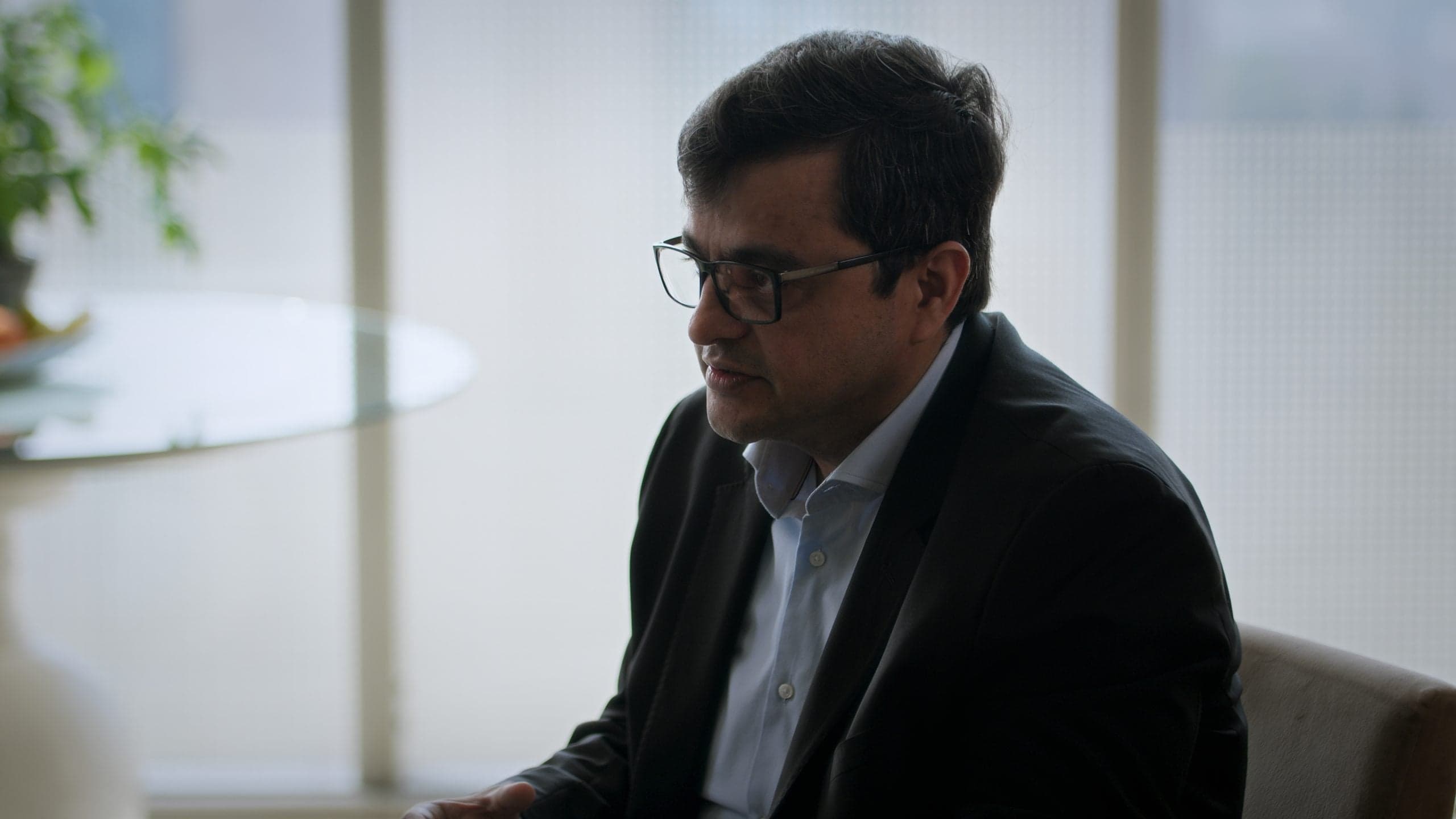
Leading global tire manufacturer Apollo Tyres is on a journey to build real-time decision-making across its value chain, and that journey includes adopting a best-in-class platform as the scalable foundation.
As Arjun Varma, Group Head of Supply Chain Strategy and Transformation at Apollo Tyres, explained, Apollo selected their planning platform for its "scalable architecture," the ability to drive integrated supply chain decision-making, and a platform they believe can support the business "for the next 10 years."
Arjun described the ambition as creating "end to end value chain visibility… on a real time basis," tightly linked to their planning processes. Visibility is foundational, but he emphasized that planning is what adds intelligence and builds readiness. "Planning processes come and play a critical role, because they add intelligence into this entire approach," he said.
That intelligence across the strategic and tactical horizon creates the readiness needed across the value chain to manage volatility in the operating horizon.
For Apollo Tyres, planning will play the role of a differentiator, enabling faster, more connected supply chain decisions in real time.
Continue the conversation at the aim10x Summits
A fundamental evolution of the operating model is underway. The presentations at aim10x Digital made clear that agility, intelligence, and autonomy are fast becoming enterprise imperatives. The next step is understanding what that shift means for your organization, and how to lead it with confidence.
To experience the APEX operating model in action, join us at:
- aim10x Europe, June 4th in Amsterdam
- aim10x Americas, September 23rd in Chicago
Across both events, you will see how leading organizations are redesigning their operating models for a volatile and complex world and what it takes to move from connected and analytical to truly agile, adaptive, and autonomous.
Value for leaders and practitioners
As a leader, you will gain practical insight into modernizing legacy models, aligning teams around faster end-to-end decision-making, and scaling AI across the enterprise. As a practitioner, you will see how AI-powered tools, real-time insights, and agentic planning can elevate your impact and shift focus from manual work to strategic value creation.
Through visionary keynotes, live agentic demonstrations, curated 1:1 networking, and focused tracks for executives and planners alike, you will leave with clear direction, meaningful connections, and actionable next steps.
Register early. Bring your team.
Attendance is free and capacity is limited. Register early, bring your team, and position your organization to lead the next evolution of the operating model.
About the authors

Alberto Fabregat
SVP, Strategy & Sales
Alberto is a fervent advocate for the power of planning and decision-making technology to create ripples of positive impact on both society and our planet. Currently Senior Vice President of Strategy & Sales, he brings over a decade of experience in Digital Strategy and Integrated Business Planning, helping companies optimize their supply chains and embrace innovative technologies.