AI-Driven Annual Operating Plan (AOP) & Budgeting Software for Enterprises


UNLOCKING BILLIONS IN VALUE FOR CLIENTS IN 30+ INDUSTRIES
Align performance with business goals with an operating plan that captures strategic intent. Move from static annual budgets to continuous financial alignment.
Annual Operating Planning on the o9 Digital Brain transforms budgeting from a one-time, negotiation-heavy exercise into a continuous, decision-oriented process that stays relevant throughout the year. Instead of locking financial targets early and managing variance after the fact, organizations align top-down objectives with bottom-up operational and commercial realities — and keep that alignment intact as conditions change.
In traditional environments, AOP often becomes disconnected from how the business actually operates. Finance sets targets, functions respond with plans that may or may not be feasible, and reconciliation happens late, manually, and with limited transparency. o9 replaces this model with a shared planning system where financial outcomes are directly driven by demand, supply, pricing, and cost assumptions — making accountability explicit and adjustment possible.
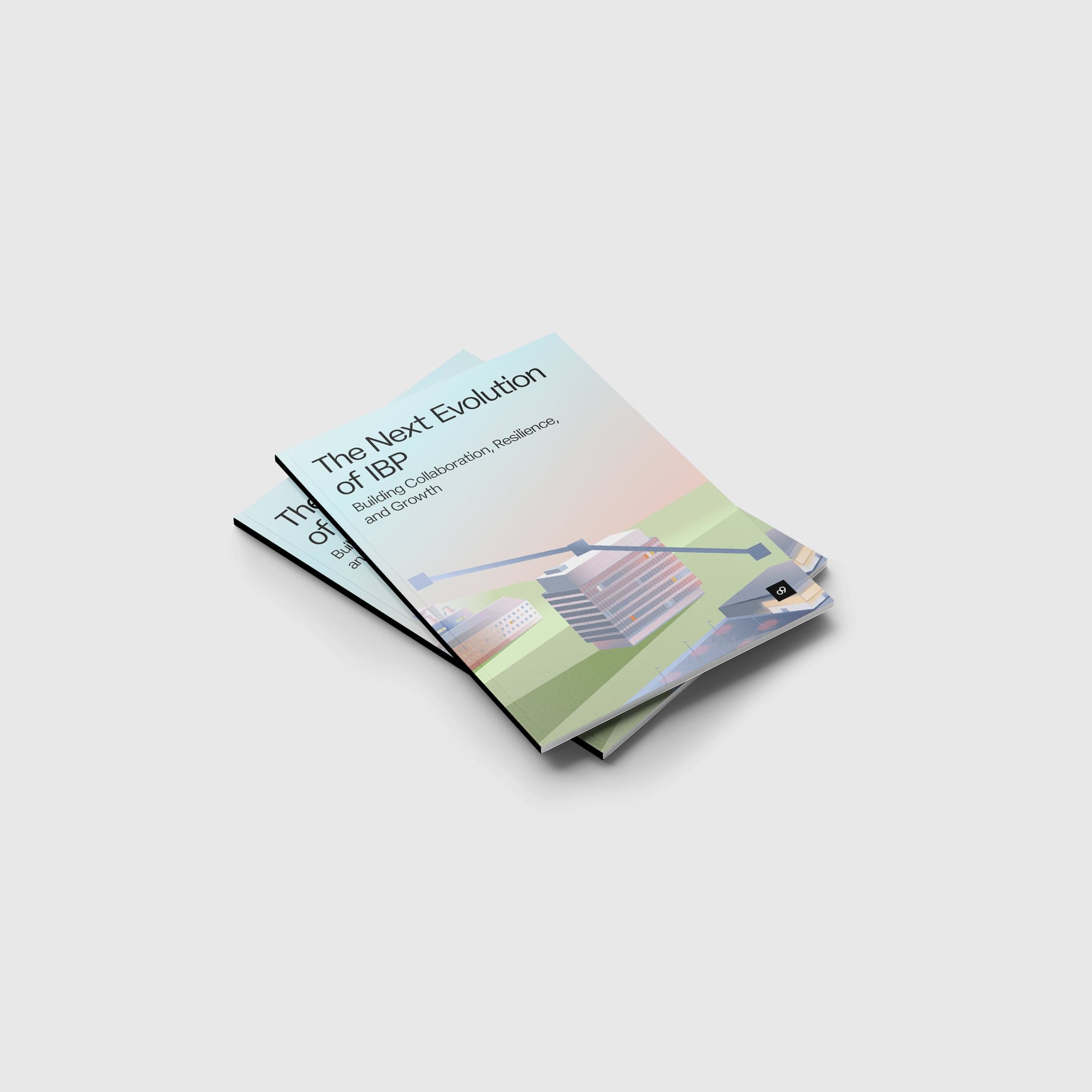
Business challenges organizations face
The Annual Operating Plan plays a critical role in translating strategy into financial commitments. It sets expectations for revenue, margin, cost, and investment, and serves as the benchmark against which performance is measured. Yet despite its importance, AOP is often one of the least adaptive processes in the enterprise.
Traditional AOP cycles are time-consuming and brittle. They rely heavily on spreadsheets, offline negotiations, and manual reconciliation between Finance and Operations. Assumptions are frozen early to meet deadlines, even when market conditions remain uncertain. As the year progresses, the plan rapidly loses relevance, forcing teams to manage the business outside the budget rather than through it.
This disconnect creates real consequences. Targets become unrealistic or overly conservative. Teams focus on explaining variance rather than improving outcomes. Opportunities and risks emerge too late to be addressed meaningfully. In volatile environments, static budgets actively work against agility.Modern AOP addresses these challenges by turning budgeting into a continuous alignment mechanism rather than a fixed annual event.
With o9, you can leverage multiple models for top down target setting including, LY, market opportunity, benchmarking. Enable analytics-based bottom-up planning models to unlock baseline and incremental opportunities.
From Annual Negotiation to Continuous Alignment
In this model, the AOP becomes the financial backbone of Integrated Business Planning. Strategic priorities flow into financial targets. Demand, supply, and pricing plans validate feasibility. As assumptions change — whether due to demand shifts, cost volatility, or supply constraints — the financial outlook updates automatically, enabling timely course correction.
Leading organizations are redefining AOP as a living plan that evolves with the business. Instead of negotiating numbers once per year and defending them thereafter, they maintain continuous visibility into how operational and commercial decisions translate into financial outcomes.
This approach preserves financial discipline while dramatically improving responsiveness. The organization remains aligned around a single financial ambition, without being constrained by outdated assumptions.
What this solution enables
What Makes o9 Different
Industries Supported






























Powered by the o9 Digital Brain
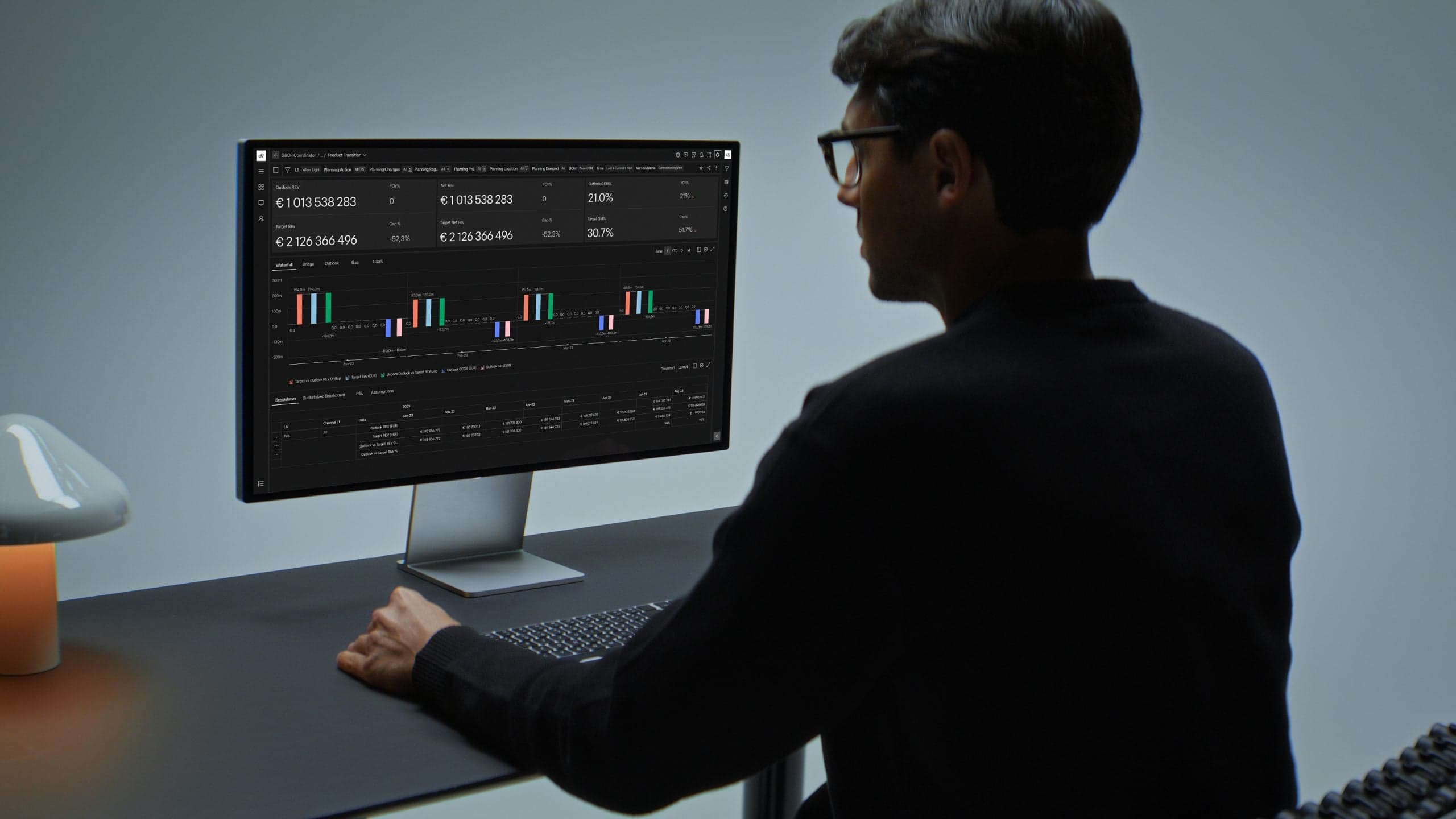
Sales & Operations Planning runs on the o9 Digital Brain, powered by the Enterprise Knowledge Graph (EKG). The EKG models relationships across products, customers, locations, resources, and financial structures, creating a digital twin of the planning environment.
This architecture enables fluid aggregation and disaggregation, allowing executives to plan at an enterprise level while planners validate feasibility at detailed levels — all within the same model.
Modular by design, enterprise by default
o9 accelerates S&OP deployment through modular building blocks that establish core data models, workflows, and governance. These include demand planning, supply and capacity planning, inventory modeling, and financial reconciliation, all operating on a shared foundation.
Organizations can adopt these capabilities incrementally while maintaining alignment with broader IBP objectives.
Core Building Blocks
These foundational components establish shared data, network visibility, and collaborative workflows across the supplier ecosystem.
Advanced Building Blocks
These components apply AI and automation to turn collaboration into proactive orchestration and resilience.

A digital operating model for VUCA conditions
APEX is o9’s AI-powered operating model for enterprises navigating volatility, uncertainty, complexity, and ambiguity (VUCA). It enables organizations to plan, execute, and learn as one connected system.

The o9 Digital Brain powers APEX by connecting enterprise data, knowledge, and decisions through a single intelligent model.
Collaborative Demand Planning is one of the building blocks of the Digital Brain. It contributes domain-specific capabilities into the enterprise-wide model that enables APEX from the ground up—linking this solution to decisions across the entire value chain.
→ Learn how the APEX Operating Model works
Where AI drives real decisions
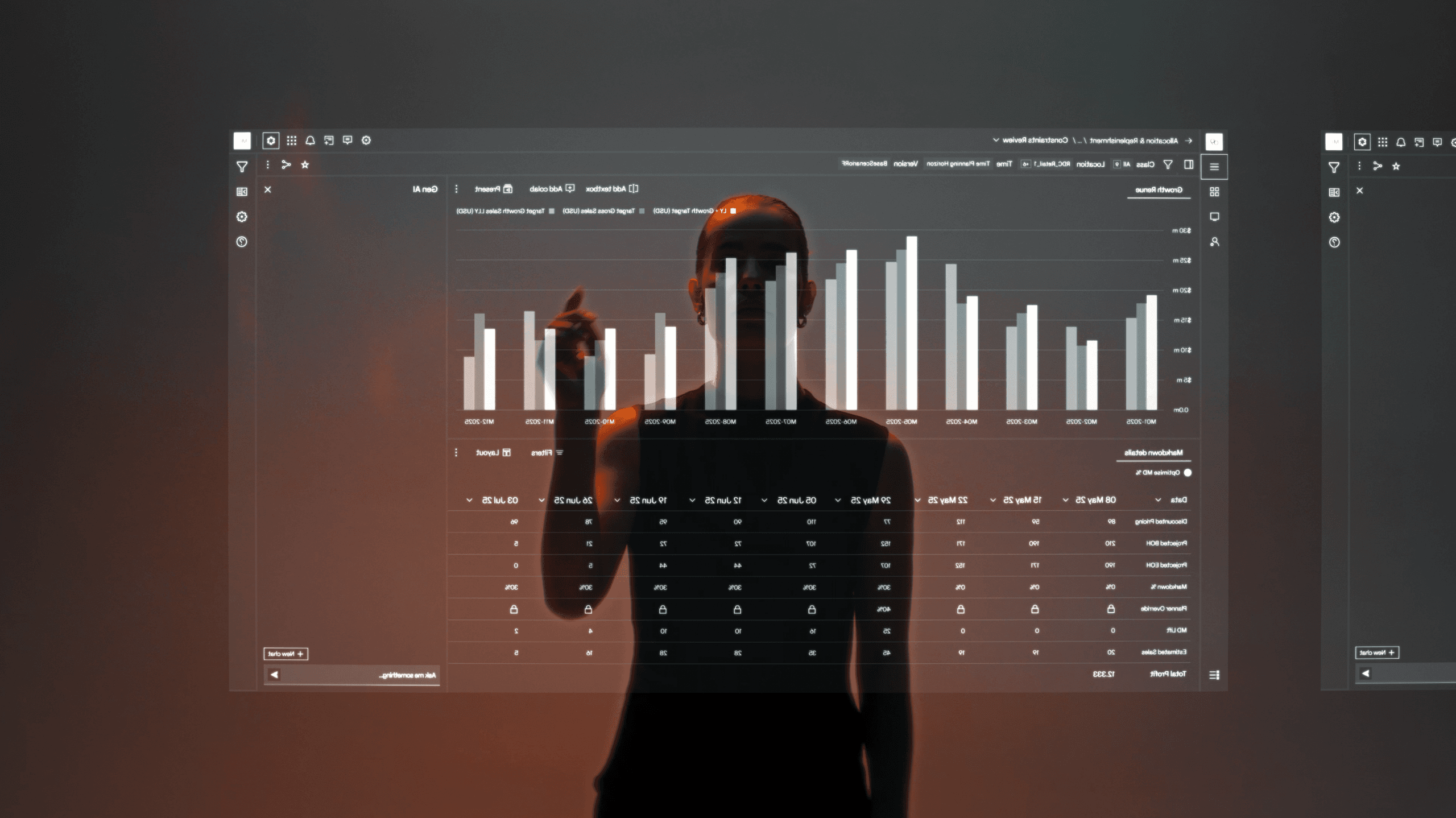
Artificial intelligence enhances AOP by improving objectivity, speed, and insight.
Machine learning models generate unbiased baseline forecasts, providing a neutral starting point for target-setting discussions.
Driver analysis identifies which levers have the greatest impact on financial outcomes, helping teams focus where it matters most.
Prescriptive analytics recommend gap-closure actions and quantify trade-offs between competing initiatives.
Generative AI enables natural-language exploration of financial scenarios, allowing users to ask questions such as how a pricing change or demand shift would affect margin or cash.
→ Learn more about o9 AI innovations
Results in real-world complexity
What our customers say
“So with IBP, what we are achieving now is one single source of truth. Everyone aligns behind one number, with the ultimate accountability for IBP being the general manager. So you take the power out of the functions and give it to the general manager to run the business as they see fit, which is unbelievable.”
Dr. Athina Kanioura
Chief Strategy and Transformation Officer
Related solutions

Long Range Planning (LRP)
Build strategic plans for your organization over a longer time horizon. Forward-looking, data-backed insights so your plan is prepared for anything. Translate long-term strategy into an executable, resilient operating model.

Collaborative Demand Planning
Collaborative Demand Planning on the o9 Digital Brain enables cross-functional teams to co-create, reconcile, and commit to a single, transparent demand plan, powered by shared assumptions, real-time collaboration, and AI-driven automation.

Multi-Echelon Inventory Optimization (MEIO)

Digital IBP
At its core, IBP is designed to translate strategic intent into coordinated, financially sound actions across the enterprise. Yet in many organizations, IBP has devolved into a monthly cadence of spreadsheet reconciliation, slide preparation, and functional compromise—producing alignment in theory, but limited impact in practice.

Revenue Growth Management
Optimize your commercial plans and drive profitable growth with AI-driven, end-to-end connected RGM solutions.

Frequently Asked Questions (FAQ)
Modern AOP is continuous, driver-based, and integrated with operational planning, whereas traditional budgeting is static and spreadsheet-driven.