6 read min
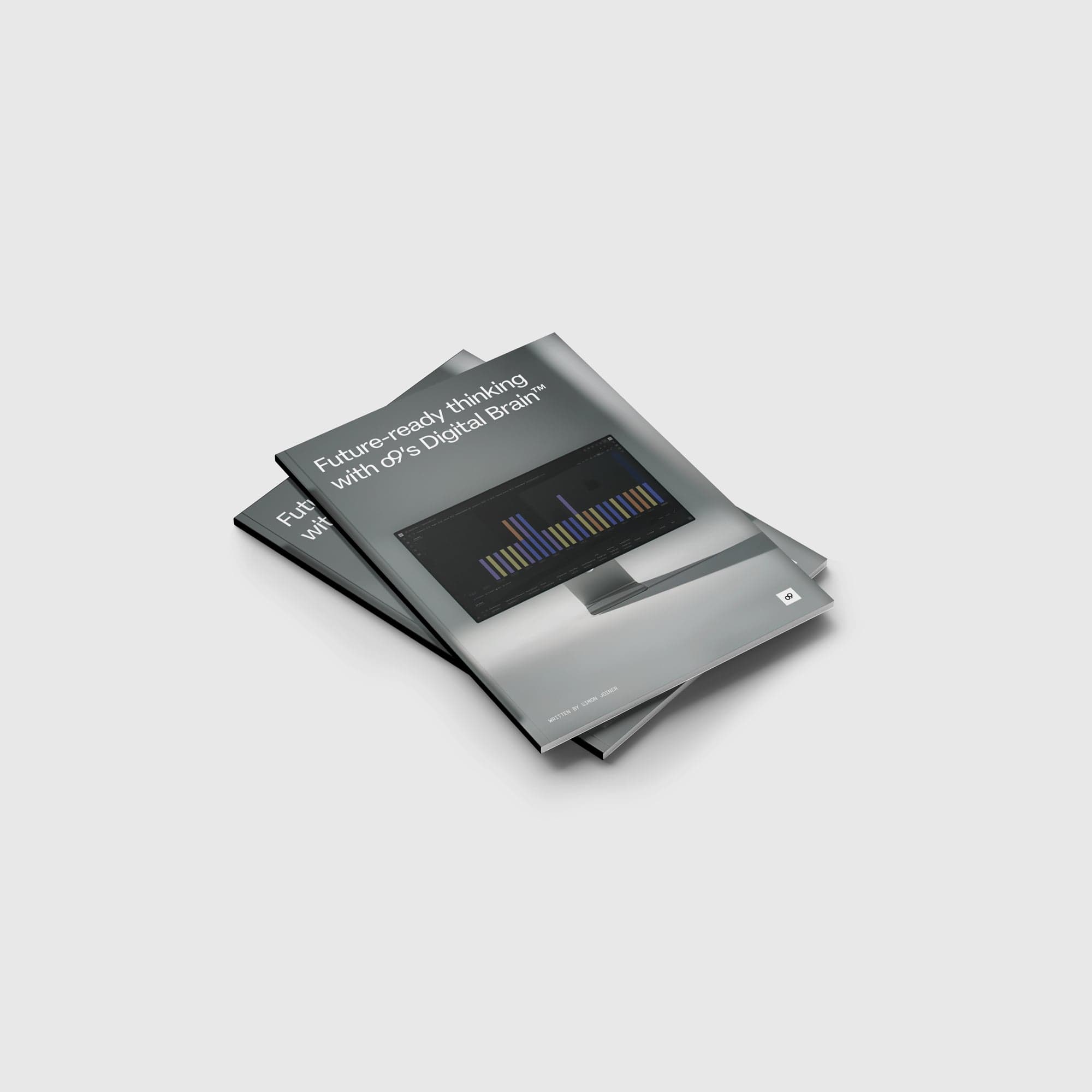
To read our newest White Paper on Supply Chain Master Planning, please refer to this resource page.
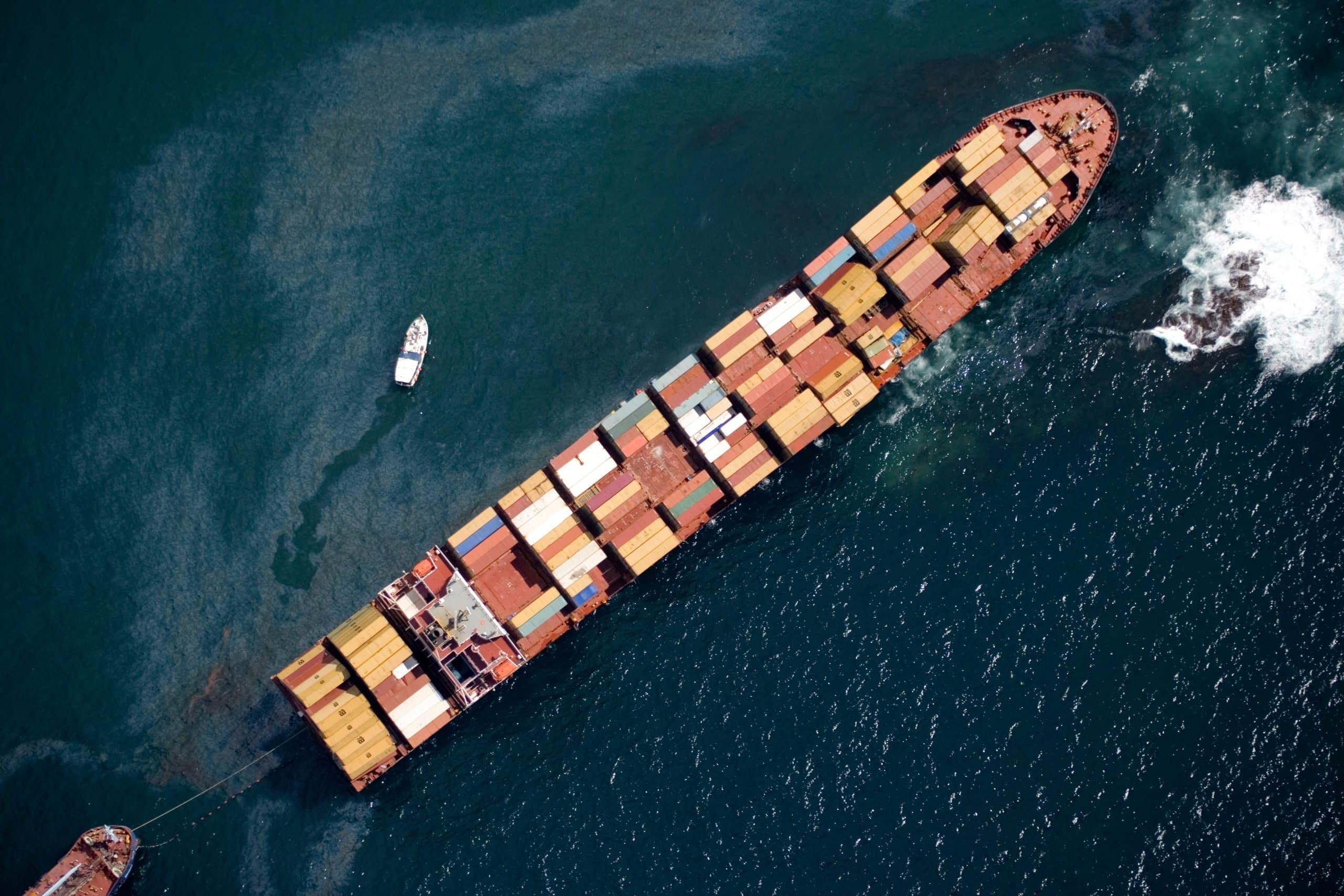
In early 2021, the world watched as one of the largest container ships ever built, Ever Given, became lodged in the Suez Canal, halting nearly 12% of global trade for several days. That same year, a winter storm in Texas froze critical infrastructure, bringing automotive production to a standstill. In 2023, tensions in the Red Sea forced shipping companies to reroute thousands of vessels. Now, in 2025, a fresh wave of global tariffs is once again reshaping sourcing and production decisions.
These supply chain disruptions are not isolated events; they are part of a new reality that is constant, interconnected, and increasingly difficult to predict. For companies that rely on global production and distribution networks, these events have exposed a painful truth: traditional planning methods are not built for this level of complexity.
This article outlines the core capabilities required to meet today’s challenges and turn disruption into opportunity, written for supply chain leaders ready to build resilience, boost profitability, and stay ahead of change.
1. Connect planning across all horizons
Many companies still struggle to align their strategic goals with day-to-day operations. Plans are created in silos, strategic on one end, executional on the other, and often fail to meet in the middle. As a result, long-term decisions don’t translate into action, and short-term disruptions derail carefully laid plans.
Modern supply chains need seamless integration across strategic, tactical, and operational supply chain planning. This means ensuring that a six-month forecast, a weekly S&OE process, and a daily production schedule all work from the same assumptions, data, and goals. By unifying planning horizons, businesses can adapt faster, manage trade-offs more effectively, and deliver on customer promises without losing sight of their broader strategy.
2. Use scenarios to make smarter decisions
What happens if a key supplier shuts down? What if demand spikes next quarter? What’s the best way to respond to a transportation bottleneck?
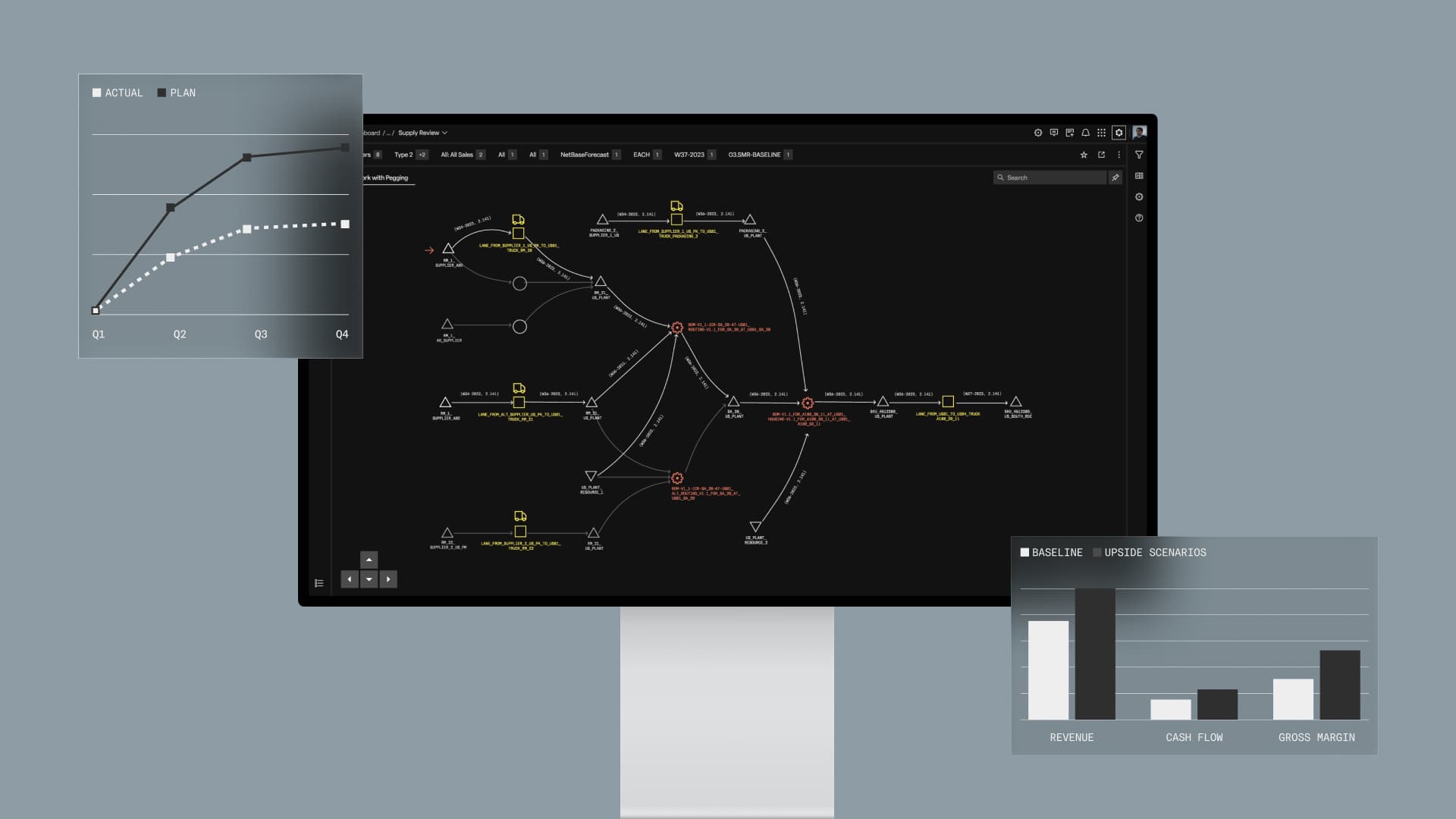
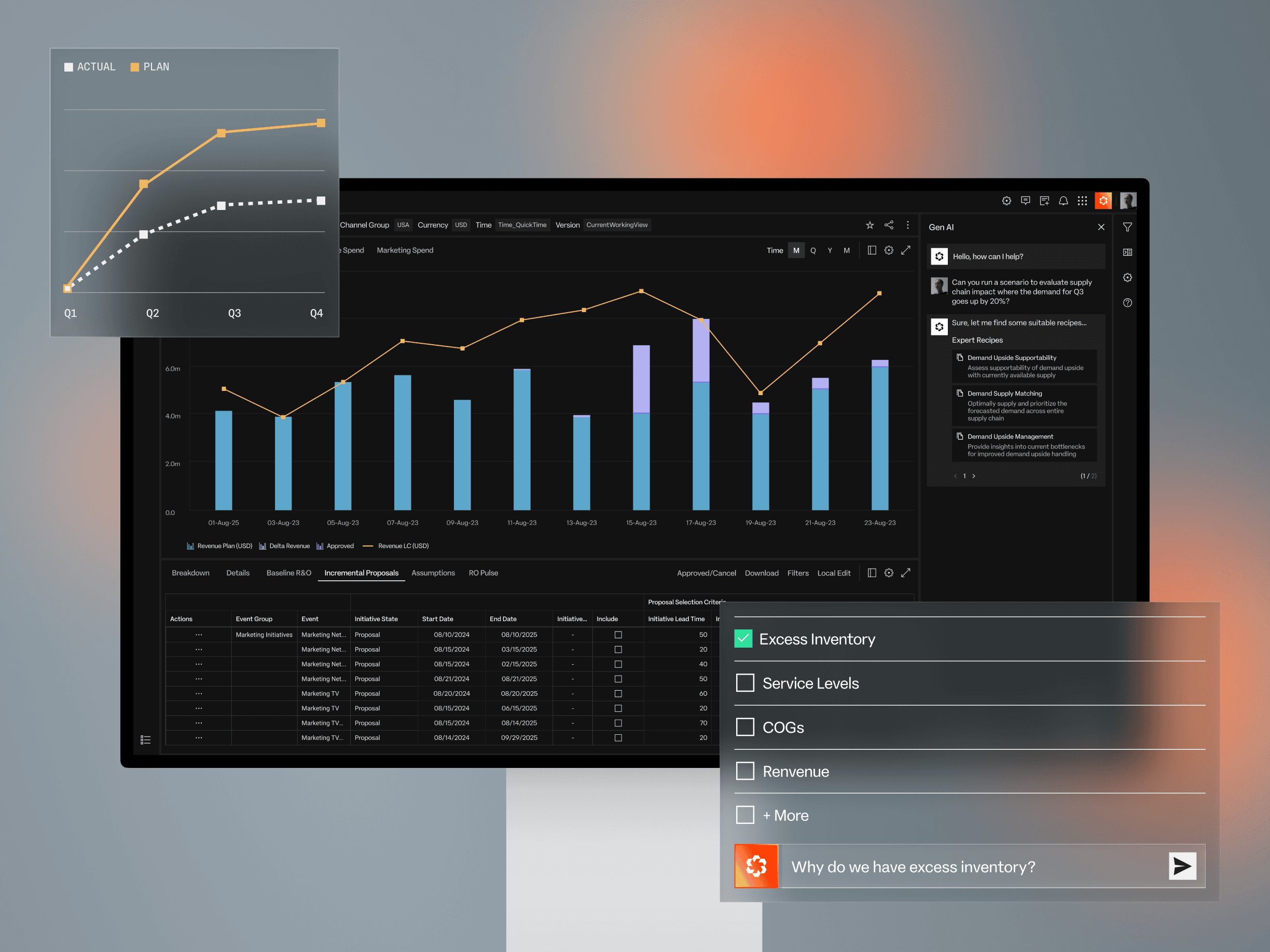
Scenario-based planning helps organizations explore these questions in advance. By simulating different supply and demand scenarios—and evaluating the risks, constraints, and cost impacts of each—planners can make informed decisions instead of reactive guesses.
The ability to model uncertainty also improves cross-functional alignment. Scenarios create a shared view of trade-offs and outcomes, helping teams work together to make value-adding decisions under pressure.
3. Look beyond tier-1 suppliers
One of the biggest risks in modern supply chains is what you don’t see. Many disruptions—whether due to raw material shortages, regional shutdowns, or political instability—start with second- or third-tier suppliers. If you only track immediate vendors without proactive supplier risk management, you’re often too late to act.
That’s why extended value chain visibility is essential. Organizations need insight into upstream capacity constraints, supplier lead times, and potential failure points across their networks. This isn’t just about risk prevention. It’s also about enabling more agile planning, better collaboration, and faster response times when the unexpected happens.
4. Build agile response capabilities
Once a disruption hits, how fast can your organization respond?
Agility depends on more than good instincts. It requires real-time insights, advanced modeling, and coordination across teams. That’s where digital twins and supply chain control towers come in.
Digital twins allow companies to model their supply chains in detail, test different responses, and simulate outcomes before making a move. Control towers provide real-time visibility and alerts, helping planners react quickly when conditions change. Together, they form the foundation of a supply chain that adapts to shock waves in real time.
5. Accelerate decisions with AI and automation
As planning becomes more complex, speed and consistency become critical. Manual processes slow things down and leave room for error. That’s why many companies are now turning to AI-enabled decision intelligence and automation.
AI and ML forecasting can help planners detect patterns, forecast outcomes, and optimize decisions across multiple variables. Automation can handle routine tasks (like generating replenishment plans or adjusting inventory targets) freeing up human planners to focus on high-impact activities.
This isn’t about replacing expertise. It’s about multiplying it, so that every decision is faster, more consistent, and backed by data.
6. Make sustainability part of every decision
Customers, investors, and regulators are all demanding more sustainable operations. But without the right tools, it's hard to measure the environmental impact of supply chain decisions, let alone reduce it.
With sustainability embedded into the planning process, companies can track emissions, energy use, and waste in real time. They can model trade-offs between carbon reduction and cost, and make sourcing and packaging decisions that align with both business goals and environmental standards.
The key is to integrate sustainability into the same platforms and workflows used for planning, not treat it as a separate initiative.
7. Retain knowledge in the face of talent turnover
High turnover among supply chain planners is a growing concern. When experienced employees leave, they often take critical institutional knowledge with them. Training new hires takes time, and time is in short supply during disruptions.
To address this, companies are using AI agents and unified data platforms like the o9 Digital Brain to capture and share knowledge across teams. These tools provide guided support, answer planner questions, and generate executive summaries on demand. More importantly, they ensure that organizational expertise lives on, even when individual experts move on.
8. Stay flexible in a changing world
No matter how advanced your technology, success depends on your ability to evolve. That’s why platform flexibility matters.
Organizations need systems that can quickly adapt to new business rules, planning models, and market conditions. They also need tools that encourage trust and adoption among users. If planners don’t believe in the system (or can’t tailor it to real-world needs) they’ll revert to spreadsheets and workarounds.
Flexible architectures, open APIs, and customizable solvers help ensure that planning systems remain relevant, trusted, and widely adopted.
Supply chain challenges aren’t going away. In fact, they’re becoming more frequent, complex, and interconnected. But with the right capabilities in place, companies can shift from reacting to disruptions to proactively managing them, and even turning them into opportunities.
That means integrating planning across all horizons, building visibility deep into the value chain, using AI and automation to accelerate decisions, and embedding sustainability, agility, and knowledge sharing into the core of your planning process.
These capabilities are no longer optional. They’re essential for resilience, profitability, and long-term success.
About the authors

The Editorial Team, o9
A multidisciplinary collective of editors, strategists, technologists, and former executives with experience across Fortune 500 companies and top consulting firms. Grounded in o9’s mission to help enterprises make faster, better decisions through the power of AI-driven planning and execution software, the team shares clear, practical insights on digital transformation, supply chain, and enterprise planning to support business leaders in navigating complexity and driving change.