Consumer Survey

o9 Consumer
Survey 2025

o9 Survey Reveals American Perceptions of Tariffs, Current Economic Conditions and Their Potential Impact on Holiday Spending

2025 Holiday Outlook: Trade Uncertainty Drives Value-Based Shopping

why it matters
Holiday outlook at glance

Tariffs and trade uncertainty are back on the consumer’s mind. Prices feel higher. Choice feels tighter. Our U.S. Shopper Spotlight, fielded August 18–22, 2025 with 1,000 census-balanced adults, shows a clear shift toward value-driven shopping ahead of the holidays. Brands that connect pricing, promotions, and portfolio decisions to real demand signals will be ready to protect growth when sentiment wobbles.

American shoppers are entering the 2025 holiday season with caution, focusing more on need, value, and timing than ever before.
Nearly half of Americans (45%) worry global trade issues could limit their ability to find the products they want this holiday season.

Consumers believe that trade restrictions and tariffs will affect holiday spending prices.

Promotions will matter

About one in five say they’ve recently skipped a needed or wanted purchase because of the economy. Promotions will matter, but so will product value. Shoppers are mixing frugality with a willingness to pay for durability.

  • 32%

    Plan to cut back holiday spending due to tariffs or trade restrictions.

  • 31%

    Will trade down to lower-cost brands.

  • 75%

    Say they’re buying more on need than want.

  • 55%

    Usually wait for sales before buying.

  • 42%

    Would still choose a more expensive item if it delivers better quality or durability.

  • 33%

    Of consumers seem to choose lower-cost brands as opposed to popular, more expensive brands.

Interactive Tour

Take a tour

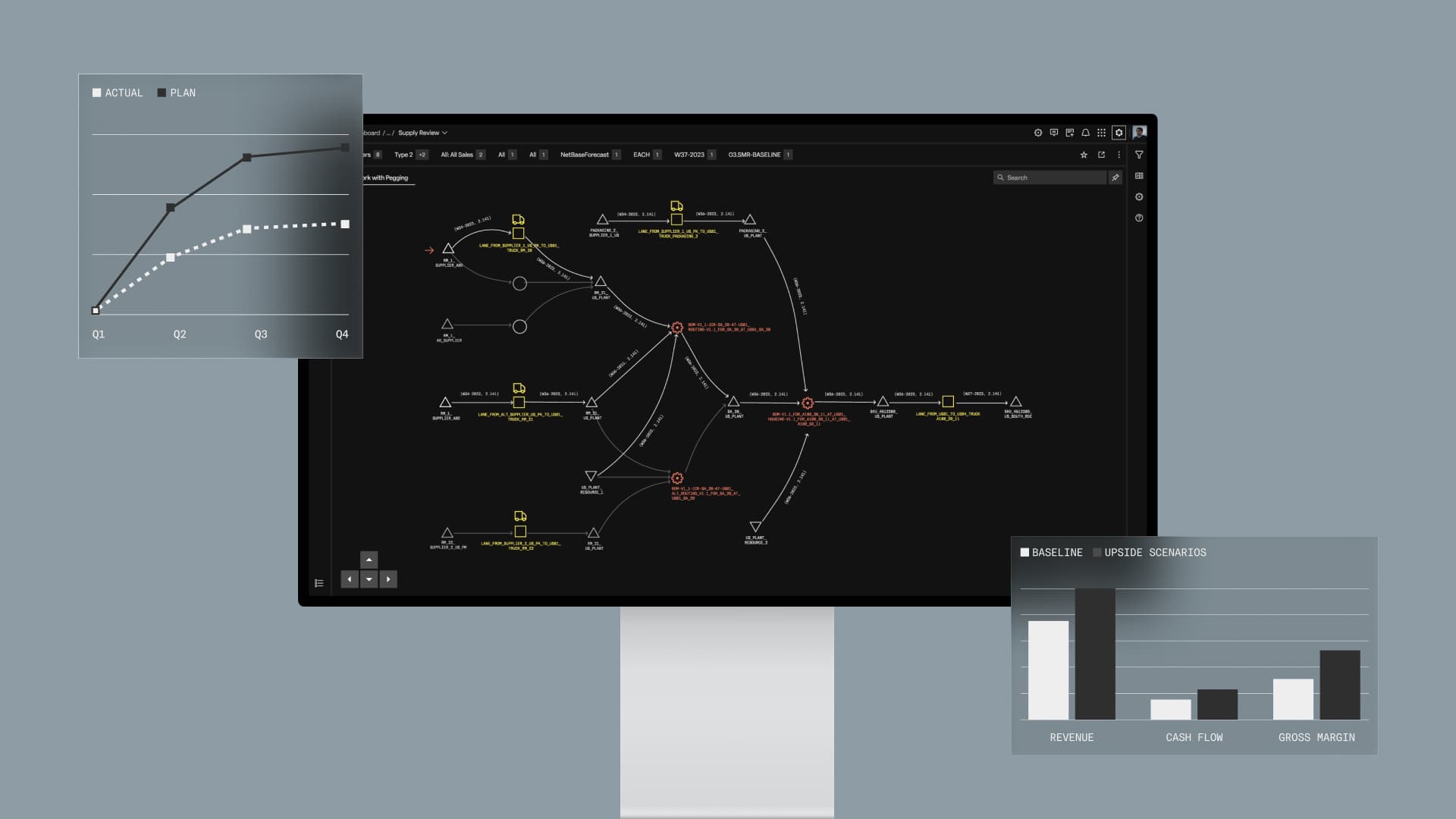
See how the o9 Digital Brain unifies planning, forecasting, and execution through AI-driven intelligence.

survey results

Imported goods and tariff perceptions

Half of the survey respondents (50%) believe tariffs are driving recent price hikes, especially in everyday categories like electronics, food, and automotive. Electronics top the list of categories where Americans have noticed price increases.

Imported good and tariff perception

Price differences and perceived value will determine choices.

Planned behaviors for imported products clarifies on the widespread perception of tariff impact. However, consumer behavior is nuanced.

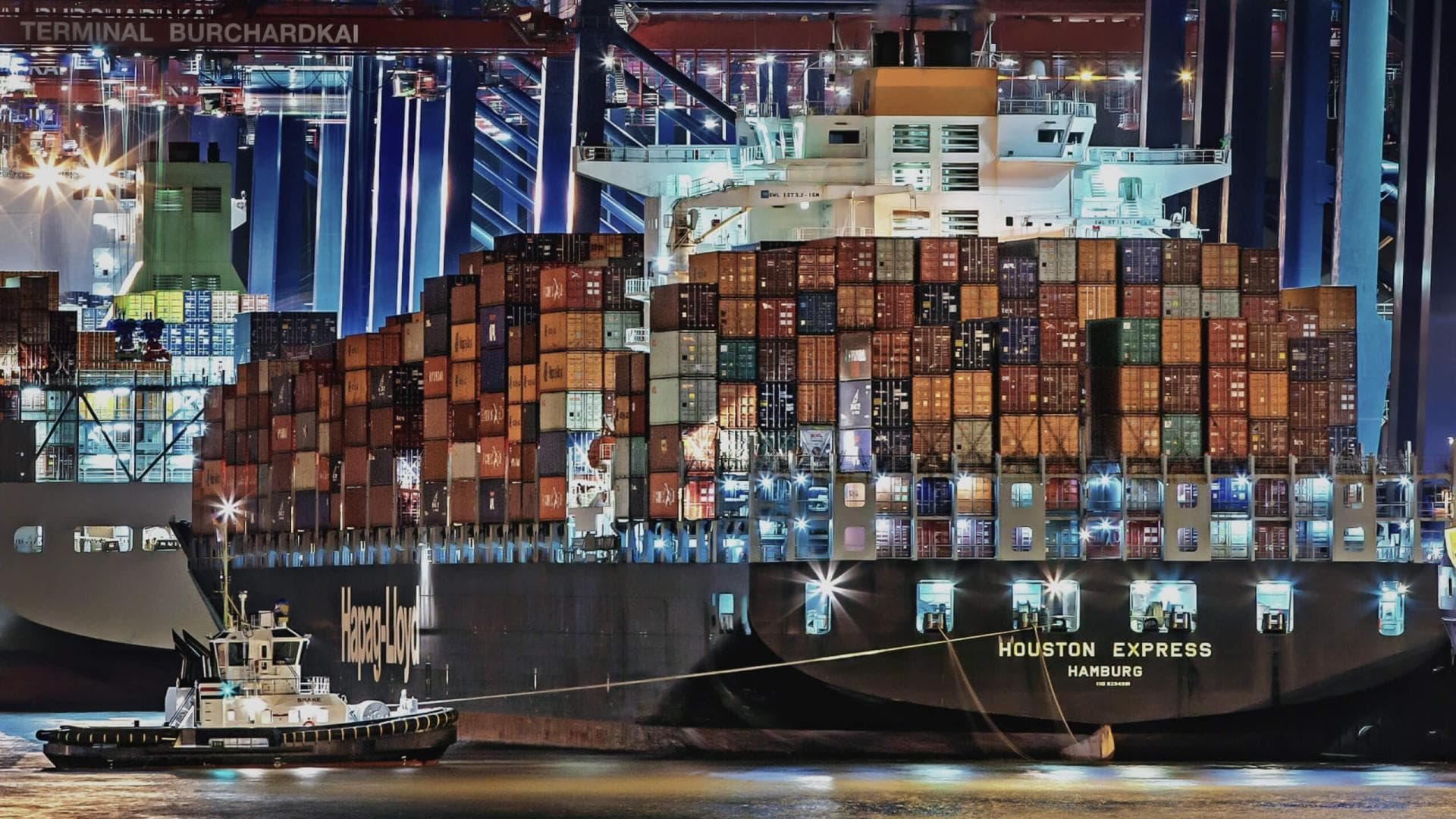
Loaded cargo ship night 1

Due to tariffs and trade restrictions, about a quarter of respondents stated they would buy local goods instead of imported goods.

Almost half of respondents said that they will make a decision of buying local vs. imported goods depending on the price gap of those goods.e section with a short intro text.

  • 26%

    Of consumers will buy fewer imported goods.

  • 43%

    Of consumers say it will depend on the price gap.

  • 27%

    Of consumers would still buy imported goods even if tariffs make the goods more expensive.

  • 25%

    Of consumers would still buy imported goods, even if tariff prices make these goods more expensive.

What this means for brands
and retailers

Detect when and where trade concerns change conversion, basket mix, and channel preference.

How o9 helps you win this holiday season

The o9 Digital Brain gives commercial, supply chain, and finance teams a single, AI-powered environment to turn uncertainty into action.

  • Real-time demand sensing to spot shifts in need-based buying and promotion responsiveness
  • Advanced price sensitivity and promo optimization to balance volume, mix, and margin
  • Assortment and portfolio decisions informed by quality perception and cross-elasticities
  • Supply planning and allocation that protect availability on the items that matter most
  • What-if scenario planning for tariffs, trade restrictions, and supplier variability