6 read min
Is Speed Really the Same Thing as Progress?
Lately, I’ve been thinking about how much stress we’ve all come to accept as normal. Everything feels faster. More notifications. More meetings. More activity. Somewhere along the way, speed itself has started to feel like progress.
When something goes wrong, our instinct is often to do more. We move faster. We react immediately. But more movement isn’t the same thing as genuine progress. In many cases, it’s just motion without clarity.
As someone who’s quite literally constantly on the move, I was reminded of this recently when my flight was canceled late in the day. In the past, I would’ve started scrambling. Searching for alternatives. Standing in lines. Watching options disappear in real time and feeling my blood pressure rise with every passing minute. But this time, I just opened my travel app, chatted with a chatbot that showed me a few alternatives, and within five minutes everything was rebooked, all from my hotel room. No panic. No elevated blood pressure. Just a clear set of options and a simple decision. I actually felt calm.
That experience stuck with me because it captured what I believe real agility should feel like. The situation still changed. The disruption still happened. But the system absorbed the complexity so I didn’t have to. I had the right information at the right time to make a better decision. And instead of increasing stress, it reduced it.
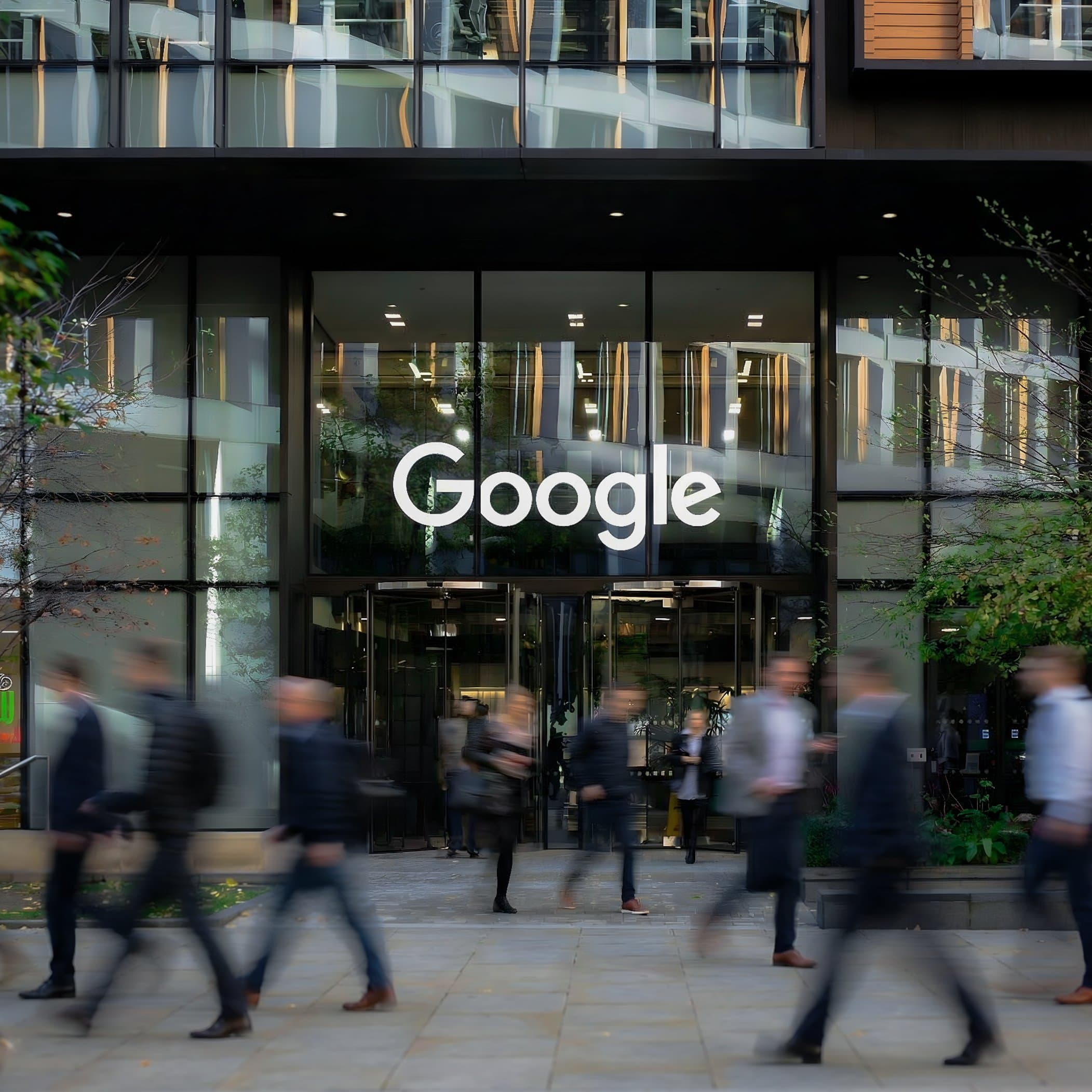
It also made me think about an upcoming session at aim10x Digital, o9’s largest online virtual event, on March 18, where Supriya Iyer, Director Networking Supply Chain and Operations at Google GGI (Google Global Infrastructure), will lead a first-ever virtual masterclass. It’s a new, more teaching-focused format, designed to go deeper into how Google has approached agility in one of the most complex operating environments in the world.
Agility at Global Scale
To understand why this story matters, it helps to think about Google GGI in very everyday terms.
Every day, people use Google to do simple things. They search for directions in Google Maps before leaving the house or join a Google Meet call for work or school. They watch a video on YouTube, send an email on Gmail, or ask Gemini for help. Most of the time, they never stop to think about what makes those moments possible. They just expect everything to work.
But behind each of those everyday experiences is physical infrastructure. Real equipment. Real hardware. Networking gear, servers, and data centers spread across the world, all working together so information shows up instantly when someone needs it. The goal of Google GGI is to design, build, and operate that global network so Google’s services are fast, reliable, and available everywhere, all the time.
Keeping that infrastructure running is less like managing software and more like coordinating a massive construction project, repeated thousands of times. Many parts have to arrive together, often within tight access windows. If even one component is missing, the entire deployment pauses. Crews wait. Schedules slip. Costs increase.
At Google’s scale, those pauses don’t stay isolated. A delay in one place can ripple outward, affecting timelines, teams, and services far beyond a single location. What starts as a small disruption in the supply chain can quickly turn into a degraded experience for people on the other side of the screen. A map doesn’t load when someone is already running late. A video call freezes in the middle of an important meeting. An email won’t send when a deadline is minutes away. A service that people rely on simply isn’t there when they need it most.
That’s why, in an environment like this, agility can’t mean rushing. A fast but poorly informed decision can lead to outages, compliance issues, or service delays that affect millions of people. Reliability isn’t optional. It’s the outcome the entire system exists to protect.
Redefining What Agility Really Means
What I find compelling about Google’s journey is how clearly they reframed what agility needed to mean for their business. It isn’t about reacting faster after things break. It’s about sensing change earlier, understanding what truly matters, and acting with confidence before pressure builds.
I’ve seen many organizations try to achieve this by adding buffers or manual workarounds. More inventory, checks or escalation paths. That can work temporarily, but it usually creates more stress, not less. The organization gets heavier, not more responsive.
When agility is built the right way, the day-to-day experience changes. Planning happens more often, but with less friction. Issues surface earlier, when they’re easier to address. Teams spend less time trying to understand what changed and more time deciding what to do next.
Over time, something subtle but important happens. The noise decreases. There are fewer emergency meetings. Fewer surprises. Fewer data wars. Leaders stop worrying about whether commitments will hold, because the system consistently surfaces risks before they turn into crises.
I’ve learned that this is one of the clearest signs that agility is working. Not constant motion, but steady execution. Not silence because nothing is happening, but calm because the organization knows how to respond.
That’s why the masterclass in supply chain agility Supriya will give on March 18 is so relevant right now. Volatility is no longer an exception. Demand shifts quickly. Constraints change without warning. Global networks are under constant pressure.
Every leader I speak with is asking some version of the same question: how do we keep our promises when the world keeps changing? This session offers perspective from inside one of the most demanding supply chain environments on the planet. It’s a reflection on how agility, when designed well, becomes something that supports people rather than exhausting them.
I won’t give away the details here. That’s worth hearing directly from Supriya.
When Agility Becomes Calm
Google’s agility journey also got me reflecting on my own life.
When I feel overwhelmed, stressed, and running on adrenaline, I’ve started to recognize that as a signal. In those moments, I usually have a choice. I can step back and reflect on my priorities and ask whether what I’m reacting to is truly worth the energy. Or I can lean on technology and systems that help absorb complexity and give me clearer options.
The answer isn’t always the same. What I’ve learned over time is that when everything feels urgent, it’s often worth pausing to understand what might be driving that feeling. Many times, it’s a sign there may be opportunities to improve how things are working.
Agility isn’t about doing more, faster. It’s about creating clarity, reducing stress, and making better decisions.
And when it’s done right, it doesn’t feel like chaos.
It feels like calm.
I hope to see you at aim10x Digital on March 18. You can register here.
We’ll be introducing more masterclasses and interviews focused on overcoming the critical planning challenges of a VUCA world from leaders at companies like MANGO, Indorama, RHI Magnesita, Molson Coors, Keurig Dr Pepper, BISSELL, Apollo Tyres, FINSA, AB InBev, HPE, and more.
About the authors

Igor Rikalo
President & COO at o9 Solutions
Igor Rikalo is the President and Chief Operations Officer of o9 Solutions. He oversees the global operations of the organization and plays an integral role in ensuring the business continues to scale at a global level. At o9, he has developed a successful track record of building high-performing teams, managing global strategic initiatives, and delivering strong business results.