authors

Valentina Anzola
Sustainability Solutions Program Lead
4 read min
Learn how o9 helps companies prepare for EU sustainability regulations like EUDR and CBAM through visibility, data intelligence, and planning.
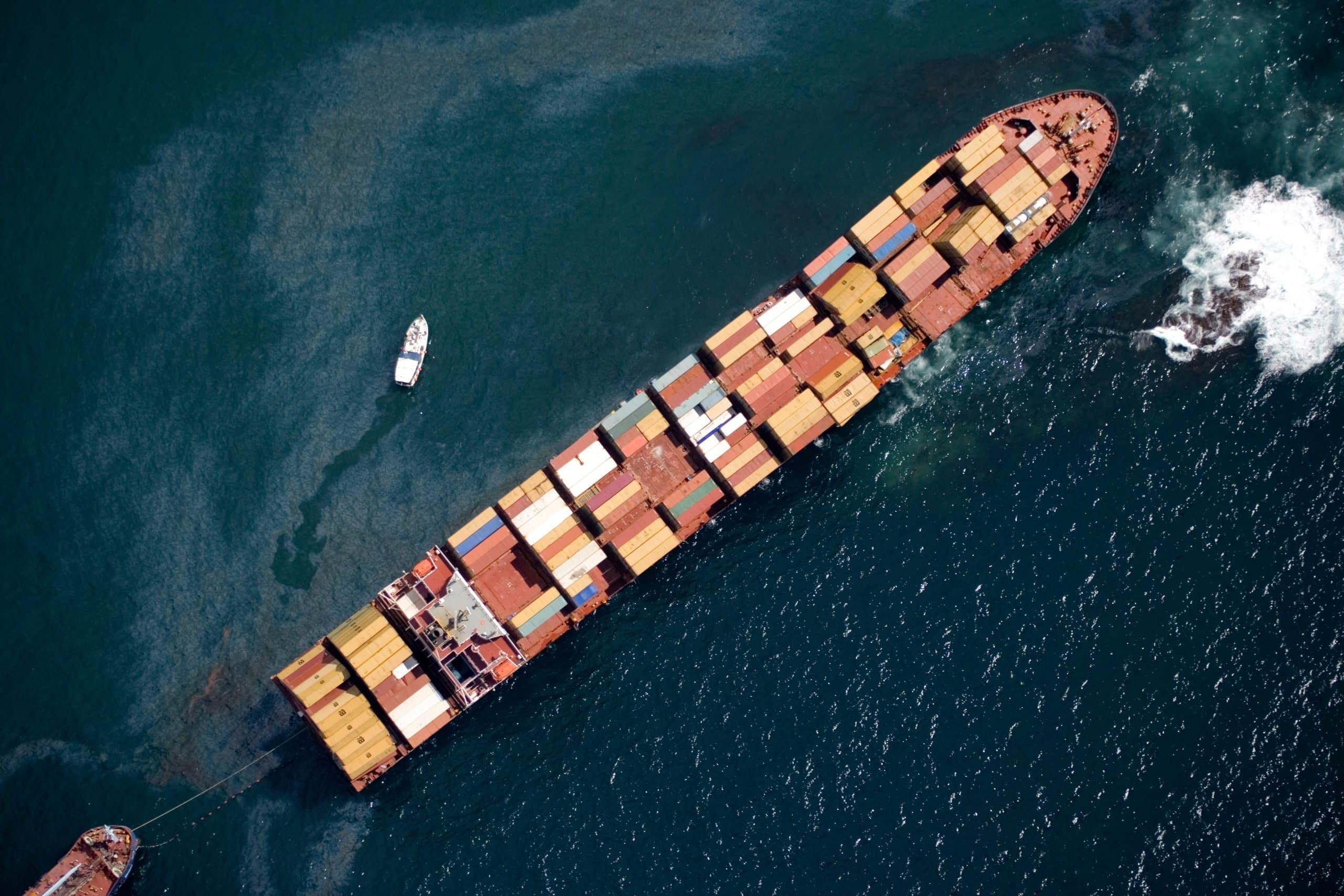
As global sustainability regulations are getting adopted and implemented, two European Union policies, the European Union Deforestation Regulation (EUDR) and the Carbon Border Adjustment Mechanism (CBAM), are transforming how industrial, manufacturing, and consumer brand companies operate, trade, and plan.
Both regulations aim to create a more sustainable global economy by enforcing transparency and accountability across supply chains. For organizations, this means rethinking how data, suppliers, and planning processes come together to meet new compliance requirements.
Understanding the EUDR
The EUDR ensures that commodities and products placed on the EU market are deforestation-free. It applies to seven key commodities and their derived products:
- Timber
- Cattle
- Cocoa
- Coffee
- Palm oil
- Rubber
- Soy
To comply with this regulation, companies must declare the geolocation of production sites, tracing materials “from cradle to market.” They must also prove a chain of custody to demonstrate that the product does not originate from deforested or degraded land, and submit a Due Diligence Statement (DDS) before placing the product on the EU market.
Certifying that these products do not come from deforested areas is crucial for the EU, not only because the Union is responsible for an estimated 16% of global deforestation through imported goods, but also because deforestation accelerates global warming by reducing nature’s capacity to capture carbon. This, in turn, undermines global progress toward net zero and the preservation of biodiversity.
The implementation of the EUDR has been postponed twice (first in December 2024 and again in September 2025) due to challenges in establishing a consistent risk benchmarking system and enhancing the shared information (SI) platform among member states.
Despite these delays, the direction is clear: traceability and transparency are becoming core business requirements. Even with relaxed timelines, companies must understand which items in their supply chain are covered by the regulation and take steps to map material origins and assess compliance risks.
Understanding the CBAM
While EUDR focuses on land use and traceability, the CBAM tackles emissions embedded in trade. Its goal is to create a level playing field between EU manufacturers, already subject to the EU Emissions Trading System (ETS), and importers from regions with weaker climate policies.
CBAM places a carbon price on imported goods, ensuring imports bear a similar carbon cost as EU-made products. The regulation currently applies to six carbon-intensive commodities:
- Aluminum
- Steel and iron
- Hydrogen
- Cement
- Electricity
- Fertilizers
To comply with CBAM, importers must declare the embedded emissions of covered goods on a quarterly basis. The regulation entered a soft enforcement phase in 2023, and from 2026 onwards, importers will be required to purchase CBAM certificates quarterly to cover the emissions associated with their imports. These certificates are expected to carry a similar cost burden to the current ETS, approximately €80 per ton of CO₂.
To report embedded emissions, companies can use primary supplier-measured data or default benchmark values published on the European Commission’s website, until final EU reference values are available.
This mechanism helps prevent carbon leakage (the relocation of carbon-intensive production to regions with weaker environmental standards) and promotes global decarbonization.
EUDR and CBAM: A Comparison
Both regulations demand granular supply chain data, supplier engagement, and scenario planning, capabilities that most companies are still building.
Turning Regulation into Resilience
EUDR and CBAM are part of a broader transformation toward data-driven sustainability governance. While compliance is non-negotiable, forward-looking companies recognize that these regulations can serve as catalysts for innovation and competitive advantage.
By embedding sustainability data into planning and decision-making, organizations can anticipate risks rather than simply react to them. Early identification of non-compliant materials, for example, enables smarter sourcing decisions and stronger supply-chain resilience. At the same time, integrated scenario planning allows companies to balance demand fulfillment with cost-efficient compliance, transforming regulation from a constraint into a lever for operational excellence.
The journey doesn’t stop at compliance. With the right partnerships, businesses can navigate these regulations through both a risk-mitigation lens and a business-optimization mindset. This dual perspective opens the door to new opportunities, from reinforcing supplier collaboration to building more transparent, future-ready value chains.
At o9, we believe regulatory readiness should do more than satisfy mandates; it should power sustainable growth. By connecting data, intelligence, and collaboration across the enterprise, we help companies transform compliance into resilience and resilience into a lasting competitive advantage.
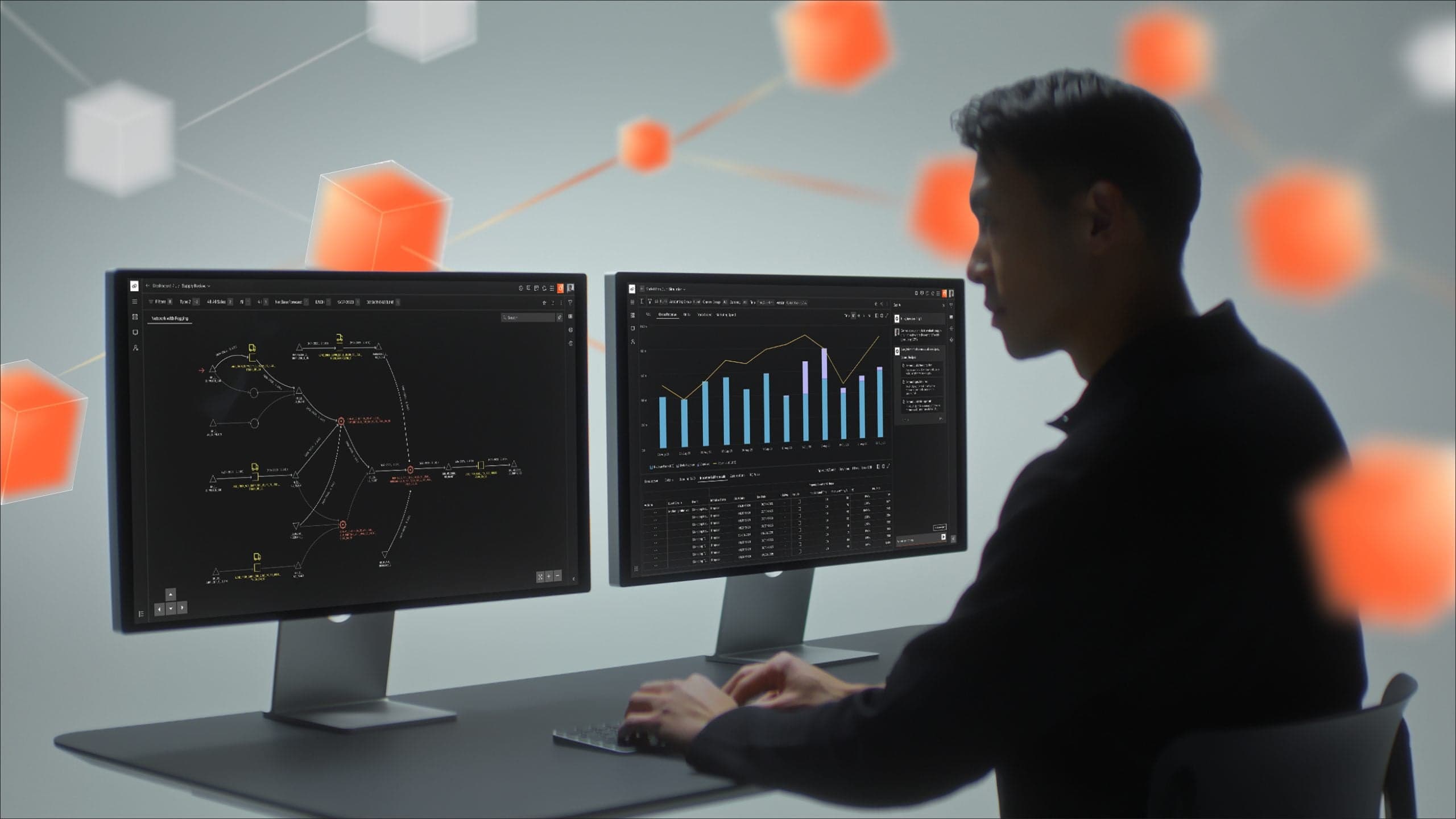
Through our specialized use cases and capabilities, o9 can:
- Automate commodity mapping using combined nomenclature (CN) codes.
- Automate the exposure of items and suppliers subject to regulations.
- Simulate scenarios and costs to test alternative, cost-effective compliance strategies.
- Collaborate with suppliers to exchange emission data or EUDR compliance documentation directly with importers.
The Future of Sustainable Planning
EUDR and CBAM mark a turning point in the evolution of global trade. Sustainability is no longer a side agenda or reporting function; it’s becoming a core operational dimension. With integrated data, intelligent planning, and supplier collaboration, organizations can navigate regulatory change confidently and emerge as leaders in the next generation of sustainable business.
Regulation is here. Data will define who leads the transition.
About the authors
Valentina Anzola
Sustainability Solutions Program Lead
Valentina Anzola is o9’s Sustainability Solutions Program Lead. She completed her Master’s Degree in Supply Chain Management with a specialization in Sustainability at the Massachusetts Institute of Technology. She has seven years of experience in supply chain management, product management, and entrepreneurship. Valentina holds a Bachelor's Degree in Business Management and Product Design from La Universidad de Los Andes in Colombia.