AI-Driven Production Scheduling Software for Enterprises


UNLOCKING BILLIONS IN VALUE FOR CLIENTS IN 30+ INDUSTRIES
Move from rigid schedules to responsive, execution-ready production planning.
Production Scheduling on the o9 Digital Brain enables manufacturers to plan, prioritize, and execute production with speed and confidence — even as conditions change throughout the day. By connecting manufacturing schedules with demand, inventory, and supply constraints, organizations can eliminate manual effort, improve throughput, and respond dynamically to volatility without losing control.
Today’s supply chains operate in an environment defined by constant disruption.
Manufacturing productivity and cost performance are often constrained not by physical capacity, but by planning limitations. Many organizations still rely on disconnected systems, manual spreadsheets, or static schedules that cannot adapt to real-world variability.
Complex production networks, frequent order changes, material shortages, and labor constraints make it increasingly difficult to plan at the right level of aggregation. When visibility is limited, planners are forced into repetitive “grunt work,” constantly reworking schedules rather than improving outcomes. The result is delayed decisions, underutilized resources, excess inventory, and missed customer commitments.
From Static Schedules to Dynamic Execution
As market conditions shift faster, production planning must move closer to execution. Leading manufacturers are adopting scheduling solutions that allow them to continuously reprioritize production, respond to intra-day disruptions, and align shop-floor decisions with enterprise-wide objectives.
Production Scheduling enables this shift by tightly integrating planning and execution, ensuring that schedules remain feasible, synchronized, and actionable throughout the day.
What this solution enables
What Makes o9 Different
Industries Supported




























Powered by the o9 Digital Brain
Production Scheduling runs on the o9 Digital Brain, which supports digital twin modeling of the production environment.
By standardizing scenarios and decision logic, the platform ensures consistent decision-making between planning and execution. Near real-time scheduling is embedded directly into workflows, eliminating the need for disconnected tools or manual data transfers.
Modular by design, enterprise by default
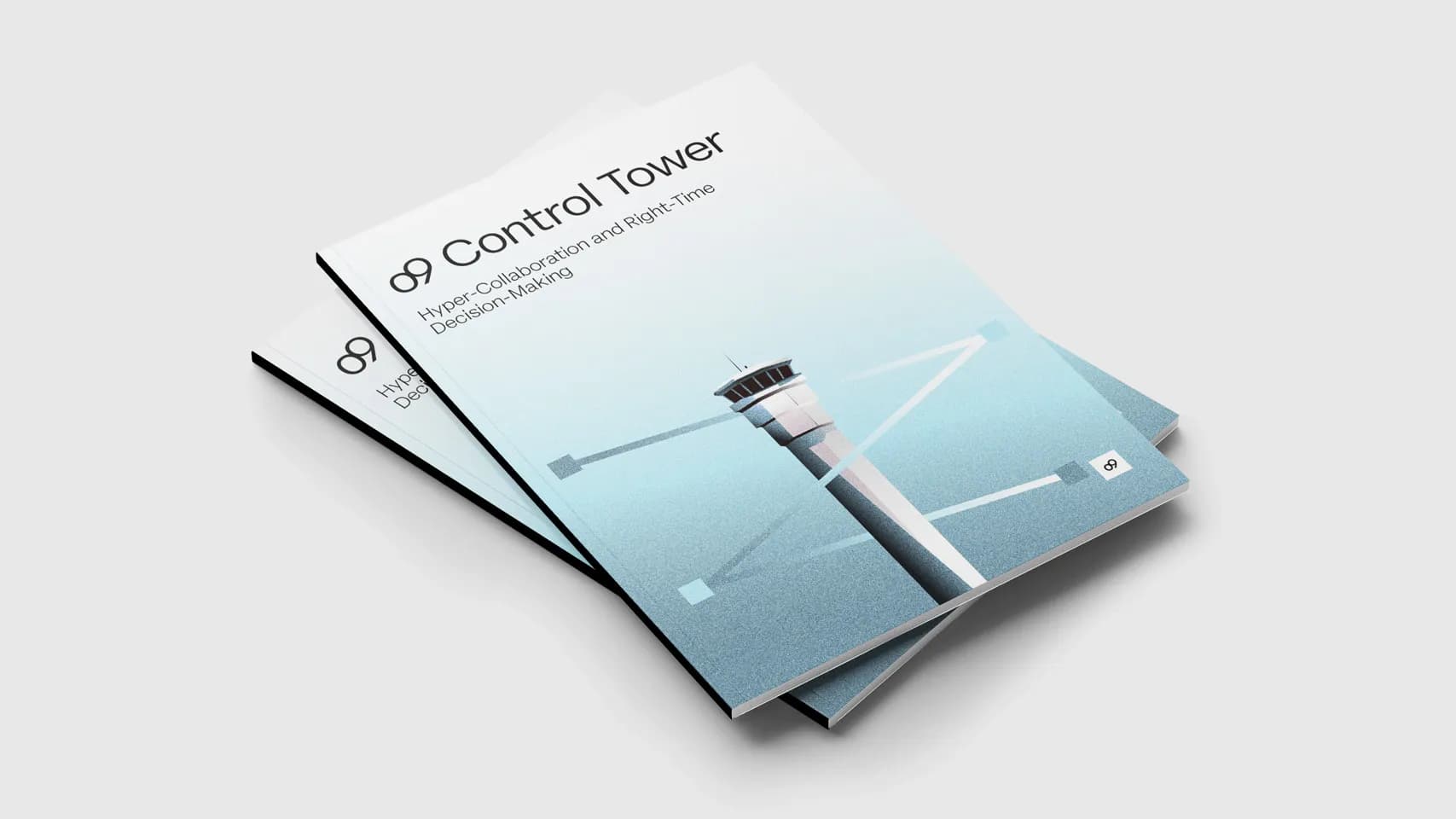
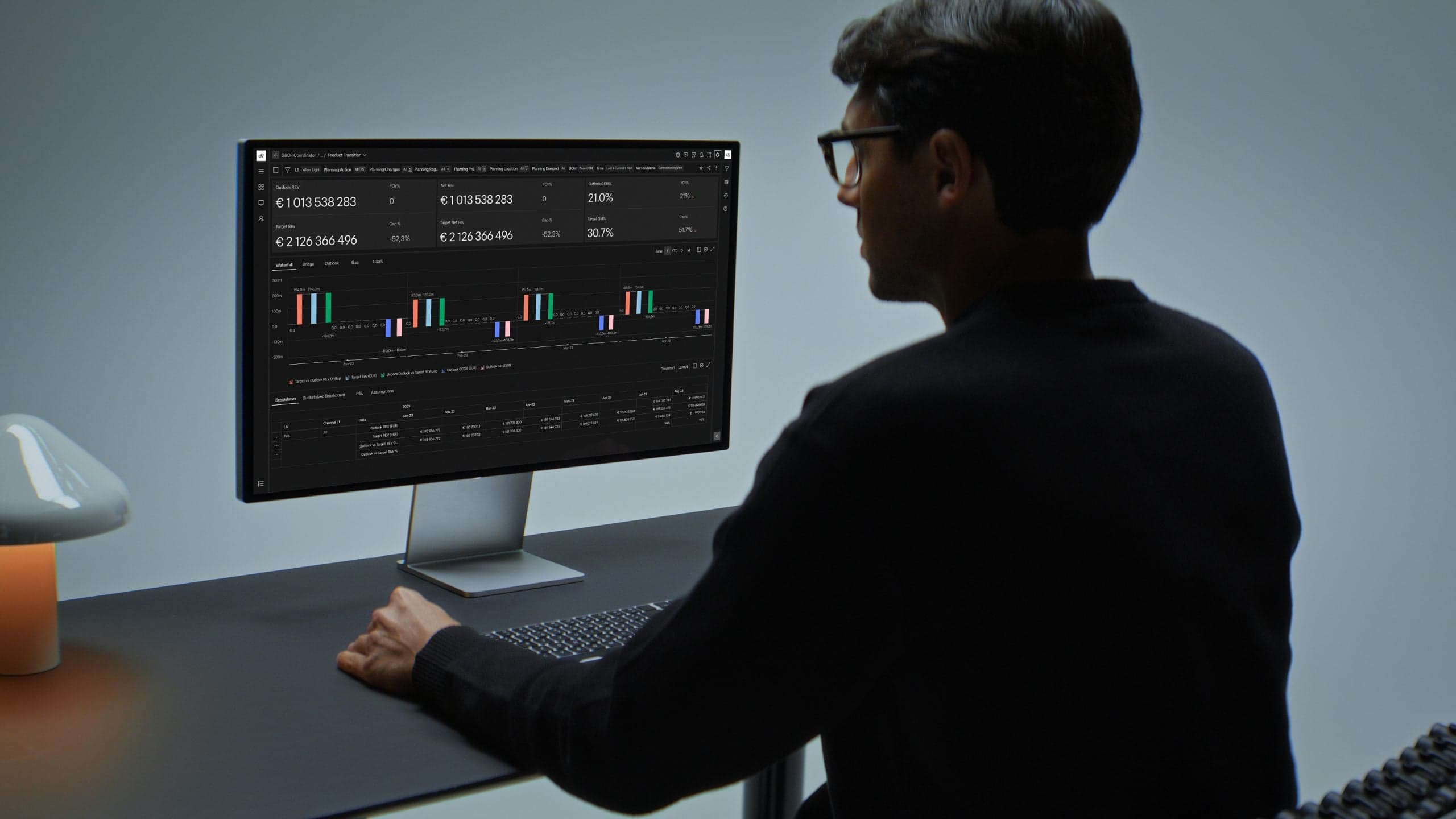
The Control Tower operates as a real-time nerve center, sitting above transactional systems to orchestrate decisions across planning, execution, and partners.
Core Building Blocks
Advanced Building Blocks
Pre-built industry templates provide packaged logic and workflows that reduce time to value while remaining fully customizable.

A digital operating model for VUCA conditions
APEX is o9’s AI-powered operating model for enterprises navigating volatility, uncertainty, complexity, and ambiguity (VUCA). It enables organizations to plan, execute, and learn as one connected system.
The o9 Digital Brain powers APEX by connecting enterprise data, knowledge, and decisions through a single intelligent model.
Collaborative Demand Planning is one of the building blocks of the Digital Brain. It contributes domain-specific capabilities into the enterprise-wide model that enables APEX from the ground up—linking this solution to decisions across the entire value chain.
→ Learn how the APEX Operating Model works
Where AI drives real decisions
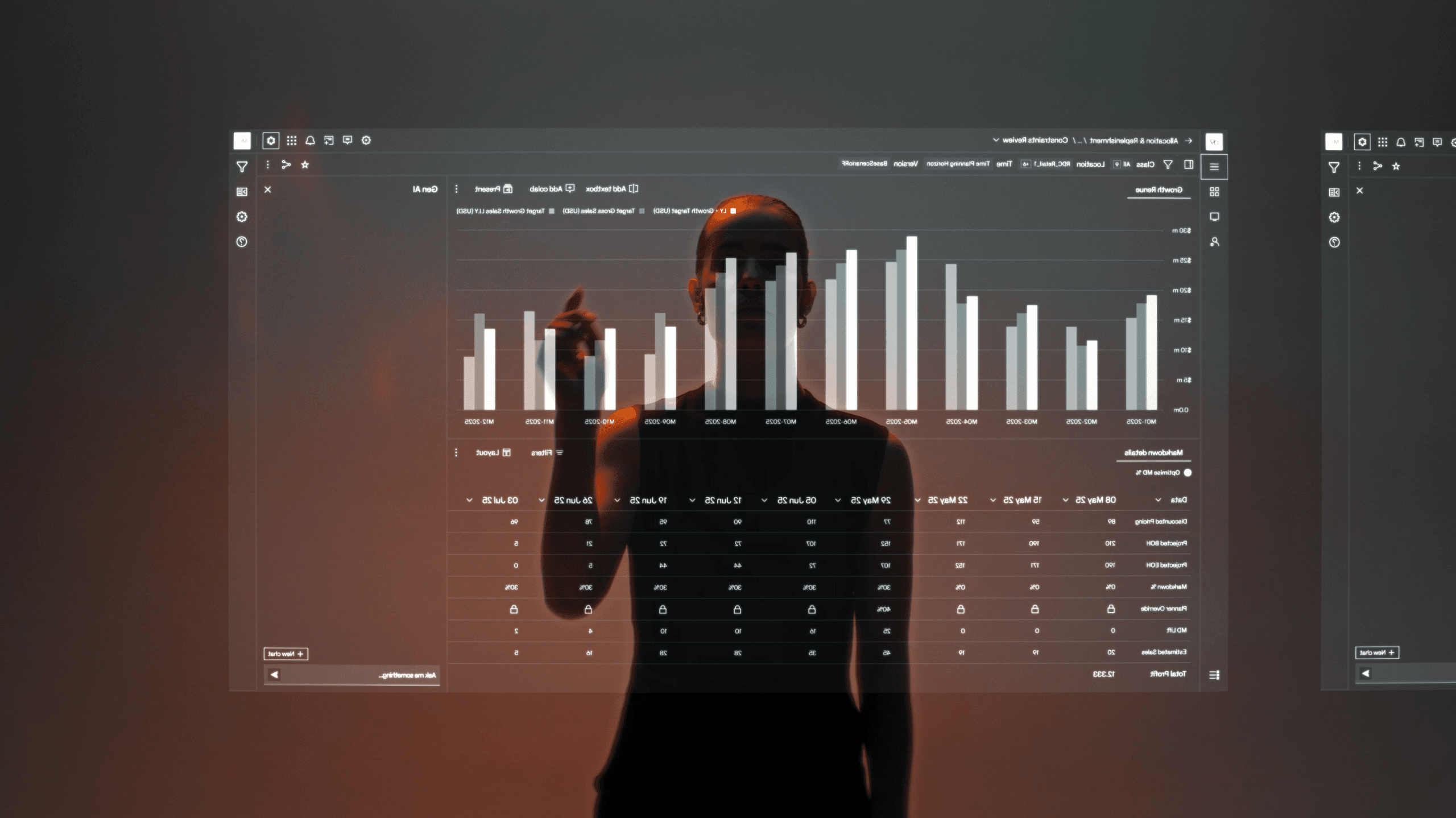
Artificial intelligence enhances scheduling by balancing complexity with speed.
Constraint-based optimization evaluates all relevant constraints, objectives, and business rules simultaneously to generate optimal schedules that reflect real-world conditions.
Prescriptive recommendations suggest — and often automate — schedule adjustments based on material availability, demand priority, and execution feedback. Routine decisions are handled automatically, while planners focus on exceptions and strategic trade-offs.
→ Learn more about o9 AI innovations
Results in real-world complexity
Semiconductor company
A semiconductors company experienced delayed decisions and productivity loss due to manual effort and limited visibility.
With integrated demand and supply planning, including wafer-starts requirement planning and buffer planning, the company improved delivery performance, reduced inventory turns, and automated purchase recommendations for suppliers — allowing planners to focus on higher-value work.
Related solutions

Supply Chain Analytics

Supplier Collaboration
Move from transactional sourcing to continuous, multi-tier orchestration across your supplier network.

Revenue Growth Management
o9’s Revenue Growth Management solutions provide a unified, AI-powered approach to commercial planning that connects pricing, promotions, portfolio, and strategic P&L decisions with real-time insights and scenario modeling. By integrating advanced analytics, demand signals, and cross-functional data into a single platform, organizations can simulate outcomes, optimize revenue drivers, and strengthen alignment between commercial strategy and execution across markets and channels.

Supply Chain Master Planning


Frequently Asked Questions (FAQ)
Production scheduling defines the sequence, timing, and allocation of manufacturing activities to meet demand while respecting material, labor, and capacity constraints.