AI-Driven NPI Planning (New Product Introduction) Software for Enterprises


UNLOCKING BILLIONS IN VALUE FOR CLIENTS IN 30+ INDUSTRIES
Plan demand with confidence — even when history doesn’t exist.
Plan demand with confidence — even when history doesn’t exist. NPI Planning on the o9 Digital Brain enables organizations to forecast, launch, and scale new products over flexible levels and horizons using attribute-based intelligence, lifecycle-aware planning, driver-based Machine Learning, and AI-driven similarity models, replacing spreadsheet-driven guesswork with explainable, system-led execution.

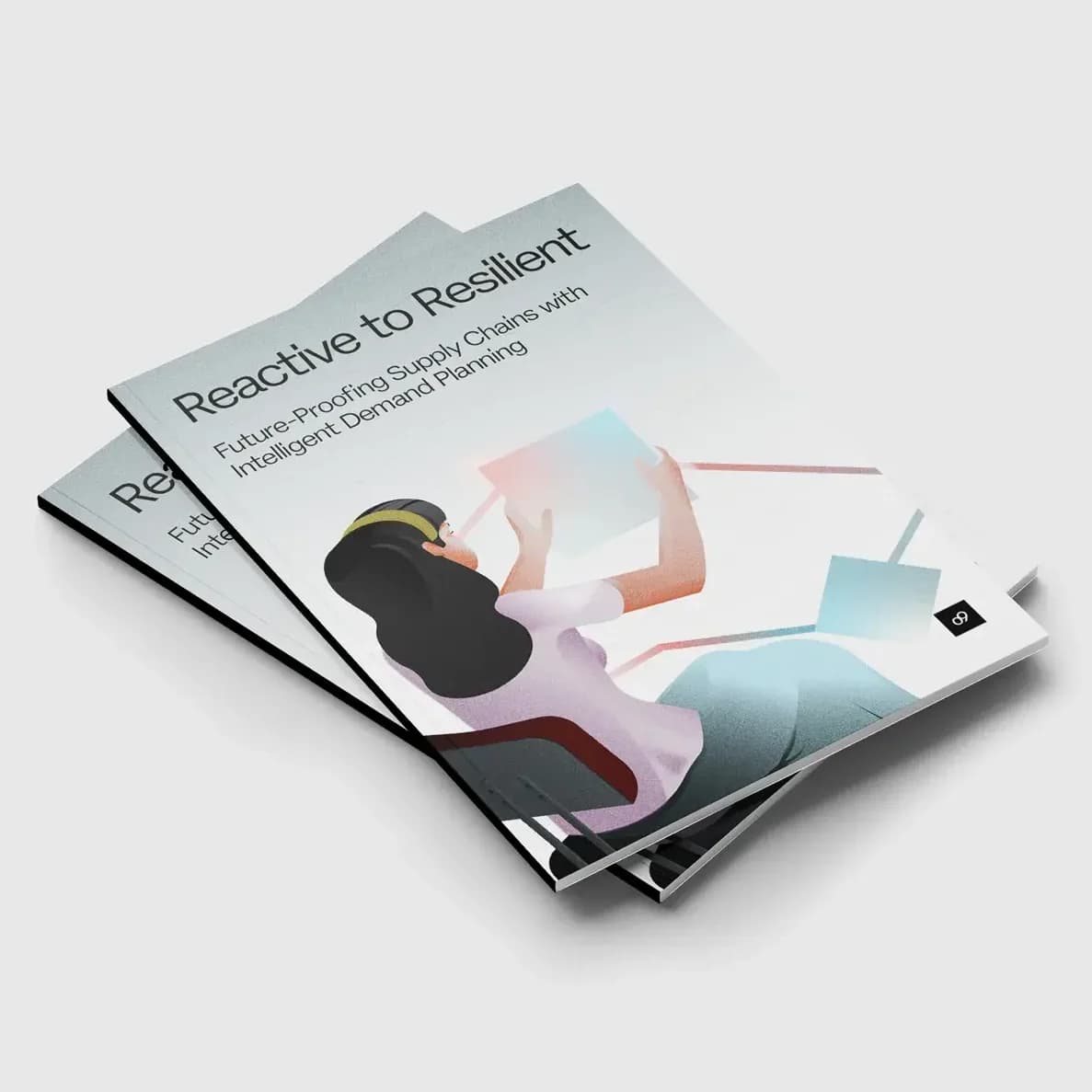
The problem traditional planning can’t solve anymore
In many industries, new products make up a large share of the portfolio, yet they arrive with little to no usable demand history. In Apparel and Footwear, a significant portion of seasonal assortments can be net-new, while in High-Tech configure-to-order environments, most configurations may never repeat.
Traditional time-series forecasting breaks down in these conditions, leaving teams to bridge the gap with spreadsheets and manual coordination across R&D, Marketing, Sales, and Supply Chain. The result is slower launches, inconsistent assumptions, misaligned transitions, and higher risk during the moments when decisions are most expensive — from initial buy and capacity commitments to allocation, replenishment, and launch execution.
From Spreadsheets to Attribute-Based Forecasting
Leading organizations are shifting away from manual launch planning toward attribute-based forecasting, where product characteristics are used to predict demand by linking new items to historically similar products.
Instead of starting from zero, teams can generate faster, more accurate launch forecasts, align commercial and supply decisions earlier, and reduce the risk of overbuilding, underbuilding, or missing early demand signals. This approach improves not just the forecast number, but the speed and coordination of launch decisions across the enterprise.
o9 enables this shift by:
What this solution enables
What Makes o9 Different
Industries Supported





























Powered by the o9 Digital Brain
NPI Planning runs on the o9 Digital Brain, designed to model complex product relationships that traditional systems struggle to represent. Graph-based enterprise modeling connects products, attributes, seasons, and configurations as linked entities, enabling flexible analysis across regions, channels, and lifecycle stages.
A dedicated season dimension supports seasonal and fashion-driven planning, allowing organizations to manage assortments, transitions, and demand signals with the right business structure instead of forcing everything into rigid hierarchies.
Modular by design, enterprise by default
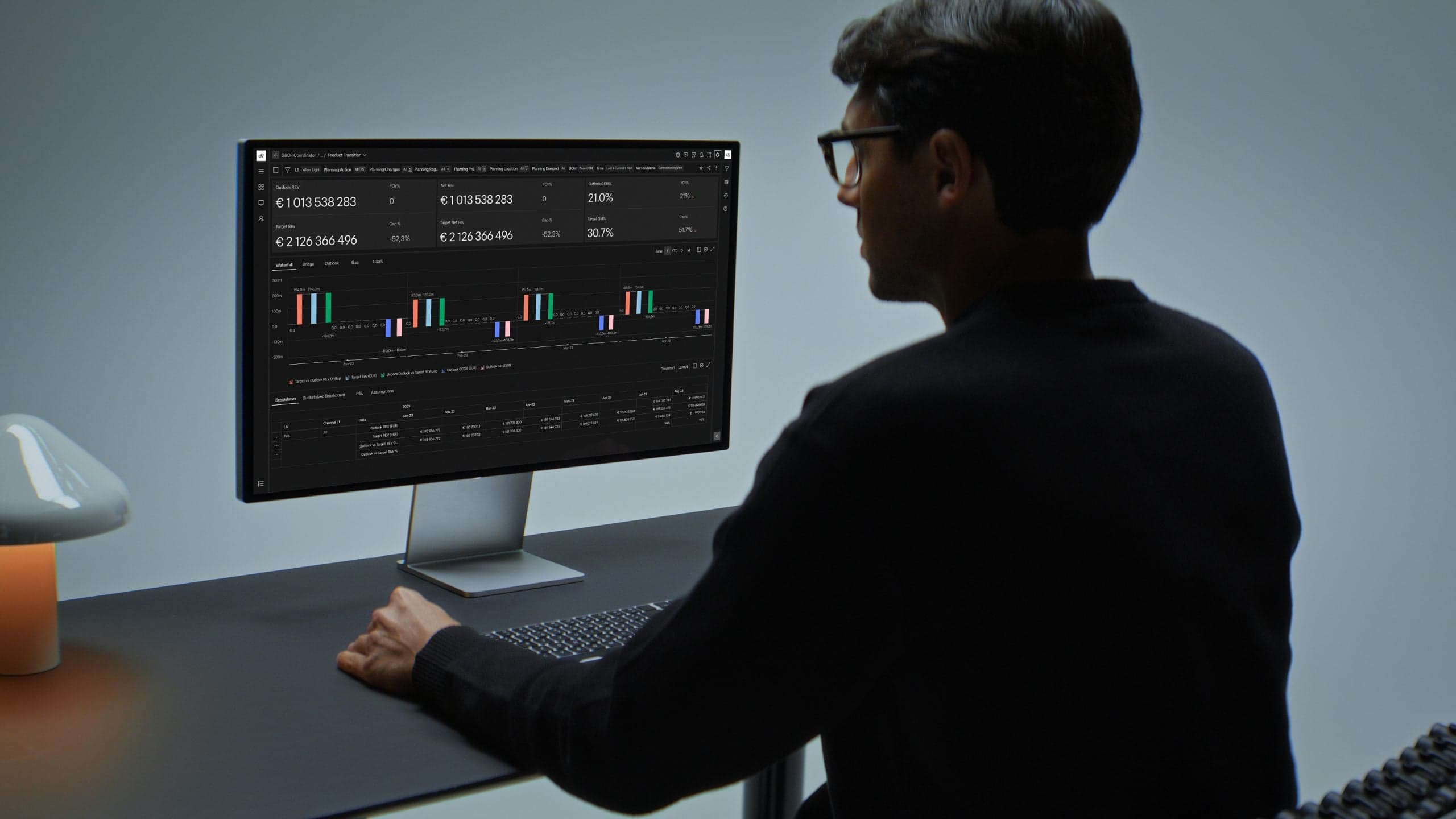
o9 accelerates implementation through configurable building blocks that can be tailored to unique business requirements.
Core Building Blocks
Advanced Building Blocks
The attribute-based methodology clusters products into logical groups using business rules combined with machine learning — such as price bands, size ranges, or color families — and then matches and transfers relevant demand drivers to new items. This structure helps organizations scale NPI planning across large portfolios without sacrificing explainability or control.

A digital operating model for VUCA conditions
APEX is o9’s AI-powered operating model for enterprises navigating volatility, uncertainty, complexity, and ambiguity (VUCA). It enables organizations to plan, execute, and learn as one connected system.
The o9 Digital Brain powers APEX by connecting enterprise data, knowledge, and decisions through a single intelligent model.
Collaborative Demand Planning is one of the building blocks of the Digital Brain. It contributes domain-specific capabilities into the enterprise-wide model that enables APEX from the ground up—linking this solution to decisions across the entire value chain.
→ Learn how the APEX Operating Model works
Where AI drives real decisions
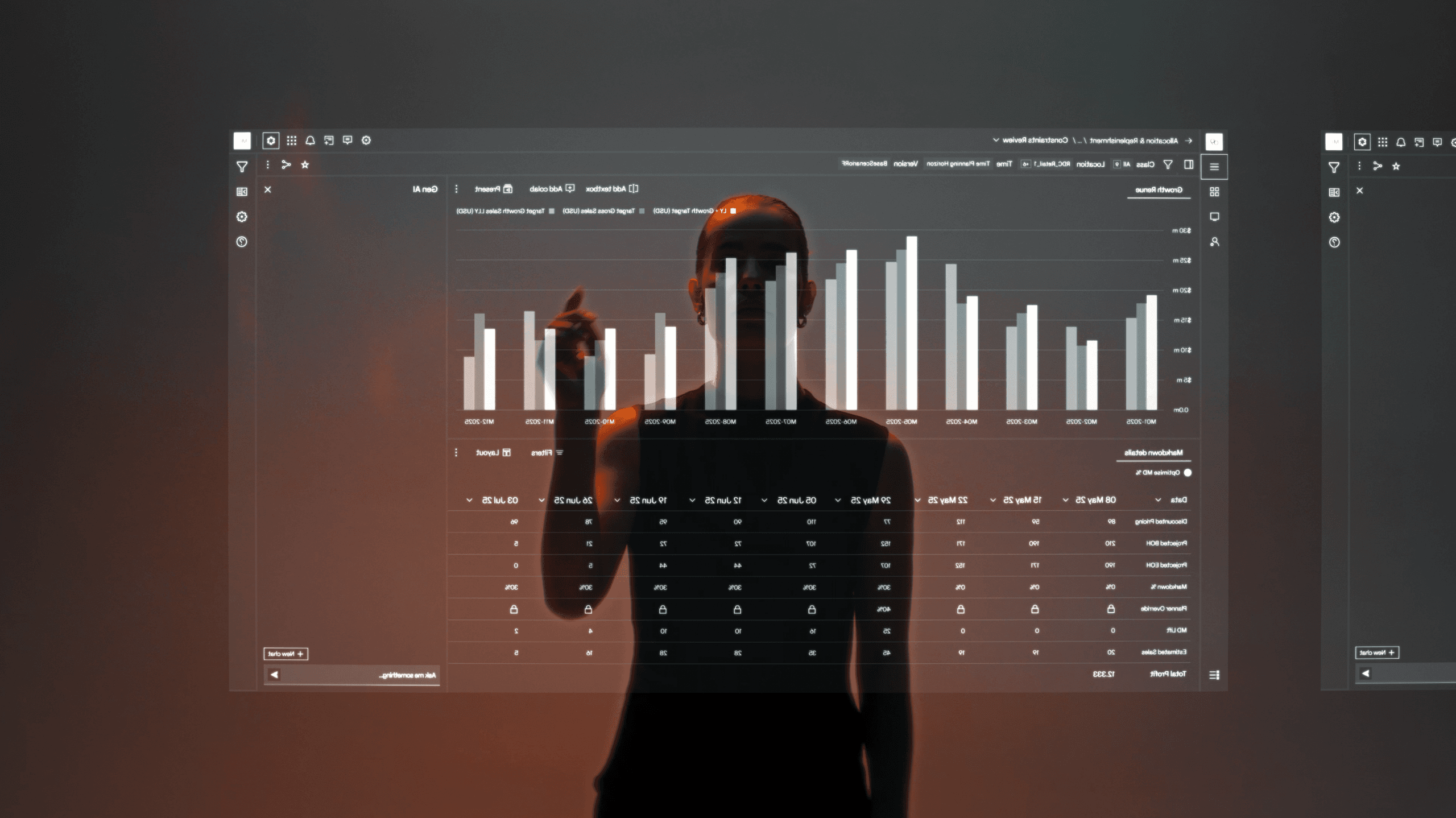
Similarity algorithms identify and weight the most relevant product attributes to generate explainable NPI baselines that planners can validate and refine.
Intelligent clustering groups products with shared demand drivers, combining machine learning with business logic so clusters reflect how the business actually sells and how customers actually substitute.
Exploratory data analysis strengthens lifecycle management by refining transitions, identifying patterns in medium-forecastability products, and improving demand continuity across generations so new introductions and phase-outs don’t create artificial volatility.
→ Learn more about o9 AI innovations

Results in real-world complexity
ABinBev

By leveraging o9’s integrated planning platform, AB InBev replaced legacy systems such as SAP APO with a single, cloud-native solution, streamlining demand forecasting, supply planning, and inventory management.
The transformation enabled a 60% reduction in out-of-stocks, a 53% decrease in inventory losses, and a four-year high in service levels. Additionally, planners experienced a 30% time savings, while touchless planning adoption reached 70-90% across key markets.
“What's really succeeding with us is the idea of the connection to the data and a best-in-class UX/UI, so the people that use the business can really make an impact.”
David Almeida
Chief Strategy & Technology Officer
60%
Reduction in Stock-Outs
53%
Decrease in Inventory Losses
90%
Touchless Planning Adoption
Kraft Heinz

7,000 SKUs across multiple regions, Kraft Heinz partnered with o9 Solutions in North America and Europe to implement an advanced ML forecasting platform, collaborative demand planning solution, and a sales planning module.
This initiative resulted in an 11% increase in Monthly Forecast Accuracy, a 14% increase in Weekly Forecast Accuracy, a 20% reduction in safety stock levels, and a 32% reduction in time spent on forecasting.
10%
Increase in Forecast Accuracy
25%
Decrease in Excess Inventory
32%
Reduction in Time Spent on Forecasting
What our customers say
“We made the conscious decision with o9 to bring a quicker ROI by integrating with our legacy SAP. [...] When the full ERP transformation happens, we’re ahead of the game.”
Paul Tips
Product Owner
“With o9 AI/ML-based forecasting in place, we’re already seeing improved forecast accuracy, stronger cross-functional collaboration, and faster, more informed decision-making—all within a centralized platform.”
Gaby Gutierrez
VP of Global Supply Chain Planning
[0/0]
Related solutions

Merchandise Financial Planning (MFP)
Set top-down financial goals by channel, location, and time period, including sales, margin, and inventory investment targets.

Supply Chain Master Planning

Collaborative Demand Planning
Collaborative Demand Planning on the o9 Digital Brain enables cross-functional teams to co-create, reconcile, and commit to a single, transparent demand plan, powered by shared assumptions, real-time collaboration, and AI-driven automation.



Frequently Asked Questions (FAQ)
NPI (New Product Introduction) planning focuses on forecasting and launching products with little or no historical demand by using attributes, similarity models, and lifecycle-aware planning.