7 read min
I’ve always loved learning.
My wife and daughter would probably describe me as incurably curious. I’m a big reader. My shelves at home are full of books on leadership, technology, psychology, economics, and history. I listen to podcasts when I travel. I subscribe to more newsletters than I can reasonably finish.
The format has never mattered much to me. What matters is learning from people who have wrestled with complexity and come away with something practical to share.
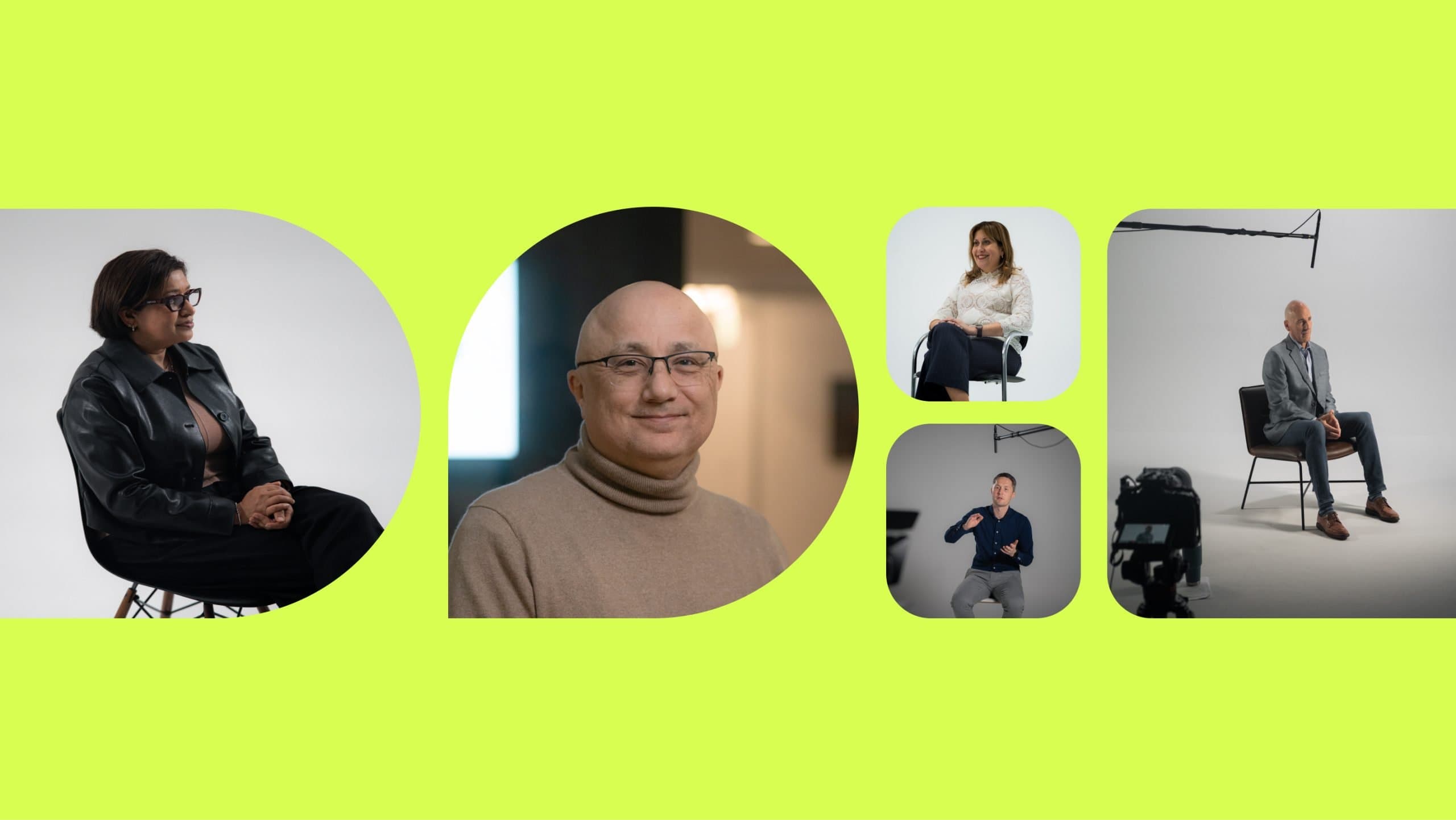
That’s one of the reasons I’m especially excited about aim10x Digital this year. For the first time ever, we asked our clients not just to tell their transformation stories, but to teach masterclasses on how to address eight critical planning challenges.
The response has been incredibly encouraging. Many of our clients immediately saw this as an opportunity to give back to the broader planning and decision-making community. They want to share what they’ve learned. They want to help others avoid common pitfalls. They want to elevate the profession.
I had the privilege of getting early access to several of the sessions. And as you might expect, I couldn’t resist taking notes. Here are a few quotes I wrote down that capture the spirit and the learning opportunity inside each masterclass.
Challenge: Improving Each Planning Cycle with Post-Game Analysis
“If people feel they’re being judged, they’ll protect themselves. They won’t expose the real issue. And then you never get to the root cause. If you start asking, “Who caused this miss?” you’re usually asking the wrong question.
The better question is, “What happened in the system?”
Because most of the time, it’s not a person. It’s an assumption. It’s master data. It’s timing. It’s a process gap. Or it’s just a one-off that we couldn’t realistically avoid.
For me, post-game analysis should be about learning. It’s about understanding what went wrong and what we do differently next cycle. That’s it. And for that, you need psychological safety. People must feel safe enough to say: “This assumption was wrong” “This data wasn’t maintained” or “I missed this trend”
When they do feel safe to share what went wrong, you can get to the root cause much faster, because people will feel safe to take accountability and learn from the past.”
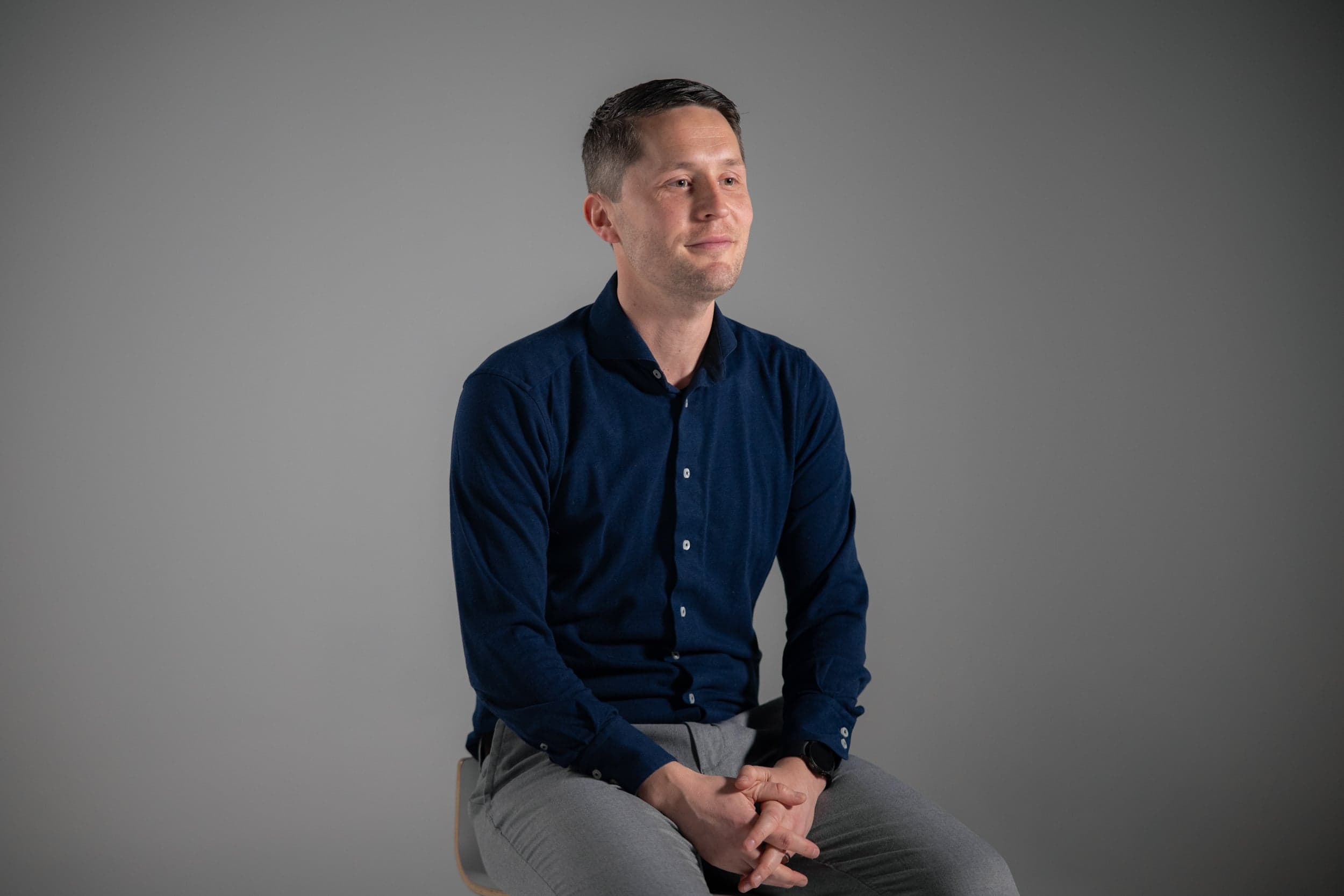
— Rob Steijger, End-to-End Supply Chain Architect, RHI Magnesita
Challenge: Enabling Agility in High-Reliability Global Networks

“When this new way of working really took hold, we started to see it show up very clearly in results. At one point, materials availability simply stopped being a top-five issue. It literally disappeared from the conversation. People could just assume materials would be there and that confidence showed up in performance.
We saw double-digit improvements in order-to-delivery performance. What we call delivery-in-full, on-time improved by double digits, and then improved again by another 10% the following year. That kind of sustained improvement doesn’t happen by accident.
In fact, one of our SVPs said something that, in operations, is actually the highest compliment: ‘Supply chain has become boring. We don’t even need to talk about it.’
And that’s when you know you’re doing something right; when you’re no longer in the line of fire.”
— Supriya Iyer, Director, Networking Supply Chain and Commercial Operations, Google
Challenge: Building Granular Plans that Enable Dynamic Performance and Agile Reactions

“In menswear, in-season action almost always comes back to three decisions.
First, do we buy more? If demand is strong and repeatable, especially for core fits or carryover items, we can accelerate replenishment or reallocate future buying.
Second, do we change how we sell? If a fashion item is slower in specific markets, we might adjust pricing, timing, or exposure, not across the board, but very selectively.
Third, do we reorganize what we haven’t executed yet? This is often the most powerful lever: shifting volumes between markets, delaying certain commitments, or protecting margin before pressure builds.”
— Edoardo Decaro, Merchandise Planning Director, MANGO
Challenge: Driving Continuous Improvement Beyond Go-Live
“In the early stages, we struggled to clearly quantify the business benefits of a lot of what we were delivering. Many of the requests were focused on usability, and honestly, those improvements were needed. A lot of them could reasonably be considered part of the original business case, because they helped the overall APS program deliver on its promised value. But that also made it hard to draw clean lines between implementation, enhancement, and continuous improvement.
So we started with something very practical. We measured cost avoidance. We asked a simple question: ‘if we had outsourced this development to an external partner, what would it have cost us?’ Using that lens alone, we’ve avoided several million dollars in development expenses over the past four years. That was an important early signal to leadership that the CoE was already paying for itself.”
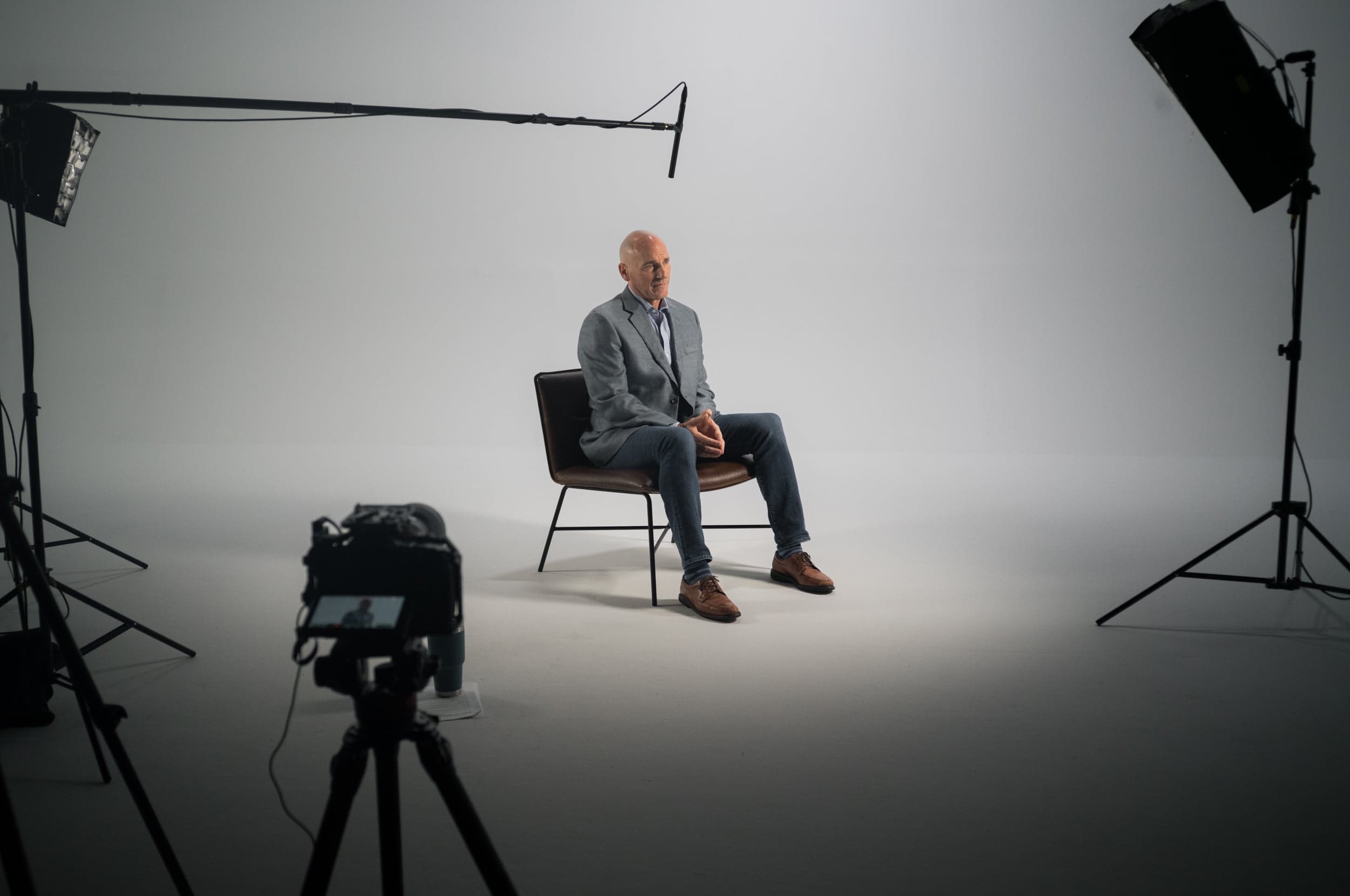
— Brian Louis, Senior Director, Digital Transformation and Analytics, Hewlett Packard Enterprise
Challenge: Scaling Resilience as a System-Wide Capability

“If you’re a leader listening to this and thinking about resilience in your own organization, I want to start by saying this. Resilience is not something you install. It’s something you enable. And a lot of that starts with how you, as a leader, think about planning.
One of the most important shifts we made was reframing the plan itself. We stopped seeing the plan as a promise that had to be defended at all costs. Instead, we started seeing it as a baseline. A reference point. Something you pivot from when reality changes.
That shift alone takes a lot of pressure out of the organization. When people feel like the plan has to be perfect, they either avoid uncertainty or explain it away after the fact. When the plan is a baseline, teams feel empowered to adapt.”
— Christina Martinez, Supply Chain Director, FINSA
Challenge: Integrating a fragmented data and IT landscape
“How do business and IT actually work together? How do they communicate, and truly understand each other?
Now, this is a sensitive topic. But it’s common. Here’s what usually happens: The business struggles to clearly define requirements. IT focuses on scope instead of understanding. Both sides start talking past each other. Then come the escalations. Long meetings. Circular discussions and frustration.
The business says, “IT doesn’t understand us.” IT says, “The business doesn’t know what it wants.” And the cycle repeats.
So what’s missing? A bridge. A bridge that translates between business and IT. What does that bridge do? It listens carefully to business pain. It reframes that pain in a way IT can act on. It translates IT constraints into language the business understands.
And most importantly, it turns arguments into shared models and decisions.”
— Guus Langenhuysen, Global Process Excellence Lead – Ad Interim - Supply Chain Plan & Deliver, Perfetti Van Melle
Join me at aim10x Digital on March 18th
As a life-long learner, I find this new masterclass format deeply energizing. I see a community that’s not just willing to share success, but willing to share the thinking behind it.
If you’re part of the planning and decision-making community, I’d encourage you to attend these masterclasses, take notes, and ask yourself how these frameworks apply in your own environment.
Because when leaders learn from each other, the entire ecosystem moves forward.
I hope you’ll join me there.
About the authors

Igor Rikalo
President & COO at o9 Solutions
Igor Rikalo is the President and Chief Operations Officer of o9 Solutions. He oversees the global operations of the organization and plays an integral role in ensuring the business continues to scale at a global level. At o9, he has developed a successful track record of building high-performing teams, managing global strategic initiatives, and delivering strong business results.