6 read min
After o9’s Executive Chairman, Co-Founder, and CEO Chakri Gottemukkala introduced the new APEX operating model for a VUCA world at aim10x Digital, retail leaders from Mango and Microsoft shared how they’re reshaping their operating models to stay ahead of mounting complexity.
The takeaway was consistent. In modern retail, advantage doesn’t come from building a better plan in isolation. It comes from sensing change sooner, aligning decisions across teams, and executing at scale every single day.
Here are the most important lessons from those conversations. You can also read the other industry-vertical takeaways from aim10x Digital here:
Mango: Agile Merchandise Optimization Through Granular, Dynamic Planning

Mango operates at a global scale, with thousands of stores across more than 100 markets and a fast-growing online presence. In menswear alone, that means managing thousands of SKUs across multiple product classes, markets, and channels, all while tightly managing inventory, margin, and cash exposure.
That raises a critical question: how do you operate granular, data-driven merchandise planning that aligns teams and enables early and accurate in-season reaction to market conditions?
In a brand-new masterclass format, Edoardo Decaro, Merchandise Planning Director at Mango Man, addressed exactly that challenge. Plans are locked months in advance, yet once the season starts, “the original plan no longer reflects reality.” Demand shifts by fit, by market, by channel. And in today’s environment, “if you only see that impact after the fact, you’re already late.”
Edoardo’s key lessons:
- First, granularity must be intentional. You need visibility by product, market, and week to act precisely. But “if you try to plan every style, every size, every store, every week with the same level of detail, you don’t get better decisions, you get slower ones.” The discipline is to go granular where it changes the action.
- Second, planning must be dynamic. “The plan is not a document. It’s a living reference point.” Teams continuously reconcile plan versus reality and use early signals to adjust. The objective is not to be perfectly right once, but “to correct early.”
- Third, technology enables this at scale. Without it, granularity collapses into spreadsheets and delays. At Mango, merchandise financial planning is being built with o9 as a dedicated planning platform. As Edoardo put it, it “doesn’t make decisions for us, but it prepares decisions faster, with more consistency, and at a level of detail that would be impossible manually.” By creating one shared planning environment, o9 allows teams to focus less on reconciling numbers and more on applying judgment, which “is what actually creates value.”
Agentic Retail Planning Demos

Two agentic retail planning demos showed how the challenges described by Mango can be taken a step further, from connected and dynamic planning to increasingly autonomous decision-making.
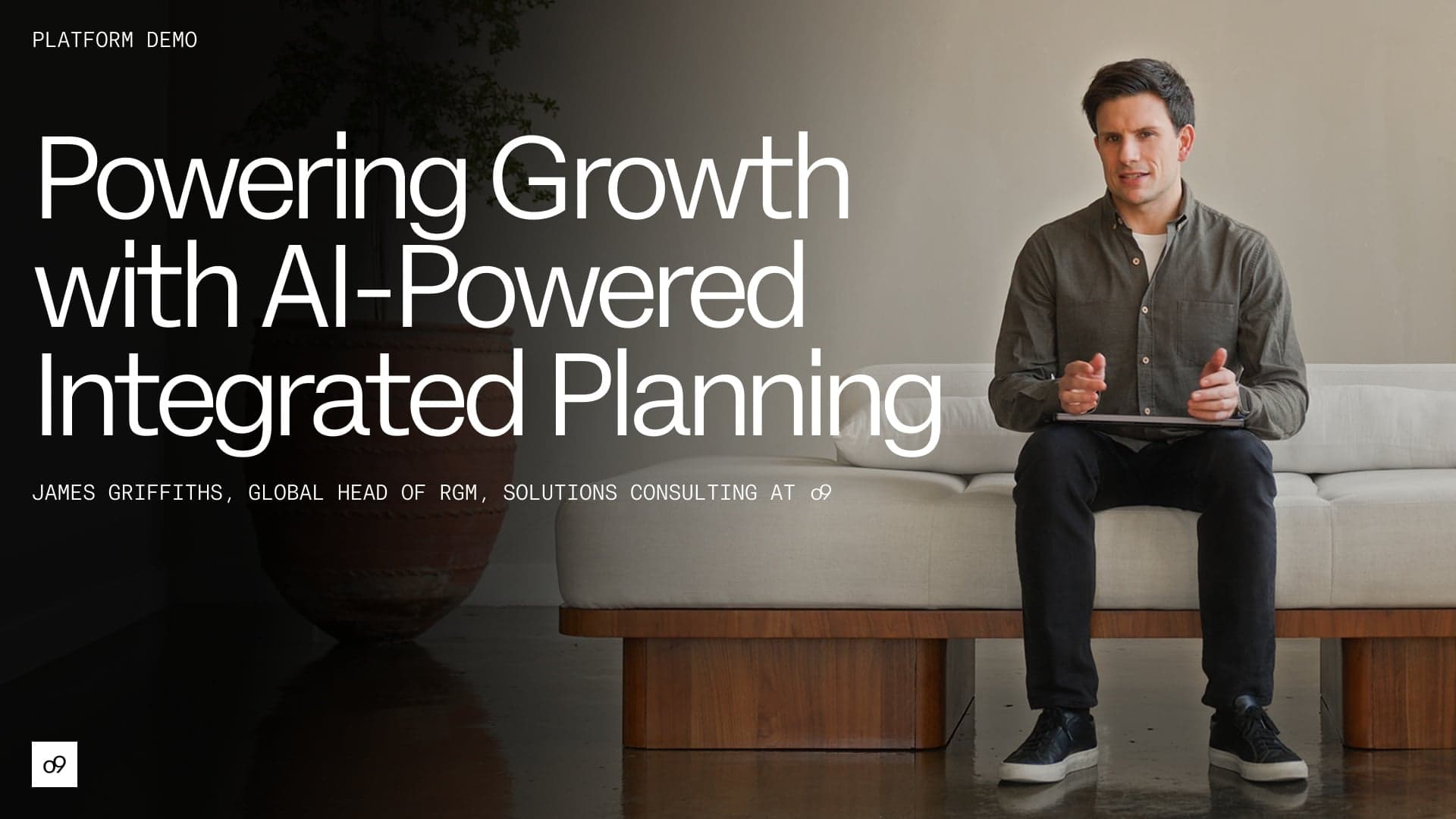
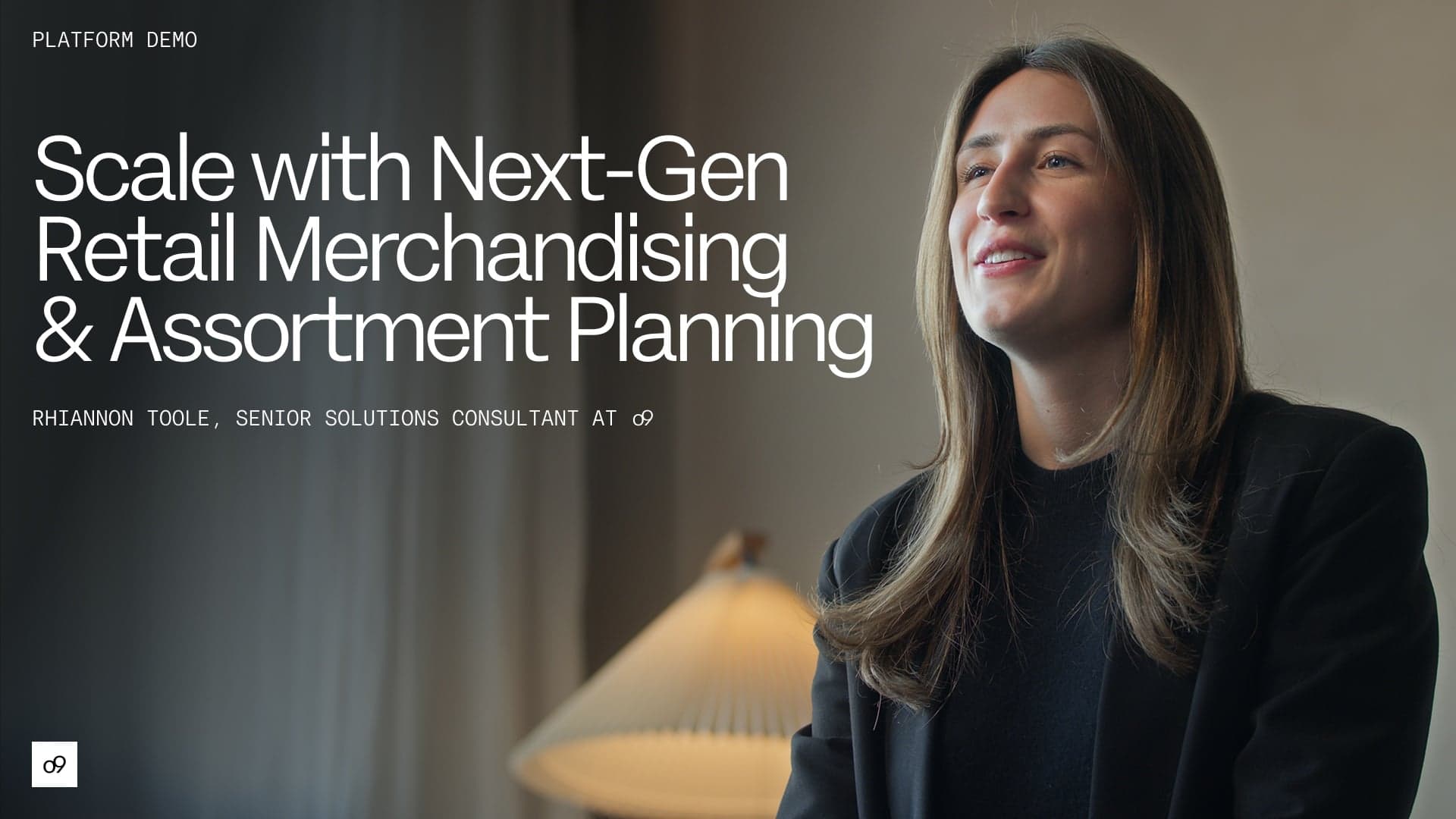
- Driving Retail Growth With Next-Gen Integrated Merchandising & Assortment Planning, demonstrating how AI agents help merchandising teams optimize assortment and inventory to drive scalable growth.
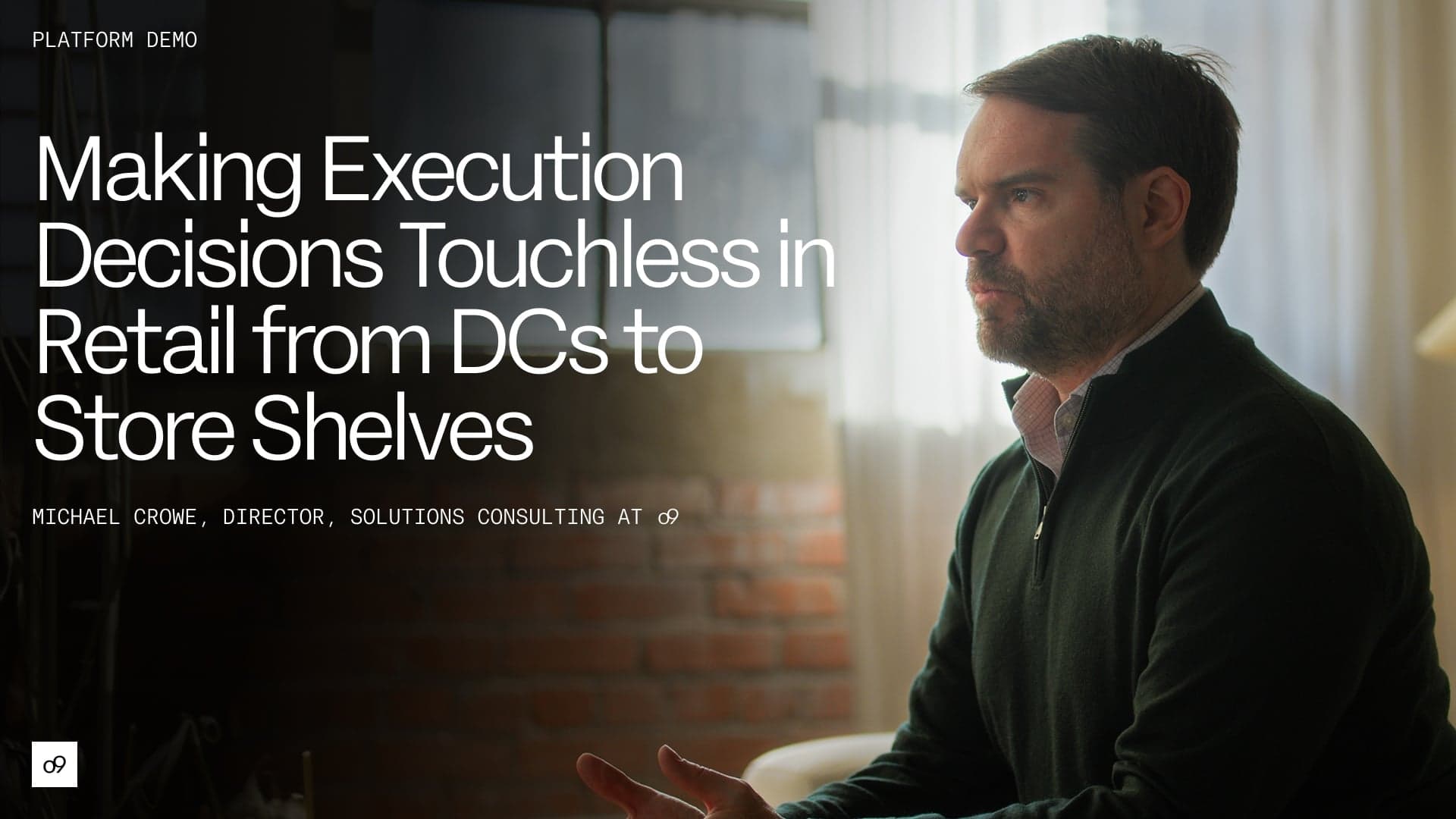
- Making Execution Decisions Touchless in Retail From DCs to Store Shelves, showcasing how AI-driven, hyper-automated processes enable seamless, touchless retail execution from distribution centers to point of sale.
You can watch both demos on demand on the aim10x Digital platform, where they will be available until April 18th.
Microsoft: Unifying Data to Elevate the Art and Science of Merchandising

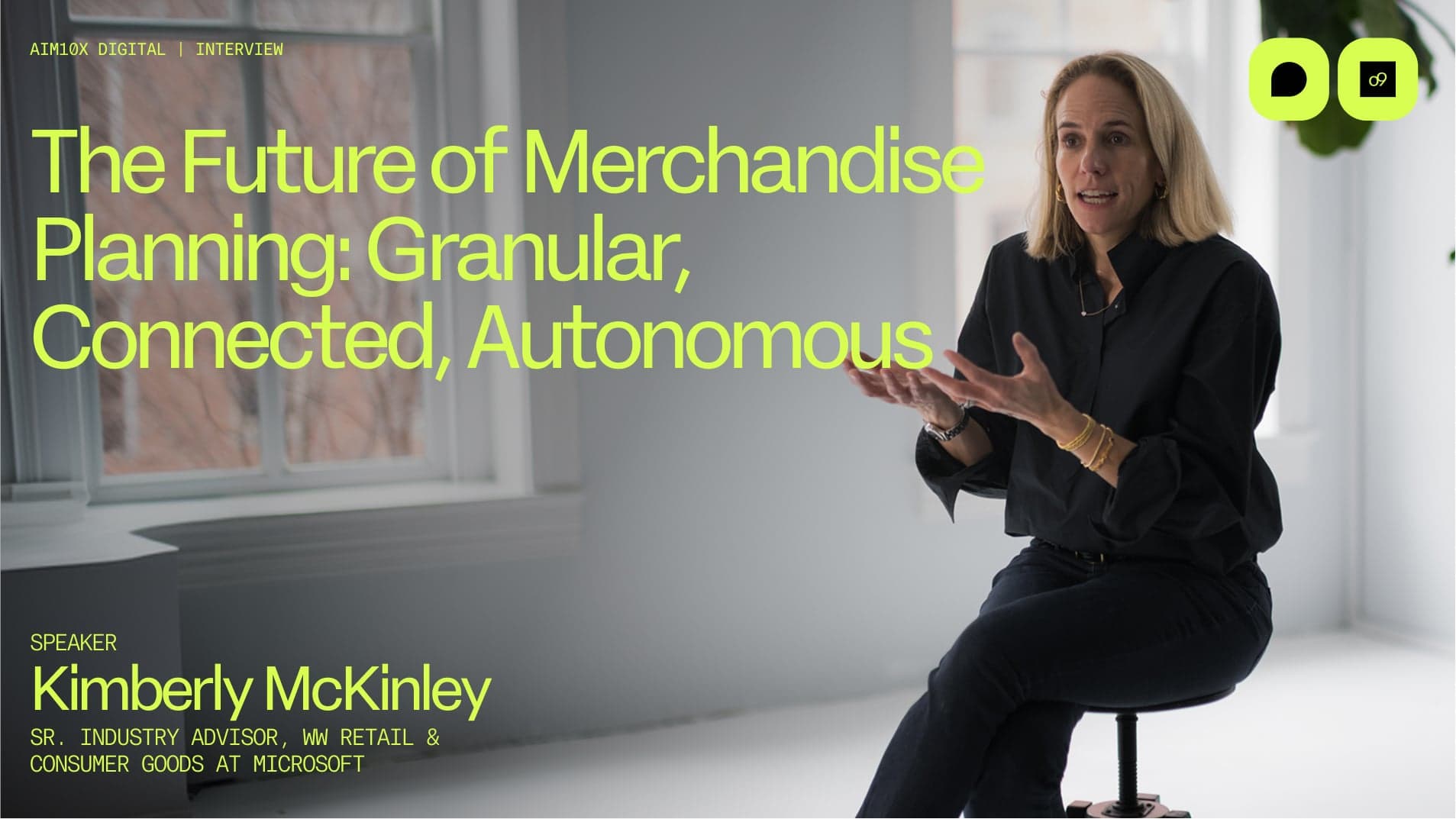
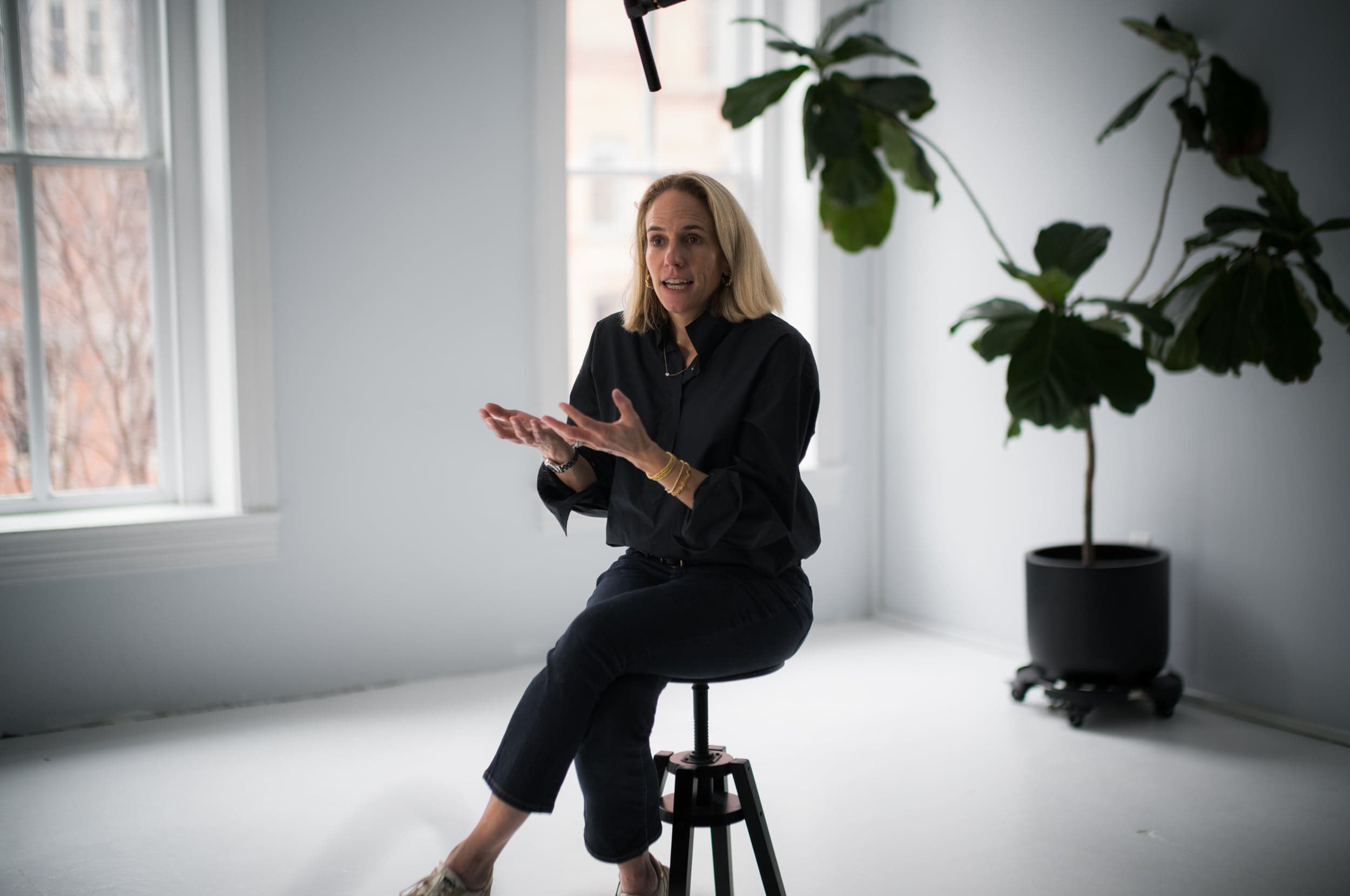
Kimberly McKinley, Sr. Industry Advisor, WW Retail & Consumer Goods at Microsoft, shared perspectives shaped by her early career in merchandising at Bloomingdale’s and planning at Louis Vuitton, experience she now brings to retailers modernizing planning on the technology side.
She opened with a fundamental challenge. Many retailers and brands are still spending valuable time trying to “unify their data.” Without “that unified, end-to-end view, where everybody in the organization has the same view and can react in real time,” decision-making slows. In season, that delay is costly. “Spending a few hours on something versus a week or five days really can make a difference,” especially when closing a quarter or managing a tight margin target.
That’s why her first message was simple. Start with “one singular view” of the business, aligned on shared KPIs. When teams stop debating the numbers and start acting on them, speed improves immediately and decision quality rises.
Once that foundation is in place, AI becomes practical rather than theoretical. Kim pointed to exception-based workflows as the natural entry point. Repeatable, rules-driven processes can be automated. “That’s the science piece.” What remains is “the art,” the merchant instinct, brand strategy, and in-season judgment that differentiate one retailer from another.
The goal is not to replace expertise, but to elevate it by removing manual work.
Continue the conversation at the aim10x Summits
A fundamental evolution of the operating model is underway. The presentations at aim10x Digital made clear that agility, intelligence, and autonomy are fast becoming enterprise imperatives. The next step is understanding what that shift means for your organization, and how to lead it with confidence.
To experience the APEX operating model in action, join us at:
- aim10x Europe, June 4th in Amsterdam
- aim10x Americas, September 23rd in Chicago
Across both events, you will see how leading organizations are redesigning their operating models for a volatile and complex world and what it takes to move from connected and analytical to truly agile, adaptive, and autonomous.
Value for leaders and practitioners
As a leader, you will gain practical insight into modernizing legacy models, aligning teams around faster end-to-end decision-making, and scaling AI across the enterprise. As a practitioner, you will see how AI-powered tools, real-time insights, and agentic planning can elevate your impact and shift focus from manual work to strategic value creation.
Through visionary keynotes, live agentic demonstrations, curated 1:1 networking, and focused tracks for executives and planners alike, you will leave with clear direction, meaningful connections, and actionable next steps.
Register early. Bring your team.
Attendance is free and capacity is limited. Register early, bring your team, and position your organization to lead the next evolution of the operating model.
About the authors
Vittorio Morelli
Vice President of Sales
Vittorio Gargiulo Morelli is Vice President of Sales at o9 Solutions, with over 12 years of experience spanning Bain, Accenture, and high-growth SaaS. He leads enterprise B2B sales and digital transformation initiatives, closing multimillion-dollar deals with Fortune 500 retail and manufacturing clients to optimize supply chains, drive growth, and advance sustainability. An INSEAD MBA graduate with global experience across Europe, the Middle East, and Latin America, Vittorio is passionate about sustainability, technology, and building high-performing teams that deliver measurable impact.