4 read min
Following the acquisition of Boost Mobile, DISH Network evolved from a satellite TV provider into a multi-brand wireless telecommunications company. However, mergers and acquisitions often spur new operating models that require different technologies and ways of working to support them.
Such an evolution led DISH to undertake a digital supply chain planning transformation to enable the rapid distribution of mobile phones to its expanding subscriber base, all while maintaining a seamless customer experience across its growing portfolio.
The telecommunications industry is highly competitive, with companies constantly seeking ways to optimize operations, reduce costs, and improve service delivery. DISH recognized that its existing supply chain infrastructure, built primarily for satellite television, would not be adaptable or scalable enough to meet the demands of its new wireless business. This realization pushed the company to rethink its entire supply chain strategy, adopting advanced technologies and more flexible processes to accommodate the rapidly shifting market dynamics.
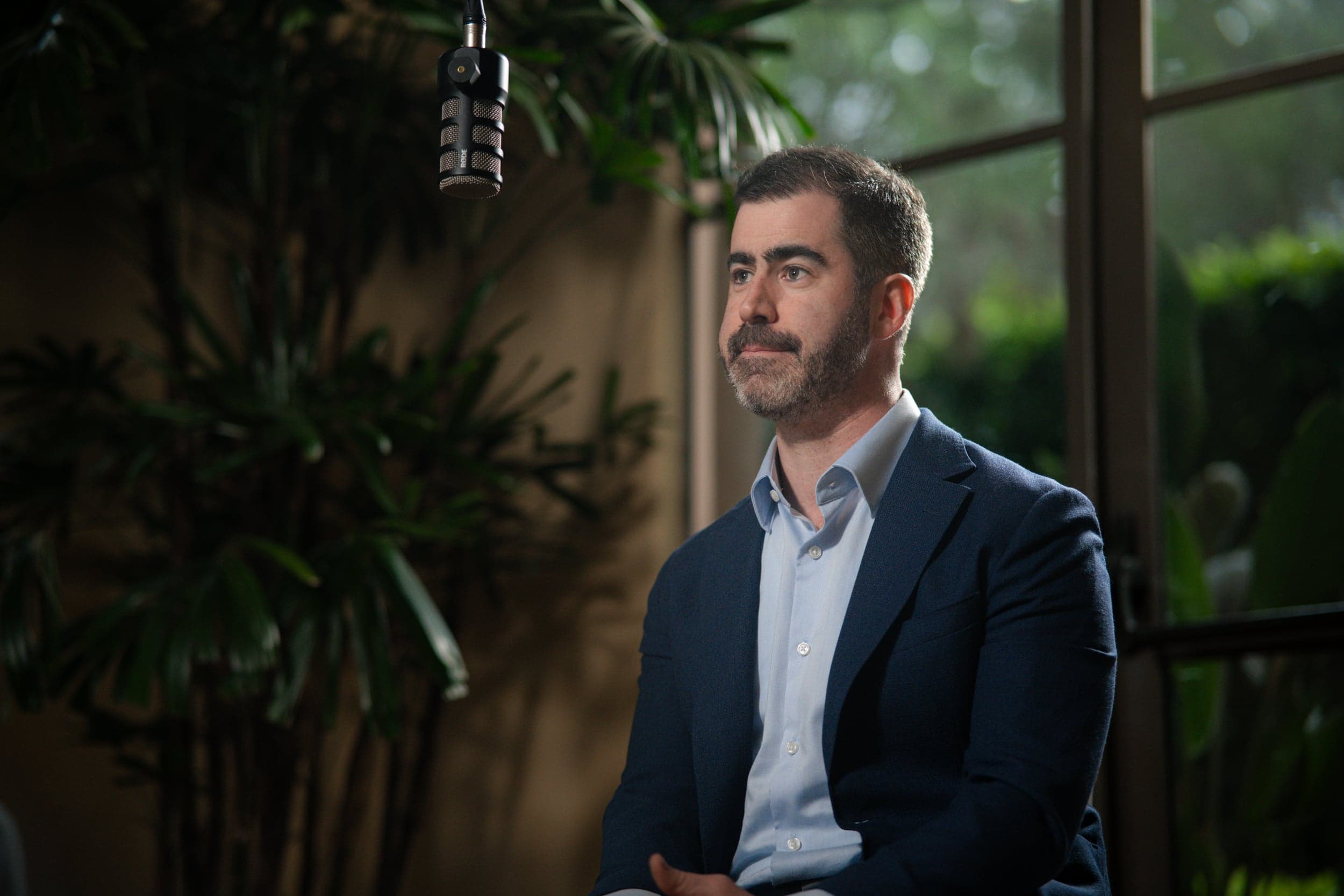
Geoff Fry, DISH’s Vice President of Supply Chain Management, is leading the transformation. He has considerable experience outside the telecommunications industry, having worked extensively in electronic manufacturing and distribution. This cross-industry expertise has been critical in shaping the company's approach to supply chain management.
In a recent interview, he spoke about how disciplines common in manufacturing settings—such as lean management and Six Sigma—have been instrumental in restructuring DISH's supply chain operations.
"What I try to bring to this job is a lot of the disciplines that you see in manufacturing organizations and apply them to an industry that perhaps has grown up with fewer disciplines," he noted. This unique approach has helped DISH break free from traditional telecom models, bringing in methodologies designed to streamline and optimize operations.
Data Challenges
One of the most significant obstacles for DISH was managing disparate and siloed data across its newly acquired businesses. These data silos created inefficiencies, slowed decision-making, and limited visibility into key operational metrics. "The data was scattered," Geoff stated, emphasizing the complexity of integrating information from multiple sources.
In particular, the lack of a unified data structure made it difficult for the company to respond to market demands with the speed and precision required in the wireless sector.
The solution was a bold move towards centralization: "Trying to create a single source of truth was our greatest challenge at the beginning of this project," Geoff explained. By aligning information from various sources—ERP systems, 3PL partners, distributors, and dealers—into a single platform, DISH could enhance decision-making and operational efficiency. This data centralization enabled real-time tracking of inventory, improved forecasting accuracy, and gave the company the agility needed to meet the demands of its growing customer base.
Choosing a Vendor
Selecting the right technology partner to assist in this transformation was another significant challenge. The stakes were high, as the chosen platform would have to integrate seamlessly with multiple business units, each with its own operational nuances. Geoff emphasized the importance of a unified tool to avoid redundancy and inefficiency, explaining, "We're not gonna buy two dishwashers." Eventually, DISH selected o9 for its platform’s flexibility, scalability, and alignment with DISH’s specific needs.
o9 not only provided the necessary technical capabilities but also played a crucial role in driving executive buy-in across the company. Geoff praised the collaboration between DISH and o9, noting that their team made the platform "feel familiar, useful, and usable" for DISH employees. This seamless adoption was essential for the success of the transformation, as it minimized resistance to change and ensured smooth transitions across various departments.
Managing Change
Discussing change management, Geoff described how implementing new tools necessitated a reevaluation of existing processes to ensure optimal performance across the board. "Tools can drive commonality of the process...and driving folks towards the more thoughtful optimal process for execution," he reflected. By harmonizing disparate processes and unifying them under one framework, DISH was able to streamline its operations and significantly reduce inefficiencies. This approach has been vital in establishing a high-performing supply chain responsive to the fast-paced demands of the telecommunications industry.
Looking Forward
Geoff envisions a future where advanced technologies like AI and machine learning will become integral to DISH's supply chain. Predictive analytics, real-time monitoring, and automation are already in the pipeline, aiming to reduce human error and further enhance decision-making capabilities.
"The supply chain of tomorrow will be proactive, not reactive," Geoff predicted, highlighting the importance of harnessing emerging technologies to stay ahead of industry trends.
With its digital transformation in full swing, DISH is positioning itself as a player and a leader in the wireless telecommunications space. By focusing on continuous improvement and strategic investments in supply chain technologies, the company is poised to achieve long-term growth and success. DISH's transformation reflects a broader shift in telecommunications toward more complex and intelligent supply chains, underscoring the importance of adaptability, foresight, and innovation in a rapidly evolving industry.

About the authors

o9
The Digital Brain Platform
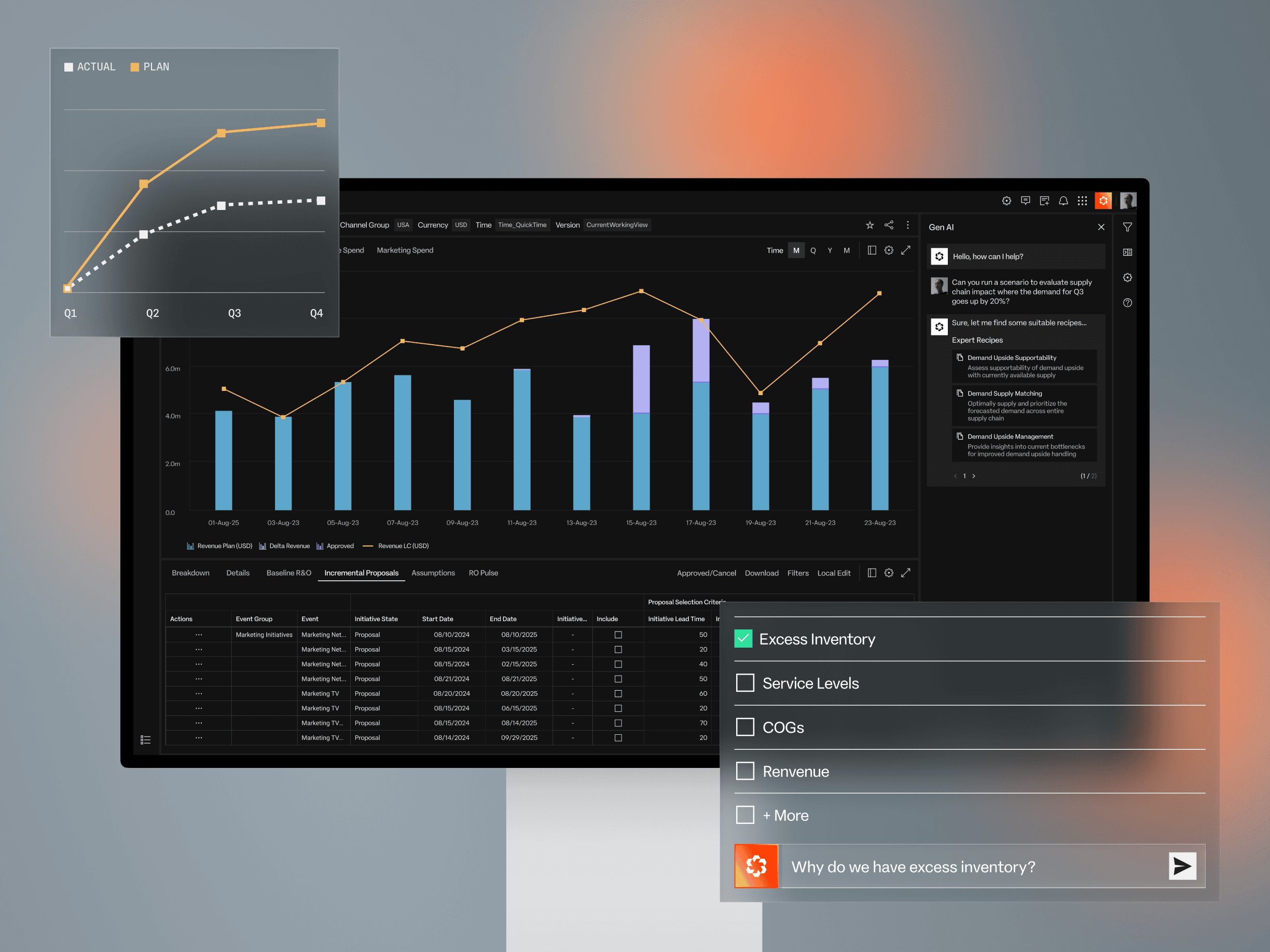
o9 Solutions is a leading Enterprise Knowledge and AI-powered platform helping companies build Agile, Adaptive & Autonomous Planning & Execution Models for transforming enterprise decision-making in environments of rising volatility and uncertainty. Whether it is improving forecast accuracy, matching demand and supply and driving collaboration across the multi-tier supply chain to improve resilience at optimal costs and inventory, or optimizing new product and commercial initiatives to drive revenue growth and margins, decision-making processes from long-range to tactical to execution horizon can be made faster and smarter and connected on o9’s Digital Brain Platform.
o9 brings together game-changing technology innovations — such as innovative enterprise knowledge graph modeling, big data analytics, advanced algorithms for forecasting, demand/supply balancing, scenario planning, real time learning, collaboration, generative and agentic AI, easy-to-use interfaces and cloud-based delivery, and innovative management methods — as well as organization, process and change management best practices to transform decision-making speed and intelligence.