5 read min
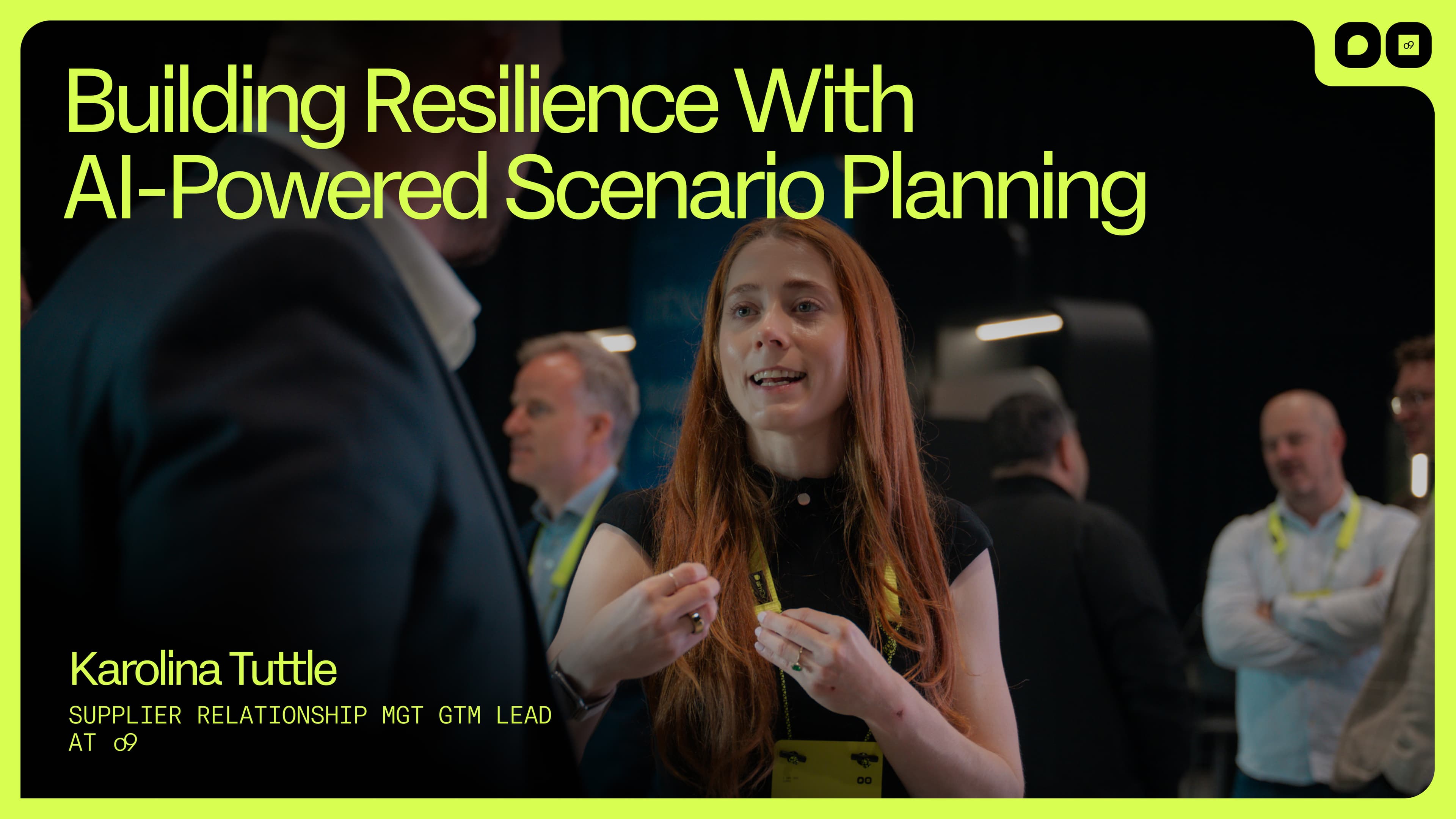
When tariffs strike, the impact on global manufacturers is swift and damaging. But for Karolina Tuttle, o9's Supplier Relationship Management GTM Lead, it's not just about reacting. It's about preparing.
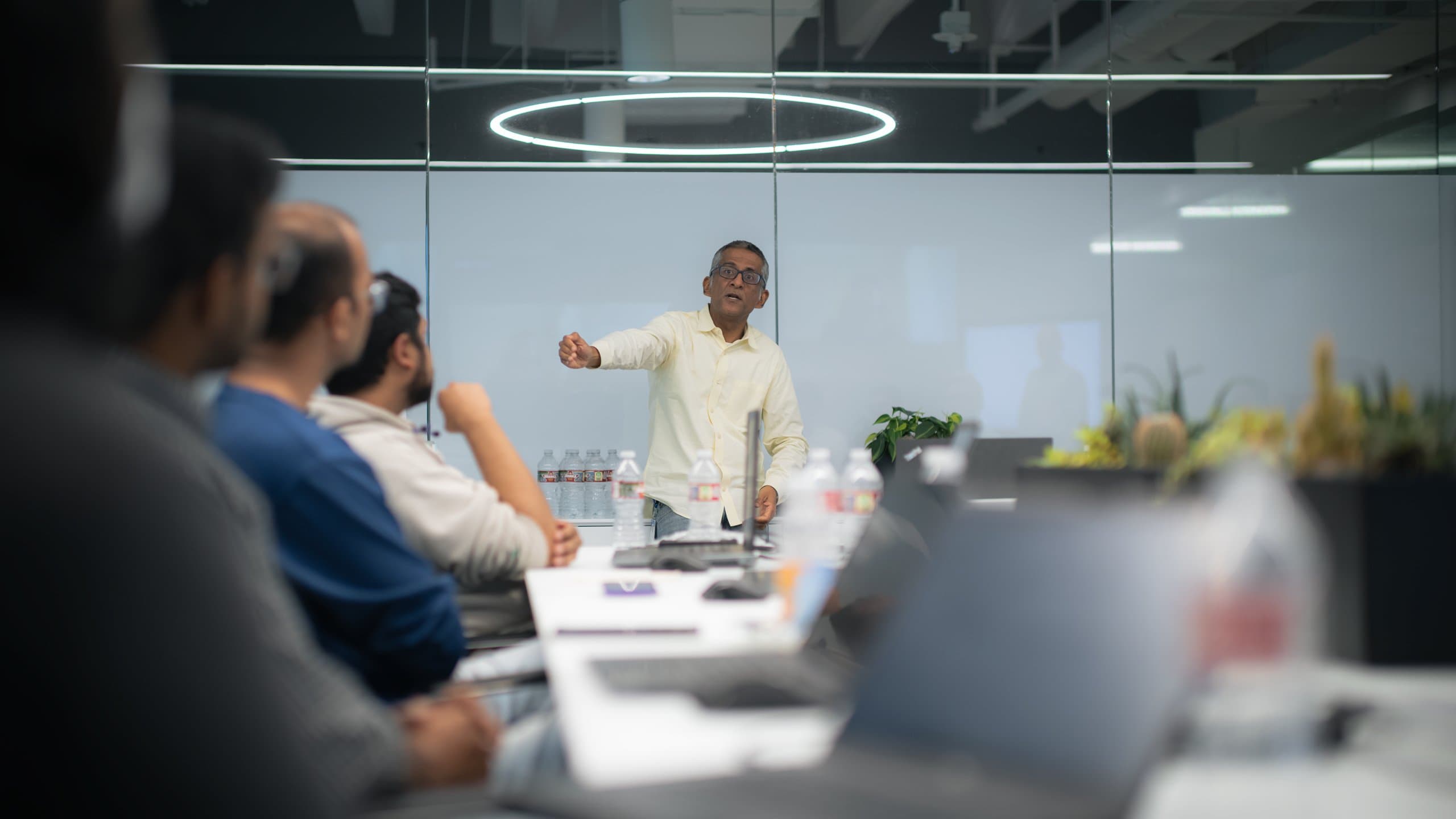
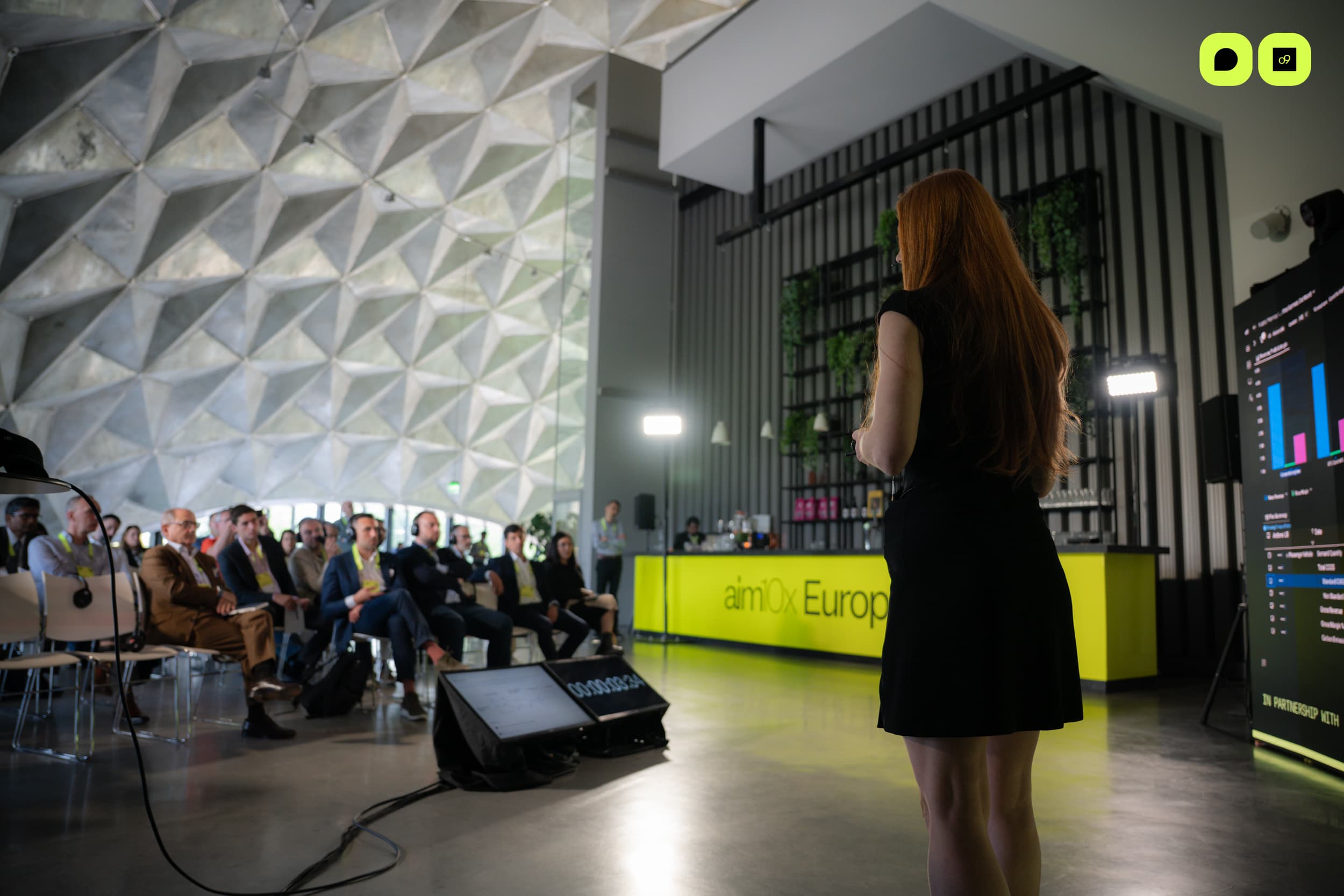
"Tariffs won't disappear tomorrow. But the panic they cause? That can," Karolina said during her keynote session, where she demonstrated how o9's AI-powered platform equips supply chain leaders to plan, adapt, and thrive amid uncertainty.
Karolina stepped into the shoes of an automotive OEM facing a new wave of tariffs. For the audience, it was a simulation. For many in the room, it was reality.
No visibility, no agility
Karolina began by addressing the core weakness in traditional supply chains: a lack of visibility beyond tier one. "Most companies don't know where their components come from unless they buy them directly. There's no collaboration, just spreadsheets and PDFs," she said. "If something happens—a boat stuck in the Suez, a bridge collapse—supply chain teams scramble."
“Running a 'what-if' scenario might take weeks. By then, the damage is done.”
Karolina Tuttle
Supplier Relationship Management GTM Lead at o9 Solutions
What follows is delay, disagreement, and disarray. These delays are costly. Not only do they erode margins, they fracture trust across internal teams and with customers. In a high-stakes environment like automotive manufacturing, where global sourcing and regional assembly are standard, even small disruptions ripple across the network. Tariffs only magnify this.
A better way to plan
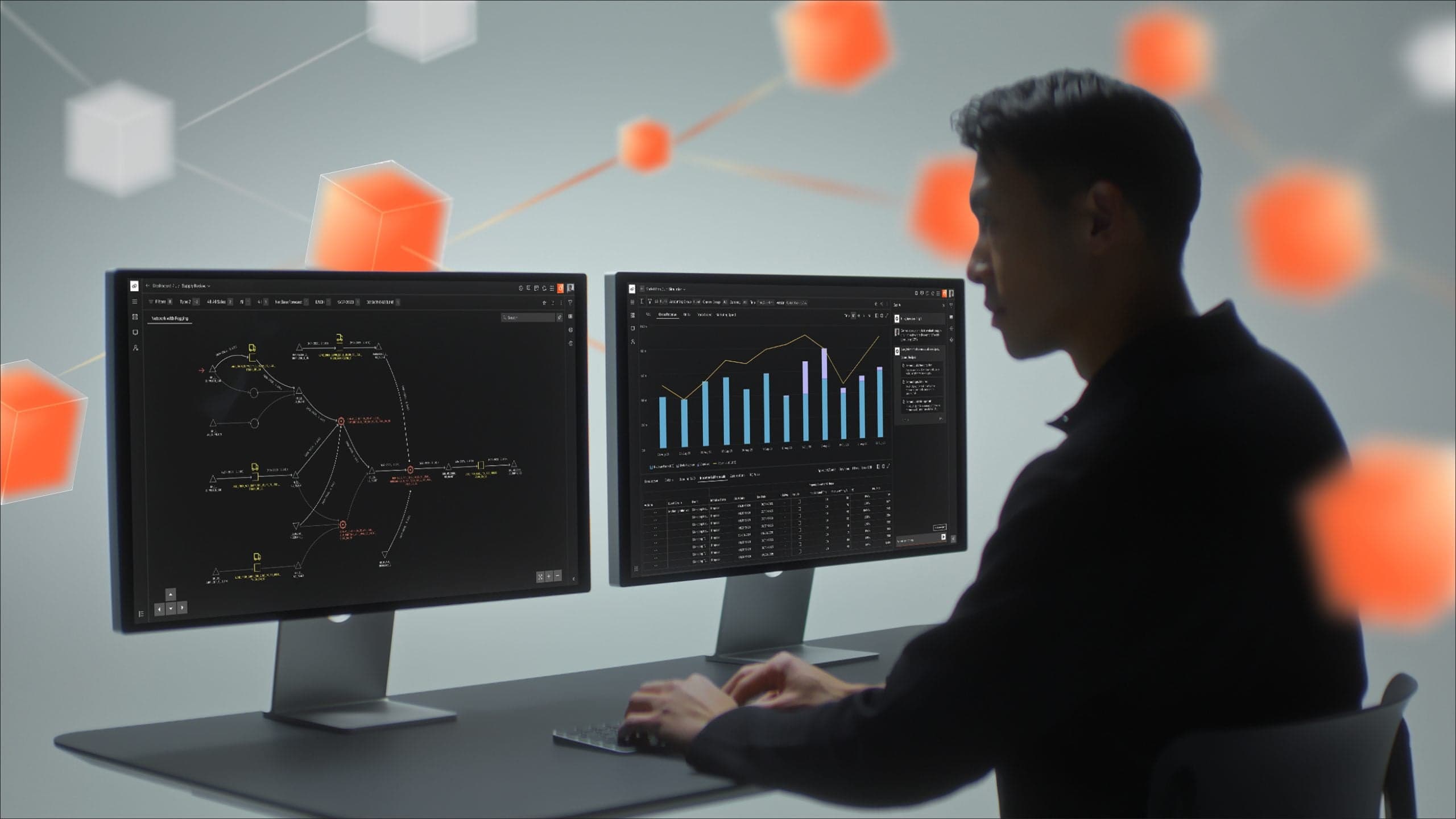
"There is a better way," Karolina told the crowd. Using o9, she showed how an AI agent instantly assesses tariff impact across an entire supply chain. In seconds, the system highlighted:
- A projected double-digit (towards the 15% mark) margin drop if no action is taken
- More than a projected $500 million in added costs
- Specific products, suppliers, and regions at risk
But it didn’t stop at analysis. The platform surfaced actionable recommendations: explore alternate suppliers, expedite purchase orders, collaborate on demand planning, and model consumer price sensitivity.
"What used to take weeks is now happening in seconds," Karolina noted. "The power of connected planning isn’t just in data—it’s in speed and precision."
From insight to action
Karolina emphasized one critical shift: from insight to action. "It's not just about seeing the problem. It's about knowing what to do next."
She demonstrated how the platform connects impacted components to finished vehicles, then links those vehicles to dealerships and customers. The result? A clear line of sight from tariffed raw material to consumer impact, complete with margin data, demand forecasts, and revenue projections.
"You can't make executive decisions on partial views. o9 gives you the full picture, fast."
This end-to-end visibility supports smarter trade-offs. Should the company absorb the cost? Pass it on to consumers? Expedite inbound shipments? With o9, these aren’t guesses—they’re modeled outcomes.
Scenario planning at speed
Karolina walked through three real-world scenarios:
- Do Nothing: Absorb the $500M+, lose the double-digit margin.
- Expedite POs: Airfreight critical materials before tariffs take effect, saving millions but increasing carbon emissions.
- Pass Cost to Customer: Maintain margin, but risk major drops in demand—especially for economy vehicles.
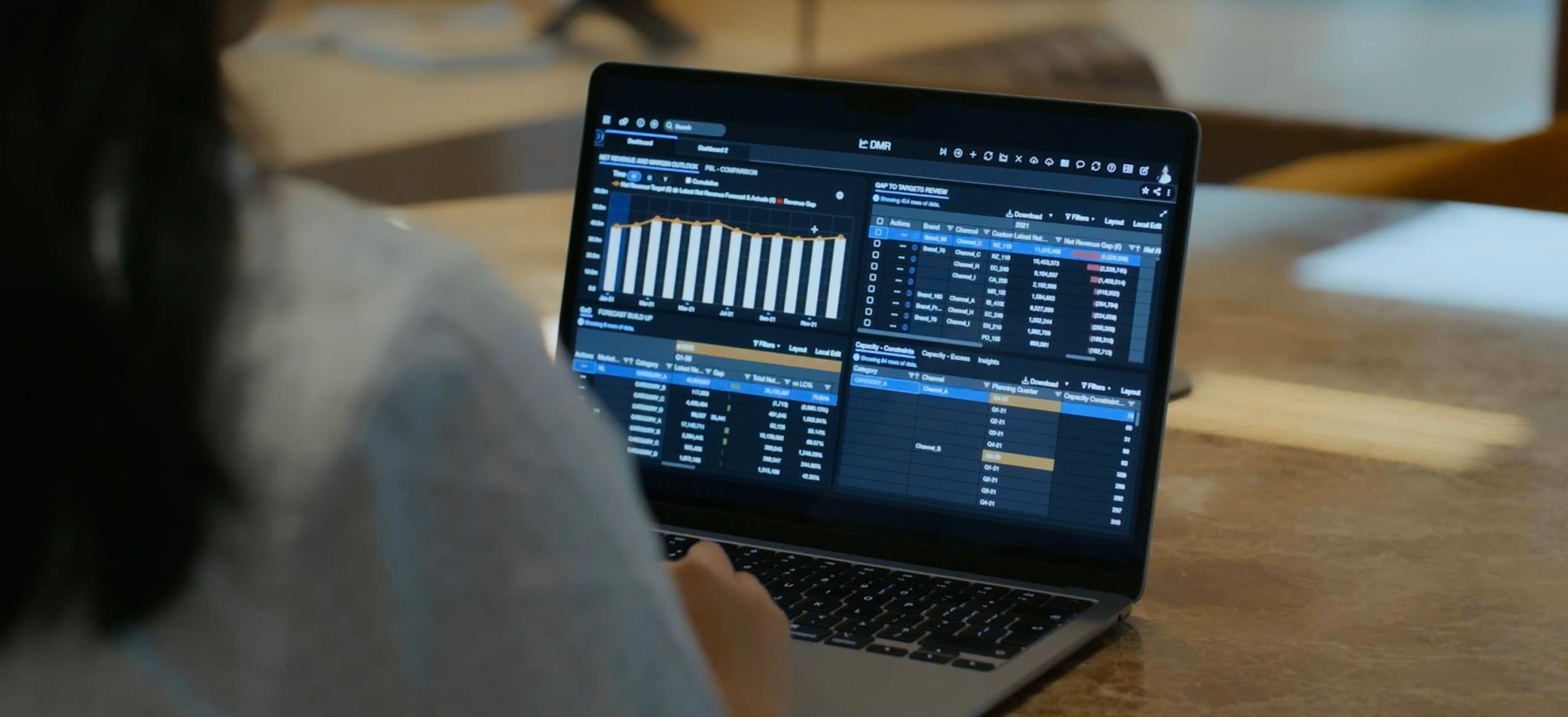
Each scenario included a breakdown of cost, demand, and environmental impact. "These are trade-offs leaders must weigh. With o9, you're not guessing. You're planning."
The platform even modeled consumer behavior. For instance, passing costs onto customers resulted in a temporary demand spike—consumers rushing to buy before price hikes—followed by a steep decline, particularly in price-sensitive segments. Luxury vehicle demand held steadier, highlighting elasticity differences across product lines.
Collaboration, not just coordination
One of the most powerful parts of the demo came when Karolina "switched hats" from OEM to supplier. "This is how your supplier sees the same PO request. They can accept the expedite right inside the platform. That’s real-time collaboration."
This two-way view is a game changer. "We move from emailing spreadsheets to dynamic coordination. Suddenly, we're all working from the same source of truth."
She showed how a supplier could accept an expedited PO for 15,000 battery cells with a click—avoiding costly delays. "That’s how you turn insight into execution."
Sustainability stays in focus
While cost and margin dominated the discussion, Karolina didn’t let sustainability take a back seat. "Every scenario also modeled carbon emissions," she said, referencing the airfreight-heavy expedite plan. "It's not just about saving dollars—it’s about measuring trade-offs across all key metrics."
This visibility ensures that decisions made to save costs don’t inadvertently harm environmental goals. "Sustainability is not an afterthought in o9. It’s part of the plan."
The power of a unified platform
Karolina ended with a clear message: tariffs are not the problem. Inflexible, disconnected systems are.
"Before o9, you had fragmented data, siloed teams, and no time to act. With o9, you have tier-two visibility, live what-if modeling, and supplier collaboration all in one place."
The ability to shift between strategic and tactical views—from portfolio summaries to individual PO decisions—empowers every level of the organization.
"We’re not just giving executives dashboards. We’re giving every planner, buyer, and supplier a voice and a plan."
Key lessons from the session
Karolina, towards the end of her keynote session, highlighted the most important insights related to this topic:
- Don’t wait for disruption to act: The time to prepare is before tariffs hit.
- Visibility matters: Tier-two transparency can be the difference between margin loss and competitive advantage.
- Scenario planning is a must: Simulate cost, demand, and sustainability impact before making decisions.
- Collaboration is critical: Real-time supplier engagement drives faster, smarter responses.
- Unify your platform: Fragmented systems delay decisions. Unified data accelerates them.
A roadmap for resilient planning
For supply chain leaders navigating the realities of global trade, Karolina Tuttle offered more than a demo. She offered a roadmap. One where resilience isn’t a reaction. It’s a built-in capability.
"Life gets easier when your planning does, too," she said in closing. And with o9, that future is already here.
Watch Karolina's entire keynote at aim10x Europe below.
About the authors

The Editorial Team, o9
A multidisciplinary collective of editors, strategists, technologists, and former executives with experience across Fortune 500 companies and top consulting firms. Grounded in o9’s mission to help enterprises make faster, better decisions through the power of AI-driven planning and execution software, the team shares clear, practical insights on digital transformation, supply chain, and enterprise planning to support business leaders in navigating complexity and driving change.