/

/

AI/ML Forecasting

AI/ML Demand Forecasting Software for Enterprises

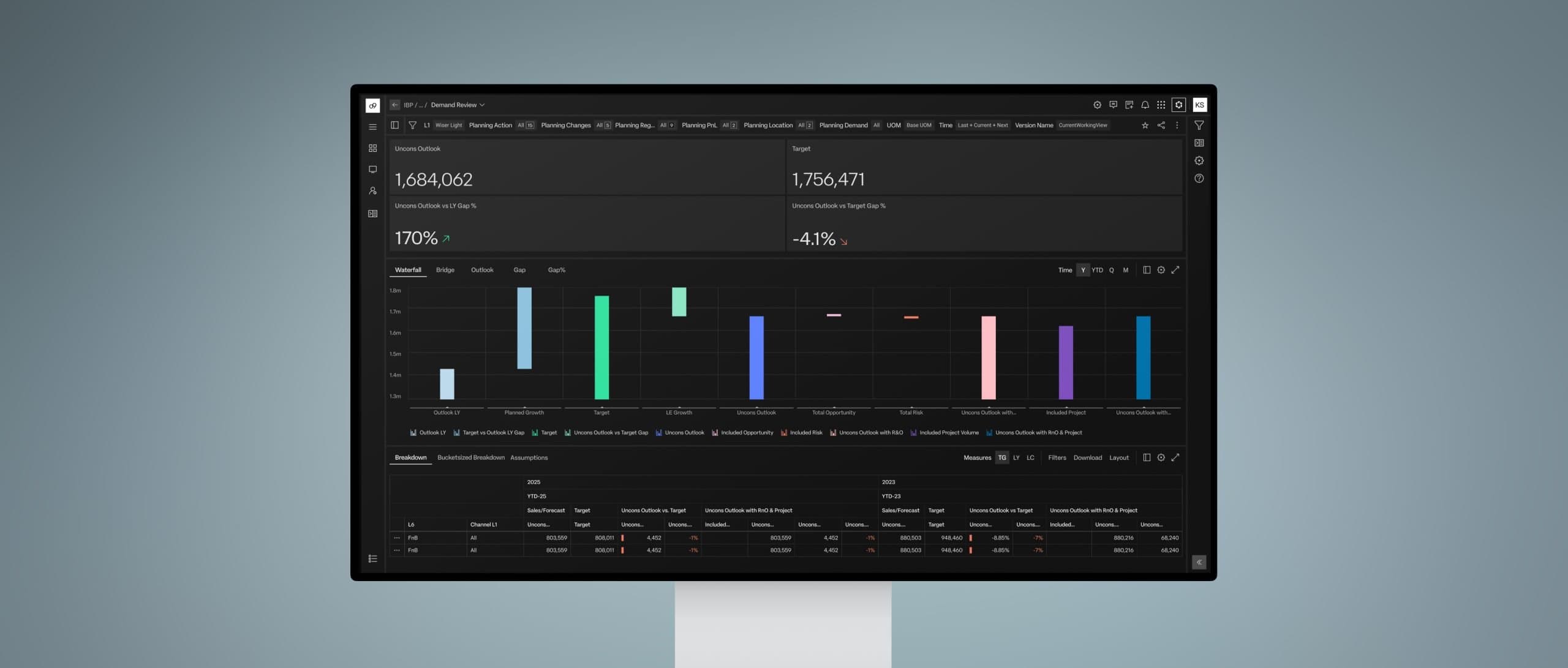
AI/ML Demand Forecasting on the o9 Digital Brain applies advanced machine learning, multi-model ensembles, and Forecast Value Add (FVA) to generate accurate, explainable, and resilient forecasts in highly volatile environments.

Pearson
Coca-Cola Bottlers Japan
Godrej
Philips
Keurig Dr Pepper
Roland
The Mosaic Company
DS Smith
Scandinavian Tobacco Group
Eckes-Granini Group
MRF Limited
Mango
Pearson
Coca-Cola Bottlers Japan
Godrej
Philips
Keurig Dr Pepper
Roland
The Mosaic Company
DS Smith
Scandinavian Tobacco Group
Eckes-Granini Group
MRF Limited
Mango
Pearson
Coca-Cola Bottlers Japan
Godrej
Philips
Keurig Dr Pepper
Roland
The Mosaic Company
DS Smith
Scandinavian Tobacco Group
Eckes-Granini Group
MRF Limited
Mango

UNLOCKING BILLIONS IN VALUE FOR CLIENTS IN 30+ INDUSTRIES

Key Differentiators

Why Leaders Choose o9’s AI/ML Forecasting Software

Forecast volatility is now the default. Post-pandemic disruptions, pricing shocks, promotions, weather events, and rapid channel shifts routinely distort demand patterns and erode the reliability of traditional time-series methods.

  • Model Tournaments & Ensemble Forecasting

    Continuously evaluate statistical, machine learning, and AI forecasting models to identify the best-performing approach by product, channel, and horizon. Ensemble forecasting combines multiple models to improve forecast accuracy, resilience, and adaptability in changing market conditions.

  • Advanced Feature Engineering

    Automatically incorporate demand drivers such as pricing, promotions, weather, holidays, and market signals into forecasting models. This helps organizations generate more context-aware forecasts that reflect real business dynamics rather than relying only on historical patterns.

  • Touchless Forecasting

    Automate baseline forecasting at scale while reducing the need for constant manual intervention across large product portfolios. Exception-based workflows help planners focus attention where human judgment delivers the greatest value.

  • Forecastability-Based Segmentation

    Classify products and demand streams based on volatility, intermittency, and seasonality characteristics. This enables organizations to apply differentiated forecasting strategies that are aligned to actual demand behavior.

  • Forecast Value Add Analysis

    Measure whether planner overrides and process interventions improve or reduce forecast quality compared to the statistical baseline. This creates greater transparency into planning effectiveness and supports more trusted automation.

  • Causal & Driver-Based Forecasting

    Use internal and external signals to understand the factors influencing demand changes across products and markets. Driver-based forecasting improves forecast explainability and supports more informed business decisions.

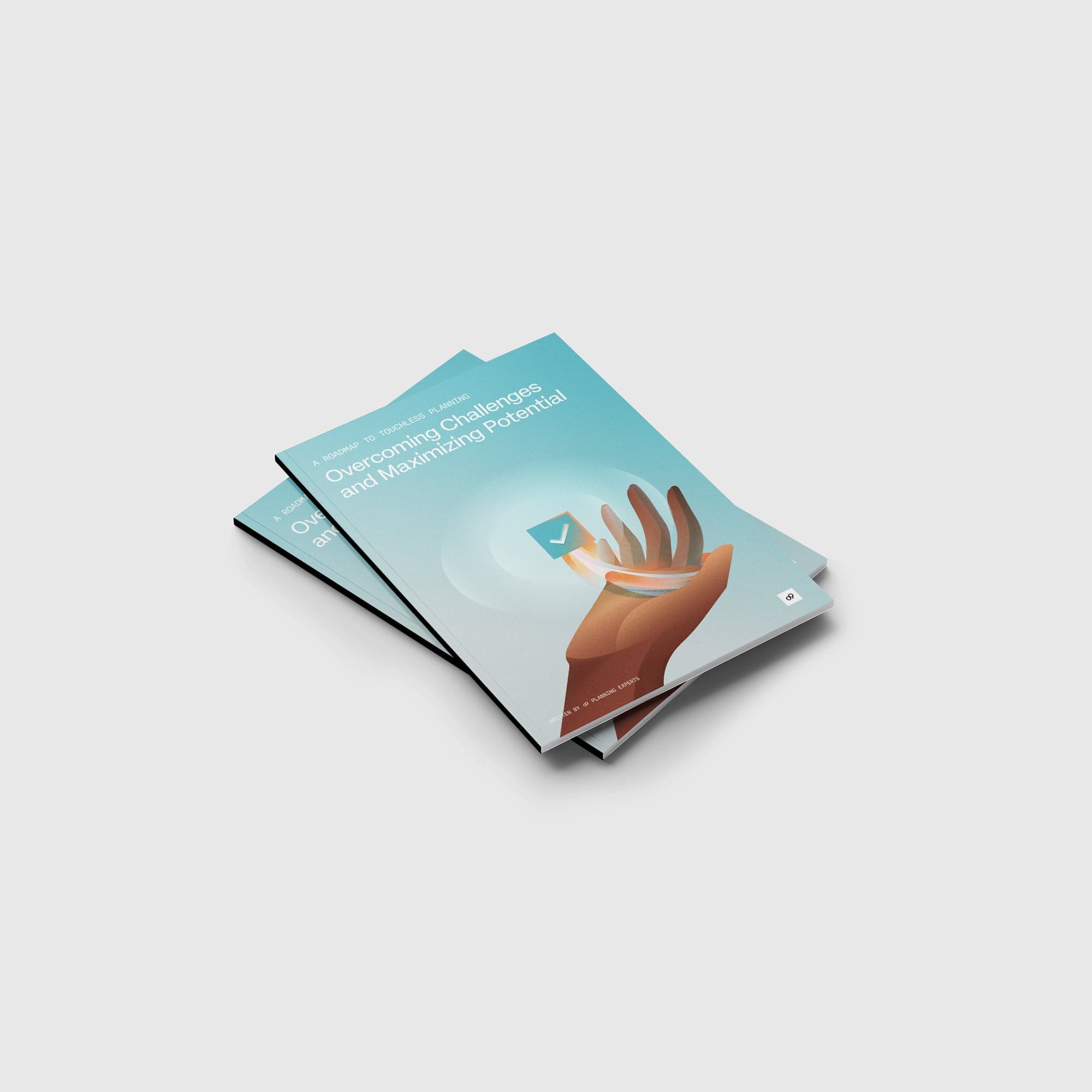
    A Roadmap to Touchless Planning: Overcoming Challenges and Maximizing Potential


    Touchless planning depends on a tightly connected system of capabilities: high-quality input data, the right level of granularity, advanced AI and optimization engines, and continuous feedback mechanisms.

    These elements work together to generate accurate, explainable, and execution-ready plans, while continuously learning and improving over time.
Examples of Business Value
Achieved with o9

Food & Beverage
  • By improving forecast accuracy and real-time visibility and alerts.

    25%Reduction in excess inventory
  • Enabling faster, more precise inventory allocation.

    +9%Improvement in monthly forecast accuracy
  • Allowing planners to provide a higher-quality service to both internal and external stakeholders.

    11%Reduction in losses

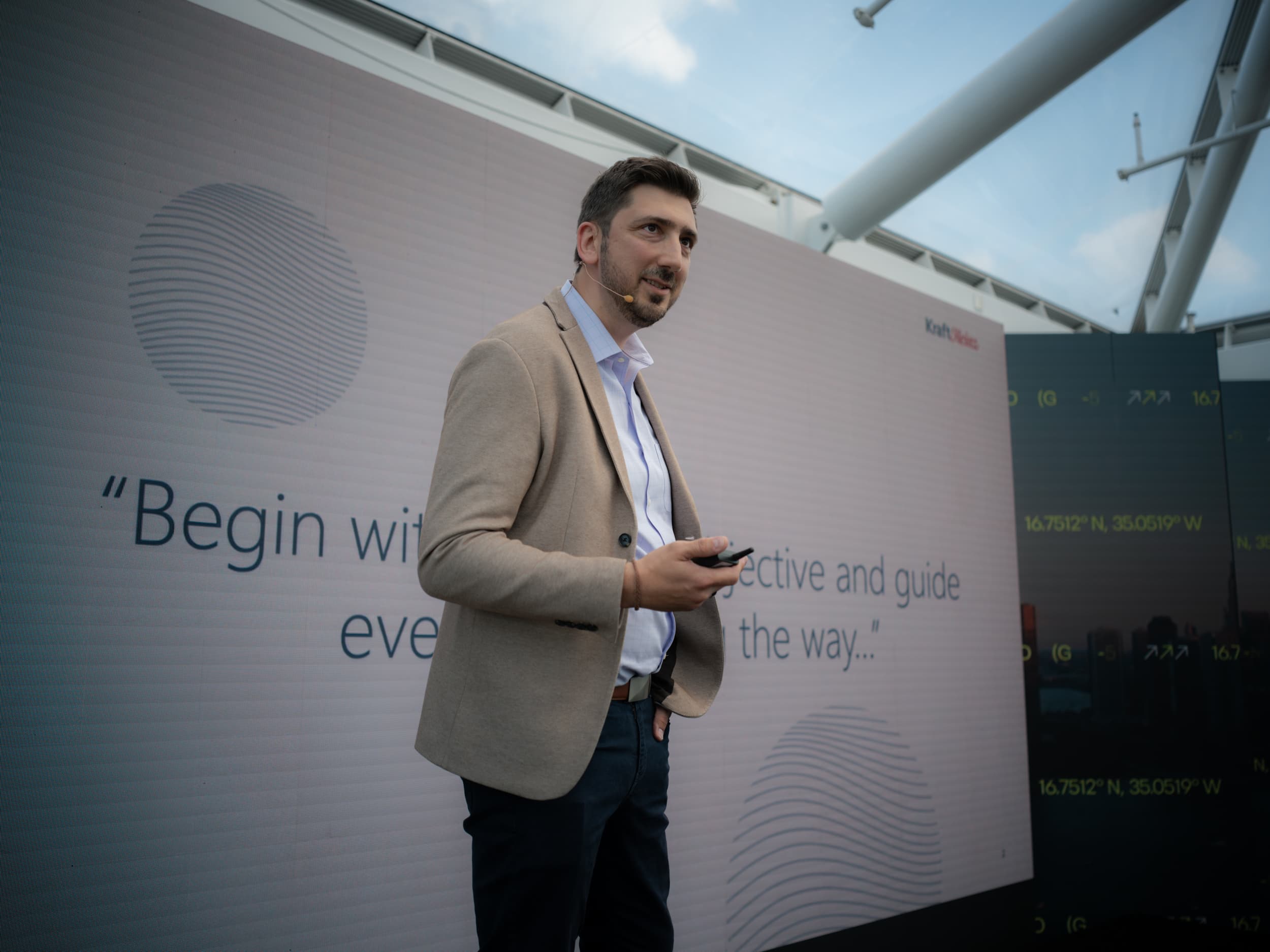
Kraft Heinz has used AI-powered forecasting to address material shortages, pricing volatility, and the need for precision at scale, leveraging an approach that continuously runs simulations to adapt forecasts as conditions shift.

Outcomes included improved monthly and short-term weekly accuracy, reductions in excess inventory, and lower supply chain losses.

Key Differentiators

What Makes o9 Different

  • Forecast Value Add Analysis


    o9 anchors forecasting improvement in FVA analysis that quantifies the impact of every step in the process. Teams can clearly distinguish positive FVA (where human input improved the forecast), negative FVA (where adjustments reduced quality), and touchless areas where no intervention is required. This transparency drives behavior change, reduces unproductive manual work, and creates sustained improvement rather than temporary gains.

  • Stability & Reasonability Metrics

    Beyond accuracy, o9 incorporates stability and reasonability metrics to ensure forecasts remain consistent across planning cycles and make sense in year-over-year and cumulative comparisons. These guardrails prevent the “whiplash” effect that comes from overfitting or reacting to noisy signals.

  • Multi Models at Scale

    Instead of a single algorithm approach, o9 applies multi-model AI at scale — combining statistical models, gradient-boosted trees, and deep learning techniques — to deliver stronger accuracy, better stability, and clearer explainability through ensembles.

featured insights

Related Resources
& White Papers

    The Complete Guide to Strategic Demand Planning 2026

    Forecasting is the first step. Learn how to transform predictions into precise actions.

    A Roadmap to Touchless Planning: Overcoming Challenges and Maximizing Potential


    Touchless planning depends on a tightly connected system of capabilities: high-quality input data, the right level of granularity, advanced AI and optimization engines, and continuous feedback mechanisms.

    These elements work together to generate accurate, explainable, and execution-ready plans, while continuously learning and improving over time.

what customers say

Driving Real
Enterprise Value

Discover our platform

Live Demo with an o9 Expert

Get a personalized walkthrough with an o9 solution specialist and see how to drive faster, smarter planning decisions across your enterprise.

Discover the platform

Take a Tour

See how the o9 Digital Brain unifies planning, forecasting, and execution through AI-driven intelligence.

Use Cases

Explore in-depth
o9's Demand Planning Use Cases

FAQ AI/ML Forecasting

AI/ML demand forecasting uses machine learning algorithms to identify complex patterns and demand drivers that traditional methods cannot capture, continuously learning and adapting as market conditions change.