8 read min
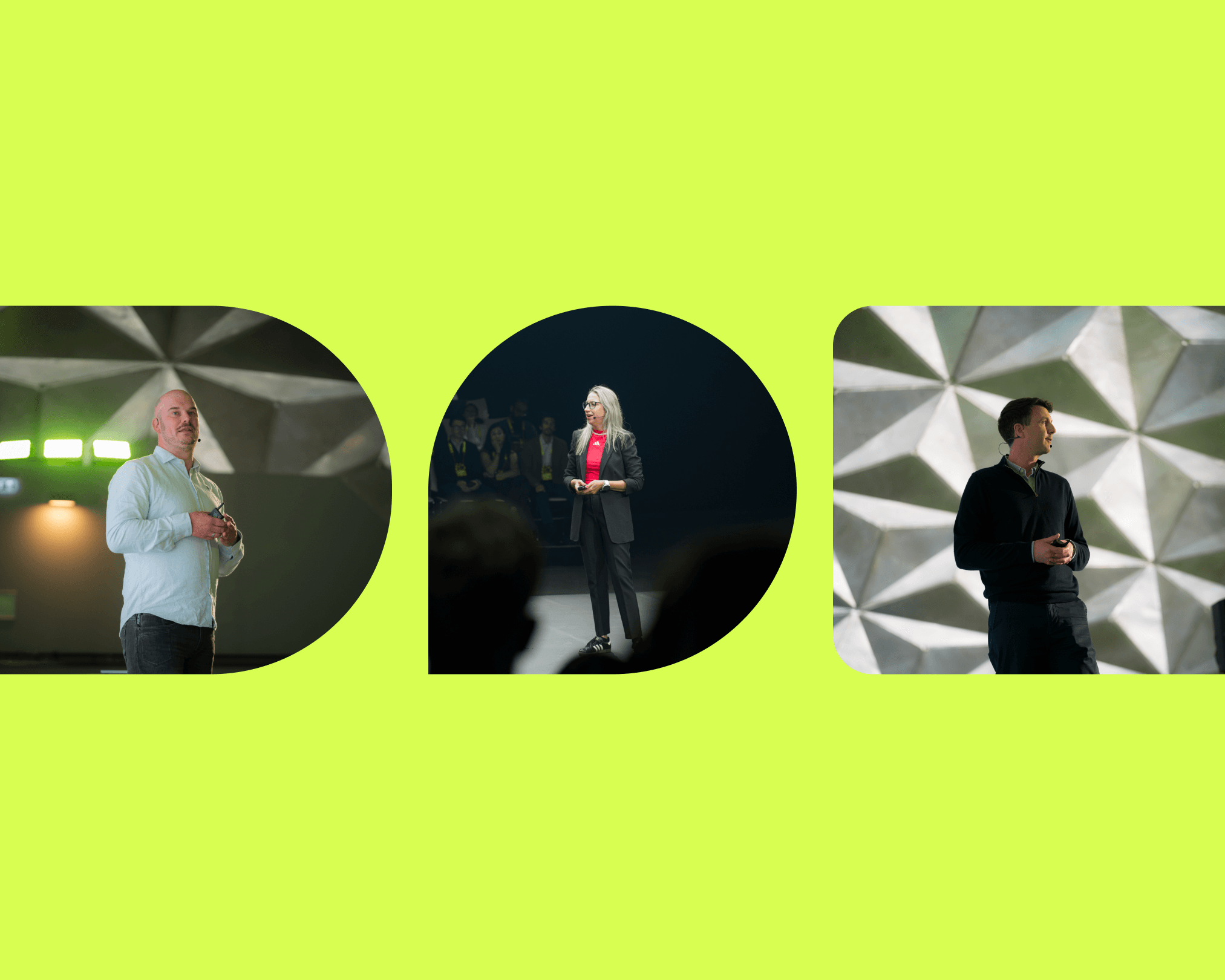
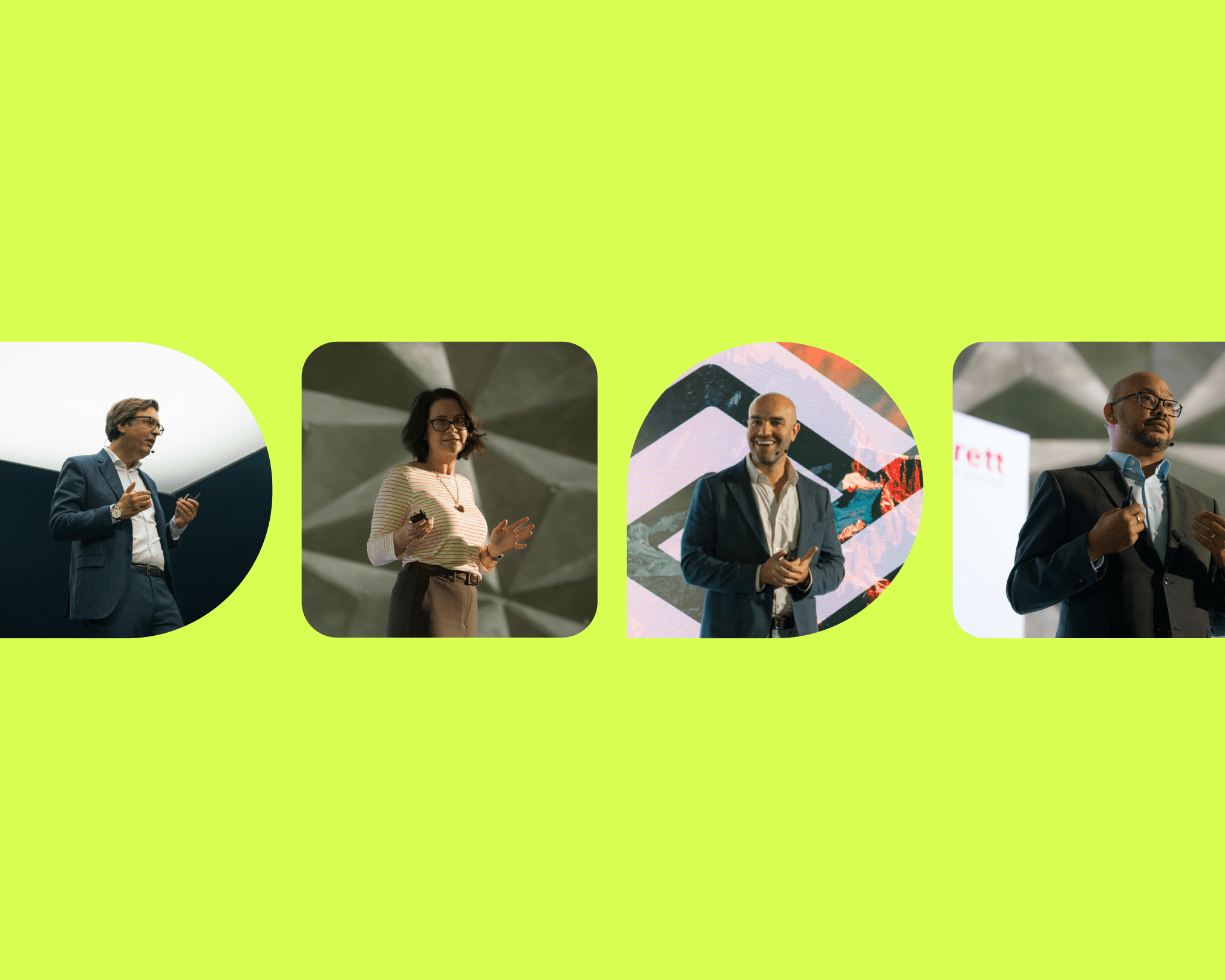
Over fifty senior leaders in Supply Chain and IT gathered for aim10x Bangkok—the second stop on o9’s second annual global event tour—to challenge the status quo of enterprise planning and decision-making. The event, sponsored by PwC and featuring executives from Pandora, Indorama Ventures, Alcott Global, and o9, provided a platform for companies to share how they’re leveraging new technology and ways of working to address the challenges facing their global supply chains.
Insights from Pandora's Groundbreaking Sustainability Journey
Many companies have made ESG promises in recent years. However, fewer have taken as many steps as Pandora, the world's largest jewelry manufacturer by volume, to deliver on them. The jeweler has not only set ambitious carbon-reduction targets for 2030; it’s already halfway on its journey to using only recycled silver and gold in its products by 2025.
Pieter Pennings, the Vice President of Supply Chain and Sustainability at Pandora, took the stage first to outline how the jeweler is taking steps to transform its operations and align them with the increasing demands of consumers, particularly millennials and Gen Z, for sustainable products. He shared that Pandora has faced growth challenges, including a downturn around 2015. However, a strategic turnaround in 2019 marked by the company's Phoenix strategy—a growth initiative emphasizing sustainability—revitalized the brand, helping it resonate with an increasingly socially conscious customer base.
"Sustainability is foundational to Pandora’s growth," Pieter explained, highlighting that the transition involved selecting the most stringent certified recycled standards for silver and gold, ensuring their operations and entire supply chain were aligned with the Responsible Jewelry Council's Chain-of-Custody certification by 2023. The transition, already at nearly 50% completion, is planned to culminate in 2025 when 100% of Pandora’s products will be made using recycled silver and gold.
The jeweler’s commitment to sustainability extends beyond material sourcing. "We are the first company in the industry to target carbon emissions and aim to go fully carbon neutral by 2030," he stated. He also expressed Pandora’s commitment to honoring the “S” in ESG—the social aspect concerning human rights that is rapidly rising up corporate agendas. "Our focus is to ensure that we are continuously elevating our supply chain in terms of human rights.”
Throughout his talk, Pieter reiterated the importance of collaboration in achieving these sustainability objectives. He stressed the need to involve the entire supply chain, from sourcing raw materials to the production processes, saying, "It’s not just about transforming our operations but working with our entire supply chain to ensure this transition happens.”
Why IBP Is a Pillar of Indorama Ventures' Digital Transformation
While globalized supply chains reduce costs, they also exact several of their own. Risk is more difficult to manage. ESG compliance is more difficult to enforce. Supply chain visibility is more difficult to attain.
Indorama, a significant player in the global sustainable chemicals market that operates across 148 sites on six continents and in 25 countries, quickly realized that trying to address the planning challenges resulting from its large global footprint, increasing disruptions, and ESG regulations with legacy planning technology was putting them at a competitive disadvantage, leading the company to digitally transform its planning and decision-making capabilities with o9.
Eric Delattre, Vice President and Group Head of Digital at Indorama Ventures, took the stage next, sharing that at the heart of Indorama’s digital transformation initiative is Integrated Business Planning (IBP). This technology-enabled planning process will align Indorama’s strategic planning, finance, supply chain, sales, marketing, and product development functions to improve overall business performance.
“IBP is a pillar of the transformation,” he explained. “It’s the nervous system of the organization.” He shared that the company’s vision for IBP extends beyond historical approaches to the discipline—which focuses more on demand and supply reconciliation—and ensures strategic plans are not just theoretical but are deeply connected with execution. He explained that trying to align strategic planning and daily operations is a challenge felt by all stakeholders at Indorama, and having these functions work together is a key objective of the transformation.
Another critical aspect of Indorama's transformation is leveraging AI and automation to increase productivity, which Eric sees as something that will also drastically change the company’s operating model. "We are going into a hyper-automation war,” he stated. “80% of the tasks of today’s planner will disappear within six years.” To gain a competitive advantage in the market, he explained that Indorama needs to leverage AI to “digitize the knowledge…most of which is not present in computers but in planners or people on your team. We need to be willing to capture that and rethink our organization.”
Eric acknowledged that legacy technology and traditional ways of thinking could not differentiate Indorama in a highly competitive market. "We can't start our transformation journey using a 15-year-old platform”, he explained. “We need to follow a prescriptive 'outside-in' approach.”
Supply Chain 2030: Winning in a Decade of Disruption
In 2021, business leaders asked when disruptions would slow down. In 2024, they’ve realized that disruptions are now part of the game. But when the rules of the game change, so must the strategy. In the game of business, experts across the board are clear: the winning strategy is digital.
"The frequency of these disruptions in the last five years was more than in the ten years before that,” said Chris Suradejvibul, a partner at PwC, during his presentation. According to Chris, such a volatile business environment means that “agility and resilience will be rewarded over cost, and the digital supply chain will be table stakes for corporate survival."
In his vision of the near future, he predicted the rise of autonomous supply chains and that the companies investing in these capabilities would achieve outsized returns on their investment. "AI will become the new norm and will have a significant impact on supply chain planning," he asserted, advocating for adopting digital and autonomous supply chain networks, which he described as being “built for the future.”
Looking ahead to 2030, he cautioned digital laggards against delaying investing in building advanced planning and decision-making capabilities. "The game is changing so fast,” he explained. “If we’re not digitally transforming our supply chains in the next three to five years, we’re sunk." His presentation concluded with a call to action for business leaders: "If you haven’t done it before, the best time to start is now."
What’s Driving the Next Digital S-Curve in Manufacturing?
For the last session of the evening, a panel brought together three thought leaders to explore the latest digital trends in manufacturing—Eric Delattre, Vice President and Group Head of Digital at Indorama; Radu Palamariu, Managing Director at Alcott Global; Pieter van de Mheen, Partner, PwC Indonesia; and panel moderator Dr. Stijn-Pieter van Houten, SVP Consumer Products and Global Knowledge Innovation Lead at o9.
One of the focal points of the discussion was the role of Centers of Excellence—or CoEs—in driving successful digital planning and decision-making transformations. Eric described Indorama’s approach to leveraging CoEs, which the company calls “Global Capability Centers,” sharing how they help empower highly skilled groups of people to focus their talents on driving digital change.
“It's always day one in the transformation,” he explained. “We need to develop the muscle to empower the people, and decentralizing some key competencies that require very high skill is a way to empower people."
Radu Palamariu agreed, emphasizing the human element in managing CoEs, stating, "We need people to run CoEs, a person that can drive all of this. Technology is important, but most important are the people driving it." He further noted that a great supply chain leader can "drive the agenda” and has an “ability to influence all stakeholders.”
The second point concerned the collaboration between businesses' supply chain and commercial sides to build an early warning system. Eric pointed out the integration of the o9 platform in transforming not just the supply chain operating model but the enterprise operating model. Pieter van de Mheen added to this by stressing the importance of cross-functional operating models and the role of technology in enhancing tracking and tracing capabilities to convert data into actionable knowledge. This integration, he noted, is crucial for the successful collaboration between different business functions.
Regarding generative AI, Radu expressed excitement and skepticism, saying that "everyone is trying to leverage the technology, but very few are using the right use cases." He recommended that companies foster a culture that encourages trial and error, implying that failure to innovate could lead to obsolescence in the near future. The panelists agreed that a Chief Digital Officer in 2024 must include generative AI on his or her roadmap but must also stay vigilant about researching and applying new technology. "Every two years, we have new technology. We need to be careful about the hype and ask the right questions: what are we trying to solve, what can we improve, and what is the impact?"
Concluding the session, the panel emphasized a people-first perspective in adopting new technologies. They invited attendees to consider the cultural aspects of their organizations, questioning whether they promote an environment conducive to experimentation and learning from mistakes—an essential condition for innovation and staying competitive in the rapidly evolving digital landscape of manufacturing.
About the authors

o9
The Digital Brain Platform
o9 Solutions is a leading Enterprise Knowledge and AI-powered platform helping companies build Agile, Adaptive & Autonomous Planning & Execution Models for transforming enterprise decision-making in environments of rising volatility and uncertainty. Whether it is improving forecast accuracy, matching demand and supply and driving collaboration across the multi-tier supply chain to improve resilience at optimal costs and inventory, or optimizing new product and commercial initiatives to drive revenue growth and margins, decision-making processes from long-range to tactical to execution horizon can be made faster and smarter and connected on o9’s Digital Brain Platform.
o9 brings together game-changing technology innovations — such as innovative enterprise knowledge graph modeling, big data analytics, advanced algorithms for forecasting, demand/supply balancing, scenario planning, real time learning, collaboration, generative and agentic AI, easy-to-use interfaces and cloud-based delivery, and innovative management methods — as well as organization, process and change management best practices to transform decision-making speed and intelligence.