11 read min
Against the backdrop of Victoria Harbor, over forty senior leaders in Supply Chain and IT gathered for aim10x Hong Kong—the first of twelve in-person events on o9’s second annual global tour—to challenge the status quo of enterprise planning and decision-making. The event, featuring executives from Chow Sang Sang, Alcott Global, Li & Fung, Wolverine Worldwide, and o9, provided a platform for companies to share how they’re leveraging new technology and ways of working to address the challenges facing their global supply chains.
What’s Top of Mind for Executives in 2024?
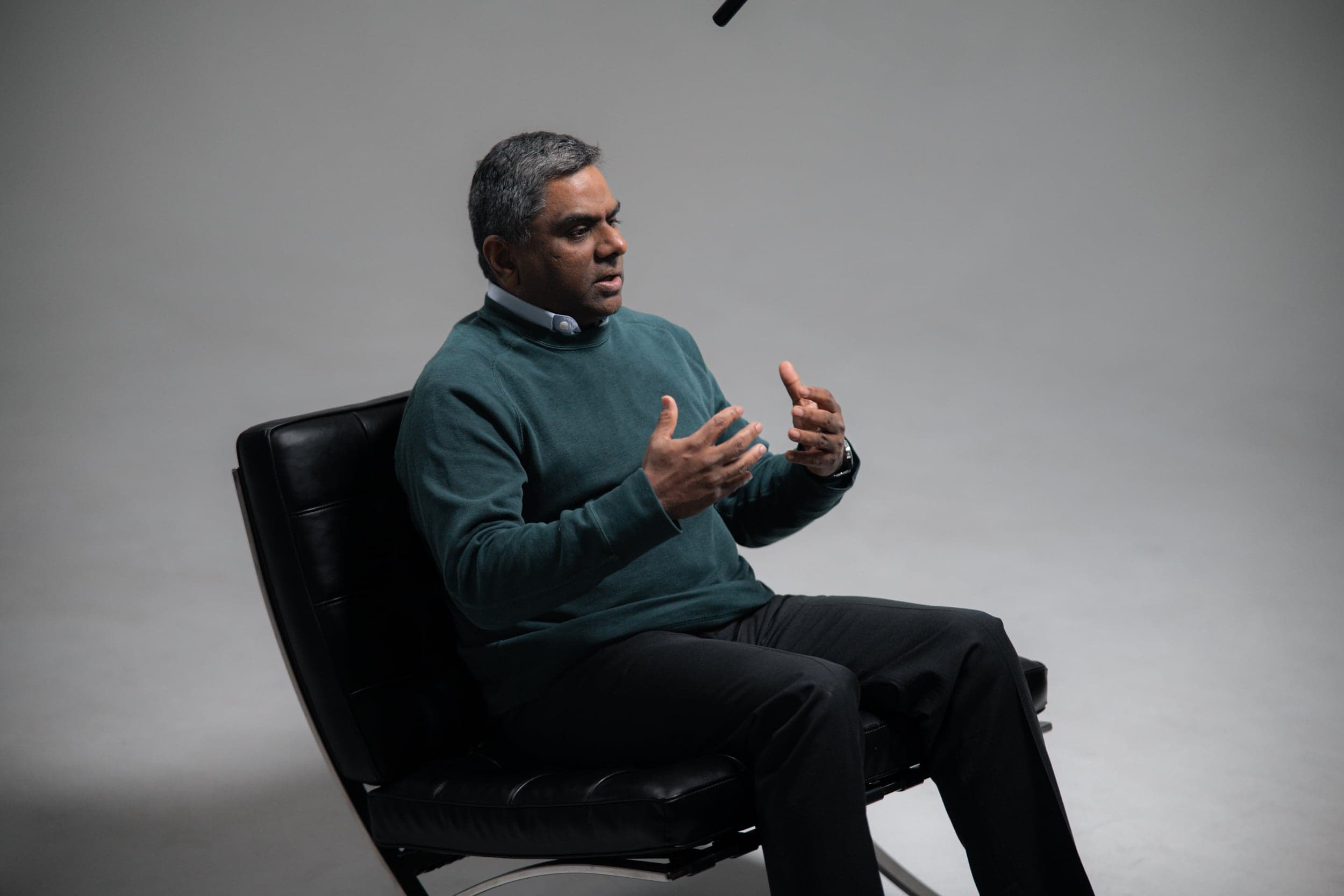
Speaker opened his presentation by explaining the spirit of the global aim10x event series, which is about challenging the status quo of planning and decision-making, which, at many global enterprises, is slow, siloed, and contributes to hundreds of millions of dollars in value leakage per annum. “We’re not just interested in digitizing Excel spreadsheets,” he exclaimed. “The question is: how can we push each other to transform planning?"
1. Transforming Data into Actionable Knowledge: Many organizations' foundational challenge is converting vast amounts of data into actionable knowledge. He described a typical scenario involving a decision about whether the supply chain can handle a 10-15% increase in demand. "It takes a lot of people in a lot of different functions a lot of time to get to an answer," he noted, highlighting that by the time the data is processed, the opportunity to act effectively might have already passed. This lag is often due to data being trapped in silos, an issue he stressed needs urgent addressing to quicken the planning cycle. As he outlined, the goal is to convert "tribal knowledge"—the deep, often unshared knowledge within teams—into "enterprise knowledge" that can drive more informed decision-making across the organization.
2. Multi-Tier Supply Chain Visibility: He identified multi-tier supply chain visibility as a critical post-COVID challenge. Many companies, he explained, need help understanding and managing the risks and constraints inherent in their supply chains. He proposed leveraging ESG metrics to gather better supplier data and improve supply chain collaboration to combat this. He emphasized that while perfection in supply chain visibility is unattainable, improving it by 10%, 20%, or even 30% is feasible and can significantly impact operational efficiency.
3. Hyper-Automation: Hyper-automation uses enterprise knowledge to fully automate planning and decision-making processes at scale. He pointed out the inefficiency of current methods, where multiple personnel are required to run different models and scenarios, which can take days. With hyper-automation, these tasks could be reduced to minutes, drastically improving response times and reducing the need for manual intervention.
To conclude his presentation, he discussed the potential for GenAI to create a "massive knowledge boost" within organizations. He pointed out that a significant portion of data used today is "tribal," meaning it is informally managed and stored, often in spreadsheets or known only to specific individuals within a company. By digitizing this tribal knowledge, organizations can leverage it more effectively. He suggested that a digital transformation incorporating AI could triple transformation speeds and significantly increase productivity for planners and other employees.
A Legendary Chinese Jeweler’s Digital Supply Chain Transformation
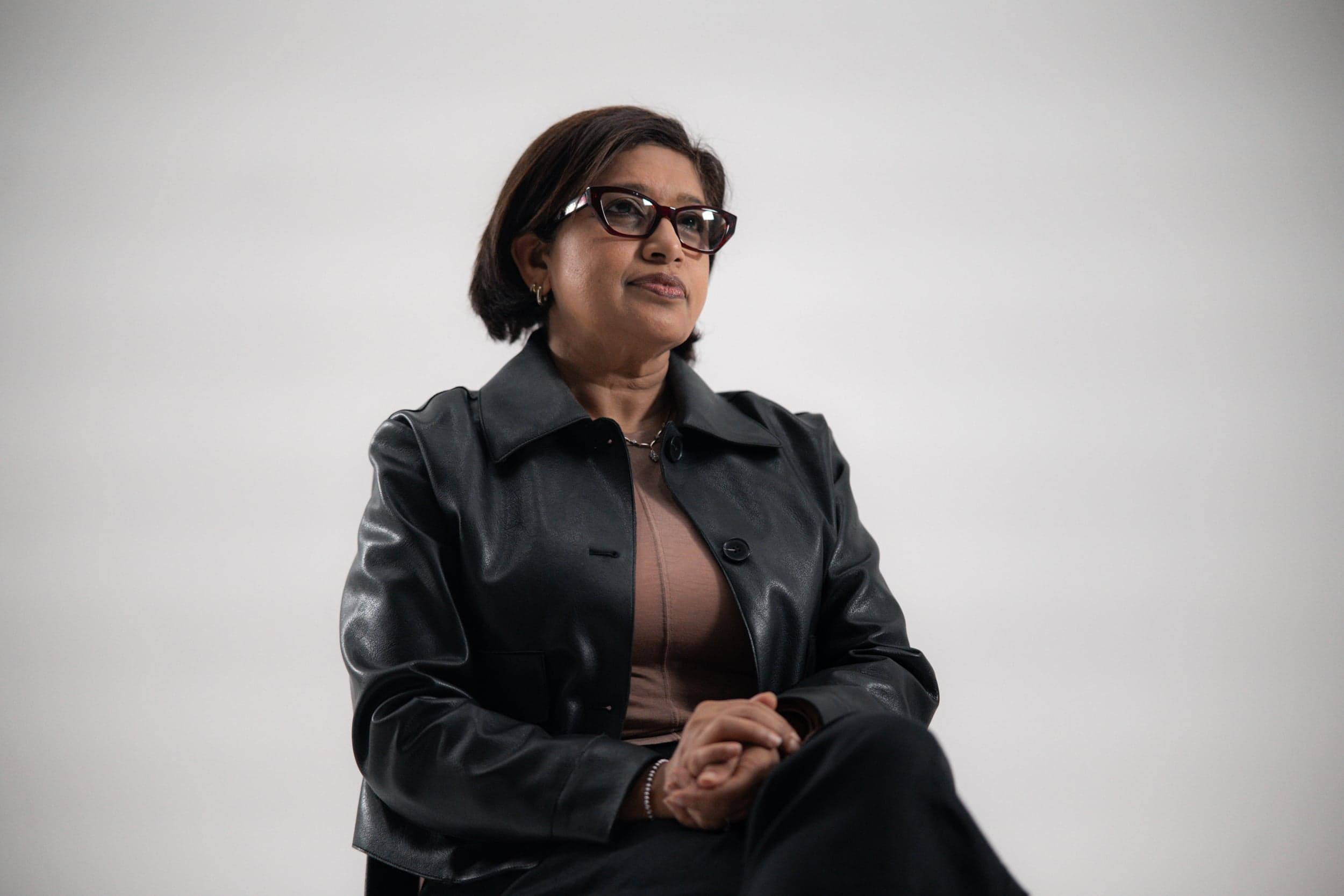
Peggy Lau, the Director of Artificial Intelligence at Chow Sang Sang, took the stage next to detail how Chow Sang Sang, renowned for its exquisite jewelry offerings, is navigating the complex challenges of sales forecasting and supply chain management through advanced AI technologies.
She began by emphasizing the unique complexities of the jewelry market, particularly in regions like China, where consumer preferences can shift rapidly and unpredictably. "Our products are super complex...we deal with high-end jewelry that can be quite volatile in pricing and demand," Peggy explained. This complexity, she noted, is compounded by the intricate supply chain and diverse supplier base that the company manages, which ranges from long-standing family operations to international partnerships.
She shared that Chow Sang Sang has implemented the o9 Control Tower to improve supply chain responsiveness. "This control tower allows us to be more agile, making our supply chain more transparent and responsive to the real-time market demands," she stated.
The integration of AI has enabled Chow Sang Sang to implement predictive analytics and machine learning to refine their demand forecasting methods, which is crucial for anticipating market trends and adjusting procurement and production accordingly. "We have to be flexible as fashion trends change and consumer preferences evolve," she remarked, emphasizing the need for an adaptable supply chain that can respond swiftly to shifting demands. She discussed the challenges of implementing such sophisticated systems. She noted the difficulty of aligning AI capabilities with the existing IT infrastructure and ensuring the team adapts to the new processes. "It's about more than just introducing new technology; it's about changing how we think about our entire operation, from the ground up," she said.
The Opportunities and Challenges of Implementing Transformative IBP
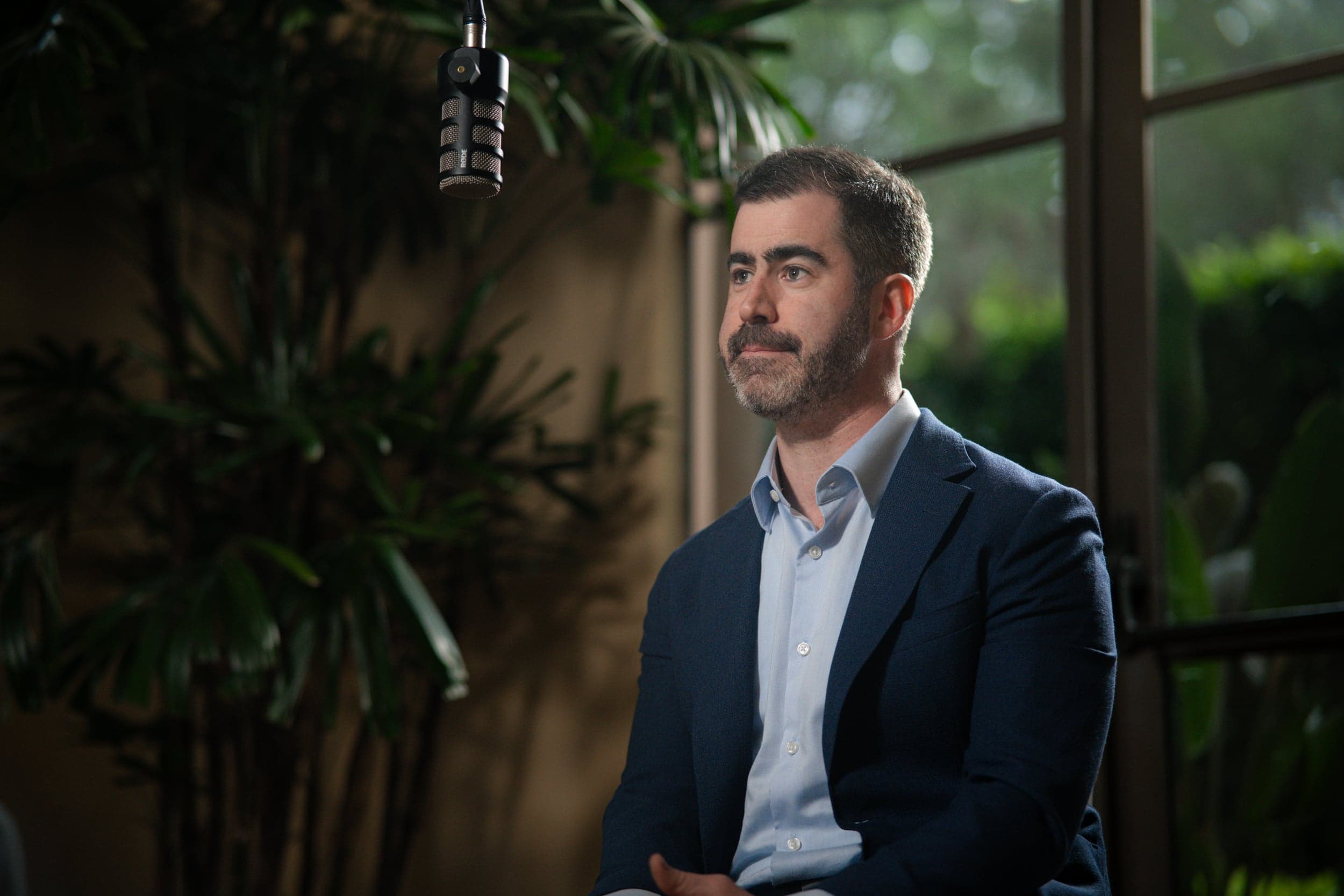
Stijn-Pieter van Houten, o9’s Senior VP of Consumer Products and Knowledge Innovation Lead, joined the event next to share his perspective on addressing the challenges businesses encounter while implementing an Integrated Business Planning capability.
He opened his discussion by pinpointing the inherent complexities in traditional planning systems, which tend to operate in isolation, creating fragmented decision-making processes. He critically noted the current state of IBP, which is often siloed within supply chain departments with unclear operational models and decision-making accountability. "The supply chain still owns IBP, but it's imperative to clarify who's making the decisions and who's accountable for hitting the service levels and revenue plans," he stated.
To navigate these challenges, Stijn-Pieter highlighted the need to focus on people and the order of operations, stressing that the core of successful IBP implementation lies in enabling decision-makers with the right analytics and understanding the financial implications from a margin perspective. He outlined a strategic approach that includes:
- Tactical IBP implementation with rolling 6-8 quarters to stay responsive to market changes.
- Empowering decision-makers with the right analytics to understand the impact of decisions across functions, e.g., the implications of new product launches on the supply chain and financial margins.
- Quality of data: Emphasizing the impact of data quality on meeting targets and achieving optimal results, he pointed out the widespread issue of missed opportunities due to poor data management.
"Getting IBP right is not just a question of choosing the right platform or technology; it's fundamentally a change journey," he remarked, urging companies to start at the executive level to drive ownership and initiate the necessary cultural shifts. This involves redefining how commercial teams collaborate with supply chain and finance departments to enhance collective efficiency and strategic alignment.
He detailed the capabilities that o9 brings to facilitate this transformation:
- Connecting different plans and modeling hierarchies: Understanding how decisions on the commercial side propagate to the supply side.
- Feedback loops and scenario planning: Enhancing the visibility and connectivity of plans to allow for quick adaptation and decision-making.
- Optimization across multiple dimensions: Including inventory, cash flow, and increasingly crucial ESG sustainability targets.
- Real-time IBP meetings on the system: Moving from traditional tools like PowerPoint and Excel to a live, integrated decision-making platform.
He closed his presentation by sharing insights from PepsiCo's ongoing transformation, spearheaded by the Chief Strategy and Digital Officer, emphasizing it as a business-wide transformation program rather than a function-specific initiative. The journey began in Spain and has since expanded globally, incorporating ESG considerations into their decision-making processes to meet sustainability targets effectively.
The New Value Chain World Order
Radu Palamariu, managing director of Alcott Global and seasoned expert in executive search within the supply chain sector, delivered a compelling presentation on the intersection of global supply chain dynamics and the pivotal role of human talent in navigating these complexities.
He started by reflecting on the transition from a highly globalized trade environment to a more fractured, multipolar world where geopolitical tensions and trade alliances redefine how businesses operate. He specifically cited the U.S. Inflation Reduction Act as a catalyst that is reshaping manufacturing landscapes, making the U.S. a formidable competitor by incentivizing domestic production under stringent conditions excluding Chinese and Russian parts.
This backdrop set the stage for his broader discussion on the need for agility in supply chain strategies amidst such global shifts. Radu pointed out that despite the apparent regionalization of manufacturing, countries like China continue to exert significant influence over global production, underscoring international trade's complex and interdependent nature.
The core of Radu’s presentation focused on what he termed the "people element" of the value chain. He emphasized that technology like AI and digital tools are essential for operational continuity but are not panacea. Instead, Radu argued, "AI will give you a chance of not losing," suggesting that technology levels the playing field but does not guarantee success. According to him, the real differentiator lies in the talent that companies manage to attract and retain.
Drawing from his extensive experience in executive recruitment, Radu shared insights into the current labor market, describing it as an employee market with high demand for strategic and transformative skills. He stressed the importance of having the right team, positing that even a mediocre technology solution could outperform superior technology if driven by a more effective team. This perspective resonated as he discussed how leadership crises often stem from short-sighted decision-making prioritizing immediate gains over long-term stability and growth.
He encouraged managers and leaders within companies to effectively leverage their control and influence. He advocated for managing stakeholders and personal stress to navigate the complexities of modern supply chains adeptly. His call to action was clear: leaders must be proactive, adaptable, and continuously open to learning and innovation to ensure their teams and companies survive and thrive in the evolving business landscape.
The Next Digital S-Curve in Manufacturing
For the final session of the day, a panel that featured Bishu Jayaram, Chief Supply Chain Officer at Wolverine Worldwide, and Keith Ip, Chief Technology Officer at Li & Fung.
The conversation opened with a discussion about how companies like SHEIN are setting trends in moving from traditional order management (TOM) to demand-oriented management (DOM), presenting challenges for legacy brands to keep pace. Moderator initiated the dialog by pointing out the need for established brands to rethink their supply chain strategies deeply. He cited Nike's acknowledgment of initially disregarding its wholesale channel as a significant misstep, prompting a question on the critical decisions companies must make today.
Bishu responded by highlighting Wolverine Worldwide's journey towards digital transformation. He noted that despite the company's historical focus on brand building rather than technology, there is now robust leadership support for adopting digital tools. "We are building the fundamental processes as a key capability to galvanize forces," Bishu shared, indicating that it's early days, but with the CIO on board, they are setting a digital roadmap that includes long-range planning cascading down from financial targets to sales and inventory levels.
Keith from Li & Fung discussed their preemptive work on 3D design and product lifecycle management (PLM) systems aimed at enhancing service provision to customers. He addressed the challenges of adapting to a model like SHEIN’s, which has integrated owners' and factory workers' incentives, creating a highly responsive supply chain system. “American Eagle is now doing small batch orders, and we must learn to make our supply chain more agile,” he stated, emphasizing the need for early warning systems and better tracking status within their operations.
The panelists also discussed the operational hurdles in achieving agility and transparency in their supply chains. Keith mentioned that despite not owning the supply chain of garments directly, Li & Fung strives to ensure on-time delivery, heavily relying on third-party data and traditional tools like Excel spreadsheets for evaluation. On the other hand, Bishu pointed out the resilience push from Wolverine’s CEO and the significant visibility issues due to the lack of integrated systems, which often reduces their responsiveness to manufacturing delays to reactive phone calls.
As the discussion turned toward the role of generative AI in transforming supply chain operations, both panelists shared their companies' approaches to integrating new technologies. Keith noted that Li & Fung has been experimenting with enterprise-level AI applications, including trend analysis and ideation for new designs. Meanwhile, Bishu emphasized the trial uses of Gen AI in design tools at Wolverine, though not yet extensively in supply chain applications. He also highlighted the boardroom discussions on Gen AI, showing the strategic level at which technological adoption is being considered.
Both leaders agreed on the necessity of taking calculated risks in hiring innovative minds to steer their companies through transformative journeys effectively. "As managers, we need to be open to taking the risk of hiring genius minds to lead us towards the right journey of transformation," Bishu reiterated, underlining the importance of visionary leadership in navigating the evolving landscape of supply chain management.

About the authors

o9
The Digital Brain Platform
o9 Solutions is a leading Enterprise Knowledge and AI-powered platform helping companies build Agile, Adaptive & Autonomous Planning & Execution Models for transforming enterprise decision-making in environments of rising volatility and uncertainty. Whether it is improving forecast accuracy, matching demand and supply and driving collaboration across the multi-tier supply chain to improve resilience at optimal costs and inventory, or optimizing new product and commercial initiatives to drive revenue growth and margins, decision-making processes from long-range to tactical to execution horizon can be made faster and smarter and connected on o9’s Digital Brain Platform.
o9 brings together game-changing technology innovations — such as innovative enterprise knowledge graph modeling, big data analytics, advanced algorithms for forecasting, demand/supply balancing, scenario planning, real time learning, collaboration, generative and agentic AI, easy-to-use interfaces and cloud-based delivery, and innovative management methods — as well as organization, process and change management best practices to transform decision-making speed and intelligence.