5 read min
The global trade landscape has entered an era of unprecedented volatility, driven by sharp tariff increases and escalating geopolitical tensions. As of March 2025, U.S. tariff hikes have pushed average rates to nearly 14%—the highest since 1939—with targeted tariffs reaching as high as 25% on imports from Canada, Mexico, and the European Union, and 20% on Chinese imports. And by the time you are reading this, those numbers probably have already changed more than once. These sudden changes send shockwaves through supply chains, triggering disruptions that unfold in distinct stages. Initially, companies face immediate cost spikes for imported goods. Next comes a prolonged period of supply chain realignment—a complex process typically lasting between 6 and 18 months. Finally, retaliatory actions from trading partners often compound uncertainty, driving costs even higher.
Understanding Tariff Impacts: Three Phases of Disruption
Tariffs ripple through supply chains in three distinct phases:
- Immediate cost shock: Tariffs directly inflate import costs. For instance, mid-sized automotive manufacturers are projected to experience procurement cost increases of approximately 8-12%. Similarly, electronics and pharmaceutical companies face substantial price hikes for imported components and raw materials.
- Secondary effects (retaliation): Tariffs frequently provoke retaliatory measures from affected countries. For example, China swiftly imposed retaliatory tariffs on nearly $14 billion worth of U.S. exports at rates between 10% and 15%. These reciprocal actions further escalate economic uncertainty and raise costs across global markets.
- Supply chain realignment: Facing sudden cost pressures, companies attempt to shift production to alternative regions or suppliers. However, this process is neither quick nor simple. Historical data from the U.S.-China trade war reveals that even after extensive efforts spanning multiple years, firms typically manage to reduce import reliance by only about 4-7% annually. Additionally, relocating production often leads to higher labor costs in new locations—such as Vietnam or Mexico—partially offsetting potential tariff savings.
The Agility Imperative
In today's volatile trade environment, supply chain agility isn't merely advantageous—it's essential for survival. Organizations that can rapidly adapt their networks gain a decisive edge, while those relying on traditional approaches increasingly find themselves at a competitive disadvantage.
Consider these contrasting real-world scenarios:
A medical device manufacturer attempted to shift production from China to Mexico but relied on manual processes for supplier coordination. The result? Critical delays in qualifying new suppliers, significant production gaps, and substantial lost market opportunities during a crucial transition period.
Conversely, a metals producer embraced digital collaboration tools to transition sourcing from China to Brazil. By establishing real-time visibility into supplier capabilities and digitizing qualification processes, they not only maintained continuity but captured market share from competitors still struggling with disruption.
The difference wasn't just strategy—it was execution enabled by digital transformation.
Why Traditional Approaches Fall Short
Most organizations struggle with tariff volatility for several fundamental reasons:
- Limited network visibility: Without transparency beyond Tier-1 suppliers, companies remain blind to their true tariff exposure. When a critical component faces sudden tariffs, the absence of multi-tier visibility prevents rapid identification of alternative sources.
- Static scenario planning: Manual planning processes fail to account for suppliers' actual capabilities or constraints. Companies often make decisions based on assumptions rather than verified data, leading to execution failures when suppliers cannot meet revised requirements.
- Communication bottlenecks: Traditional supplier collaboration conducted through emails, spreadsheets, and phone calls create information silos and delay critical decisions. When tariffs change overnight, these communication barriers become particularly costly.
Building Resilience Through Digital Collaboration
To effectively navigate tariff volatility, forward-thinking organizations are implementing several key practices:
- Establish digital supply network visibility: Map your extended supply chain to identify tariff vulnerabilities and potential alternative sources before disruption occurs.
- Develop collaborative scenario plans: Work with suppliers to create pre-approved contingency plans that can be activated immediately when tariffs change.
- Streamline supplier qualification: Digitize and standardize qualification processes to rapidly onboard alternative suppliers when needed.
- Create flexible contracting models: Develop agreements that anticipate potential tariff changes and establish clear protocols for adjustments.
- Implement continuous risk monitoring: Leverage AI-powered analytics to identify emerging trade risks before they impact your supply chain.
Reimagining Supply Chain Collaboration
The path forward requires fundamentally rethinking how organizations collaborate with suppliers. This means moving beyond transactional relationships toward true strategic partnerships built on shared visibility, collaborative planning, and synchronized execution.
Digital platforms like o9's SRM solution enable this transformation by creating a unified ecosystem wherein:
- Multi-tier supply networks become transparent, revealing hidden dependencies and risks
- Scenario planning incorporates real supplier capabilities rather than assumptions
- Communication happens in real-time rather than through fragmented channels and at one central place, visible to anyone with a need to know
- Qualification and onboarding processes accelerate through standardized digital workflows
- Risk signals trigger immediate collaborative responses
Organizations leveraging these capabilities gain the ability to pivot rapidly when tariffs change, maintaining continuity while competitors struggle with disruption.
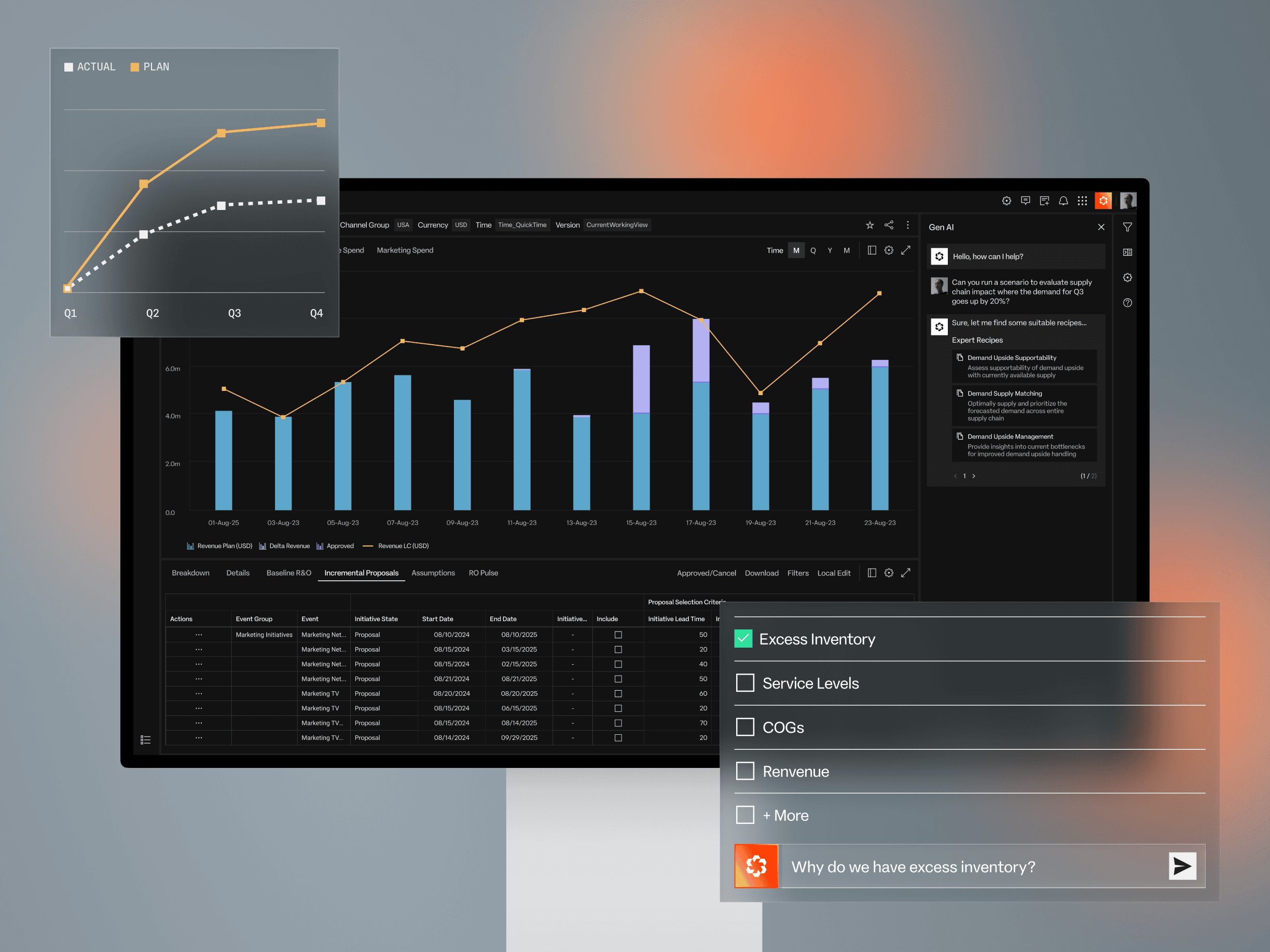
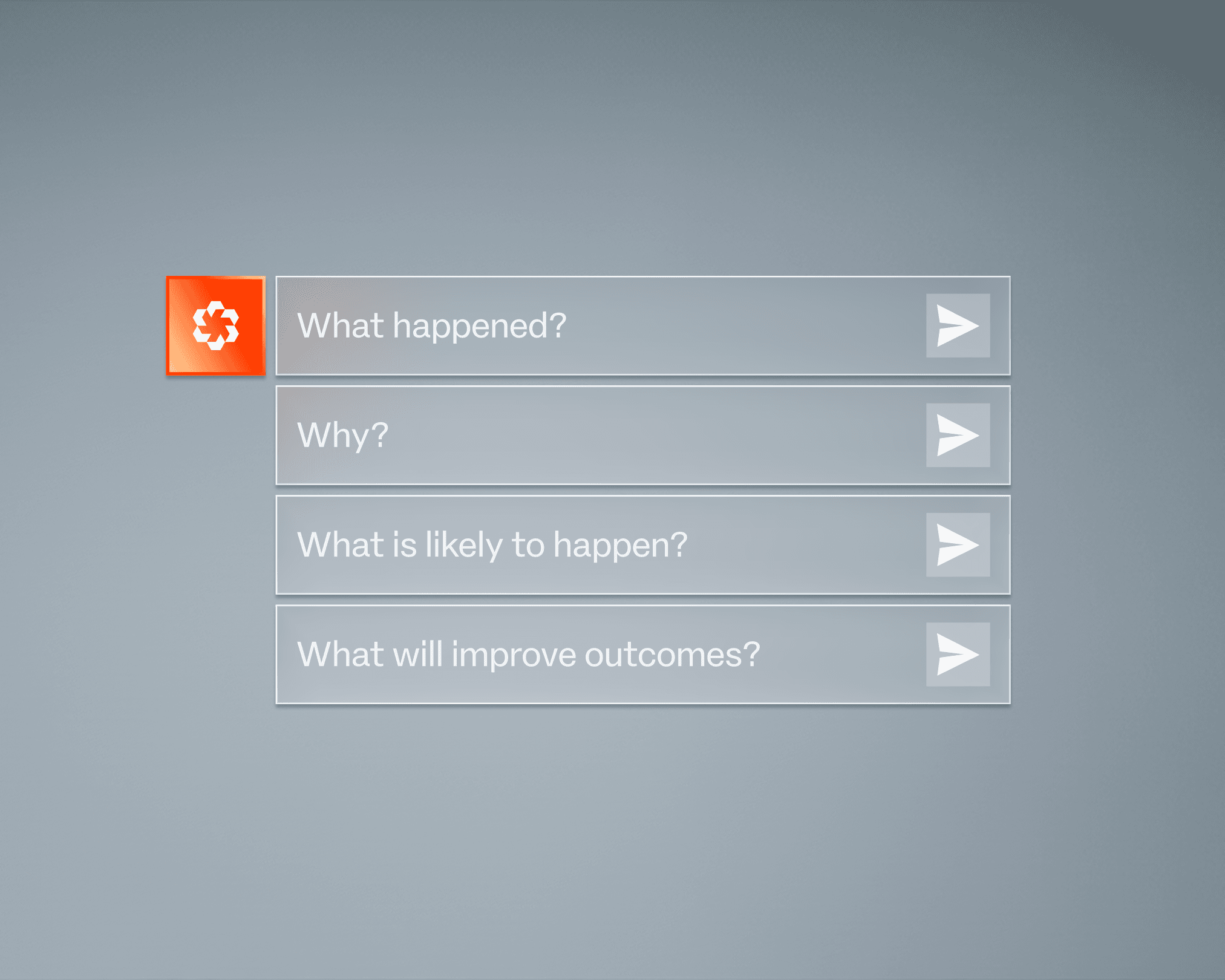
AI-powered analytics enable organizations to rapidly evaluate complex tariff scenarios by answering critical questions such as, "What is the effect of a 25% tariff on imports from China?" or "What if we sourced from Taiwan instead?" Additionally, AI tools help companies model scenarios like, "How much will our sales volume decline if we pass increased tariff costs onto customers?" By swiftly providing accurate, data-driven insights into these critical strategic questions, AI enhances decision-making agility, empowering companies to proactively mitigate tariff-related disruptions.
The organizations that thrive amid tariff volatility will be those that transform supplier relationships from potential vulnerabilities into strategic advantages. By embracing digital collaboration platforms, companies can build the agility needed not just to survive disruption, but to capitalize on the opportunities it creates.
As trade barriers continue to evolve, the question isn't whether your supply chain will face tariff challenges—it's whether you'll have the collaborative capabilities to respond more effectively than your competitors.
Curious?
Discover how o9 can tailor innovative solutions to meet your unique business needs, drive operational excellence, and position your organization for future success.
See the o9 Platform in action or request a tailored demo today.
About the authors

Tim Beckhoff
Senior Director Industry Solutions - Supply Chain Risk & Supplier Collaboration
Tim Beckhoff is a seasoned expert in procurement and supply chain management, specializing in risk mitigation and supplier collaboration. As Senior Director of Industry Solutions at o9 Solutions, he helps companies across sectors to enhance supply chain agility and resilience using the o9 platform. Tim's insights have been featured in leading publications, including McKinsey & Company, where he co-authored articles on building structural resilience in supply chains.