3 read min
Considering data now acts as the lifeblood of business strategy and operations, mastering the art of data integration between your systems and platforms like o9 Solutions is paramount. The critical question many organizations ask is, “How can we efficiently transfer data between our systems and your platform?". Achieving this effectively hinges on a nuanced approach that ensures data not only seamlessly flows into the o9 platform but also amplifies decision-making and operational agility upon its return. Here’s an in-depth exploration of the best practices for optimizing data exchange.
1. Capitalize on open architecture and flexible data models
At the heart of efficient data exchange with o9 Solutions lies its open architecture, capable of integrating with a wide range of data sources, including ERP systems, CRM platforms, SCM tools, and even unstructured data pools. This architecture, coupled with o9's flexible data models, allows for easy adaptation to your business's specific data structures and hierarchies, reducing the necessity for extensive data transformation.
This means that whether your data resides in SAP, Oracle, or any cloud-based application, integration into o9 is streamlined, driving data consistency and integrity. By embracing this way of working, businesses can bypass the common hurdles of data silos, ensuring a unified data ecosystem that enhances analytical and operational capabilities.
2. Leverage predefined and customizable integration templates
o9 Solutions' predefined integration templates are a game-changer for businesses looking to streamline their data alignment and maintenance with the purpose of feeding decision-making processes. These templates can be tailored to meet the unique requirements of your integration patterns, ensuring a perfect fit for your business needs. For instance, if your business operates across diverse markets with varying data requirements, these templates can be refined to capture specific metrics and attributes critical to your decision-making processes. This customization accelerates the data preparation phase, enabling faster integration and more timely insights.
3. Employ modern data exchange tech
The adoption of modern data exchange technologies like REST APIs, cloud events, and Kafka streaming is essential for facilitating real-time or near-real-time data synchronization between systems. These technologies support high-frequency data exchanges, keeping the o9 platform and your operational systems in continuous alignment.
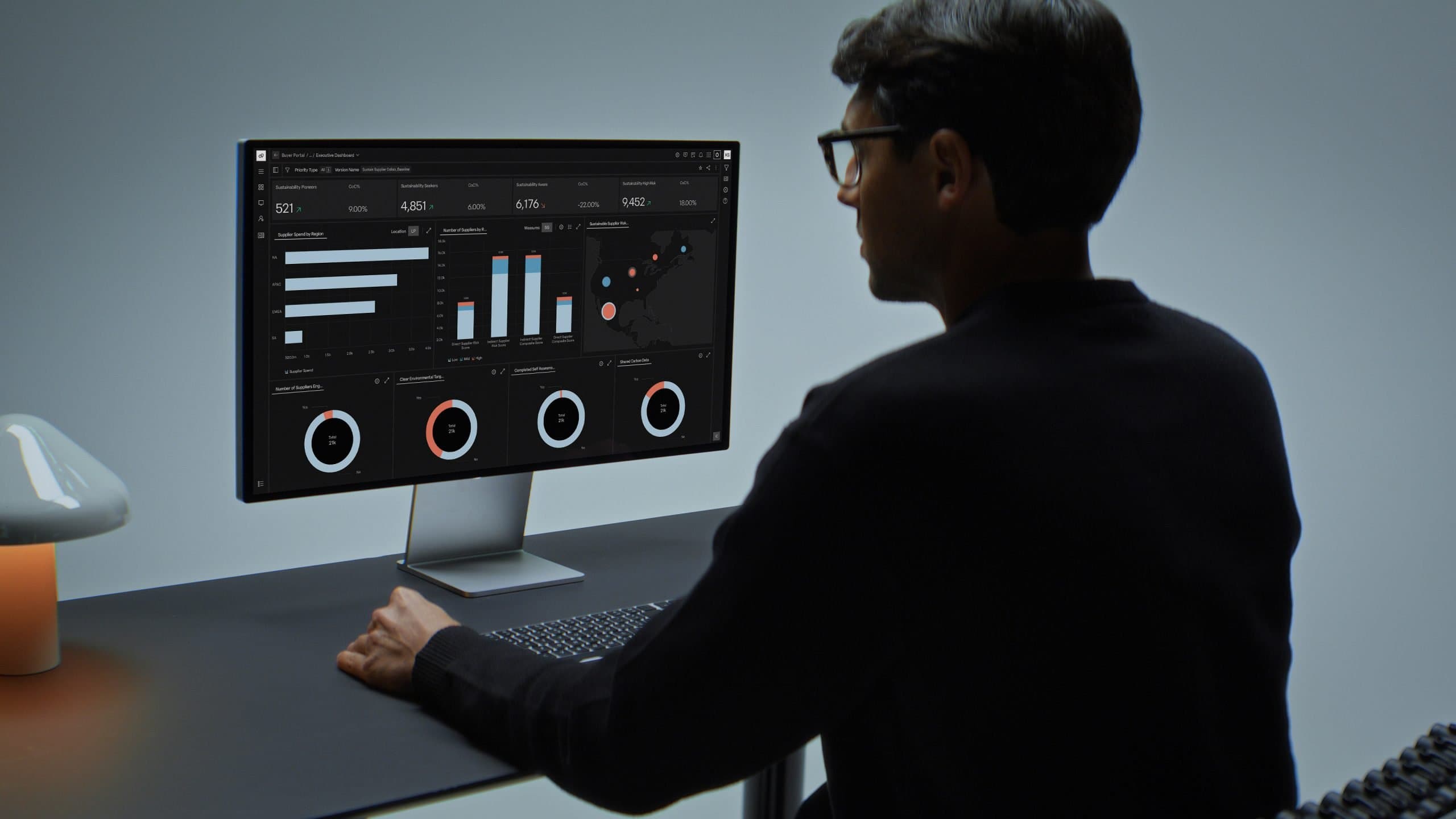
Imagine the dynamic nature of inventory levels and customer orders. By leveraging these technologies, changes in your ERP system can be instantly reflected in o9, enabling rapid response to supply chain disruptions, demand/supply imbalances, changing market demands, and inventory optimizations. Furthermore, data from the o9 platform can be made available directly in reporting applications like Power BI and Tableau, enhancing the accessibility and usability of insights for decision-making.
4. Establish bi-directional data flows
A key feature of the o9 platform is its capability to not just ingest data but to enrich it and then share actionable insights back with the source systems. This bi-directional flow of data ensures that the intelligence generated within o9 can directly inform and support other enterprise-wide decision-making processes.
Consider the insights generated from advanced demand forecasting within o9. These can be directly integrated back into your ERP or CRM systems, enhancing for example customer engagement activities.
5. Adopt a tailored integration way of working
Recognizing the distinct IT landscape and operational needs of each business, o9 Solutions champions a consultative way of working on data integration. By understanding your specific requirements, o9 crafts an integration approach that aligns with both your technical and business objectives. This approach might involve detailed assessments of your current data management practices, and identifying gaps and opportunities for optimization. o9's team works closely with your IT and business units to ensure that the integration not only supports but enhances your strategic goals, whether it's accelerating product launches, improving supply chain resilience, or driving customer satisfaction.
Conclusion
The pathway to optimal data integration with o9 Solutions encompasses a holistic approach that includes leveraging open architecture, utilizing customizable templates, embracing modern data exchange technologies, establishing bi-directional data flows, and adopting a tailored approach. By embedding these practices into your data management way of working, your organization can ensure that data not only flows efficiently into the o9 platform but also serves as a catalyst for adjacent insights and operational excellence, driving your business forward in the competitive digital landscape.

About the authors

o9
The Digital Brain Platform
o9 Solutions is a leading Enterprise Knowledge and AI-powered platform helping companies build Agile, Adaptive & Autonomous Planning & Execution Models for transforming enterprise decision-making in environments of rising volatility and uncertainty. Whether it is improving forecast accuracy, matching demand and supply and driving collaboration across the multi-tier supply chain to improve resilience at optimal costs and inventory, or optimizing new product and commercial initiatives to drive revenue growth and margins, decision-making processes from long-range to tactical to execution horizon can be made faster and smarter and connected on o9’s Digital Brain Platform.
o9 brings together game-changing technology innovations — such as innovative enterprise knowledge graph modeling, big data analytics, advanced algorithms for forecasting, demand/supply balancing, scenario planning, real time learning, collaboration, generative and agentic AI, easy-to-use interfaces and cloud-based delivery, and innovative management methods — as well as organization, process and change management best practices to transform decision-making speed and intelligence.