3 read min
Supplier relationship management isn’t just about procurement or cost control; it’s a foundational aspect of any comprehensive and robust risk management strategy. Recent disruptions like the Red Sea shipping crisis demonstrate why we need strong supplier relationship management that encompasses risk management and mitigation of shortages to ensure end-to-end (E2E) supply chain resilience.
The ongoing crisis in the Red Sea, in which attacks on cargo ships have forced the rerouting of vessels, has created monumental disruption for global supply chains. According to J.P. Morgan, with 30% of global container trade transiting through the Suez Canal, the need to reroute around Africa has extended transit times by approximately 30%. This has effectively reduced global container shipping capacity by around 9% and propelling a nearly five-fold surge in shipping costs on some routes, particularly from Asia to Europe. This situation is predicted to increase global core goods inflation by 0.7 percentage points and overall core inflation by 0.3 percentage points during the first half of 2024.
What do disruptions of this magnitude tell us? That businesses need to quickly and deftly adapt their strategies to ensure continuity. It has forced companies to reconsider their usual supply routes, requiring a choice between enduring high-risk conditions or identifying safer (albeit longer) alternative paths. This decision-making process is a core aspect of strategic supplier relationship management (SRM). It emphasizes the importance of flexibility and preparedness in navigating global supply chain disruptions. By adapting swiftly to changes, companies can maintain effective operations and mitigate potential risks, ensuring they continue to meet demand without significant delays.
SRM and its impact on risk mitigation
Effective SRM goes beyond the transactional; it involves strategic planning and deep collaboration to enhance the agility and responsiveness of the supply chain. With that in mind, here are five ways in which businesses can integrate SRM with risk management strategies to combat shortages and disruptions:
- To mitigate the impact of disruptions like those in the Red Sea, companies should consider diversifying their supply routes. This approach not only reduces dependency on a single route but also enhances flexibility in response to unforeseen events.
- Companies must engage in comprehensive scenario planning to anticipate potential disruptions and develop actionable contingency plans. Scenario planning allows companies to assess the impact of different risk factors and prepare strategies that minimize operational and financial impacts.
- Strengthening supply chain resilience is crucial. This can be achieved by identifying critical supply chain components, evaluating vulnerabilities, and ensuring that there are backup suppliers and alternative production facilities in place. For industries like automotive, particularly new-energy vehicles (NEVs), diversifying production locations and transport methodologies is crucial to withstand disruptions.
- Maintaining open lines of communication with suppliers and logistics partners is essential. Close collaboration helps in the timely sharing of risk-related information and swift adaptation to changing conditions.
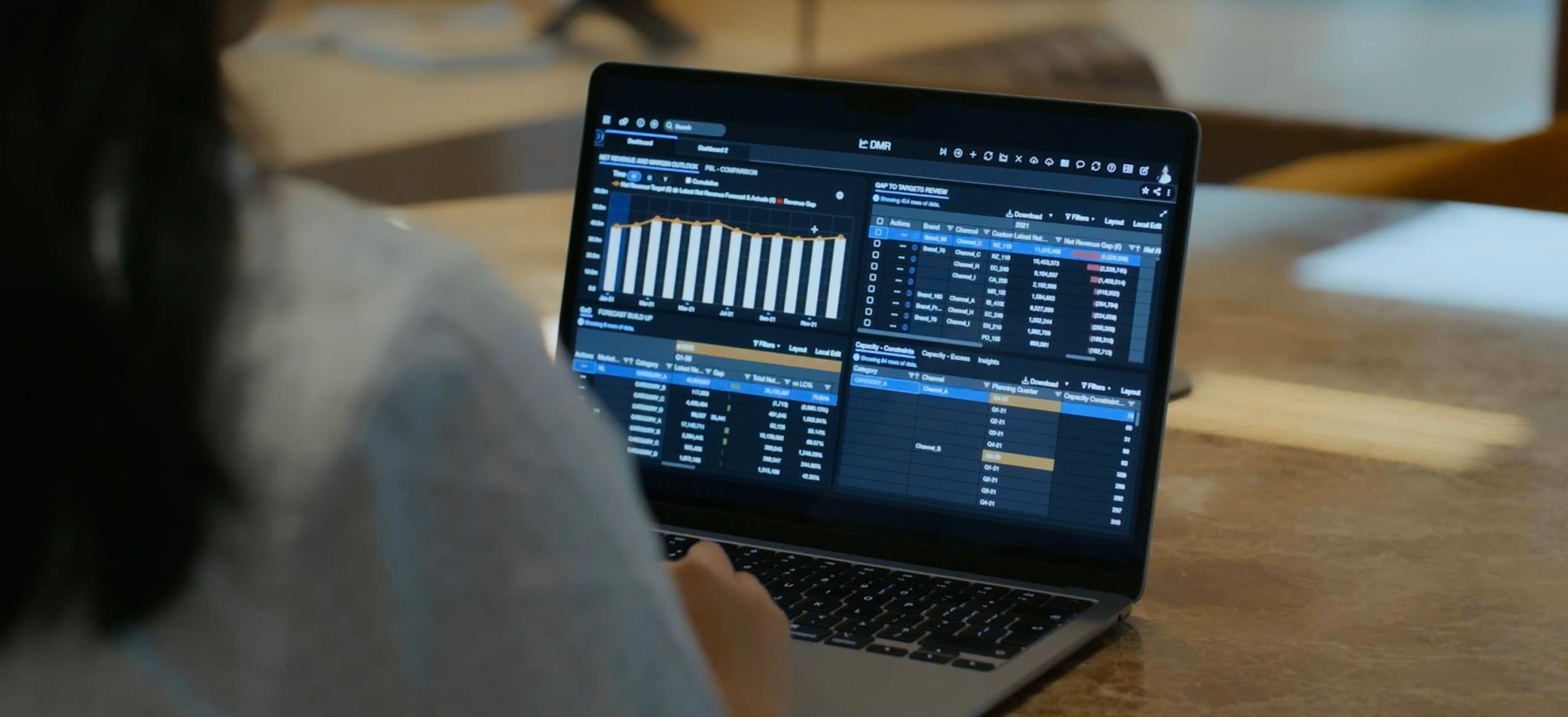
- Advanced technology solutions, such as those provided by o9, play a pivotal role in real-time tracking and predictive analytics for supply chain management. These tools offer critical insights into potential disruptions and facilitate proactive decision-making, enhancing overall supply chain visibility.
Conclusion
The integration of strategic supplier relationship management with robust risk management practices is more than a necessity - it's a competitive advantage. In the face of the current Red Sea shipping crisis and other such global disruptions, it's imperative that businesses not only respond reactively but also proactively prepare and adapt their strategies to maintain continuity and efficiency. At o9 Solutions, we are committed to equipping our clients with the tools and insights needed to manage these complexities effectively, ensuring that they can turn challenges into opportunities for growth and resilience.

About the authors

Tim Beckhoff
Senior Director Industry Solutions - Supply Chain Risk & Supplier Collaboration
Tim Beckhoff is a seasoned expert in procurement and supply chain management, specializing in risk mitigation and supplier collaboration. As Senior Director of Industry Solutions at o9 Solutions, he helps companies across sectors to enhance supply chain agility and resilience using the o9 platform. Tim's insights have been featured in leading publications, including McKinsey & Company, where he co-authored articles on building structural resilience in supply chains.