7 read min
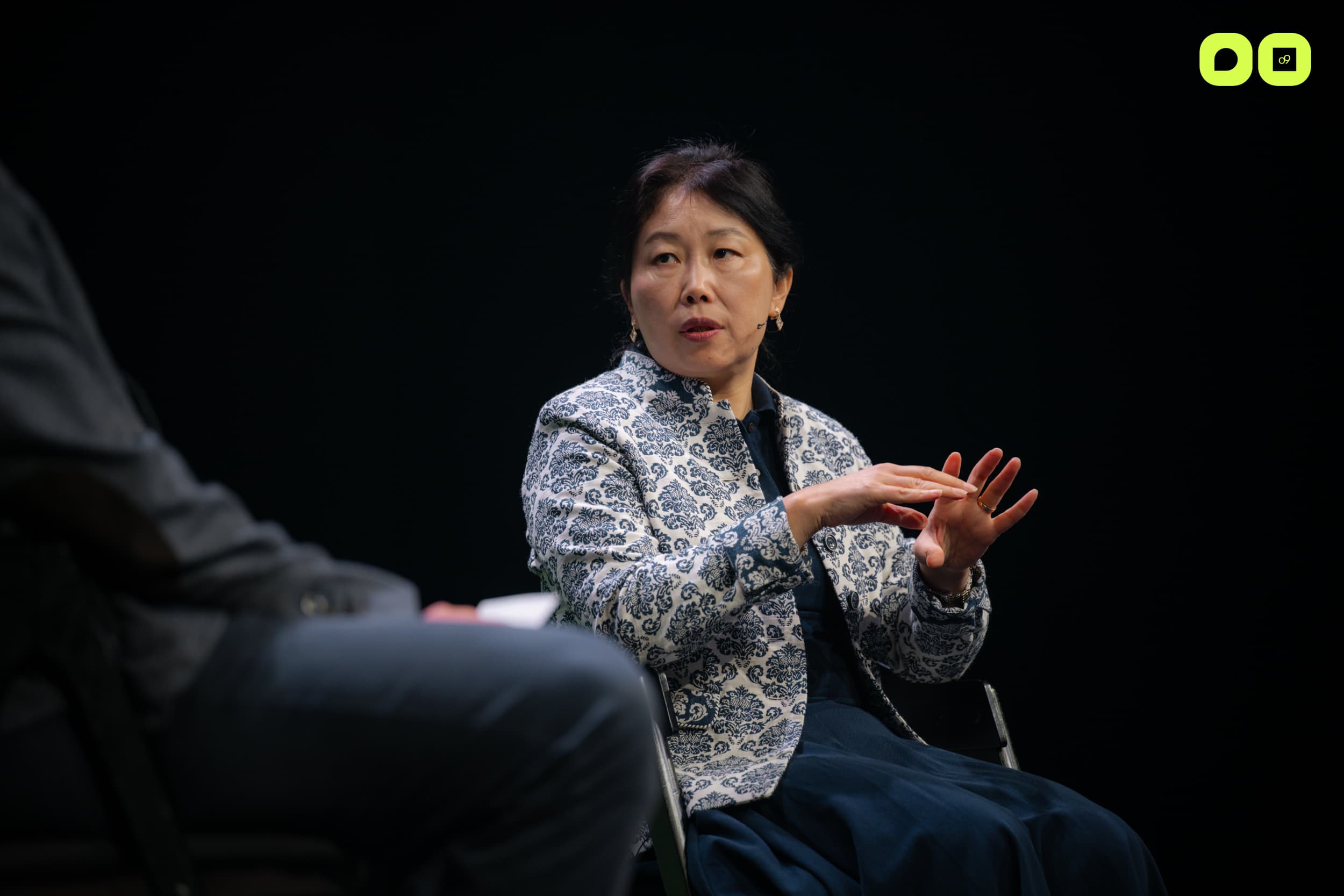
Rose Prendergast, Senior Director of Supply Chain Command Centre and Analytics at Teleflex, and I, Varun Nair, Client Partner at o9 Solutions, spoke at the recent Gartner Supply Chain Symposium/Xpo™ about Teleflex’s digital planning transformation with o9 Solutions and the specific decisions that made it work.
For transformation leaders considering a similar move, here is what Teleflex did and what they would tell a peer setting out on the same path.
Why the Stakes Are High
Teleflex is a global medical device manufacturer. Its products are used by clinicians and patients in time-sensitive situations, which means a stockout has direct consequences for care delivery. Every product change, every variant, and every shift in sourcing also has to move through a regulatory framework that doesn't bend to commercial timelines. The supply chain has to deliver reliability, agility, and full compliance simultaneously — and increasingly, it has to do all three against volatile demand and constrained inputs.
For a business like this, transformation isn't a discretionary improvement project. It's how the supply chain stays equal to its responsibilities.
A Different Way to Start a Vendor Conversation
One of the most replicable parts of the Teleflex playbook is how the team approached vendor selection. Instead of issuing a traditional requirements document, they inverted the conversation.
"We didn't go out to our vendors and say, here's our list of requirements," Rose explained. "We went out to our vendors and we said, you tell us what we should be doing, what we should do to future-proof our supply chain."
Teleflex held firm on three non-negotiable principles:
- A 50/50 commitment to change management. "This wasn't just a technology project. It was fifty percent technology, fifty percent change management," Rose said. "We made that part of the key requirements with our vendor."
- Genuine end-to-end visibility. "I'm talking about end-to-end visibility where every single element of your supply chain, every node, is connected end to end." Her test: "What happens if this raw material isn't available? I don't want to see just the impact on manufacturing. I want to see what's gonna happen in our distribution centers, what's going to happen to our bottom line, what are our options."
- Native handling of regulatory complexity. "Regulatory, compliance, and supply chain — they're not different departments. They have to work with each other constantly."
Only three vendors responded to this open-ended brief. Teleflex selected o9 Solutions for its depth of business understanding, its ability to model true end-to-end scenarios before implementation, its immediate grasp of regulatory versioning, and its commitment to the 50/50 principle. "Out of the three of them, o9 stood out miles," Rose said.
I framed why this kind of disciplined selection matters: "What's actually equally critical is to make sure that you have a very clear vision. You have executive sponsorship. You also have the ability to bring about change."
Building a Team That Protects the Business
A common pitfall in large transformations is pulling end users into the project until daily operations begin to suffer. Teleflex designed its team structure specifically to avoid this — important in a business where day-to-day supply continuity is non-negotiable.
"We had what we call our Command Center SMEs," Rose explained. "This is a group of SMEs within the company that did all of our requirements within o9. Instead of having to get the end users involved, we didn't want to interrupt our day-to-day flow as much as possible."
This internal SME layer worked alongside the systems integration partner, the o9 delivery team, and a dedicated change management function.
The single highest-leverage decision, in Rose's view, was hiring a dedicated internal architect for the new platform. "This was by far the best decision we made in the project." Her reasoning: "It was so important that we had that internal person to be able to understand and have experience with what went wrong, what does go right."
She was also clear that her concerns about vendor follow-through never materialized. "One of our biggest concerns when we went with o9 at the start was we were worried that the sales team, the enthusiasm from us, would go away when we actually got out of the project stage. The opposite happened, and it was really, really good."
The internal architect connects to a broader theme Rose returned to: in-house knowledge is often underweighted in large programs. "There's a lot to be said for your own in-house knowledge. It's your in-house technical knowledge which is so important."
The Discipline That Made It Work
Three operational lessons came out of the project floor.
- Stay focused on the bigger picture. "We're really able to rabbit-hole, and it's one of the biggest lessons we had in our project," Rose said. The team set an explicit 80/20 automation target — automate 80% of the business, manage 20% through exceptions. "If you fix every single outcome, then you're not looking at the bigger picture."
- Re-establish ownership repeatedly. "You have to make sure that everybody understands what their role is in a project, because people get lost along the way. You can have too many cooks in the kitchen."
- Front-load change management. Teleflex invested six months in training and change management workshops before go-live, then ran four full weekends of mock cutovers. "What could possibly go wrong on a cutover weekend? Absolutely nothing went wrong. We had a perfect technical cutover."
Early Results
Six months in, Rose could point to measurable gains, but the more important change was strategic.
Planning cycle time has reduced by approximately 25%. Forecast accuracy is up 11%. But the more strategically meaningful gain is a capability the company didn't have before. "Our ability to forward plan is something that we didn't have before. We were constantly looking out for a couple of weeks. We weren't looking out a couple of months or years."
The inventory implications are significant, particularly in a business where availability matters as much as efficiency. "It's not just being able to reduce our inventory, it's being able to project our inventory and build the right product. One of the things that Teleflex wants is to be able to build to demand. If we need to build more inventory than the demand is looking for, we know which inventory is the best to build, which are the fast-moving ones — we can adapt our capacity around that."
The Honest Reflection: What Comes After Go-Live
The most useful part of the session came when Rose turned to the next phase of the journey: helping the organization grow into the capabilities the new platform makes possible.
"The real change management didn't happen until after the project went live," she said. The technology rollout went smoothly because the team prepared so thoroughly. The next phase — supporting a strong planning organization as it shifts from reactive exceptions management to forward-looking strategy — is the kind of evolution any maturing supply chain works through.
She spoke about her team with clear pride. "Planners are used to being superheroes. They're firefighters. They're very good at what they do." The new platform invites them to use those same instincts in new ways: planning further ahead, leaning on automation for the routine, and applying their judgment to the exceptions that matter most. "They have the capability. They know how to use the tools. They know how to use the systems."
Commercial partners are adapting in parallel. The platform's ability to project backorders months in advance — a brand-new capability — has opened up new conversations. "It's very difficult to explain to somebody, it's good that you can see a projected backorder, because that means you know what the issue is and you can fix it." That kind of forward visibility is exactly what the investment was meant to unlock.
Leadership, Rose noted, has a constructive role in pacing the transition. "Leadership had to give our teams time to adapt to their new roles. They have to firefight at the moment, because you can't just let go of what's going on, but they also have to find how to get into that new motion."
What Transformation Leaders Should Take Away
Rose's closing was direct. "Advancement in technology drives efficiency, and efficiency means fewer steps in everybody's roles. Roles will change, and so many new skills will be required. Executive leadership must own this choice visibly. They need to be seen to bring in the technology, but they need to be able to also show the change that they want — in their people, in their process, and in the mindset."
The Teleflex story is one of a company that approached a high-stakes transformation the way it should be approached: clear vision, disciplined execution, the right partner, the right internal capability, and a realistic understanding that meaningful change continues well after go-live. The platform is delivering. The metrics are moving in the right direction. New capabilities that didn't exist before now do.
For peers contemplating a similar move, the combination of ambition and candor on display in this session is the lesson worth carrying home.
About the authors
Varun Nair
Senior Director, Client Management
Varun Nair is a Senior Client Partner with 20+ years driving supply chain transformation and managing global enterprise accounts across SaaS and technology. Varun specializes in AI-enabled planning, end-to-end visibility, and digital operations, delivering measurable outcomes for retail and manufacturing clients. He owns full P&L for strategic global accounts, partnering with C-suite leaders to shape digital roadmaps and grow revenue.