9 read min
Amsterdam, NL – aim10x Europe, hosted by o9 Solutions, brought together over 300 senior leaders from supply chain, commercial, and IT functions. The one-day event focused on real dialogue and hands-on learning. While it attracted a cross-industry audience, retail and apparel featured prominently, with sessions tailored to the sector’s unique planning challenges.
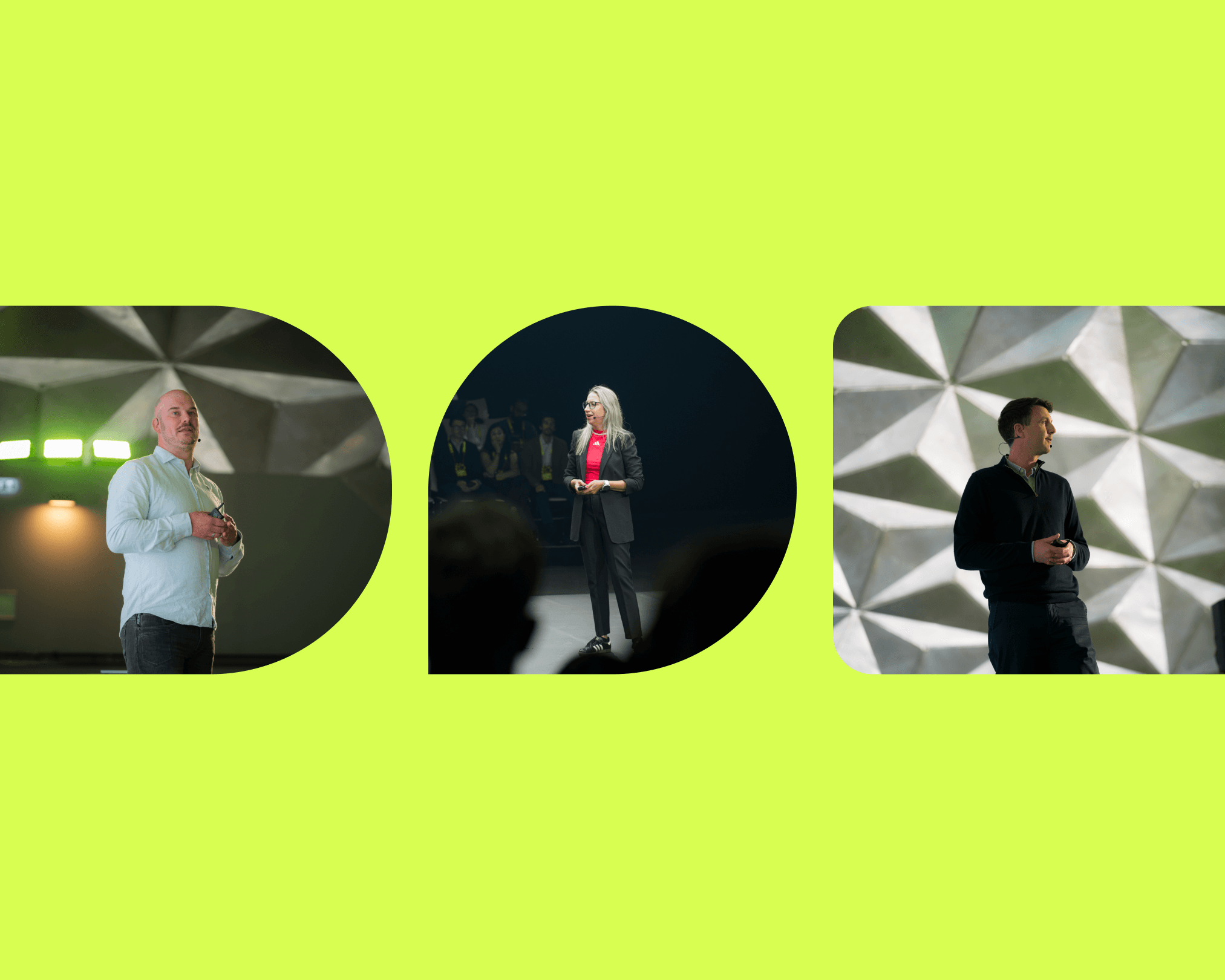
The event took place in a flexible, open setting with three content stages, live demos, and dedicated spaces for peer conversations. Highlights included o9’s Agentic-AI-enabled capabilities for Merchandise Financial Planning and Replenishment. The format encouraged movement, exploration, and candid discussion. Leaders from brands like Pandora and Canyon Bicycles shared how they are reshaping planning to stay closer to consumer demand, accelerate decision-making, and build more responsive operating models. The result was a grounded, practical view of digital transformation and how it’s driving scalable value.
Pandora’s HERO Transformation: Building a Future-Ready Supply Chain
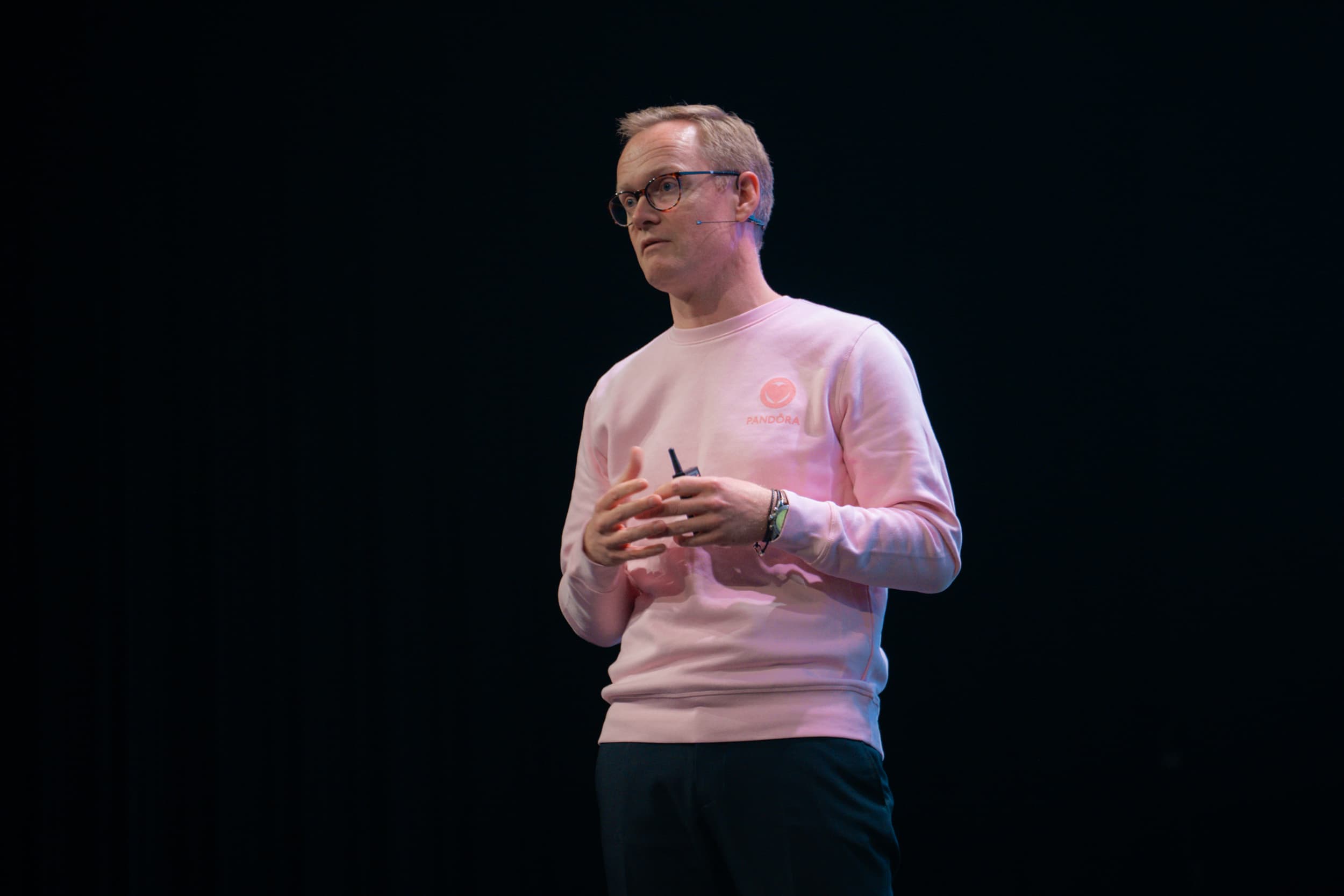
Anders Frandsen, Vice President of Global Supply Chain at Pandora, shared the company’s progress in its global planning transformation journey. Specifically, he outlined how the global jewelry brand is moving methodically from strategic intent to blueprinting, configuration, and now into execution.
He began by grounding the audience in the scale and purpose of the brand. “Pandora is all about enabling people to express love through jewelry,” he said. With more than 110 million pieces sold annually and over 37,000 employees, Pandora operates with a vertically integrated supply chain, handcrafting its products in-house and selling primarily through owned retail and digital channels. “We produce and sell three pieces of jewelry every second,” he noted.
This operational complexity, alongside Pandora’s sustainability and diversity goals, created the rationale for a comprehensive planning transformation. “Planning is a foundation element,” Anders emphasized. “It is essential to enabling the full value chain to perform with excellence.”
The scope of transformation spans forecasting, replenishment, inventory, supply, capacity planning, and master production scheduling. After a competitive RFP, Pandora selected o9 Solutions as its technology partner. The program is now in phase one, with the first markets going live at the end of July and additional rollouts scheduled through year-end.
Guiding Transformation Principles
Anders shared that the transformation has been guided by three key principles: value, essence, and discipline. Pandora was intentional about defining value early, spending significant time in the blueprint phase to ensure functional alignment with business outcomes. “We kept asking ourselves, what value will this bring? If we could not answer that clearly, we postponed or dropped it,” he said. KPIs and value targets informed every major design choice, and key design decisions were prioritized based on their expected impact.
He cautioned against overcomplicating early phases. “Resist the temptation to do too much,” he said. “You see all the possibilities and want to build everything at once. Instead, walk, then run.” Pandora adopted a minimum viable product approach, focusing first on a simple, working solution before layering in complexity and functionality over time. This was accompanied by a phased release strategy, with value realization embedded at each stage.
Anders also advised against unnecessary customization. “Stick to the reference model as much as possible,” he said. “You can tailor some configurations, but be clear about why.”
This disciplined, value-focused approach is helping Pandora establish a more responsive, integrated, and intelligent supply chain planning capability. Though the transformation is still in progress, Anders expressed confidence in the path forward.
“We are not live yet, but we believe the decisions we made will help us deliver fast, learn quickly, and scale confidently.”
Gearing Up for Growth: Canyon’s Journey to Customer-Centric Excellence
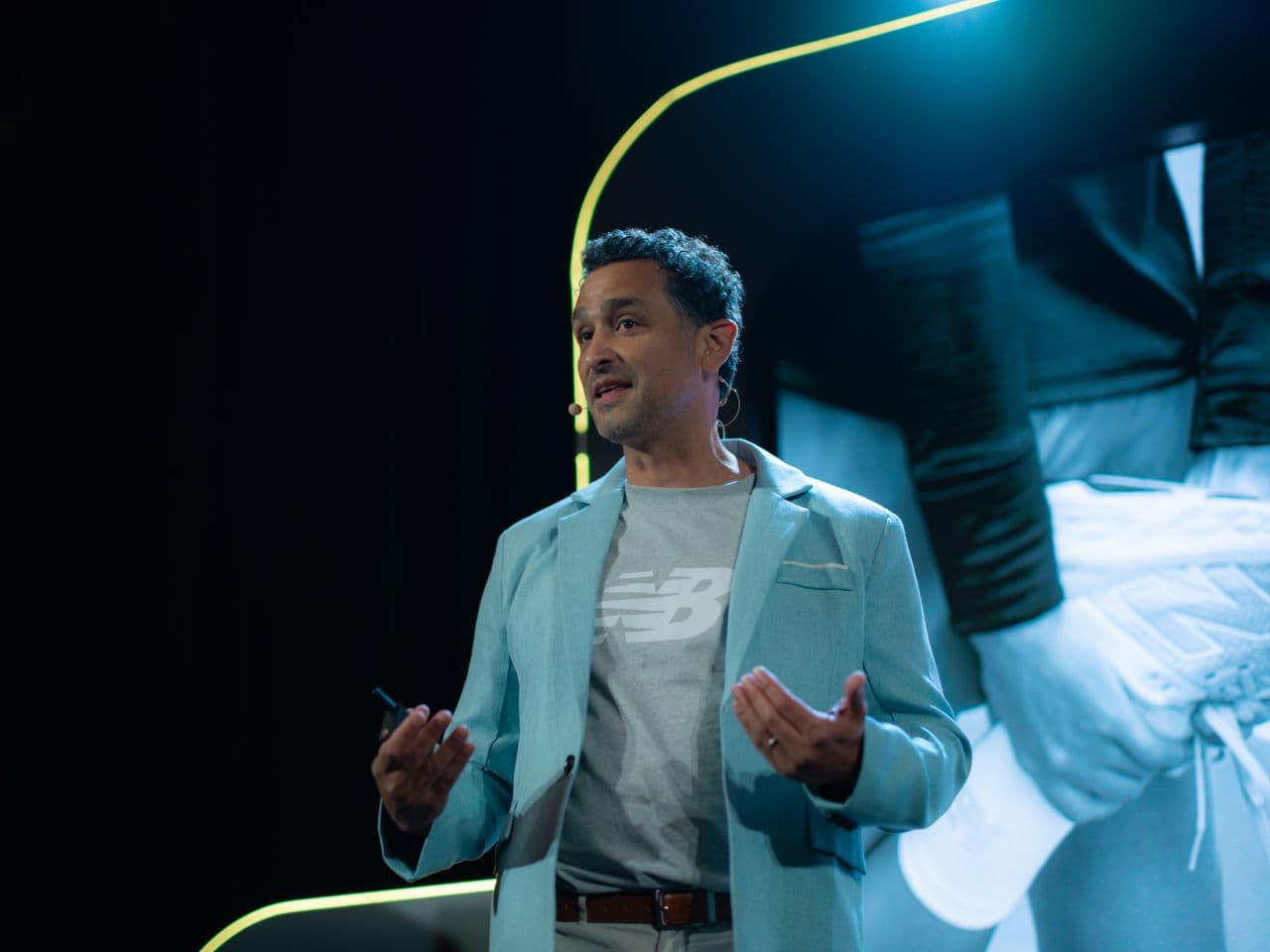
Paul Tips, Product Owner at Canyon Bicycles, took the stage to share how the German direct-to-consumer cycling brand is reshaping its planning capabilities to better serve global markets and consumers, whether elite cyclists or everyday commuters. Known for its innovative D2C model, Canyon aims to become the most inspiring and innovative cycling brand in the world. Achieving this goal requires more than superior product engineering; it demands a radical rethinking of how Canyon plans, collaborates, and delivers value across its operations.
“We want our planning capabilities to reflect our ‘Inspired to Ride’ mindset by putting the consumer at the heart of every decision,” Paul explained.
From Push to Pull: Putting the Consumer in the Driver’s Seat
Historically, Canyon operated with a push-based planning model, producing inventory based on forecasts and expecting demand to follow. But consumer behavior is shifting, and Canyon’s vision now centers on aligning production with real, data-driven demand signals.
“We collect a tremendous amount of consumer data directly through our online platform,” Paul noted. “We see what people click on, which bikes they browse, and where the interest is. Our goal is to translate those insights into demand, supply, and inventory plans that ultimately drive smarter decisions.”
The company is working closely with o9 Solutions to establish a fully integrated, demand-driven planning model. Rather than relying on fragmented spreadsheets and offline processes, Canyon is implementing a centralized platform that serves as a single source of truth for planning across merchandising, category, assortment, demand, and eventually supply.
Phased Transformation: Crawl, Walk… Bike
Canyon’s transformation is organized around a phased methodology that mirrors a cycling journey: The Recon, The Ride, and The Podium.
Recon: Act I
- Redesign the foundation: Canyon first focused on auditing its core processes, ensuring they were rearchitected for a digital environment and not just ported from Excel into software.
- Data integrity over perfection: Instead of chasing perfect data, the emphasis was on consistent and aligned data across systems to avoid misinterpretation and mistrust.
- Change from day one: A critical learning, according to Paul, is that change management must begin early. “Start your adoption and learning processes upfront—not right before go-live.”
Ride: Act II
- Adoption and agility: Once modules were live, Canyon emphasized user enablement and continuous improvement. “Don’t tell teams, ‘This is what’s coming. Deal with it.’ Co-create with them.”
- Product over project: Paul advocated for treating digital transformations like product development, focusing on value delivery, iteration, and user input, rather than fixed deadlines.
- Flexibility and co-creation: By avoiding rigid delivery models, Canyon empowered teams to collaborate cross-functionally and influence solution design as needs evolved.
Podium: Act III
- Sustainability and culture: Canyon is embedding continuous improvement into its planning culture, encouraging users to propose enhancements and helping them feel ownership over the system.
- Joint business-IT ownership: Rather than siloed roles, business and IT teams now share KPIs and collaborate to advance planning capabilities together.
- Measure what matters: KPIs like inventory reduction, sell-through, and markdown avoidance are tracked, but so is solution NPS—to ensure tools truly make users’ lives easier.
To close his presentation, Paul reminded the audience that Canyon’s ambitions extend beyond financial growth. “As a company, we believe we can contribute to a healthier planet by getting more people on bikes, and that includes making our operations as sustainable as possible.”
A Fireside Chat with Former PVH COO Ian Plugge
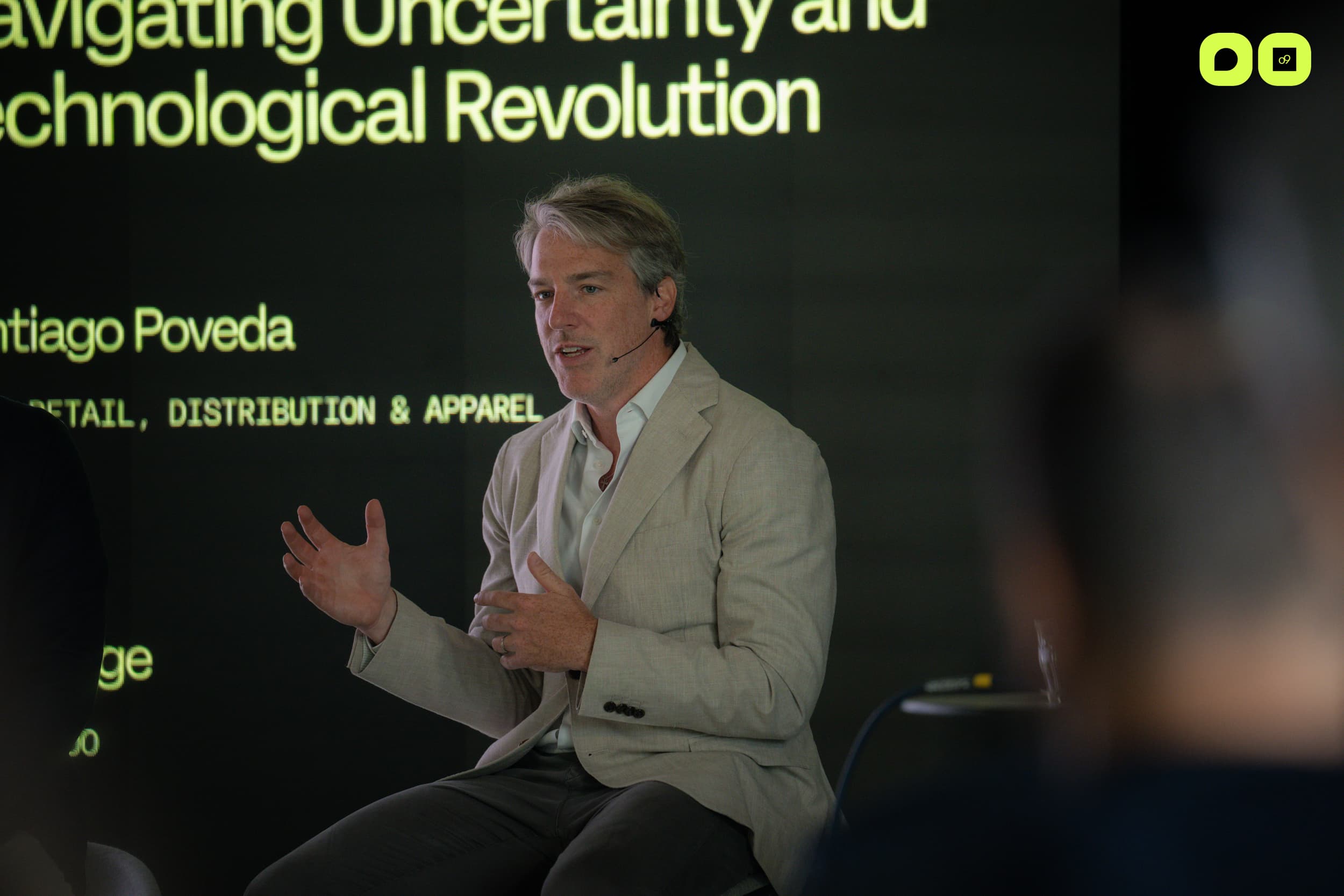
Retail and fashion leaders today are operating at the intersection of disruption and reinvention. In this fireside chat, Ian Plugge, former Chief Operating Officer of PVH Europe, and Santiago Poveda, Vice President of Retail, Distribution & Apparel at o9 Solutions, examined the evolving dynamics reshaping the industry, from economic headwinds and supply chain volatility to the accelerating impact of AI.
“Let’s get a firm handle on the P&L,” Ian urged early in the session, describing the current industry mindset. From tightening inventory controls to reducing discretionary spending, he noted that cost scrutiny has become a universal boardroom topic. Inventory—often the largest line item for brands—is now managed with increased rigor, from procurement through markdowns. Hiring freezes and restructurings have become common responses, driven by consumer uncertainty and geopolitical disruptions.
Yet even amid austerity, opportunity remains. “You manage what you have now, but the conversation also becomes: how do we structurally manage the risk?” Ian added.
Building for the “Never Normal”
Both speakers emphasized that unpredictability is no longer an exception but the new rule. Santiago called it “the never normal.” Ian agreed, noting that companies clinging to pre-COVID practices will face a “rough awakening.”
Instead, organizations need operating models that embrace adaptability. “The companies that will thrive are the ones that embed reaction to change as a core part of their model,” Santiago said. This calls for a flexible mindset in both spending and transformation. This is a pivot from traditional, waterfall-style programs to agile, iterative change led by internal champions.
Technology, especially AI, emerged as a central theme. While many companies are still in “cost-cutting mode,” Ian argued that forward-looking brands are seizing this moment to accelerate AI adoption.
He outlined two broad categories of use cases: the quantitative (such as demand forecasting, inventory optimization, and price/promotion analytics) and the qualitative, where “art meets science.” Here, AI agents are beginning to assist in visual design, campaign feedback, and merchandising functions traditionally seen as creative and intuition-based. “We’re in the first couple of seasons where this is happening,” he observed. “If you do this for 4–6 seasons in a row, you see that lift-off moment.”
Santiago added his enthusiasm for agentic commerce, which promises to reimagine the customer journey from discovery to purchase. “It’s going to be a major channel,” he predicted, urging retailers to invest now or risk falling behind.
Orchestrating Transformation at Multiple Speeds
Transformation cannot be one-size-fits-all. “You need to tailor it to the formula of the organization,” Ian emphasized. Whether through a centralized command model or a decentralized, market-driven approach, the success factor remains the same: strong leadership and empowered change agents.
Still, he cautioned that without end-to-end alignment, piecemeal efforts won’t move the needle. “Someone needs to have the end-to-end view,” he said, reinforcing that connected data, synchronized processes, and cross-functional collaboration are non-negotiables in the AI era.
As the conversation wrapped, Santiago summarized the new mandate: “Retailers and brands are being pulled in many directions—efficiency, agility, and transformation—but the answer isn’t to delay action. It’s to start small, prove value, and scale fast.”
From embedding AI to building more adaptive supply chains, the path forward should be focused on rethinking the foundations instead of incremental change.
As Ian put it, “This is something big. It’s happening. And now is the time to act.”
Looking Ahead: aim10x Americas | September 10 | Dallas
The sessions with Pandora and Canyon Bicycles offered a clear look at how leading retail and apparel brands are transforming planning to improve responsiveness, scale operations, and support long-term growth. Pandora is using its HERO program to unify global planning across 110 million units sold annually. Canyon is rethinking how it matches dynamic consumer demand with the complexity of its product configurations. Both examples underscore the strategic importance of planning in a fast-moving, consumer-driven market.
What made these stories compelling was not only the ambition behind them, but the precision with which they are being executed. These companies are not just updating technology. They are building integrated, intelligent planning ecosystems that connect decisions across teams, markets, and sales channels.
As the retail and apparel industry continues to evolve, driven by changing customer expectations, supply chain pressures, and digital disruption, these examples offer a practical view of what it takes to lead. The conversation will continue at aim10x Americas on September 10 in Dallas, where global leaders will share strategies for scaling next-generation planning and execution.
About the authors

The Editorial Team, o9
A multidisciplinary collective of editors, strategists, technologists, and former executives with experience across Fortune 500 companies and top consulting firms. Grounded in o9’s mission to help enterprises make faster, better decisions through the power of AI-driven planning and execution software, the team shares clear, practical insights on digital transformation, supply chain, and enterprise planning to support business leaders in navigating complexity and driving change.