8 read min
Few industries face the level of volatility that manufacturing does today. Global supply chains are long and complex, customer expectations are rising, and disruptions—whether tariffs, strikes, or sudden demand shifts—can wipe out margins in a matter of days.
At aim10x Americas, o9’s largest event with more than 400 industry professionals in attendance, manufacturing leaders from Acuity, Smurfit Westrock, and others shared how they are adapting by replacing manual, siloed planning with integrated platforms that connect demand, supply, and financial outcomes in real time.
Here are the highlights of their stories.
Acuity Is Powering the Future of U.S. Manufacturing. Here's How.
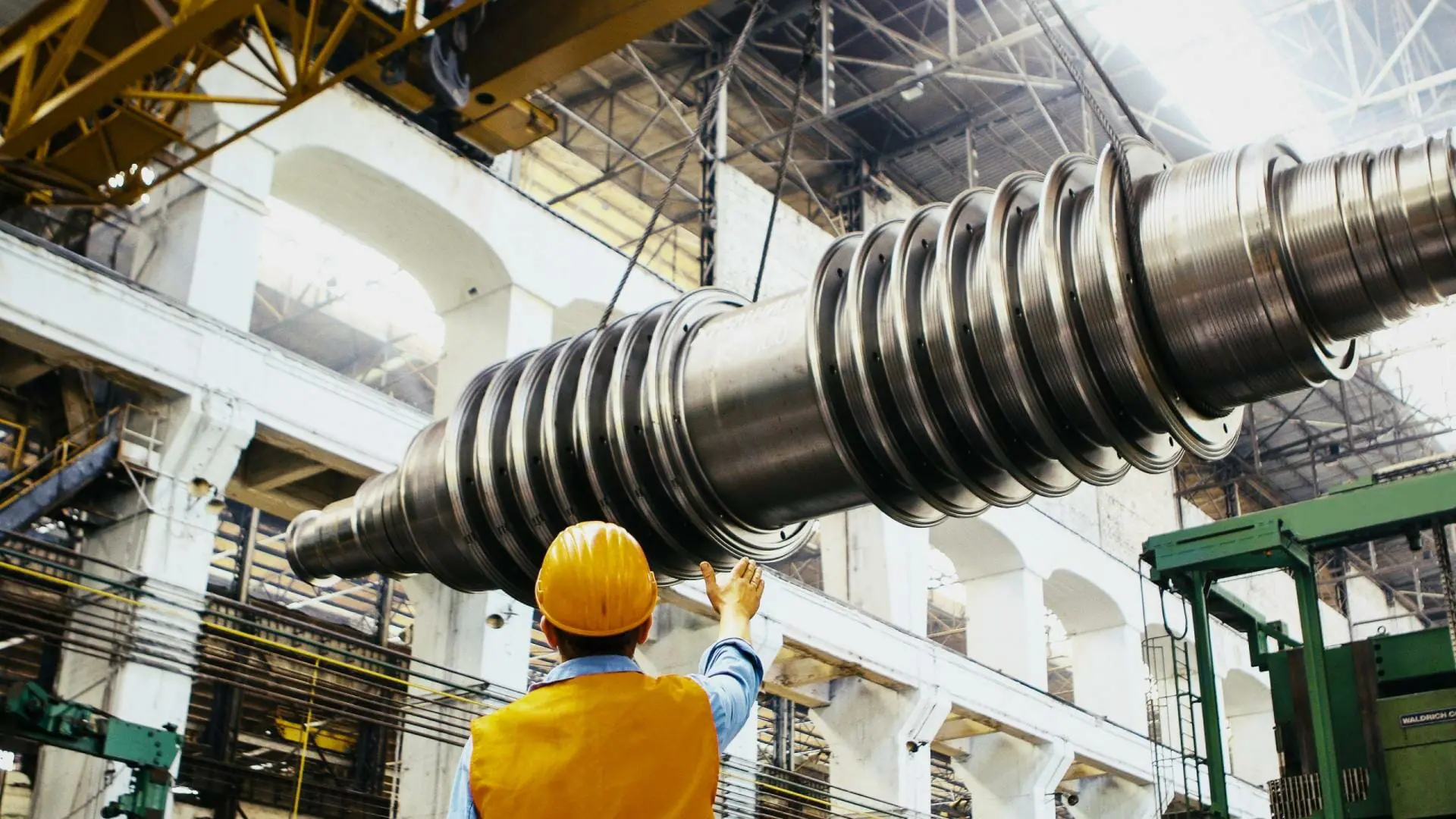
The first manufacturing-focused session of the day featured Acuity, a leader in lighting and building technology. With a portfolio that spans lighting products, controls, and OEM components, Acuity has been leveraging o9’s Integrated Business Planning (IBP) to integrate its planning and decision-making processes and lay the groundwork for advanced capabilities like machine intelligence and agentic AI.
Building the Right Foundation for AI Success
But in a landscape where, as MIT research notes, “95% of AI pilots fail,” Brent Hasenkamp, Vice President of Industry Solutions at o9, emphasized that real success begins with building a solid foundation. That foundation, he argued, is rooted in consistent demand and supply planning, inventory optimization, and an integrated business planning layer that brings alignment across the business.
With that core in place, companies—such as Acuity—can then extend outward, collaborating downstream with customers, upstream with suppliers, and eventually leveraging digital twins and agentic AI. “The next frontier is making AI meaningful, improving decisions, codifying responses into execution, and freeing people to focus on higher-value work,” Brent said.
Acuity’s Transformation in Action
From there, Brent handed it off to Matthew Gillett, VP of Product Management at Acuity, to share how the market leader is actually putting these principles into practice. Matthew explained how the company has already seen substantial returns from its IBP transformation with o9:
- “We saw about a 300% internal rate of return on planning process improvements. We’ve also seen improvement in end-of-period financials: gross margin expansion, inventory reductions.”
- “Out of the box, o9 gets the mix right instantly—that’s where the value really came from initially.”
- “Initially, our planners spent 90% of their time building Excel data models. Out of the box, that work goes away. Now planners can focus on post-game planning and continuous improvement—driving further improvements in working capital and gross margin.”
- “On-time, in-full is improving consistently. The end users feel those outcomes.”
Unlocking the Next Frontier of AI
With the foundation established with IBP, Acuity is now ready to unlock more advanced capabilities. “When we started, AI agents weren’t our number one goal. But we now realize we could not have reached the kind of enablement we’re looking at today without the model in place first,” he explained.
How Smurfit Westrock Is Building a World-Class Packaging Supply Chain
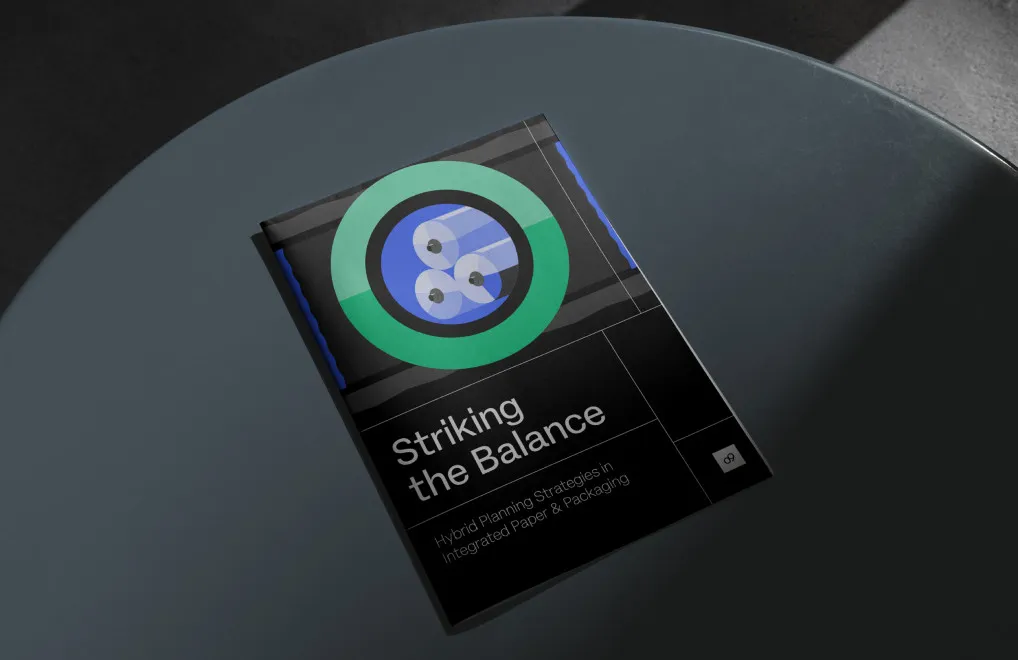
When Smurfit Kappa and Westrock merged last year, the result was the world’s largest paper and packaging producer: 62 mills, more than 500 packaging facilities, and over $2 billion in freight and warehousing spend in North America alone. That scale demands precision. As Jason Williams, VP of Logistics and Planning, put it: “In this business you’ve got to be a great producer, a great planner, and a brilliant logistician to make money.”
Planning Challenges in a Complex Network
The challenge was that planning lagged far behind operations. With 36 ERP systems, data lived in silos, and coordinating across mills and converters could take weeks. “It takes weeks—not hours or days—to react to inputs,” said Mike Brodsky, Sr. Director of Supply Chain. “A lot of the time you’re operating on gut, intuition, and prior knowledge, not facts and data.”
That reliance on intuition came at a cost: higher freight bills, excess inventory, and missed opportunities. The company knew it needed a system that could keep pace with the complexity of its two-tier supply chain.
Demand Planning Transformation
The transformation began with demand planning. Partnering with o9, Smurfit Westrock shifted from spreadsheets to statistical forecasting. The change has been dramatic. “We went from a manual process with limited KPIs… to a statistical forecast and adding value rather than manipulating inputs,” Jason said. “Our commercial team can now add value, and in some cases demand leaders are getting requests to use our data with customers because we think ours is better.”
Supply planning is next. “We just deployed our corrugated network in the last month,” Mike noted, with mills and consumer packaging scheduled to come online by 2026. The endgame is a full digital twin of the network—linking sites, suppliers, warehouses, and customers into one connected model.
Putting Operators at the Center
Technology alone wasn’t enough. The team put operators at the center from the very first sprint. They tested, gave feedback, and ultimately presented the system themselves to executives. “The best feeling is sitting at the table and saying nothing because the business owns it,” Mike reflected. “With an investment this large, adoption is everything. Get operators involved from the beginning. That has been our most important success factor.”
A Cultural Shift Toward Fact-Based Planning
By embedding o9 into its core, Smurfit Westrock is cutting weeks of planning into hours, reducing manual data wrangling, and replacing intuition with facts. The shift is more than process—it’s cultural. “If I sum up our case for change, it’s really about our customer,” Jason said. “When we plan well, we win on service, we win on cost, and we keep our mills full. That’s the imperative.”
Building Resilience With AI-Powered Scenario Planning
What happens when a sudden tariff disruption threatens hundreds of millions in costs across a global automotive supply chain?
Karolina Tuttle put attendees in the shoes of a global automotive OEM grappling with exactly that scenario. As Supplier Relationship Management GTM Lead at o9 Solutions, she led a live demo designed to show how o9’s agentic AI workflows can compress response time from days or weeks into minutes.
Why Traditional Planning Falls Short
She began with a pulse check: almost everyone in the room had felt the sting of tariffs at some point. The problem, she said, lies in traditional planning—demand and supply managed in silos, supplier collaboration thin, and scenario decisions slow. Those gaps are exactly what make a tariff shock so difficult to navigate.
A Planner’s Morning in the Future
The demo opened with a planner’s morning email: a concise, prioritized briefing of relevant disruptions, whether strikes, fires, or port congestion. Each was color-coded by severity and linked directly into the platform. One click opened o9’s risk agent, which not only flagged five high-severity tariff events but also explained its reasoning steps and pulled live context from the Enterprise Knowledge Graph. Fourteen suppliers and 14 items were implicated, and the agent’s first recommendation was clear: focus on the hybrid vehicle line.
Mapping Risk Through the Enterprise Knowledge Graph
She then drilled into Event Management. Each risk was mapped to specific items, supplier sites, and manufacturing locations, complete with resilience and sustainability scores. Order visibility—on-hand, in-transit, and future POs—was paired with financial values. Using the EKG, the view expanded from components like PCBs and IC housings up through tier-two and tier-one suppliers, finally rolling into finished hybrids. Attendees saw where those cars were sold, which distribution centers they flowed through, and the revenue and gross margin now at risk.
The baseline scenario set the stakes: at the SML site, 103,000 hybrid units were forecast over 18 months, carrying $110 million in tariff costs under existing rules.
Scenario Comparison: Do Nothing vs. Action
In Scenario Comparison, the agent calculated the “do nothing” option. Applying new tariffs across parts and locations sent costs soaring by more than $600 million. Revenue held steady in the near term, but margins cratered if the OEM simply absorbed the shock.
When she asked the agent for alternatives, it returned the familiar playbook—but with quantified trade-offs tailored to the OEM’s network:
- Alternate supplier: Shifting sourcing reduced tariff exposure. Material costs and carbon emissions might rise, but the total landed cost still fell meaningfully.
- Expedite/pull-ahead: Advancing open POs ahead of tariff deadlines improved near-term supply but carried higher transport costs and emissions—effective as a bridge, not a long-term fix.
- Pass-through pricing: Raising sticker prices restored margins, but demand elasticity modeling showed a predictable pattern: a short-lived pre-increase sales spike, followed by a sustained drop and potential market share loss.
From Risk to Action
The demo underscored how o9’s agentic workflow connects the dots. Multi-tier supplier exposure was tied directly to products, margins, and revenue. Recommendations came with trade-offs quantified, and execution steps—like expediting orders or shifting sources—could be triggered without leaving the workspace.
Equally important, she emphasized, was accessibility: business users, not data scientists, could drive the agent in plain language, with explainability built in.
Beyond Tariffs: Building Resilience
Tariffs were just the case study. The same approach, Karolina argued, applies to labor strikes, port congestion, or overlapping shocks. By linking suppliers, demand, and supply end-to-end, and by turning mitigation strategies into actionable, quantified scenarios, o9 aims to help companies control costs while protecting the customer value proposition—building resilience without defaulting to firefighting.
Read more client stories from aim10x Americas:
- New Balance, Five Below, ZAMP, and EchoStar: Retail Stories from aim10x Americas
- Keurig Dr Pepper, BISSELL, Molson Coors, and Shurtape: Consumer Goods Stories from aim10x Americas
About the authors

The Editorial Team, o9
A multidisciplinary collective of editors, strategists, technologists, and former executives with experience across Fortune 500 companies and top consulting firms. Grounded in o9’s mission to help enterprises make faster, better decisions through the power of AI-driven planning and execution software, the team shares clear, practical insights on digital transformation, supply chain, and enterprise planning to support business leaders in navigating complexity and driving change.