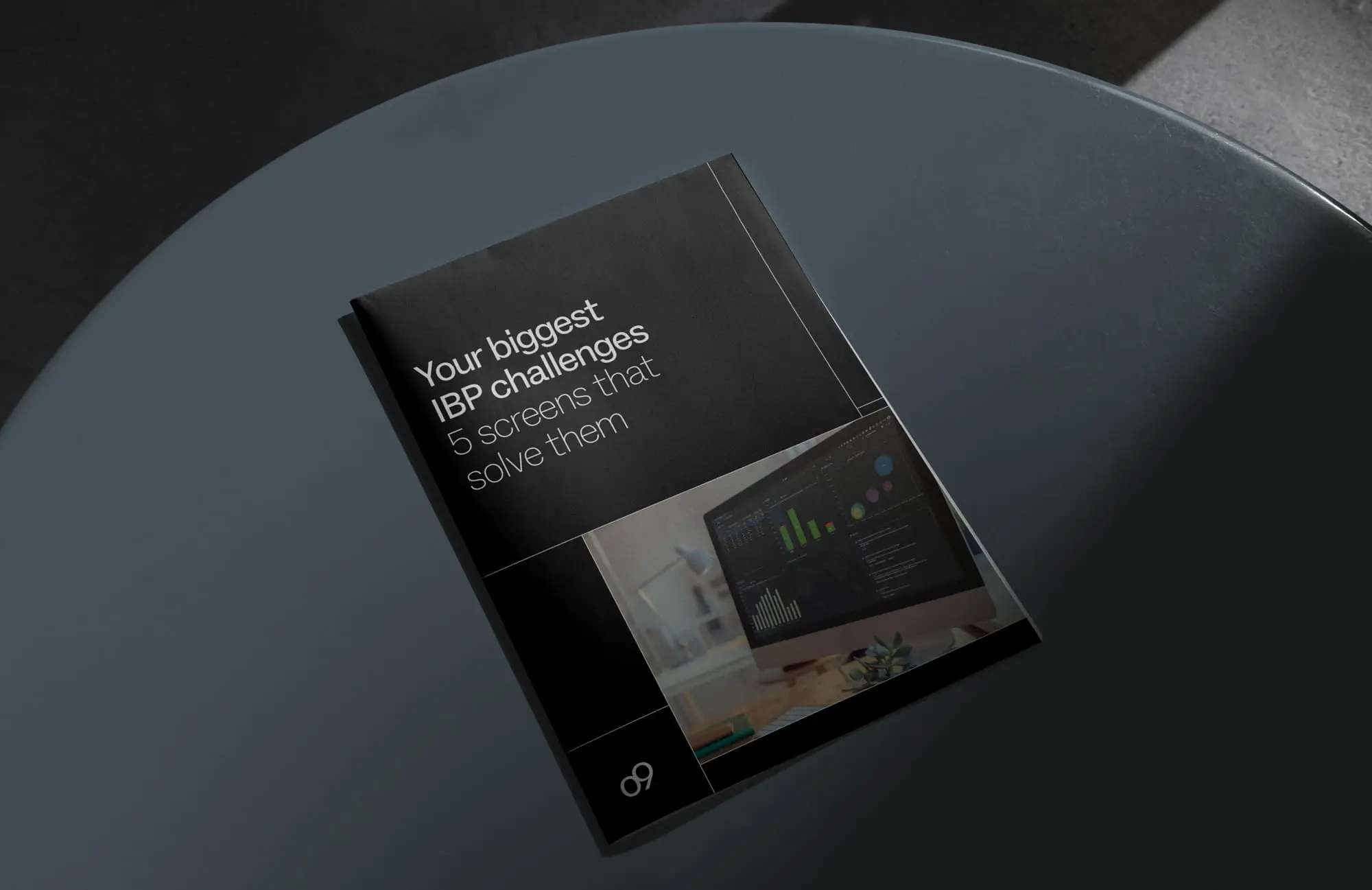
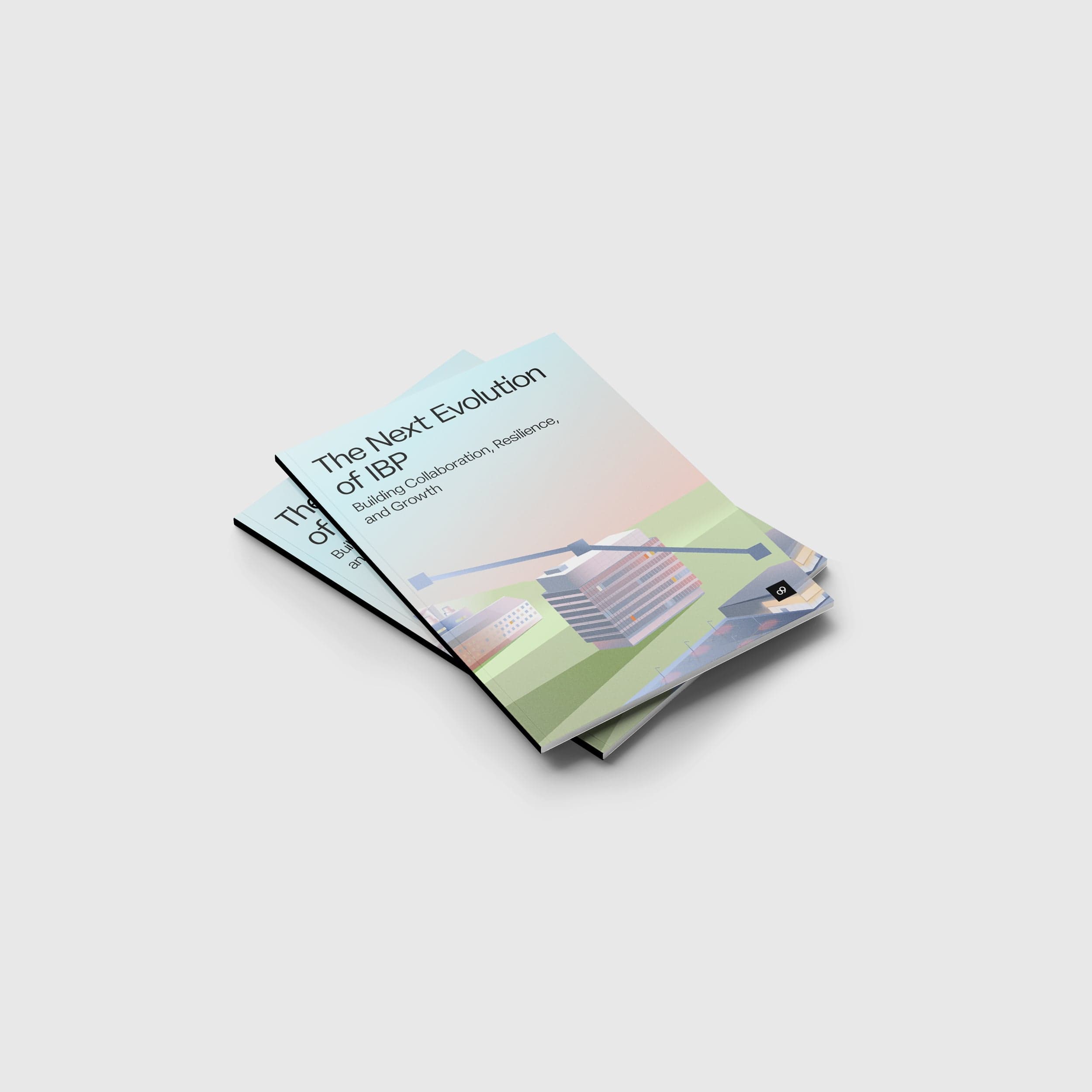
[e-book]
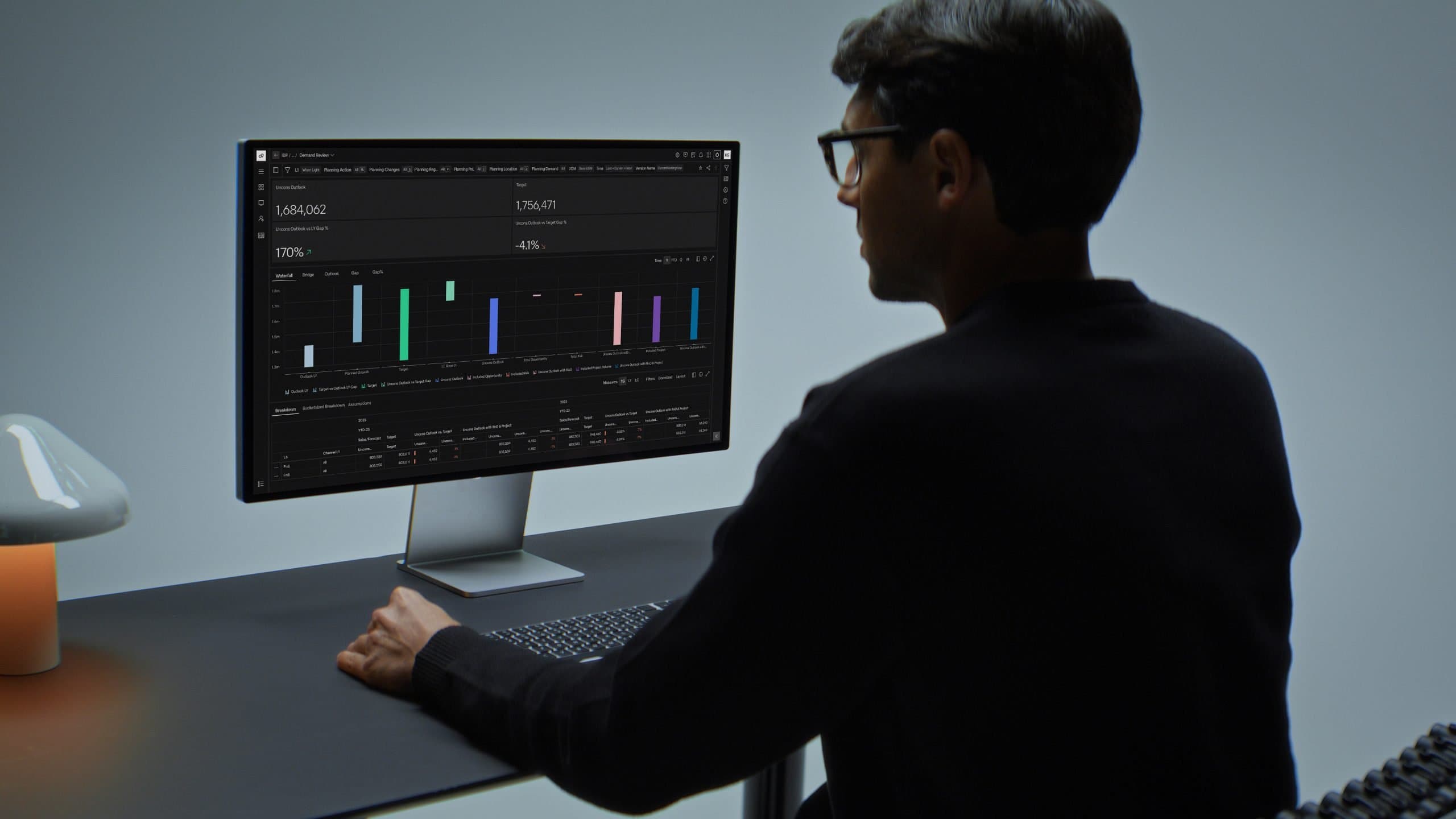
S&OP on the o9 Digital Brain transforms planning from a reactive monthly report into a real-time engine for growth. By unifying Demand, Supply, and Finance within a single 'Digital Twin' of your enterprise, we eliminate the data latency that slows down global organizations.
Instead of debating the past, your leadership team uses S&OP to simulate the future. By assessing demand shifts and supply constraints through a real-time financial lens, you gain the clarity to balance service levels, operational costs, and margin protection with total confidence.




"We were finding a solution that could help us standardize industry best practices while also handling the fine nitty-gritty of pharma. We wanted the best tool available—hence, we chose o9."
Head of Distribution and Logistics


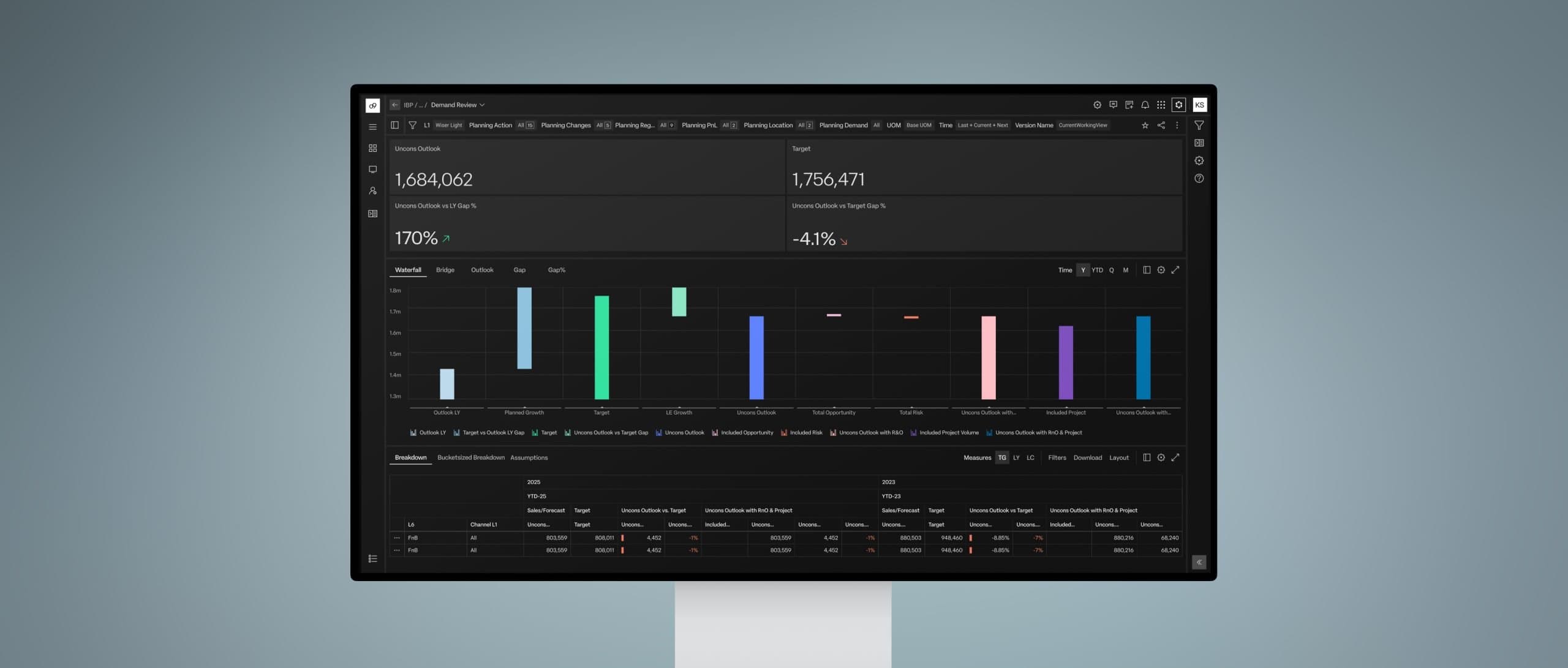
Connect finance, marketing, sales, and supply chain data on a single, live online platform to mitigate risks and capitalize on opportunities.

Build strategic plans for your organization over a longer time horizon. Forward-looking, data-backed insights so your plan is prepared for anything. Translate long-term strategy into an executable, resilient operating model.

Align performance with business goals with an operating plan that captures strategic intent. Move from static annual budgets to continuous financial alignment.
Modern S&OP is a cross-functional planning capability that aligns demand, supply, and financial objectives through shared assumptions and scenario-based decision-making.