11 read min
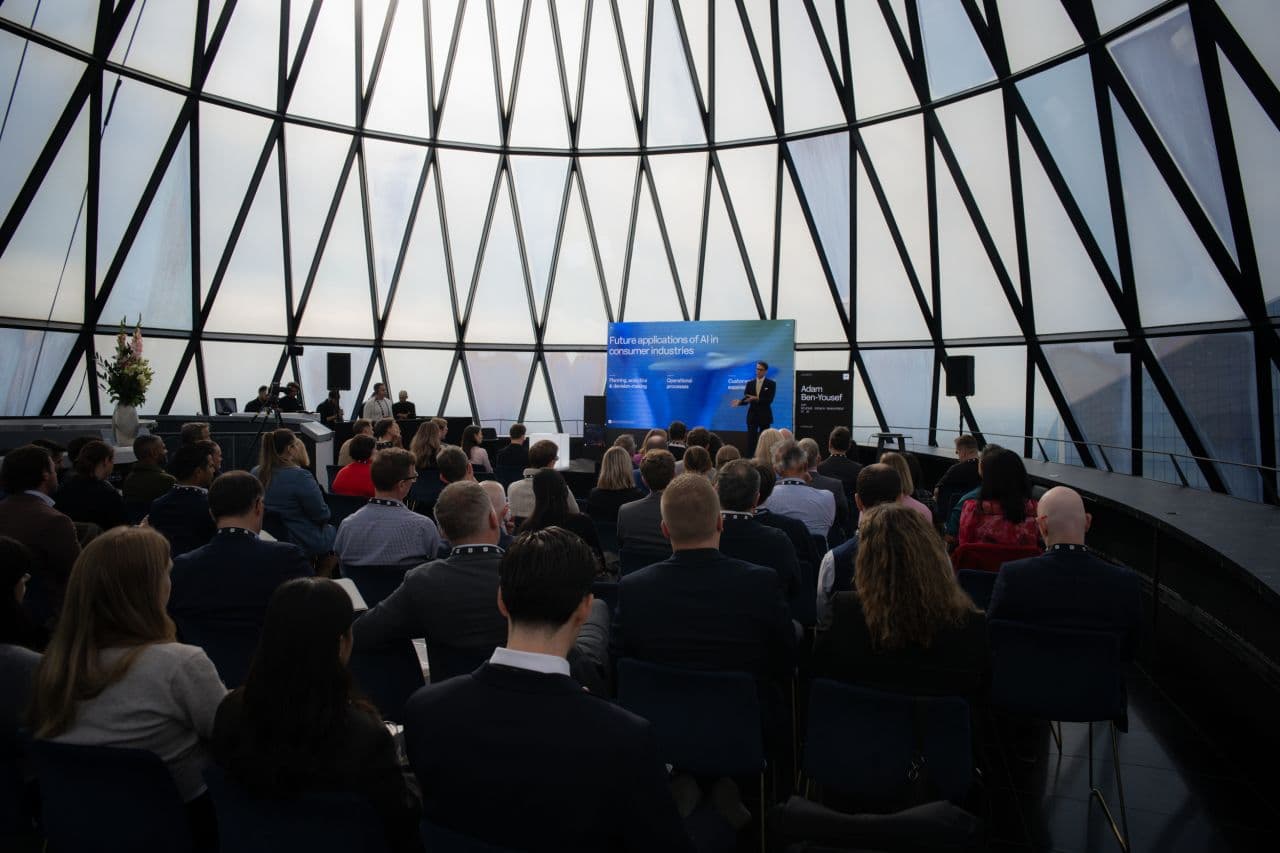
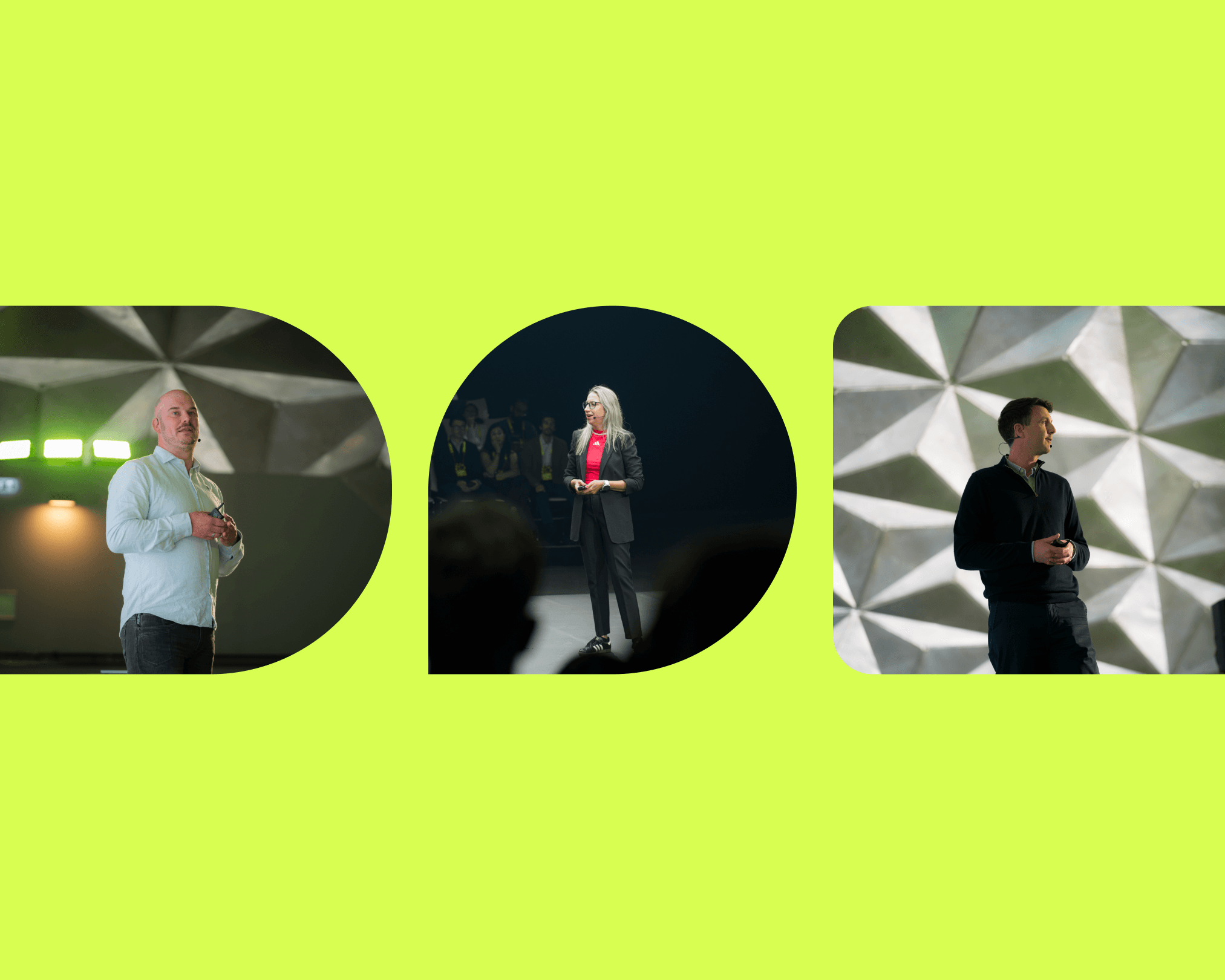
Planning in retail has always been hard. Short product lifecycles, volatile demand, fragmented supplier bases, and relentless pressure on margin leave little room for the kind of slow, manual, disconnected planning that still runs on spreadsheets in many organizations. At o9's flagship EMEA event in Amsterdam on June 4th, three retailers stood up and described what it actually takes to move past that — not just to implement a modern planning platform, but to embed it deeply enough that it keeps delivering value as the business evolves.
JD Sports spoke from the front end of that journey, approaching go-live on a new assortment planning capability. Canyon Bicycles and Adidas spoke from the other side, having built the internal Centers of Excellence that allow them to continuously improve their planning environments without depending on external partners to do it for them. Together, the three sessions traced the full arc of what sustainable planning transformation looks like in retail — and what separates the companies that get lasting value from those that don't.
JD Sports: Replacing Spreadsheets in Retail Planning Without Losing Control
Why Assortment Planning Transformation Starts with Data and Scope
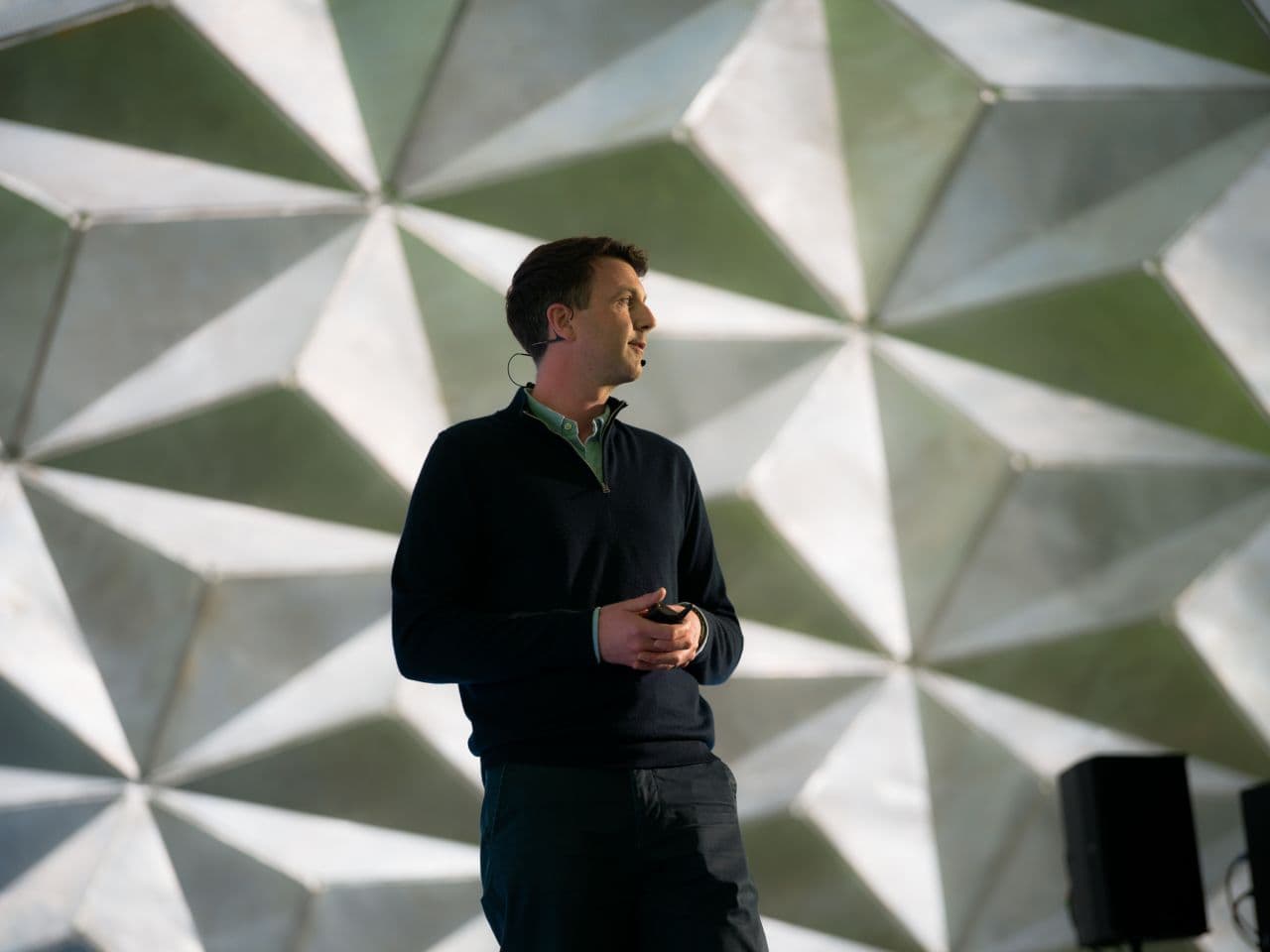
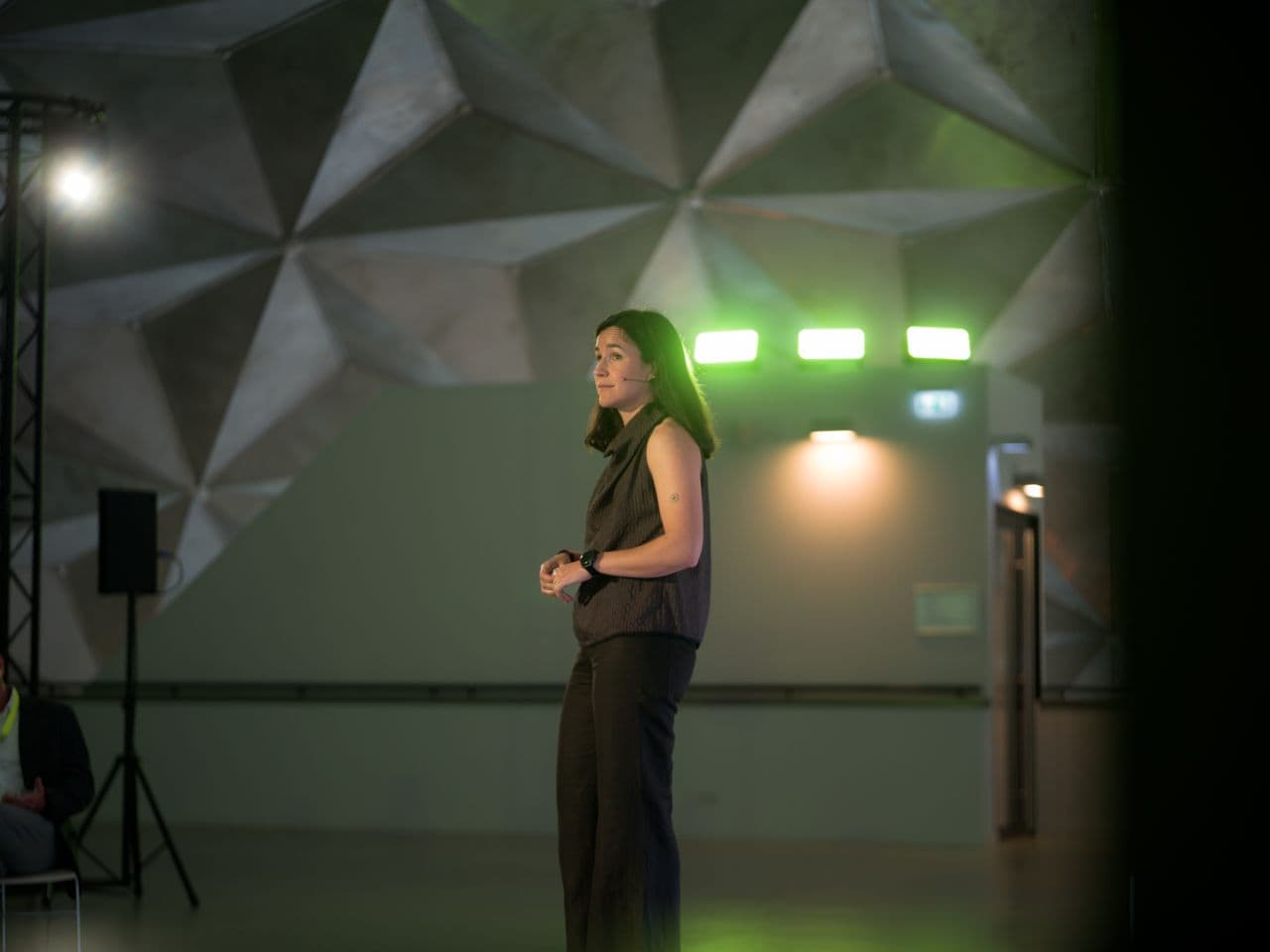
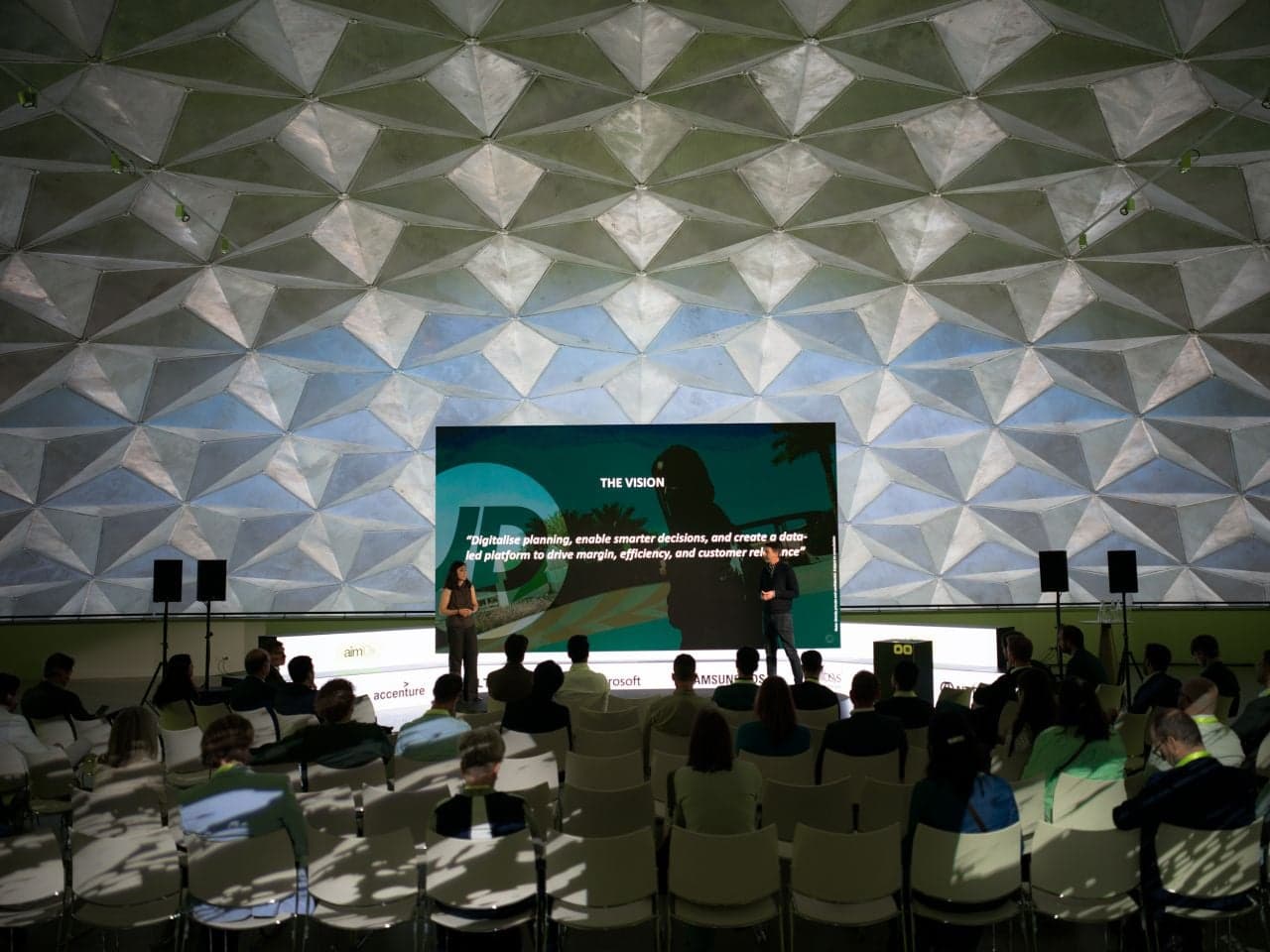
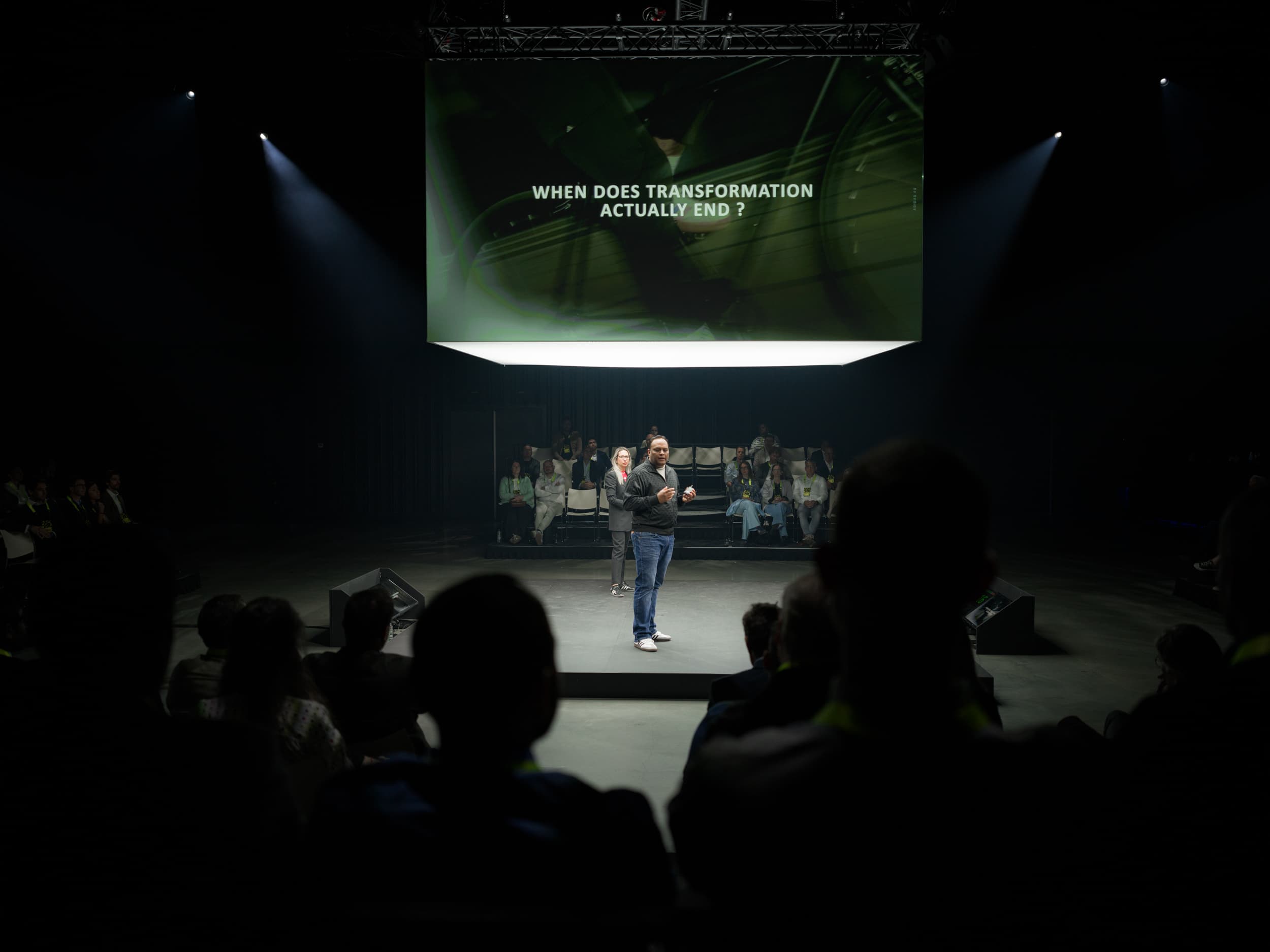
Mark Yates, Programme Director for Group Transformation at JD Sports, and Marta Romero, Project Manager in Supply Chain at JD Sports, presented from the middle of a live implementation.
JD is one of the more demanding environments in which to attempt a planning transformation. The business operates 1,100 stores across the UK and Europe, carries a multi-branded product mix that spans performance, fashion, athleisure, and streetwear, and serves a customer base that moves fast — trend-driven, peer-influenced, and unforgiving when the right product isn't in the right place. Around 10–15% of the range is its own brand; the rest is managed across hundreds of supplier relationships, each with its own critical path and minimum order quantities.
Planning in that environment had been running on Excel. The board signed off on a strategic assortment planning transformation last year, with a mandate to "digitalize planning, enable objective, smarter decisions, and create a data-led platform to drive margin efficiency and customer relevance."
The implementation scope included hyper-localized store clustering — critical for a retailer whose proposition depends on matching product to local community rather than pushing a homogenous national range — alongside size curve modeling, which Marta flagged as one of the highest-value additions for both the planning team and the broader business.
Building in Time for Evolving Use Cases
Marta, managing the project day to day, was direct about what the journey has required. The build phase required additional sprints, driven largely by the evolving complexity of use cases as the team's understanding of the platform deepened. That's not unusual in complex planning transformations, she argued — the right response is to build in room for it rather than pretend it won't happen: "You need to give yourself some time, as a business, as a team, to go through them."
Data Quality as a Sustained Workstream, Not a Checkbox
Data quality proved to be one of the stickiest operational challenges. Clustering analysis — a foundational input to any localized assortment plan — had previously been done entirely outside any system, in spreadsheets, with no single source of truth. Mapping that into a structured planning environment required significant analytical work. Her recommendation was to "invest in high-quality data analysts and also architects, to find a good mapping between what your gaps are and what o9 needs." For retailers considering similar moves, the implication is clear: data readiness is not a pre-project checkbox. It is a sustained workstream in its own right.
Change Management: The Invisible Part of Planning Transformation
Change management was the other thread running through the session. Buying and merchandising teams are, by nature, focused on product — on building the right range, securing the right stock, responding to what's selling. Asking those teams to evolve how they plan, while continuing to manage business as usual, inevitably creates tension. "Change management was the invisible part," Marta said — present throughout the project but easy to underweight in planning and resourcing. Her practical response was to keep the project visible and tangible for the people it would affect most: running demos for leadership, involving SMEs in testing, and treating engagement as an ongoing discipline rather than a one-time kickoff.
Mark closed by naming the principles that the post-go-live speakers would validate from the other side: be clear on the business outcomes you're driving, trace requirements rigorously, invest in data mapping and change management. The roadmap beyond assortment planning already includes other capabilities — a signal that even before phase one is live, JD is thinking about planning transformation as a continuous program rather than a bounded project.
Canyon Bicycles: Owning the Planning Roadmap After Go-Live
Why a Center of Excellence Drives Deployment Velocity
The question JD Sports is approaching — what happens when the implementation is done and the external team moves on — is the one Paul Tips, Product Owner at Canyon Bicycles, has been living with since go-live.
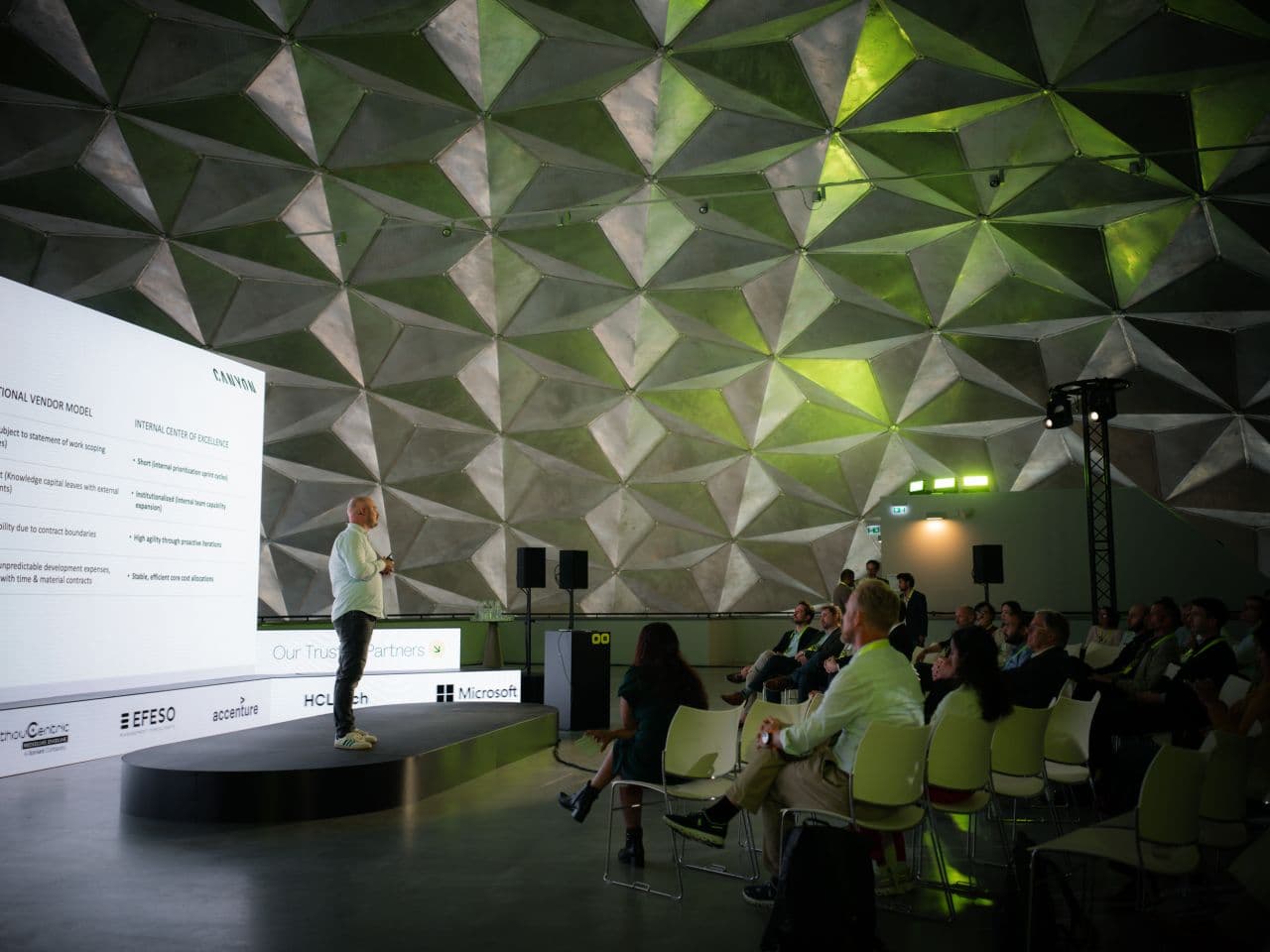
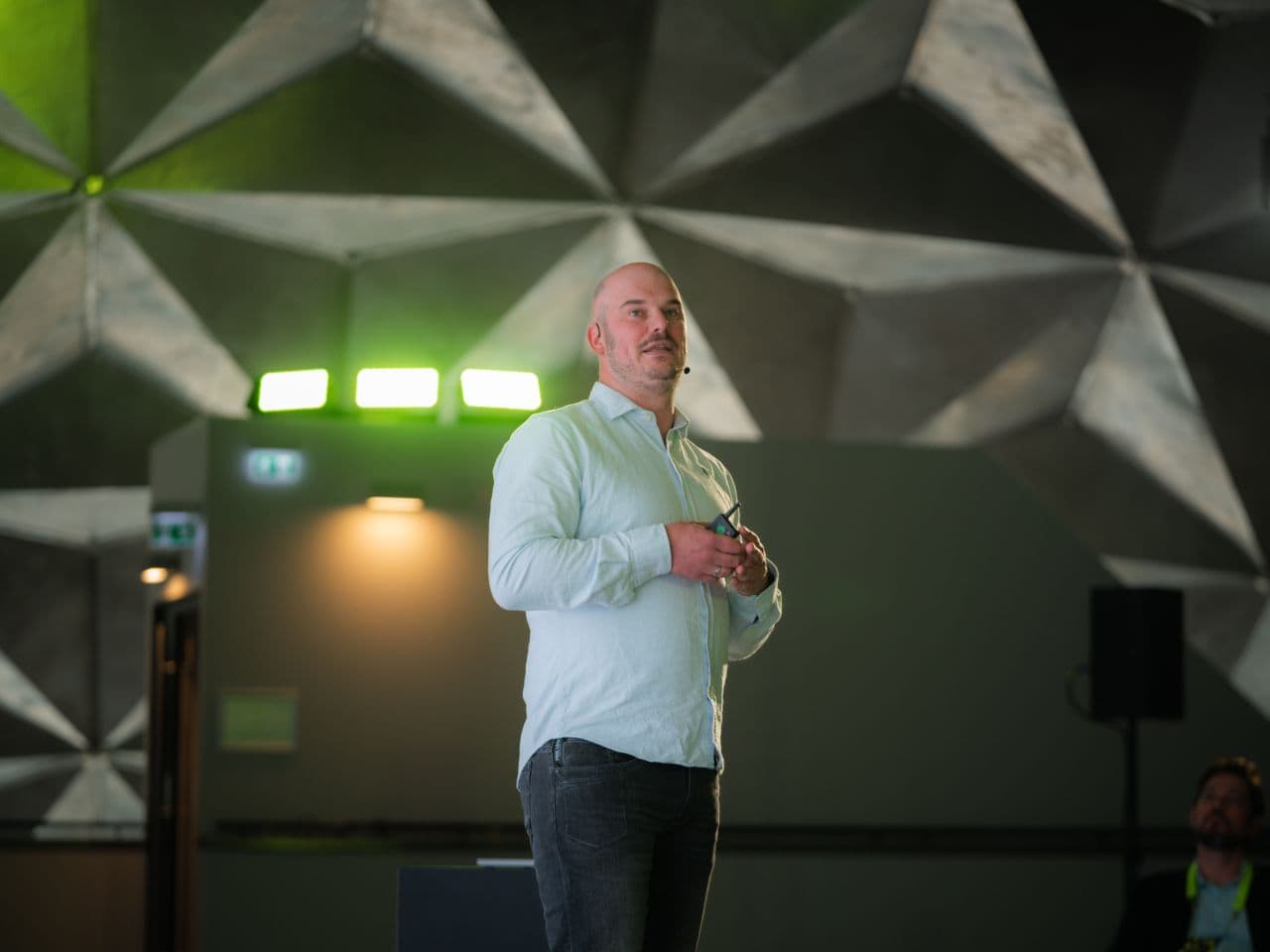
Canyon is a direct-to-consumer cycling brand that ships to over 50 countries from its headquarters in Koblenz. Its planning environment is global, its consumer expectations are high, and its ability to respond to demand signals quickly is a genuine competitive differentiator. When Canyon decided to build an internal Center of Excellence to own and evolve the o9 platform, the ambition was not just operational continuity — it was the ability to drive planning improvements at the speed the business needed, without waiting on a vendor to prioritize and deliver them. "By owning the core application roadmap," Paul said, "we have the control."
For retail supply chain teams, the practical implications are significant. Without an internal COE, every planning enhancement — a new allocation rule, a change to the replenishment logic, an improvement to how demand signals are weighted — requires raising a request externally, waiting for scoping and estimation, and then waiting again for delivery. That lag is manageable when the business is stable. It becomes a problem when market conditions shift, when a new category is launched, or when leadership wants to test a different planning approach. Paul's argument is that deployment velocity — the ability to move from idea to production change quickly — is one of the most underappreciated values a COE delivers: "We can decide, every time, what it is that we're focusing our energy and attention on. We are not bound by what we agreed in the SOW."
Treating Planning Capability as a Continuous Program, Not a Project
He was equally clear that this kind of capability isn't built overnight. The journey moves through phases — from hiring the core team and running the first COE-managed release, to scaling delivery capacity, to reaching what he called a state of internal mastery where the business can run enhancements almost entirely independently. And it rarely follows a smooth trajectory: "It takes time for people to get used to a transformation not being a project." In many retail organizations, the mental model around technology is still project-shaped — a defined scope, a delivery date, and then a handover. The shift to thinking about planning capability as something that is continuously evolving, rather than periodically replaced, is as much a cultural change as a technical one.
The measure of success, in Paul's view, is ultimately about independence: "The ultimate metric for success is how much autonomy you achieve on the platform."
Adidas: Sustaining Planning Capability After the System Integrator Leaves
Building a Multi-Competency Planning Center of Excellence from Day One
Adidas brought a structured perspective on how to build, measure, and scale a planning COE — and the most rigorous evidence that the investment pays off.
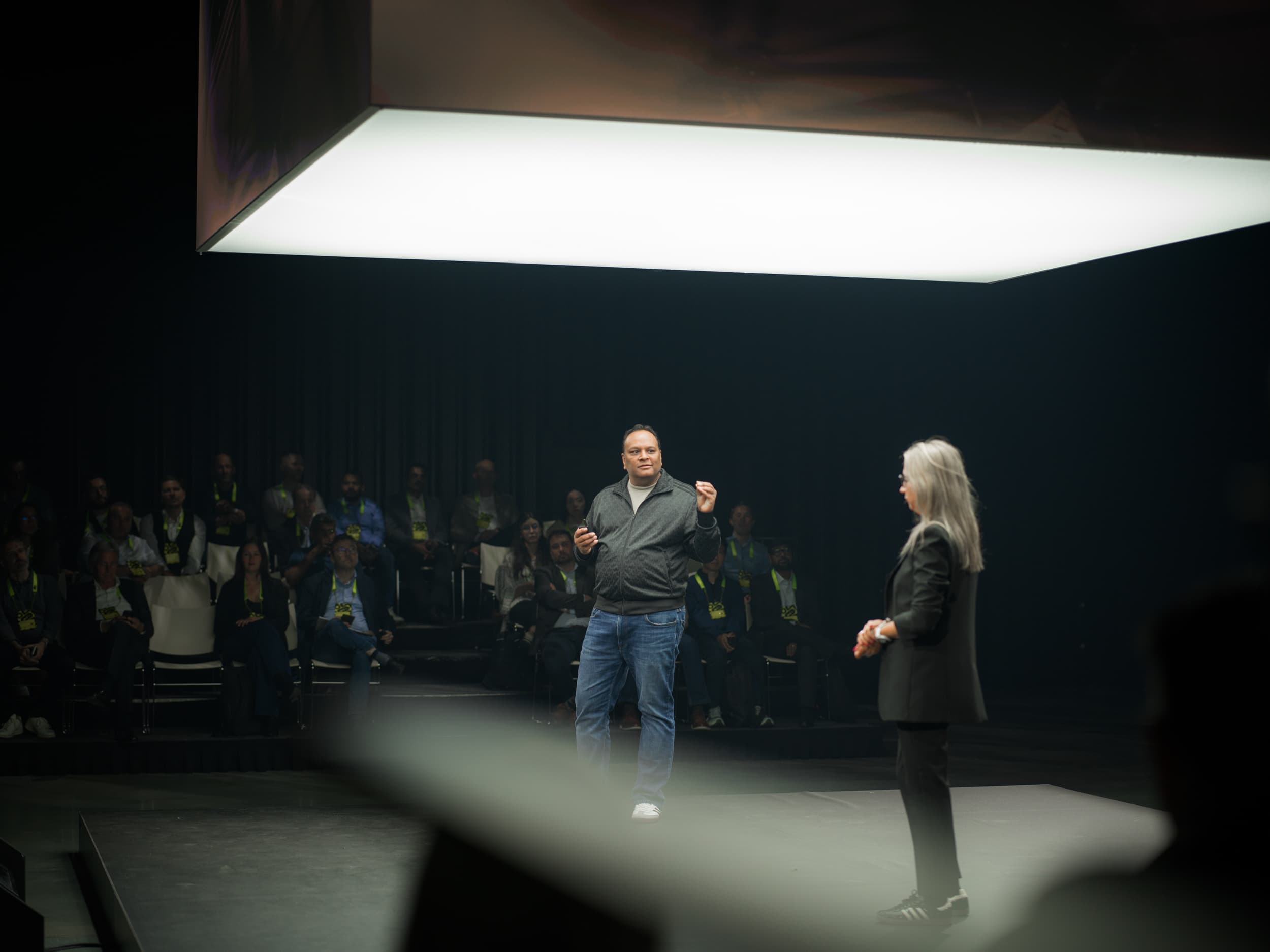
Rajni Kant Jayaswal, Director of Tech Project Management at Adidas, and Ekaterina Gabrisch, Senior Product Owner for DTC Planning and Digital Retail at Adidas, framed their session around a question that is particularly salient in a business of Adidas' scale and complexity: what happens to your planning capability when the system integrator leaves?
Adidas runs a global, multi-market planning environment. Its DTC planning operation covers digital retail alongside physical channels, with markets that have distinct requirements and business strategies. The idea that this kind of environment would reach a clean, steady state after implementation — that the platform could simply be handed over and maintained — was never realistic. "We have a very complex ecosystem," Ekaterina said. "We have a multi-market approach, we have conflicting business requirements, so it was clear that we will not reach a steady state after go-live." The decision to start building COE capability from the first day of the program, rather than treating it as a post-go-live consideration, was a direct consequence of that recognition.
The structure Adidas built combined three competencies in a single COE:
- Product owners with deep understanding of how global markets operate and what the planning requirements actually are;
- Business SMEs drawn from key markets, involved from the blueprint phase so that requirements were tested against real capabilities early;
- And technical experts who understood both the o9 architecture and the broader Adidas ecosystem inside out.
That combination — planning domain knowledge, market-level business context, and technical depth — is what allowed the COE to eventually operate without external dependency.
Upskilling Through Learning by Doing
Upskilling was the most significant investment. Adidas ran dedicated learning sessions, provided access to o9 Academy materials, organized on-site boot camps, and — critically — embedded COE team members in actual delivery work from the start, including system integration testing, key user documentation, and UAT support. Learning by doing, alongside the external experts, was how the knowledge transfer actually happened.
Measuring Planning Capability Maturity to Reach Self-Sufficiency
What distinguished Adidas most was the decision to measure capability maturity systematically throughout the journey. The team developed an internal competency tracker, scoring individuals and functional teams from zero to six across skill areas, running self-assessments on a regular basis to identify gaps and track progress.
By go-live, DevOps and front-end engineering were both at an advanced level with an 80% self-sufficiency index. Quality and performance engineering — the capability that validates every change before it hits the production planning environment — reached 100%, meaning no external dependency for testing any planning enhancement. Business SME and product owner capability also reached 100%. For a retail supply chain team, that last number matters most: the people who understand the planning requirements are fully capable of owning them, without needing to translate through an external intermediary every time the business wants something changed.
Rajni's challenge to the room was as relevant for organizations still in implementation as for those already live: "What you measure is what you can manage. If you're not measuring it, you won't be able to manage it as well." Building COE capability without tracking it is planning without a forecast — possible, but needlessly exposed to surprise.

The Outcomes: Faster Time to Market and Business Trust
The outcomes were tangible on the metrics that matter to supply chain and planning leaders: faster time to market for planning changes, a COE that proactively identifies improvements rather than simply fulfilling requests, stronger alignment between what the business needs and what gets built, and the kind of business trust that comes from consistently delivering.
"Trust is the currency for your transformation," Rajni said.
The Full Arc of Retail Planning Transformation
The three sessions in Amsterdam mapped something that is rarely visible in a single conference track: the complete journey of a retail supply chain planning transformation, told from three different points on the curve.
JD Sports is making the foundational decisions now — on data, on scope, on change management — that will determine how much value the platform delivers once live and how easily it can be evolved afterward. Canyon has cleared that hurdle and is building the internal capability to own its planning roadmap without external dependency. Adidas is further down the transformation journey and has built a COE that is measurably self-sufficient and that treats the platform as a continuously improving business asset rather than a fixed system to be maintained.
The lesson connecting all three is the same one each speaker arrived at from a different direction: in retail planning, the gap between a go-live and the value unlocked by a planning transformation is not closed by the implementation alone.
It is closed by everything that comes after — the people, the processes, the measurements, and the mindset that keep the platform moving and delivering value as the business evolves.
About the authors
Vittorio Morelli
Vice President of Sales
Vittorio Gargiulo Morelli is Vice President of Sales at o9 Solutions, with over 12 years of experience spanning Bain, Accenture, and high-growth SaaS. He leads enterprise B2B sales and digital transformation initiatives, closing multimillion-dollar deals with Fortune 500 retail and manufacturing clients to optimize supply chains, drive growth, and advance sustainability. An INSEAD MBA graduate with global experience across Europe, the Middle East, and Latin America, Vittorio is passionate about sustainability, technology, and building high-performing teams that deliver measurable impact.