10 read min
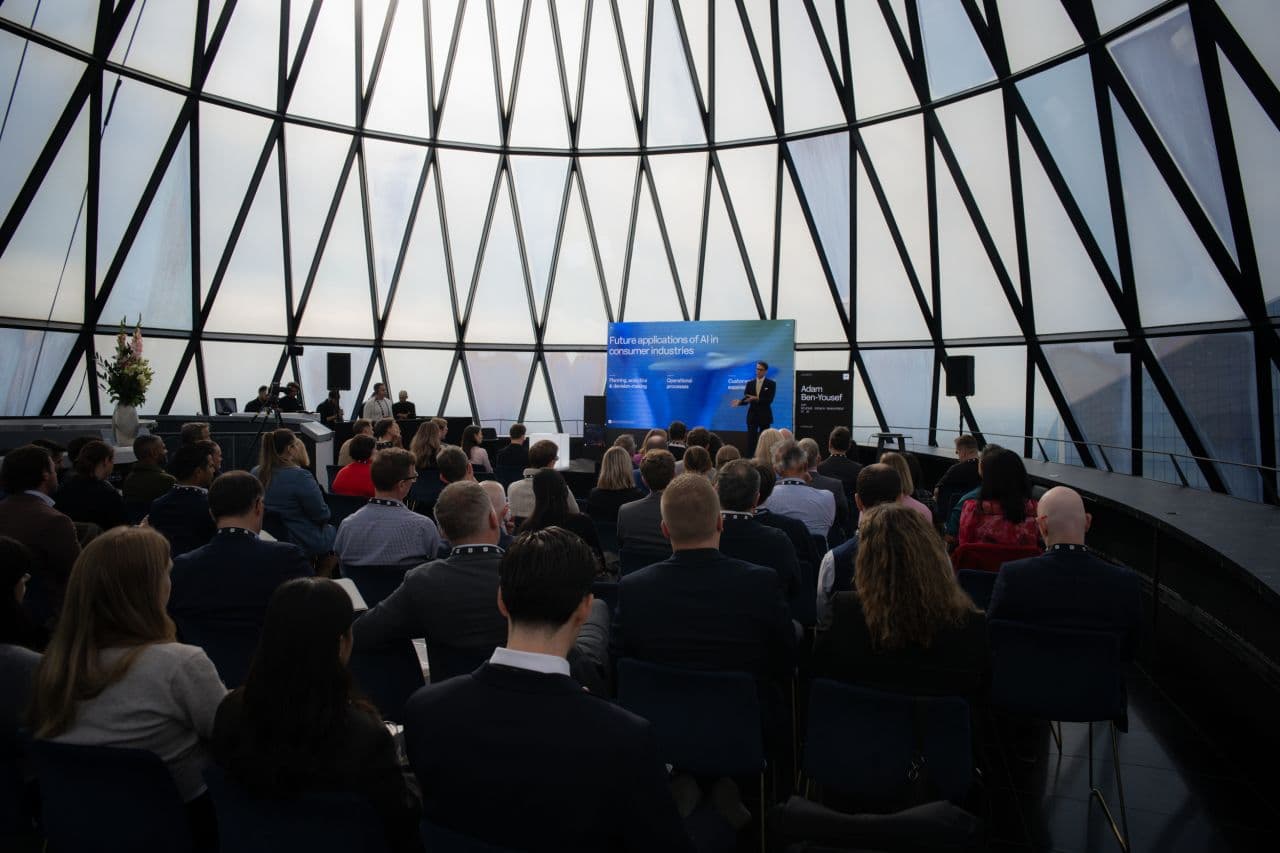
At o9's largest EMEA event, held in Amsterdam on June 4, two consumer goods companies presented planning transformations built on o9, and both made a similar point: the technology is only one part of the work. Leaders from Philip Morris International and Coty spent most of their sessions discussing what surrounds the platform, including the business outcomes a transformation is anchored to, the processes it redesigns, the operating model it depends on, and the changes in how people work day to day.
Taken together, the two talks cover different stages of the same journey. PMI focused on how to structure a transformation at the outset by starting from business outcomes rather than technology. Coty focused on what happens after a rollout is complete, and why a live system marks the start of value realization rather than the end of the project.
PMI: Structuring a Transformation Around Business Outcomes
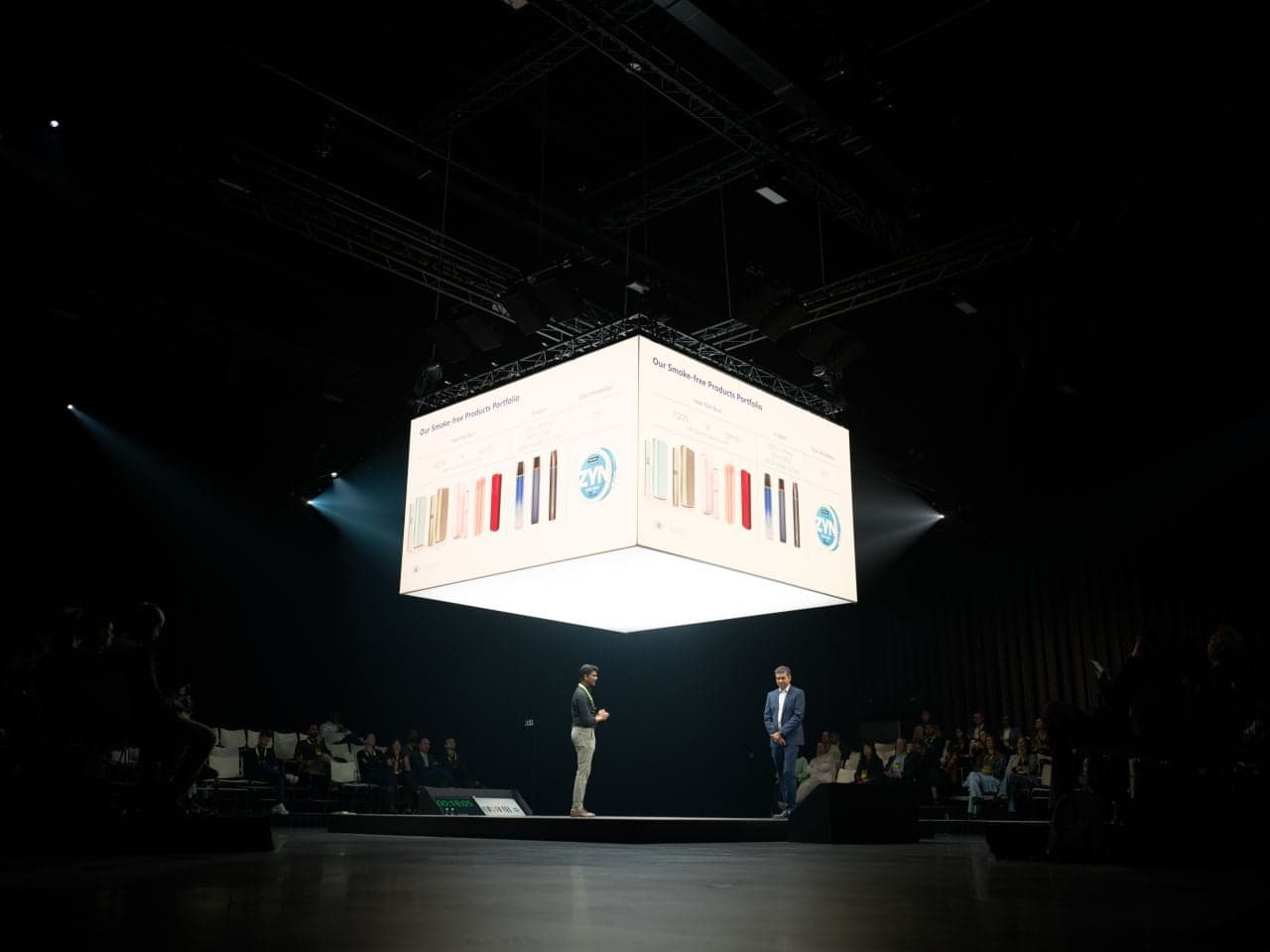
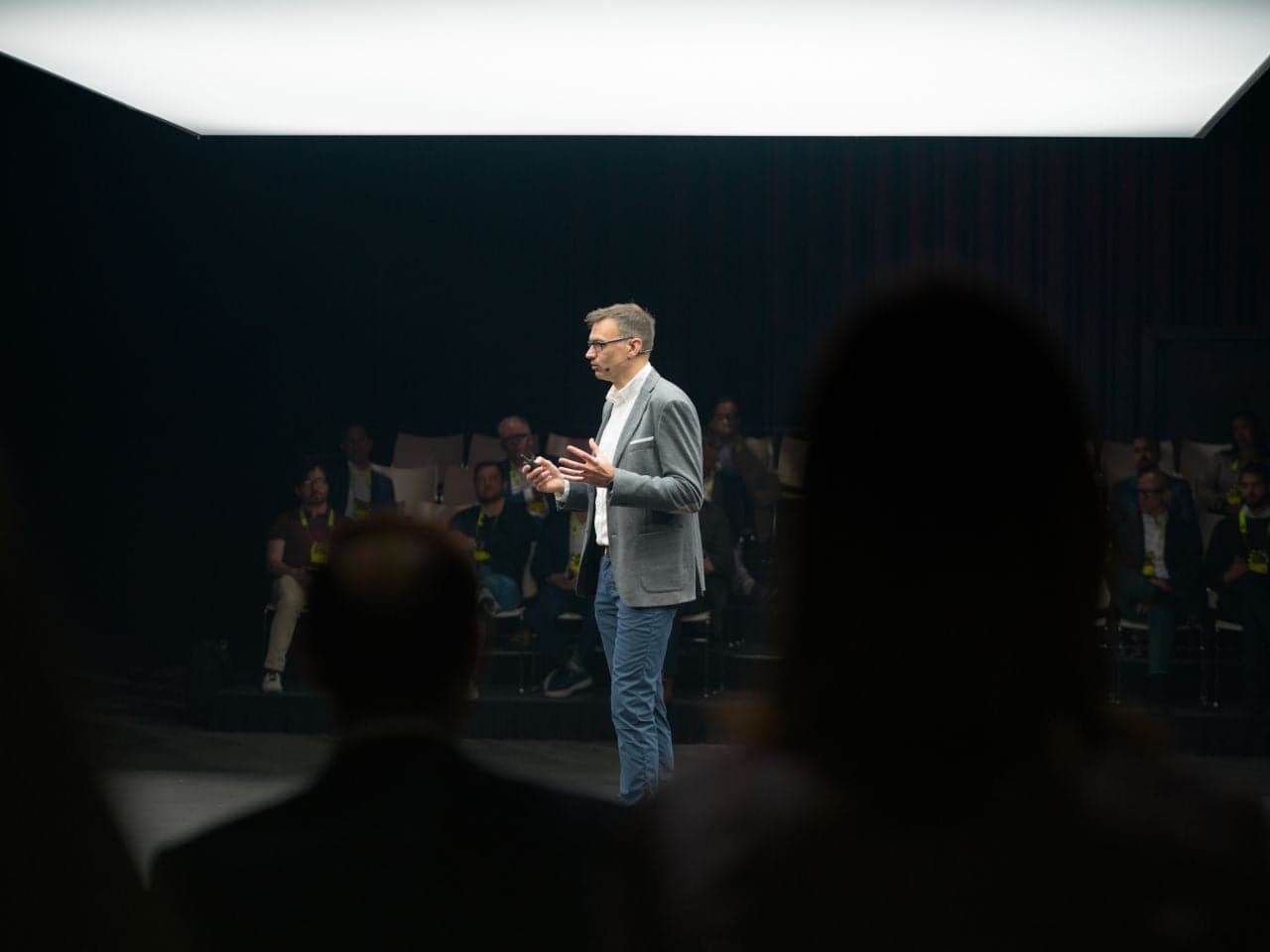
Ankur Gupta, Director Operations Strategy – AI & Digital at Philip Morris International, opened by setting expectations. "This is not a technology conversation," he said. "Transformation doesn't happen based on technology." PMI is in the middle of a significant business shift, with its smoke-free portfolio now representing 41 to 42 percent of its total business and its product range expanding. Rather than framing the work as a technology program, the company chose to organize it around business results.
A "Right to Left" Approach to Setting Targets
PMI describes its approach as "right to left." Where many transformations begin with technology and aim for business value later, PMI started by defining the outcomes it wanted. The company set specific targets up front, covering both financial and in-process KPIs. Ankur framed the level of ambition directly: "Unless those numbers look scary, the numbers are not worth it." Among the targets: compressing IBP cycles from five weeks to one across the company, reducing waste, write-offs, and air freight against defined numerical goals, and getting an organization spanning more than 180 markets to "operate in one way, with one explainable number that we are all going to go with."
Redesigning the IBP Process
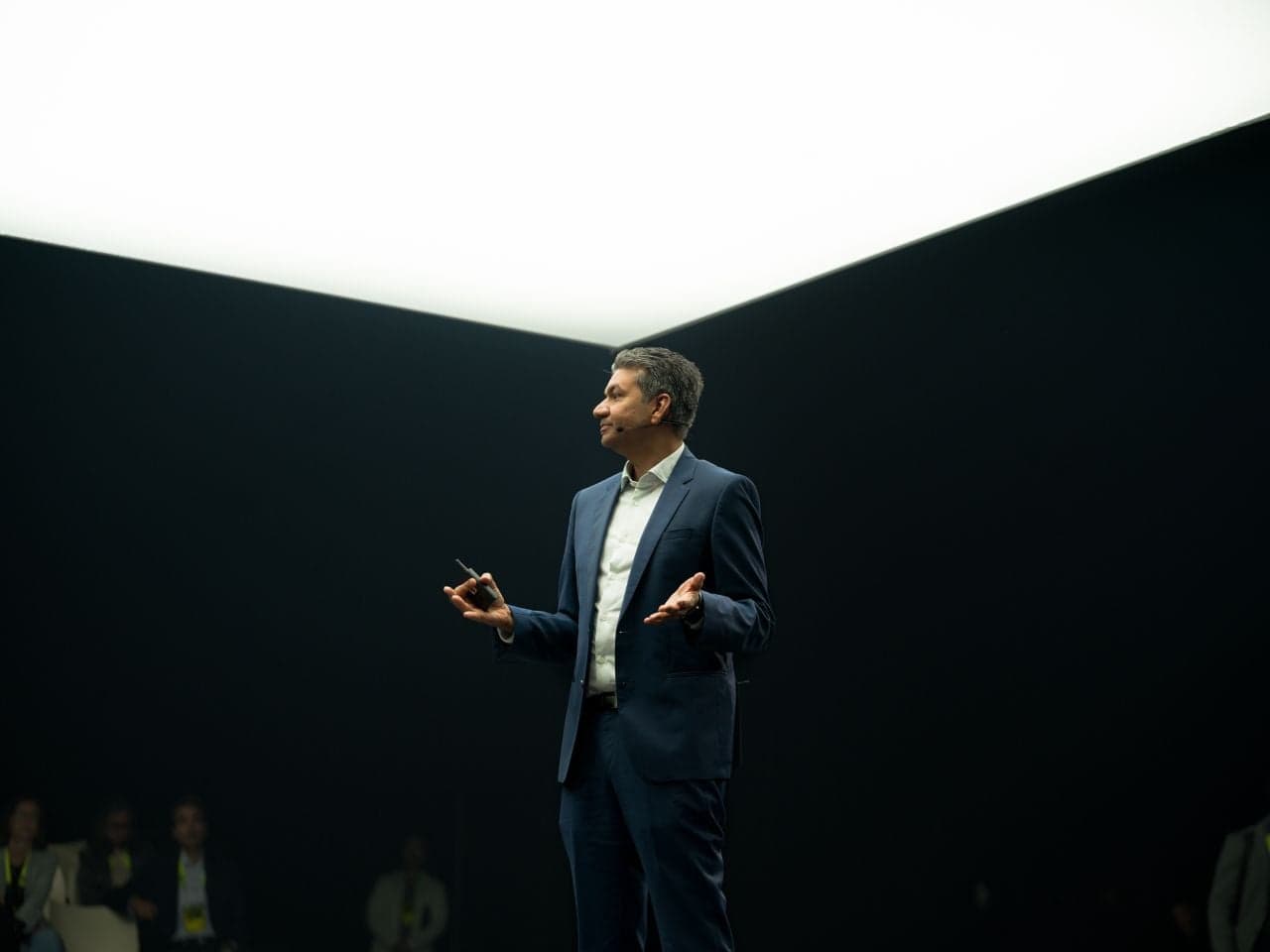
Ankur was clear that targets matter only if they change how work is done, across processes, people, technology, and data together. PMI's process scope connects revenue growth management, demand, IBP, and supply through to tier-one, tier-two, and tier-three suppliers. The company is also reframing IBP itself, moving from "a consensus-based discussion among many teams" toward "a focused conversation about how we close the gap" between a bottom-up forecast and the financial target. Sequential manual handoffs, which run from market to central team to supply to manufacturing to material planning, are being replaced with a more automated system. As Ankur described it, "humans will only make exception decisions."
The Role of the Operating Model
Ankur placed particular emphasis on the operating model, which he argued is often where transformations lose momentum. "Unless we truly change the operating model, the roles, the organization structure, the ways of working, and the performance management of all those people, what they are measured on, none of this will ever land." One change he highlighted was separating the commercial forecast from the financial target, so that general managers are not incentivized to adjust the forecast to meet their numbers. "If the focus is the forecast, the focus will be wrong."
In PMI's view, the result of getting these elements right is what Ankur called decision intelligence. "We can't buy decision intelligence," he said. "It emerges once we have the first four boxes taken care of," referring to outcomes, process, operating model, and data and technology, in that order.
PMI: Early Results in the Electronics Category
Bhagawan Rakesh Rajangam, Director IT – Supply Chain at Philip Morris International, presented results from the company's electronics category. PMI has implemented supply planning on o9 for this category, connecting demand across more than 100 markets to roughly ten electronic manufacturing suppliers (EMS) and around fifty tier-two suppliers in a single network. This includes a co-innovation with o9 on materials management for components PMI does not own directly.
Scenario Planning During a Supplier Disruption
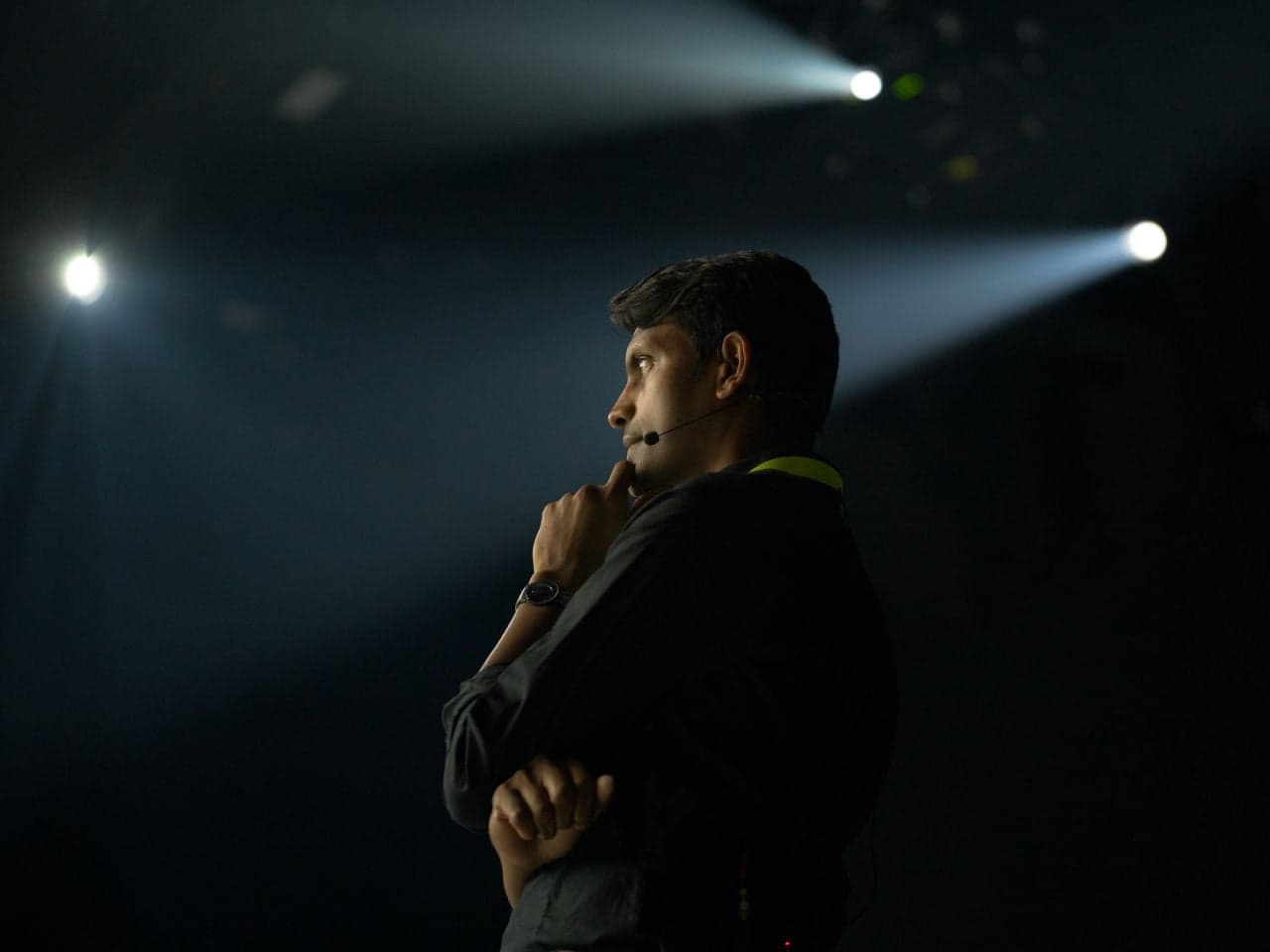
Rakesh described how the network supports decision-making during disruptions. When a material constraint arises at an EMS or tier-two supplier, the system can rebalance materials across the network. When a cyberattack affected one of PMI's EMS partners, scenario planning in o9 helped the team respond. "We were able to quickly shift the capacity to other EMSs and still meet our demand," he said. The platform also supports can-make optimization, which can convert at-risk inventory into sellable finished goods, and can push decisions to suppliers, automating the creation, postponement, or cancellation of purchase orders once they are accepted.
Reported Improvements in Decision Time and Visibility
Rakesh reported that analysis and decision time on changes has fallen by roughly 45 percent, and that inventory visibility across tier one and tier two, which previously relied on emails and phone calls, is now available "at the click of a button." He also noted a forward-looking step: hosting o9 within PMI's own network and connecting it to existing data, which is intended to support extending the model from the electronics category to other categories over time.
Three Closing Recommendations
Ankur closed with three recommendations:
- First, define the business outcomes before naming the technology.
- Second, redesign processes for an environment in which AI plays a larger role, recognizing that the eventual shape of those processes is not yet fully known.
- Third, give sustained attention to the operating model and how work is done day to day.
Coty: Moving From Project Delivery to Value Realization
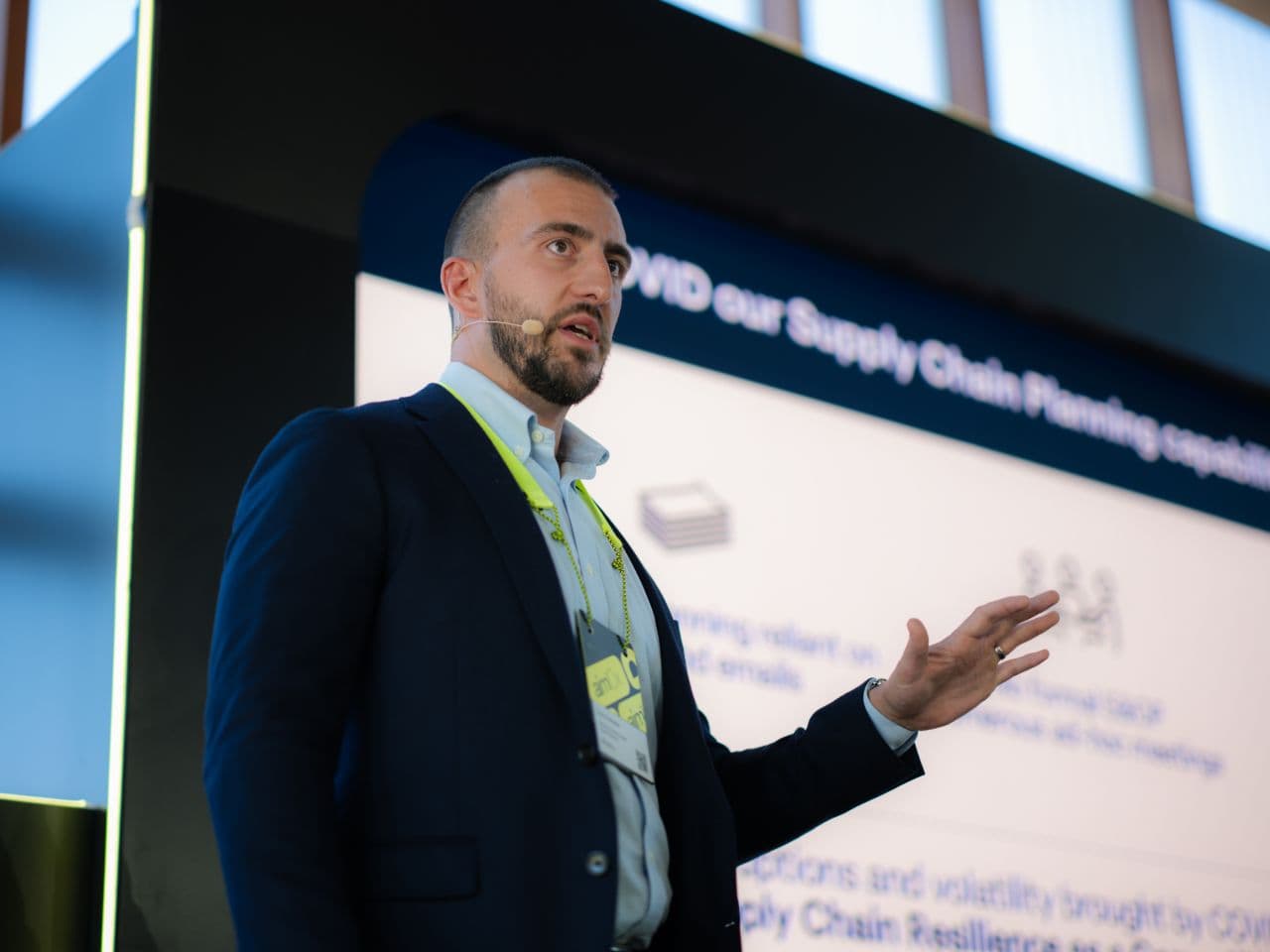
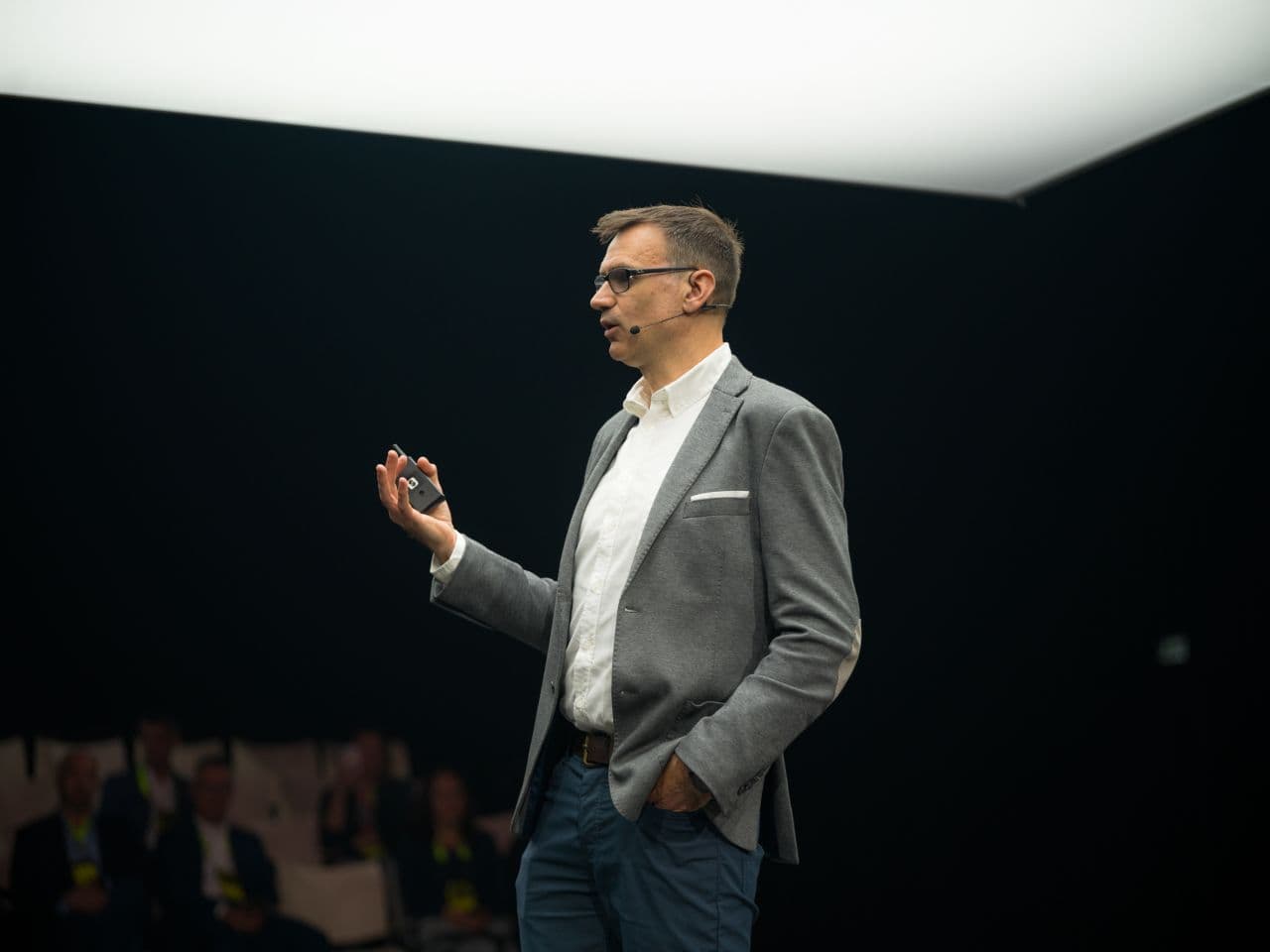
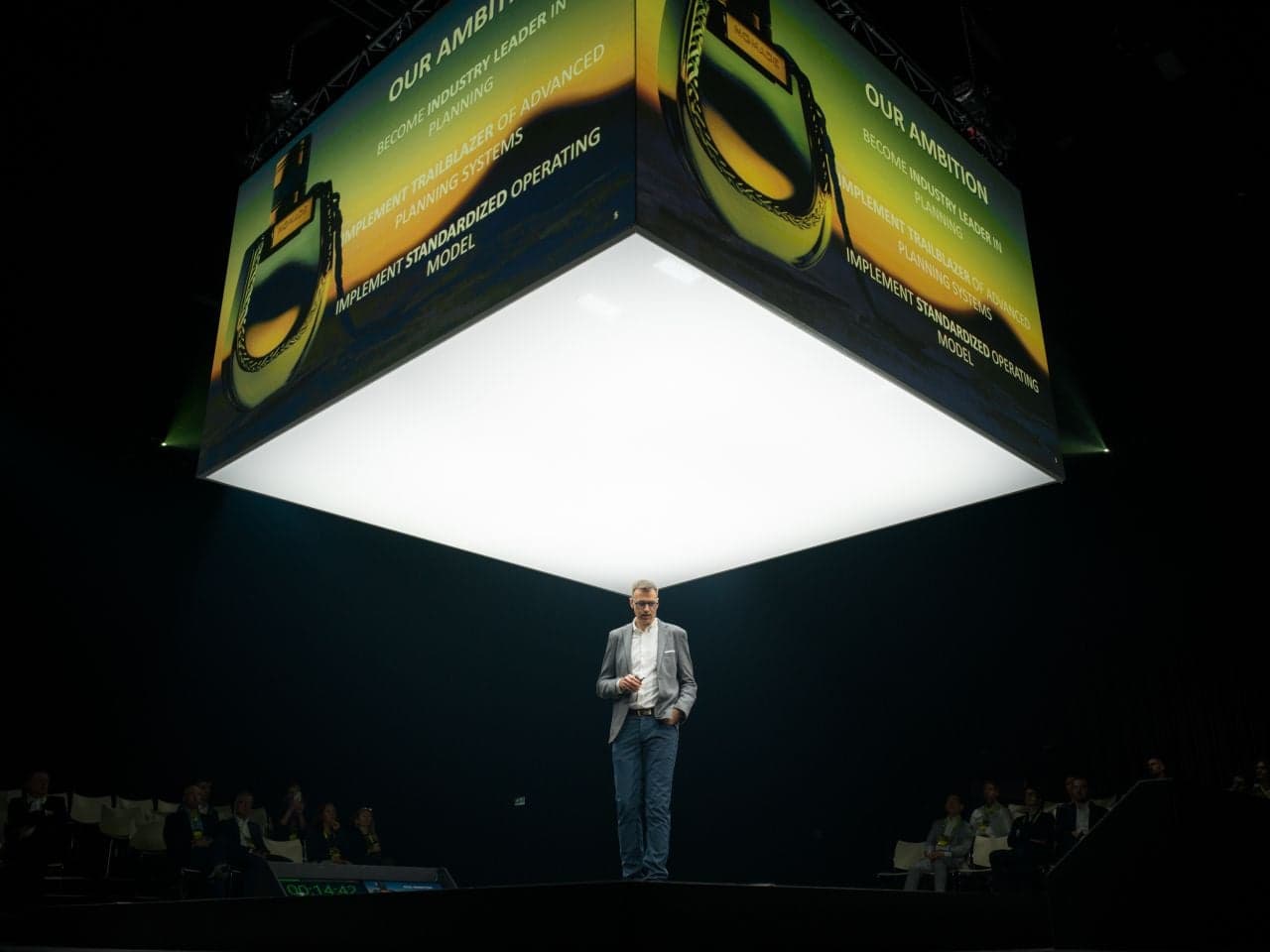
Ewan Forsyth, Senior Director Global Planning Transformation at Coty, focused on the phase that follows a rollout. Coty completed a global rollout of demand planning, S&OP, and the innovation module, moving "from 0 percent of business forecasting in o9 to 100 percent in just under 10 months." The project consolidated six legacy systems into one and established a centralized demand hub in Barcelona. Coty has now moved, as Ewan put it, "from full-on project mode to full-on value realization mode."
His central point aligned with PMI's. "Technology alone does not realize the full value potential," he said. He organized Coty's experience around four elements: technology, speed, data science, and adoption. He spent the least time on technology, leaving the detail to "the o9 experts," and focused on the other three.
Speed: The Case for a Fast Rollout
Coty chose a fast rollout to move out of project mode quickly, and Ewan acknowledged the trade-offs. At one point, three phases overlapped, with hypercare, parallel run, and S&OP UAT running simultaneously. Despite the strain, his assessment was that the speed was worthwhile: "I would take that pain any day to get out of project execution mode faster and into value realization mode." In hindsight, he said he would add more contingency planning around a tight schedule, so that a delay of a month or two would be easier to absorb.
Data Science: Managing Imperfect Forecasts at Go-Live
Ewan was candid that a newly live system is not immediately perfect. "When you switch on o9, not everything is perfect," he said. One Coty business, cosmetics, already produces a strong, low-bias system forecast suitable for moving toward low-touch planning. Another division's accuracy is lower and continues to be improved. His practical recommendation was to carry some additional safety stock through the transition period to account for forecasts that still need refinement.
Adoption: Knowing When to Leave the Forecast Alone
Ewan described adoption as the most difficult of the four elements, and offered a specific observation about forecast adjustments. Analyzing four months of data in the strong-forecast division, Coty found that "80 percent of the touches at EAN level are adding zero value," which one planner described as "shifting peanuts around." The response was less about imposing a rule and more about building trust, demonstrating to planners that the system forecast was reliable so they could "focus on the 20 percent that is genuine value-add."
The centralized demand team Coty stood up in Barcelona, established in parallel with the software implementation, added complexity to an already demanding rollout, but it is proving to be one of the most important parts of the success Coty has achieved, and something Ewan said he would do again if replaying the transformation. Rather than leaving forecasts exposed to the day-to-day pressures of the business, the central team acts as an unbiased check, actively correcting forecasts to hold zero bias "from any sales director, marketing director, or GM." That independence is the value-add: it protects the integrity of the demand signal from the commercial pressures that would otherwise distort it, and it does so consistently across markets while the underlying data science continues to mature. In the stronger-forecast division the discipline is knowing when to leave the forecast alone; in the others, the centralized team's discipline is knowing when and how to correct it. Both are deliberate, and both depend on the same principle of trusting the data and removing bias from the signal.
Partnership and the Limits of Technology Alone
Ewan closed on two points that, taken together, capture the balance at the heart of Coty's transformation. The first: "Technology alone does not deliver value." The decisions made by users and leaders are what ultimately move the demand signal. But the reverse is equally true, and implicit throughout his session: those decisions and disciplines are only possible when the right software is in place beneath them. The ability to trust a system forecast and stop touching it, to measure that 80 percent of overrides add no value, and to hold zero bias across markets all depend on a platform capable of producing a reliable, transparent, measurable demand signal in the first place. The judgment and the technology reinforce each other; neither delivers value without the other.
That interdependence led to his second point: "One company alone doesn't deliver success." Value emerges from a shared objective between Coty and o9, with the platform providing the foundation and the partnership turning it into realized outcomes.
The Shared Lesson
Read together, the PMI and Coty sessions cover different parts of the same arc and reach a consistent conclusion about where value comes from. PMI's emphasis is on the work done before and during implementation: defining clear business outcomes, redesigning processes, and aligning the operating model so that roles, incentives, and decision rights change alongside the system. Coty's emphasis is on the work after go-live: moving out of project mode efficiently, being realistic about data quality during the transition, and helping planners apply judgment where it adds value.
Both companies built their transformations on o9, and both treated the platform as one component of a broader effort. As Ankur put it, decision intelligence is not something an organization can simply purchase; it develops when outcomes, process, people, and data are addressed in the right sequence. The system is necessary, and what both sessions illustrated is the range of work around it that determines whether it delivers.
About the authors

Philipp Aschhoff
Vice President of Sales
Philipp Aschhoff is Vice President of Sales at o9 Solutions, leading consumer products across the EMEA region. He brings a strong track record in driving digital transformation, particularly within complex industries such as Automotive, FMCG, Fashion and Apparel helping market leaders reimagine their supply chains and Revenue Growth Management capabilities for 10x visibility and value improvement. With an entrepreneurial mindset and deep experience in consultative selling, P&L ownership, and cross-functional leadership, Philipp combines strategic vision with disciplined execution across both supply chain and RGM domains. He is passionate about creating measurable business impact while advancing sustainable, planet-positive change.